
Signs of Stress and Anxiety in Expat Children

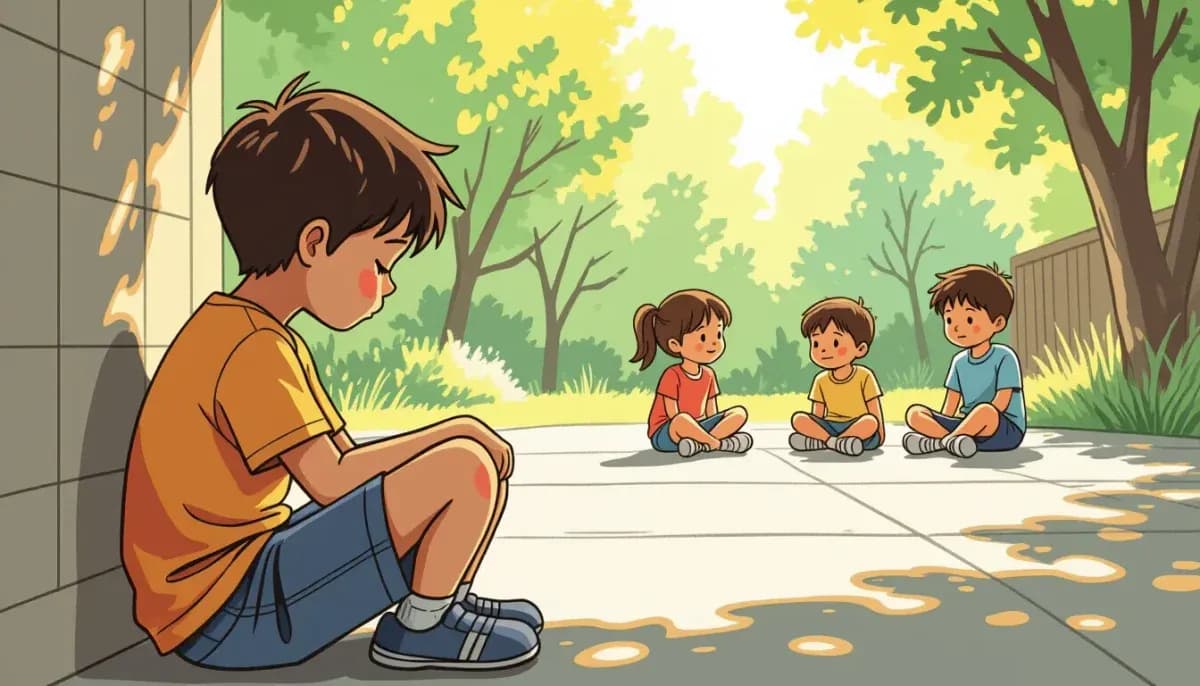
Learn to recognize the signs of stress and anxiety in expat children living in Japan. Age-specific warning signs, practical tips for parents, and when to seek help.
Signs of Stress and Anxiety in Expat Children: A Parent's Guide for Japan
Moving to Japan is an adventure for the whole family — but for children, the experience can be overwhelming. New language, new school, new friends (or the lack of them): it all adds up. As a parent, one of the most important things you can do is learn to recognize the signs of stress and anxiety in your child before they escalate into something harder to manage.
This guide covers the key warning signs of stress in expat children, how symptoms differ by age, and practical steps you can take to help. Whether you have just arrived in Japan or have been here for a year, understanding your child's emotional world is the foundation of a successful expat experience.
What Is Expat Child Syndrome?
Psychologists use the term Expat Child Syndrome (ECS) to describe the emotional and psychological difficulties children experience as a direct result of international relocation. While not a formal clinical diagnosis, ECS is widely recognized among counselors, school psychologists, and expat support organizations worldwide.
Children affected by ECS may show signs of grief, depression, anxiety, identity confusion, and behavioral regression. The syndrome can affect children of any age, but adolescents tend to suffer most because their social identity is so deeply tied to their peer network — something that gets completely disrupted when you cross an ocean.
Japan presents its own unique set of challenges. The language barrier is significant, the cultural norms differ markedly from most Western countries, and Japanese schools have a distinct social structure. Even children who are excited about the move can struggle once the novelty wears off and reality sets in.
According to research on children who use a foreign language at home in Japan, these children show statistically higher rates of mental health problems than peers who grow up speaking only Japanese. This highlights the importance of watching closely for signs of distress — especially in the first year.
For a broader overview of mental health resources for your child, see our guide on Mental Health and Emotional Wellbeing for Foreign Children in Japan.
Signs of Stress and Anxiety by Age Group
Children express stress differently depending on their developmental stage. Here is a breakdown of what to look for at each age:
Ages 3–6: Toddlers and Preschoolers
Young children cannot articulate their feelings, so stress shows up in behavior:
- Regression — returning to habits they had already grown out of (bedwetting, thumb-sucking, baby talk)
- Clinginess and separation anxiety — refusing to let you leave, extreme upset at drop-off
- Changes in eating or sleeping — refusing food, waking at night, nightmares
- Tantrums and irritability beyond what is normal for their age
- Physical complaints — stomachaches and headaches that have no medical cause
If your toddler suddenly starts wetting the bed again after months of being dry, or clings to you every time you approach the daycare door, these are common signs that they are processing a lot emotionally. Read more about managing this stage in our Toddler Parenting in Japan guide.
Ages 7–12: Elementary School Children
School-age children have more emotional vocabulary but may still struggle to express what is really going on:
- Resistance to going to school — stomachaches on weekday mornings, faking illness
- Emotional outbursts that seem disproportionate to the situation
- Strong, persistent homesickness — constantly talking about their old home, old friends, or old school
- Withdrawal from family — spending a lot of time alone in their room
- Declining academic performance — losing interest in schoolwork or struggling with a new curriculum
- Avoiding new friendships — not wanting to participate in group activities
The jump to a Japanese elementary school can be especially tough. If you are enrolling in a local school, see our Elementary School in Japan Guide for Foreign Parents for practical tips.
Ages 13–18: Teenagers
Teenagers are the most vulnerable to ECS because their entire social identity is wrapped up in friendships — and those friendships have just been taken away:
- Isolation — spending all time online, refusing to participate in family activities
- Resentment toward parents — anger or blame directed at you for "ruining" their life
- Identity confusion — not knowing where they belong, feeling neither Japanese nor from their home country
- Social anxiety — fear of judgment, reluctance to speak in class, avoiding social situations
- Depression symptoms — persistent low mood, loss of interest in activities they used to enjoy
- Physical complaints — headaches, fatigue, loss of appetite
Research from Japan's National Center for Child Health and Development found that 24% of junior high students and 30% of high school students showed moderate-to-high depression symptoms. For expat teens, the rates of distress can be even higher given the additional stressors of language barriers and cultural adjustment.
For guidance on navigating the Japanese high school system, see our High School in Japan Guide for Foreign Families.
Key Warning Signs: A Quick-Reference Table
Use this table as a quick guide to identify which type of sign you are seeing and what it may indicate:
| Warning Sign | Age Group | Possible Meaning |
|---|---|---|
| Bedwetting / regression | 3–6 | Emotional overwhelm, feeling unsafe |
| Clinginess / separation anxiety | 3–8 | Fear of losing parent, new environment stress |
| Morning stomachaches / school refusal | 6–14 | Social anxiety, fear of school environment |
| Emotional outbursts | Any age | Difficulty processing and expressing feelings |
| Withdrawal / isolation | 8–18 | Depression, social anxiety, loss of belonging |
| Persistent homesickness | Any age | Grief over lost friendships and environment |
| Identity confusion | 12–18 | Third Culture Kid (TCK) identity challenges |
| Declining grades | Any age | Cognitive load of adjustment, anxiety impacting focus |
| Physical complaints (no medical cause) | Any age | Somatic expression of psychological distress |
| Anger toward parents | 10–18 | Displaced frustration; resentment about the move |
How Parental Stress Amplifies Child Anxiety
One of the most important — and underappreciated — factors in child mental health during an international move is parental stress. Research consistently shows that children are highly attuned to their parents' emotional state. If you are struggling to adapt to Japan, your child likely feels it, even if you never say a word.
This creates a feedback loop: your stress increases their anxiety, which increases your worry, which feeds back into their behavior. Breaking this cycle requires parents to tend to their own mental health as well.
Strategies for parents:
- Seek your own support — join an expat parent group, connect with other foreign families, or speak to a counselor
- Be honest but measured — it is okay to tell your children that Japan is different and sometimes challenging; it models healthy emotional expression
- Celebrate small wins — acknowledge every milestone, from ordering a coffee in Japanese to making one new friend at school
- Establish routines quickly — predictability is emotionally stabilizing for children and adults alike
For more resources on settling into life in Japan as a foreign family, Living in Nihon offers comprehensive guides for expats navigating everyday Japanese life.
What to Do When You Notice the Signs
If you recognize three or more of the warning signs above in your child, it is time to take action. Here is a step-by-step approach:
Step 1: Open the Conversation
Ask specific, open-ended questions rather than yes/no questions:
- "What was the hardest part of school today?"
- "Is there anyone at school you feel comfortable talking to?"
- "What do you miss most about [home country]?"
Avoid dismissing their feelings with "you'll be fine" or "just give it time." Validation is powerful — even just saying "that sounds really hard" can make a child feel less alone.
Step 2: Connect with the School
Japanese schools and international schools often have counselors or homeroom teachers who are sensitive to the needs of foreign children. Request a meeting to:
- Inform them of your child's struggles
- Ask what social support is available
- Explore extracurricular options that could help your child build friendships
See our International Schools in Japan Guide for information on schools with strong expat support systems.
Step 3: Maintain Connections from Home
Video calls with grandparents, cousins, and old friends are not just nice — they are therapeutic. Research on Third Culture Kids shows that maintaining home-country connections reduces feelings of rootlessness and identity confusion. Encourage these calls and treat them as important rather than a distraction.
Step 4: Build Community in Japan
Connecting with other expat families can be transformative. Organizations like For Work in Japan provide resources and community for foreign workers and their families navigating life in Japan.
Look for:
- Expat parent Facebook groups in your city
- International community events
- Language exchange programs where your child can meet both Japanese and foreign peers
Step 5: Consider Professional Support
If signs persist for more than four to six weeks or are significantly impacting your child's daily life, seek professional support. Options in Japan include:
- International school counselors
- English-speaking child therapists (available in major cities)
- Online counseling platforms specializing in expat mental health
Do not wait until a situation becomes a crisis. Early intervention produces far better outcomes.
The Positive Side: Resilience and Growth
It would be wrong to frame this entire topic in crisis terms. The majority of expat children eventually adapt, and many thrive. Research suggests that children who successfully navigate international relocation develop exceptional resilience, empathy, and cross-cultural communication skills.
Studies show that 81% of Third Culture Kids — children who grow up between cultures — feel a strong connection to global citizens and often become effective international leaders, diplomats, and professionals. The challenges are real, but so are the rewards.
Japan, in particular, has much to offer young people: incredible food culture, exceptional public safety, rich history, and a strong emphasis on education and community. Children who learn to navigate Japan's unique environment often develop a lifelong love of the country.
For parents who want to give their children every advantage during this transition, investing in language learning early makes a huge difference. See our guide on Teaching Japanese to Foreign Children for practical methods that work.
Supporting Your Child Through Japanese Exam Stress
For families whose children are enrolled in Japanese schools — particularly those considering the chuukou juken (middle school entrance exam) path — academic stress compounds the usual adjustment pressures. The Japanese education system's emphasis on examinations can feel intense even for native children.
Chuukou Benkyou offers resources on managing student mental health and motivation during exam preparation, which can be especially useful for expat families whose children are integrating into the Japanese academic system.
If your child is approaching junior high school age, our Junior High School in Japan Guide covers everything you need to know about the transition.
Final Thoughts
Recognizing the signs of stress and anxiety in your expat child is not about worry — it is about awareness. Children are remarkably adaptable when they feel seen, supported, and safe. Your job is not to make the move painless (that is impossible), but to make it navigable.
Watch for the warning signs. Open the conversation. Connect with community. And remember that struggling is not failing — it is adjusting. With time, patience, and the right support, most expat children in Japan do more than survive. They grow.
For more resources on raising children in Japan as a foreign family, explore our full guide on The Japanese Education System for Foreign Families.

Originally from Vietnam, living in Japan for 16+ years. Graduated from Nagoya University, with 11 years of professional experience at Japanese and international companies. Sharing practical information for foreign parents raising children in Japan.
View Profile →Related Articles
Positive Psychology Approaches for Multicultural Children
Discover evidence-based positive psychology approaches to help multicultural children in Japan thrive — building bicultural identity, resilience, language confidence, and emotional wellbeing.
Read more →
Combating Social Isolation and Loneliness in Expat Kids
Practical guide to helping expat children overcome social isolation and loneliness in Japan. Covers warning signs, strategies, resources, and research-backed advice for foreign families.
Read more →
How Parental Stress Affects Children in Expat Families
Learn how parental stress transmits to children in expat families in Japan, warning signs to watch for, and proven strategies to protect your children's emotional wellbeing.
Read more →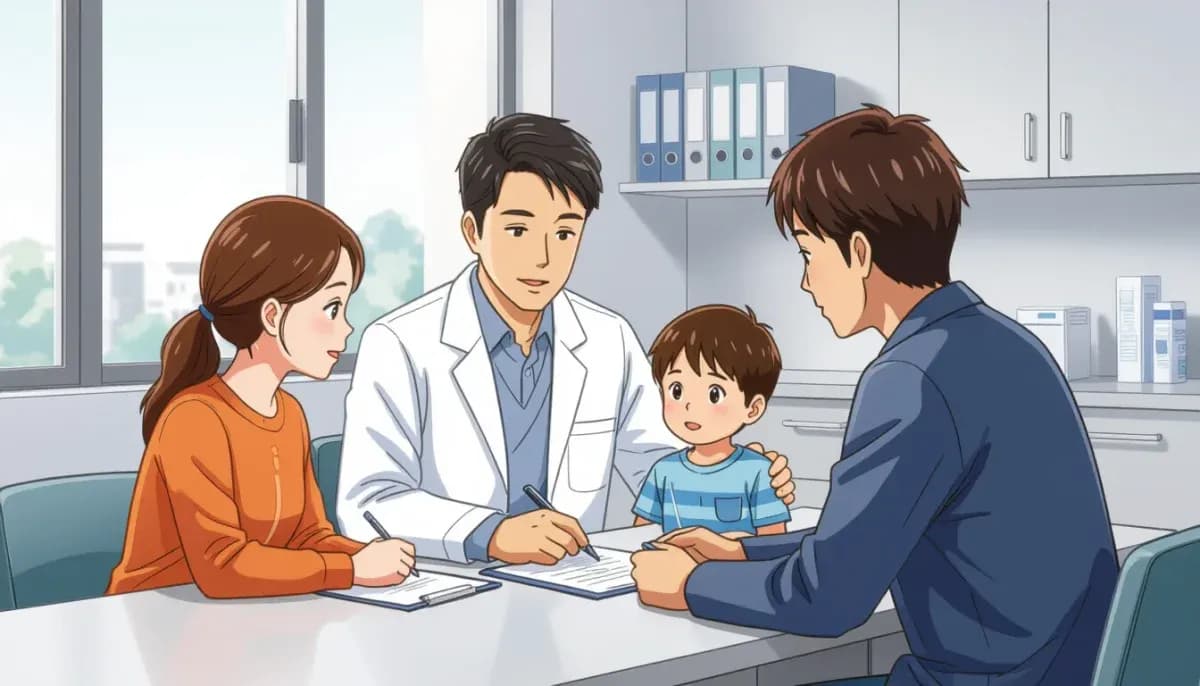
When to Seek Professional Help for Your Child in Japan
A complete guide for foreign parents on warning signs, types of professionals, and how to access mental health, developmental, and behavioral support for your child in Japan.
Read more →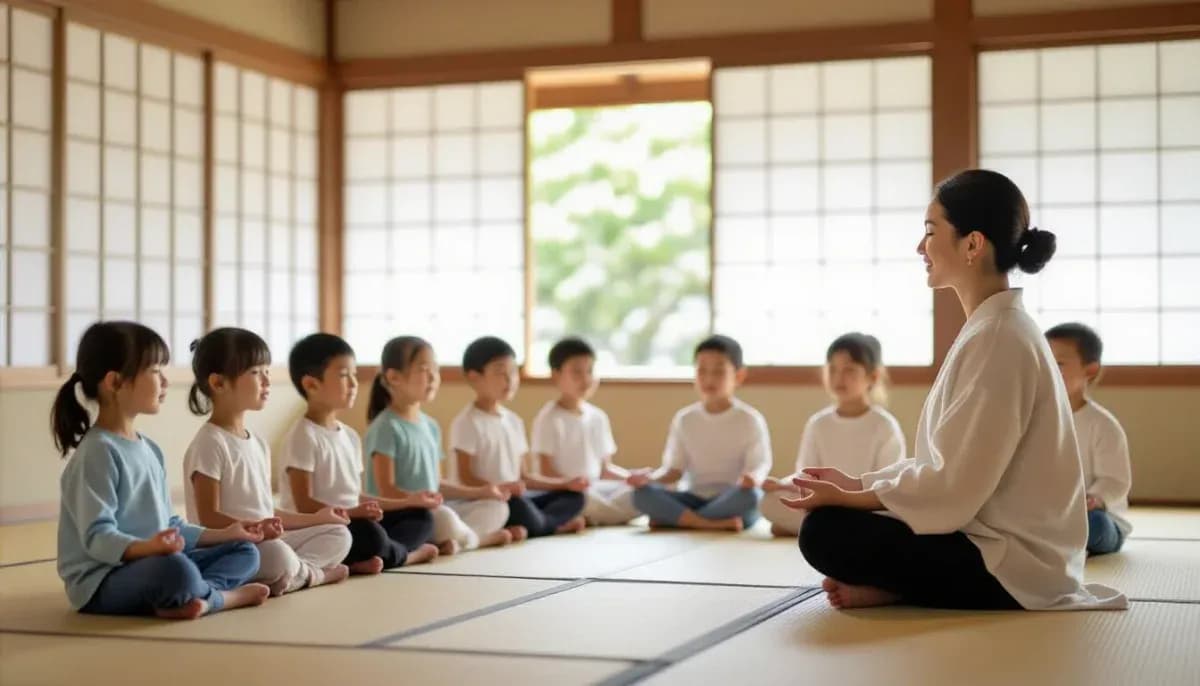
Mindfulness and Relaxation Techniques for Children
Discover effective mindfulness and relaxation techniques for children in Japan. From breathing exercises to Shinrin-yoku, help your child manage stress and thrive as an expat family.
Read more →
Emotional Support During Major Life Transitions
Navigating major life transitions in Japan as a foreigner? Discover emotional support strategies, English-language mental health resources, crisis lines, and community-building tips to help you and your family thrive through change.
Read more →