Moving To and From Japan with Children: The Complete Relocation Guide
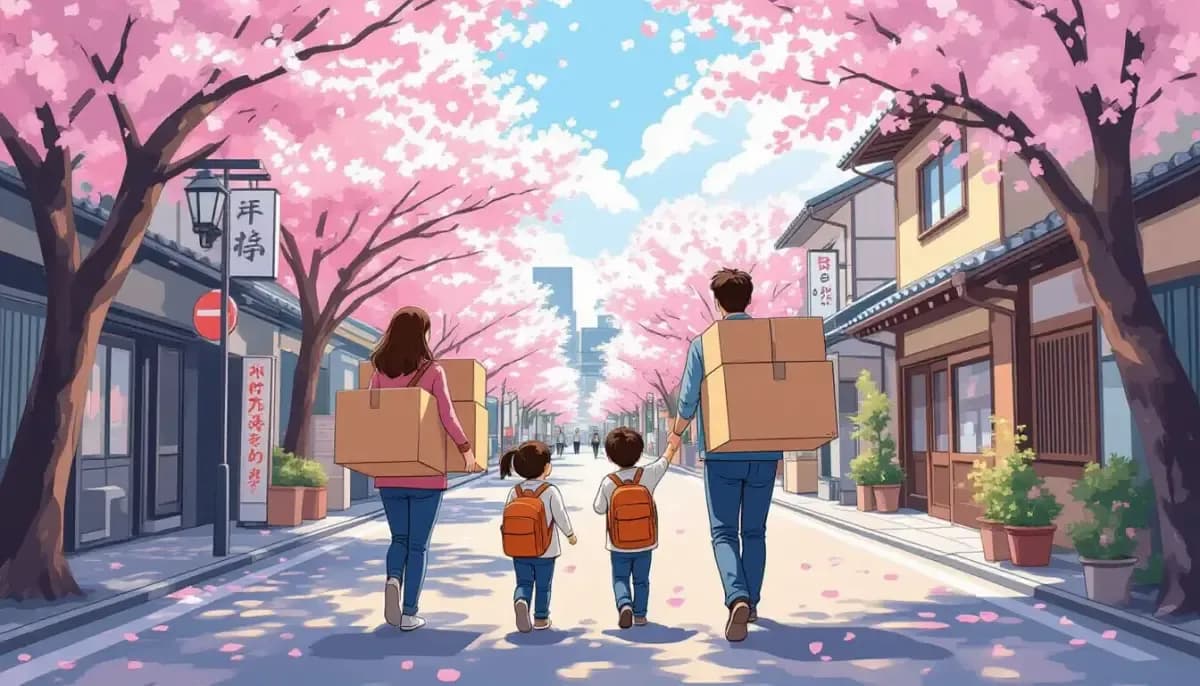
Relocating internationally is never simple, but moving to or from Japan with children adds a unique set of challenges and rewards. From navigating the dependent visa process to choosing between Japanese public schools and international schools, families face dozens of decisions before the first box is packed. This guide walks you through every critical stage of a family relocation to or from Japan — visas, housing, schooling, healthcare, and the practical logistics that seasoned expat parents wish they had known on day one.
Japan's foreign resident population has reached nearly 4 million people as of 2025, with 2.3 million overseas workers at a record high. More families than ever are making the move, and the country has responded with improving childcare infrastructure, expanded English-language support at city offices, and a growing network of international schools. Whether you are arriving with a toddler or a teenager, Japan offers a safe, enriching, and surprisingly child-friendly environment — if you know how to navigate it.
Securing the Right Visa for Your Entire Family
The first step in any family relocation to Japan is ensuring every family member has the correct legal status. Most foreign workers enter on employment-based visas (Engineer/Specialist in Humanities, Highly Skilled Foreign Professional, Teacher, Researcher, etc.). Their immediate family members — legally married spouse and unmarried minor children — are eligible for a Dependent (Family Stay) visa.
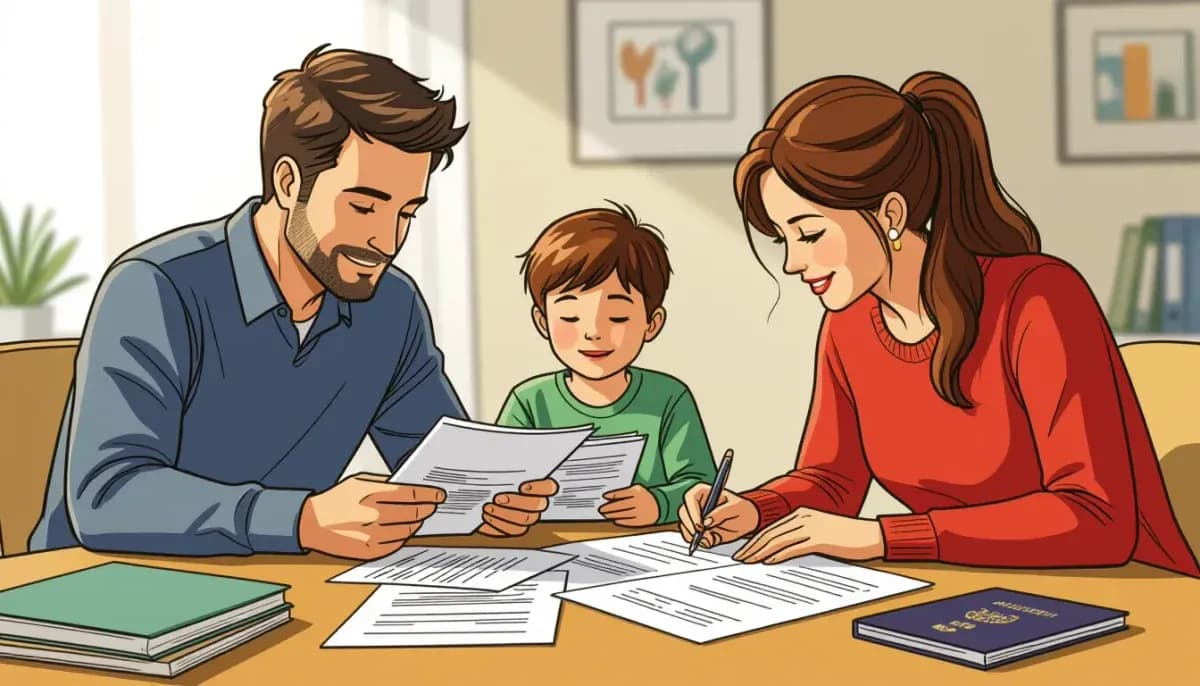
To sponsor dependents, you will need to demonstrate sufficient income. There is no fixed salary threshold, but immigration officers typically look for stable employment confirmed by a current employment certificate, recent tax records (nōzeishōmeisho), and recent bank statements. The application process requires:
- Certificate of Eligibility (COE): Applied for at the Regional Immigration Services Bureau in Japan; typically takes 1–3 months to process
- Birth certificates for each child, with certified Japanese translations
- Marriage certificate (for spouse), with certified Japanese translation
- Sponsor's residence card copy and passport
- Proof of income and employment
Once you receive the COE, your family members can apply for visas at a Japanese embassy or consulate in your home country. After arriving in Japan, all family members must register their address at the local ward or municipal office within 14 days. This registration triggers enrollment in the National Health Insurance system, which is also mandatory within the same 14-day window.
A spouse on a Family Stay visa is permitted to work up to 28 hours per week with a granted work permit (shikaku-gai katsudō kyoka). For full-time employment, a visa change to a work visa category is required. For more detailed information on visa categories and family legal status, see our full guide on visa and legal issues for foreign families in Japan.
For additional guidance on navigating Japanese residency regulations for working families, For Work in Japan's Family Life Guide is an excellent resource covering everyday practical matters for foreign residents.
Choosing a School: Japanese Public vs. International Options
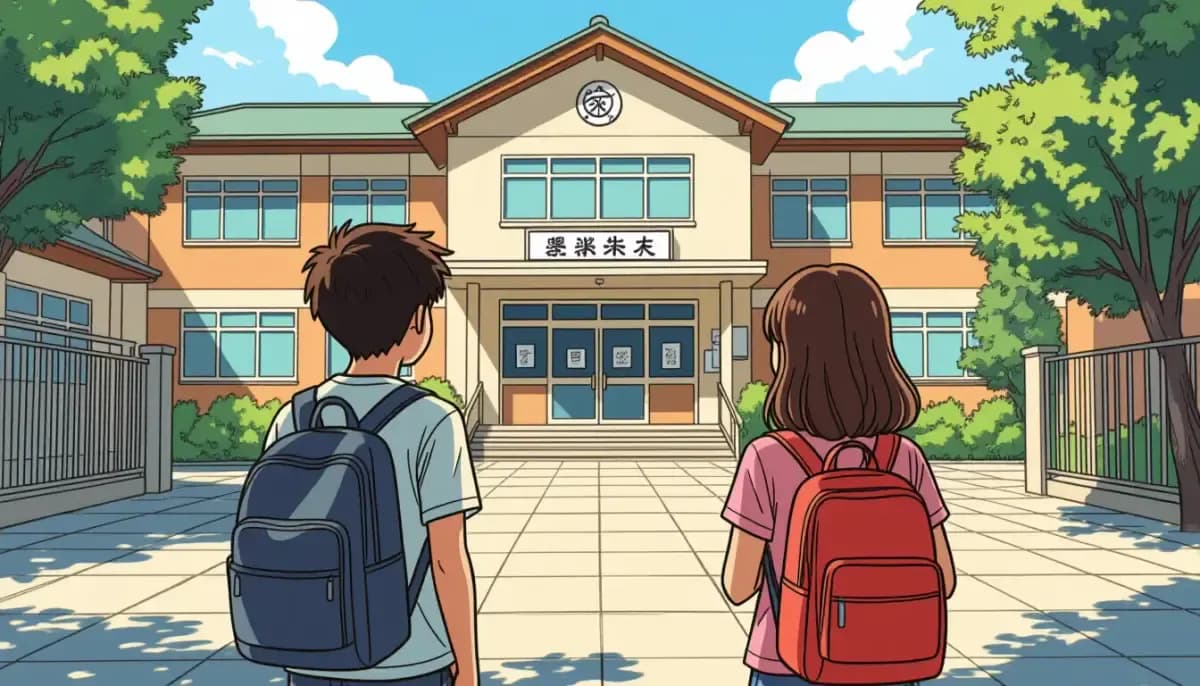
Education is typically the most complex decision for relocating families. Japan offers two broad paths: enrollment in the Japanese public school system or attendance at one of the country's 80+ international schools.
Japanese Public Schools
Japan's compulsory education covers 9 years: 6 years of elementary school (shōgakkō) for ages 6–12, followed by 3 years of junior high school (chūgakkō). The school year runs from April to March, and a child's age on April 1 determines their grade placement. Foreign children have the legal right to attend public school free of charge, and many municipalities provide Japanese language support classes.
The advantages of public school include cost (essentially free), deep cultural immersion, and access to Japan's exceptionally safe and structured learning environment. The main challenges are the language barrier, the intense academic and social expectations, and the risk of social isolation for children who do not speak Japanese. Bullying (ijime) is a known issue in Japanese schools, and children who appear visibly different may face additional social pressure.
International Schools
Japan hosts over 60 international schools in Tokyo alone, offering American, British, IB (International Baccalaureate), and other curricula. Several prestigious UK institutions have recently opened campuses: Rugby School Japan (2023), Malvern College Tokyo (2023), and Harrow International Appi (2022), reflecting growing demand from internationally mobile families.
Annual tuition varies significantly:
| School Type | Annual Cost (JPY) |
|---|
| Japanese public school | ¥0 – ¥100,000 |
| Private English preschool | ¥600,000 – ¥1,200,000 |
| International school (elementary) | ¥1,500,000 – ¥2,500,000 |
| International school (secondary) | ¥2,000,000 – ¥3,500,000+ |
| Cram school (juku) supplement | ¥100,000 – ¥400,000/yr |
A common approach among long-term expat families is to enroll children in Japanese elementary school for language and cultural immersion, then transition to an international school for secondary education to preserve future university options abroad.
For a comprehensive breakdown of every educational pathway available to foreign families, see our dedicated guide on the Japanese education system for foreign families and our resource on international schools in Japan.
The team at Living in Nihon's Child Raising & Education Guide covers tuition planning, school choice strategies, and education fund preparation for foreign families in Japan.
Childcare and Early Childhood Education
For families moving with young children, Japan's childcare system requires careful advance planning. Licensed daycare centers (hoikuen) accept children from age 0 to 5 and are operated by municipalities. Places are allocated based on a points system that prioritizes working parents, particularly dual-income households with demonstrated work hours.
Following a landmark policy change in October 2019, licensed preschool education became free for all children aged 3–5 in Japan. For children under 3, subsidized rates apply based on household income. Monthly fees for unlicensed facilities are capped at ¥25,700 under the subsidy system.
Key childcare facts for relocating families:
- Public daycare is highly competitive; apply as early as possible (applications typically open in October–November for April enrollment)
- Private English preschools are widely available in major cities but are expensive (¥600,000–¥1,200,000/year)
- Jidokan (community children's centers) offer free drop-in play spaces staffed by childcare workers — an invaluable resource, especially during the rainy season
- Nanny agencies such as Poppins operate in Tokyo; expat Facebook groups (Japan With Kids, Tokyo Mamas) are active resources for babysitter referrals
See our detailed guide to daycare and hoikuen in Japan for foreign parents and kindergarten (yochien) options in Japan for step-by-step enrollment guidance.
Healthcare for Children After Relocation
Japan's healthcare system is accessible and affordable for legal foreign residents. All residents are required to enroll in National Health Insurance (Kokumin Kenkō Hoken), which covers 70% of standard medical expenses. Children receive additional protection through the Free Medical Care Certificate (iryō-hi jodō seido), which covers the remaining 30% co-payment until approximately age 15 (the exact cutoff varies by municipality — some extend coverage to age 18).
Standard pediatric vaccinations — including BCG, PCV, DTP-IPV, MR, varicella, Japanese encephalitis, Hib, HPV, and Hepatitis B — are provided free of charge through municipal health center vouchers. Confirm your child's home-country vaccination history with an English-speaking pediatrician who can map it to the Japanese schedule.
Practical healthcare tips for families:
- Bring a sufficient supply of children's medications (Tylenol, Advil/ibuprofen, antacids) as some formulations are unavailable or require a prescription in Japan
- Japan's tap water is safe to drink but lacks fluoride; bring fluoride toothpaste or look for specialized options
- Pediatric nurse consultation hotline: #8000 (available evenings and weekends in most prefectures)
- Register your children at a local pediatric clinic (shōnika) shortly after arrival
For a complete overview of the medical system for families, see our guide on healthcare and medical care for children in Japan. For education-related costs to budget alongside healthcare, Chuukou Benkyou's resources cover supplementary education options including cram schools for when your children reach junior high school age.
Housing: Finding a Family-Friendly Home
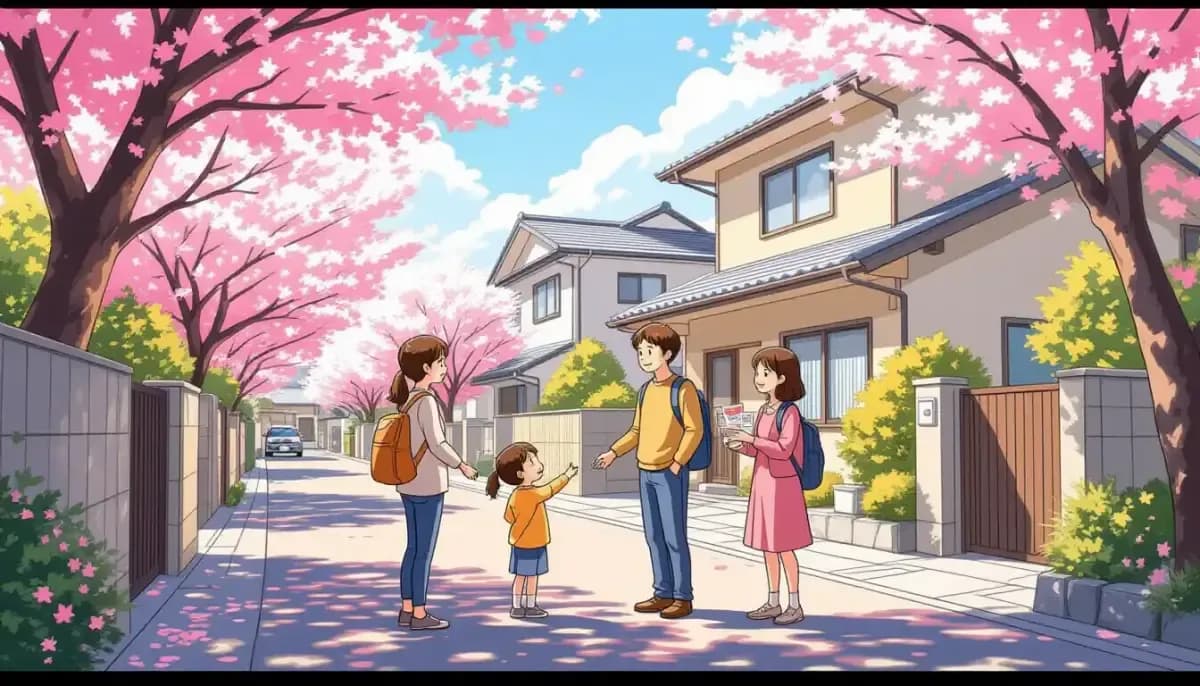
Securing housing in Japan with children involves navigating a rental market that can be unwelcoming to foreigners, especially non-Japanese speakers. Many landlords (ōya) refuse to rent to non-Japanese tenants, or require a Japanese-speaking guarantor (hoshōnin) or a guarantor company.
Family-friendly neighborhoods in Tokyo:
- Setagaya: Tokyo's largest ward by population; low-rise residential feel, abundant parks, international school bus routes
- Meguro: Popular with expat families; blend of urban convenience and quiet residential streets
- Kichijoji: Near Inokashira Park; lively yet family-friendly atmosphere; excellent transport links
Move-in costs are significant: budget 4–6 months' rent upfront for security deposit (shikikin), key money (reikin), and agency fees. Monthly rent for a suitable family apartment (3LDK or larger) ranges from ¥150,000–¥300,000+ in central Tokyo, and ¥100,000–¥180,000 in outer wards and suburban areas.
Important housing considerations for families:
- Confirm all room dimensions before shipping furniture — Western-sized beds, sofas, and wardrobes frequently do not fit Japanese apartments
- Avoid Japan's moving peak season (March–April) if possible; relocation company fees spike significantly
- Confirm proximity to the nearest elementary school and whether it has a Japanese language support program
- Check availability of nearby parks, indoor children's centers (jidokan), and community pools
A useful step-by-step expat moving checklist is available at Relocatin.com's Japan Moving Checklist.
Moving Out of Japan with Children: Repatriation and Third Culture Kids
Moving back to your home country — or on to a new country — after raising children in Japan presents its own distinct challenges. Children who have grown up in Japan as "third culture kids" (TCKs) often find re-entry into their passport country unexpectedly difficult, despite having citizenship there.
Key steps when leaving Japan with children:
- Deregister from the ward office (tenshutsu todoke): Submit a move-out notification before your departure date; this cancels your residence card, national insurance, and pension contributions
- Request pension refund (dattai ichijikin): Foreign nationals who have contributed to Japan's public pension (kōsei nenkin) can claim a lump-sum withdrawal payment after leaving; apply within 2 years of departure
- Transfer school records: Request official transcripts from your child's Japanese school or international school; for IB or accredited international schools, credentials transfer smoothly; for Japanese public school records, you may need certified translations
- Mental health preparation for children: Discuss the move openly; validate children's grief about leaving friends, their school, and the only country they may clearly remember
- Re-enrollment planning: Research school options in the destination country well in advance; children returning from Japan may be academically advanced in some areas but need language support in others
For families considering the longer-term implications of raising children across cultures, our guide on cultural identity and hafu children in Japan and mental health and emotional wellbeing for foreign children in Japan provide important context.
The comprehensive family-life information available at TokyoDev's guide to bringing your family to Japan and Expat.com's Japan childcare guide are valuable supplementary reading for families at all stages of the relocation process.
Financial Planning for the Relocation
A Japan family relocation is a major financial undertaking. Below is a realistic monthly budget baseline for a family of four in Tokyo, drawn from 2024–2025 expat cost data:
| Expense Category | Monthly Estimate (JPY) |
|---|
| Rent (3LDK outer Tokyo) | ¥150,000 – ¥200,000 |
| Groceries (family of 4) | ¥60,000 – ¥90,000 |
| International school tuition (1 child) | ¥125,000 – ¥290,000 |
| Childcare / preschool (age 3–5) | ¥0 – ¥100,000 |
| National Health Insurance (family) | ¥20,000 – ¥50,000 |
| Utilities (gas, electric, water) | ¥20,000 – ¥35,000 |
| Transportation (commuter passes) | ¥15,000 – ¥30,000 |
| Total estimate | ¥390,000 – ¥795,000 |
Note that the Japanese government has introduced a significant incentive for families: those who relocate out of Tokyo to rural and regional areas receive ¥1,000,000 per child (up to ¥3,000,000 per family) as a relocation subsidy. Families considering a Japan move who are open to living outside Tokyo should research this policy carefully, as costs in regional cities like Fukuoka, Sapporo, Sendai, or Hiroshima are substantially lower than in the capital.
For detailed guidance on managing family finances in Japan, see our guide on financial planning for expat families raising children in Japan and our overview of government benefits and subsidies for families in Japan.
Conclusion: Planning Makes the Difference
Moving to or from Japan with children is demanding, but families who plan carefully find that Japan offers an exceptional quality of life. The country's low crime rate, excellent public transit, high-quality food, and strong community infrastructure make it genuinely child-friendly. The challenges — language barriers, competitive childcare enrollment, housing restrictions for foreigners, and the emotional weight of uprooting children — are real but manageable with the right preparation.
Start your visa process at least 6 months before your planned move date. Research schools before you book housing, not after. Register at your ward office within the first two weeks. And connect with expat parent communities — online and in person — early. The family expat community in Japan is active, generous with information, and one of the best resources you will find.
For ongoing support as you navigate raising children in Japan, explore the full range of topics covered in our complete guide to the Japanese education system for foreign families and the wealth of resources on Living in Nihon's raising children and education pillar.