
Helping Children Maintain Friendships After Moving

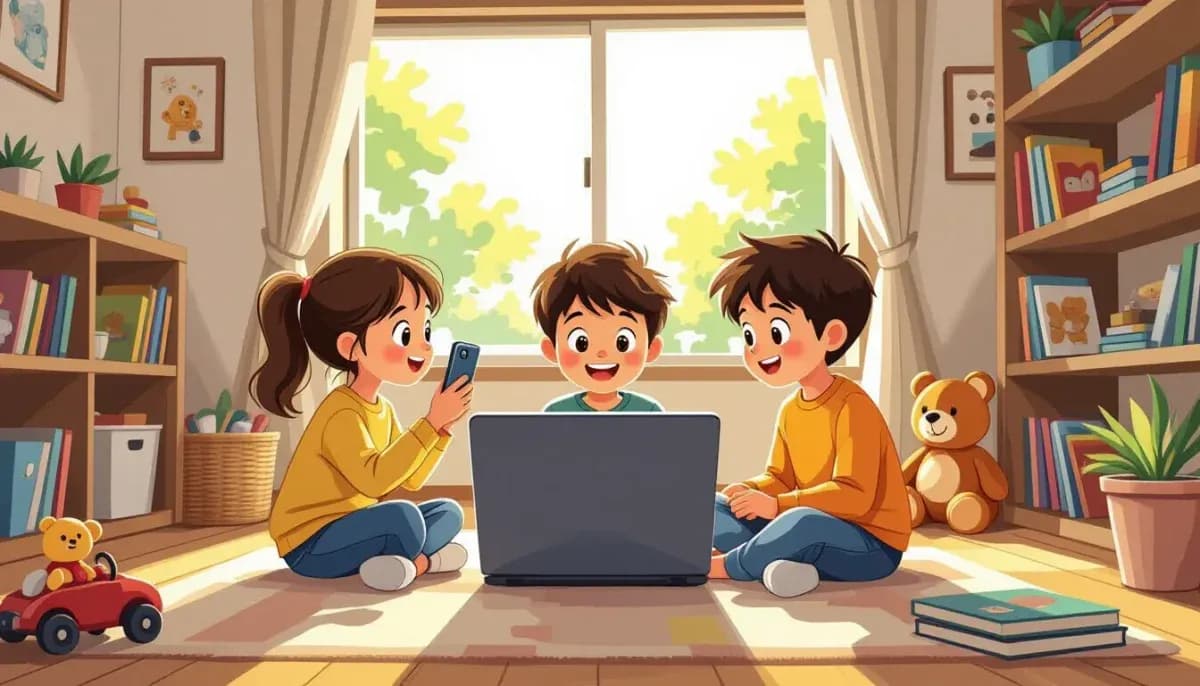
Practical strategies for helping expat children maintain friendships after moving to Japan, from video calls and memory albums to building new bonds at school and local community centers.
Helping Children Maintain Friendships After Moving to Japan
Relocating to Japan is an exciting adventure — but for your children, it often means leaving behind some of their closest friends. Whether you are moving from the United States, Australia, Europe, or elsewhere, the challenge of helping your child maintain those precious friendships while building new ones in Japan is one of the most emotionally significant parts of your expat experience.
The good news: with the right strategies, children can absolutely maintain meaningful long-distance friendships while also forming strong new bonds in Japan. This guide covers practical, research-backed approaches to support your child through this transition — from digital communication tools to building a thriving social life in your new Japanese community.
Why Friendship Maintenance Matters After a Move
Moving affects children differently depending on their age and personality. According to the American Academy of Child & Adolescent Psychiatry (AACAP), the older the child, the more difficulty they experience with relocation — because peer relationships become increasingly central to their identity and self-esteem as they grow.
Research shows that children who move frequently are approximately 20% more likely to report feelings of loneliness compared to peers who remain in stable communities. However, a key finding from a Journal of Child and Family Studies study offers hope: children who maintained active digital communication with old friends after relocation reported significantly higher overall friendship quality than those who lost touch entirely.
What this means for expat families is simple: the effort you put into helping your child stay connected with friends back home is genuinely worthwhile — not just emotionally, but developmentally.
For children relocating to Japan, the transition also involves language barriers and cultural differences, making both old friendships and new ones more complex to navigate. Understanding these dynamics helps parents provide targeted support.
The Timeline: What to Expect
Most children go through a predictable adjustment curve after moving. Knowing this timeline helps parents respond appropriately rather than over-reacting or under-supporting.
| Phase | Timeframe | What to Expect |
|---|---|---|
| Honeymoon | Weeks 1–4 | Excitement about new country, novelty of Japan |
| Reality Shock | Weeks 4–8 | Grief for old home, missing friends, possible school struggles |
| Adjustment | Months 2–4 | Forming first connections, adjusting to routines |
| Settling | Months 4–6 | New friendships developing, more comfortable in school |
| Integration | 6+ months | Feeling at home, able to celebrate both old and new life |
Elementary-aged children typically move through this curve faster than teenagers. Young children's friendships tend to be activity-based ("we play together") rather than identity-based, making it easier to form bonds in new environments. Teenagers, on the other hand, have deeper, more complex peer relationships — and may need more structured support from parents.
If your child is still showing significant signs of depression or social withdrawal after six months — including changes in appetite, grade drops, sleep disturbances, or persistent irritability — consult a professional. The AACAP provides excellent guidance for parents on recognizing when a child needs additional help.
Practical Tools for Staying Connected with Old Friends
Technology has transformed long-distance friendships for children. Here are the most effective tools and strategies for keeping those bonds alive across the Pacific.
Digital Communication Platforms
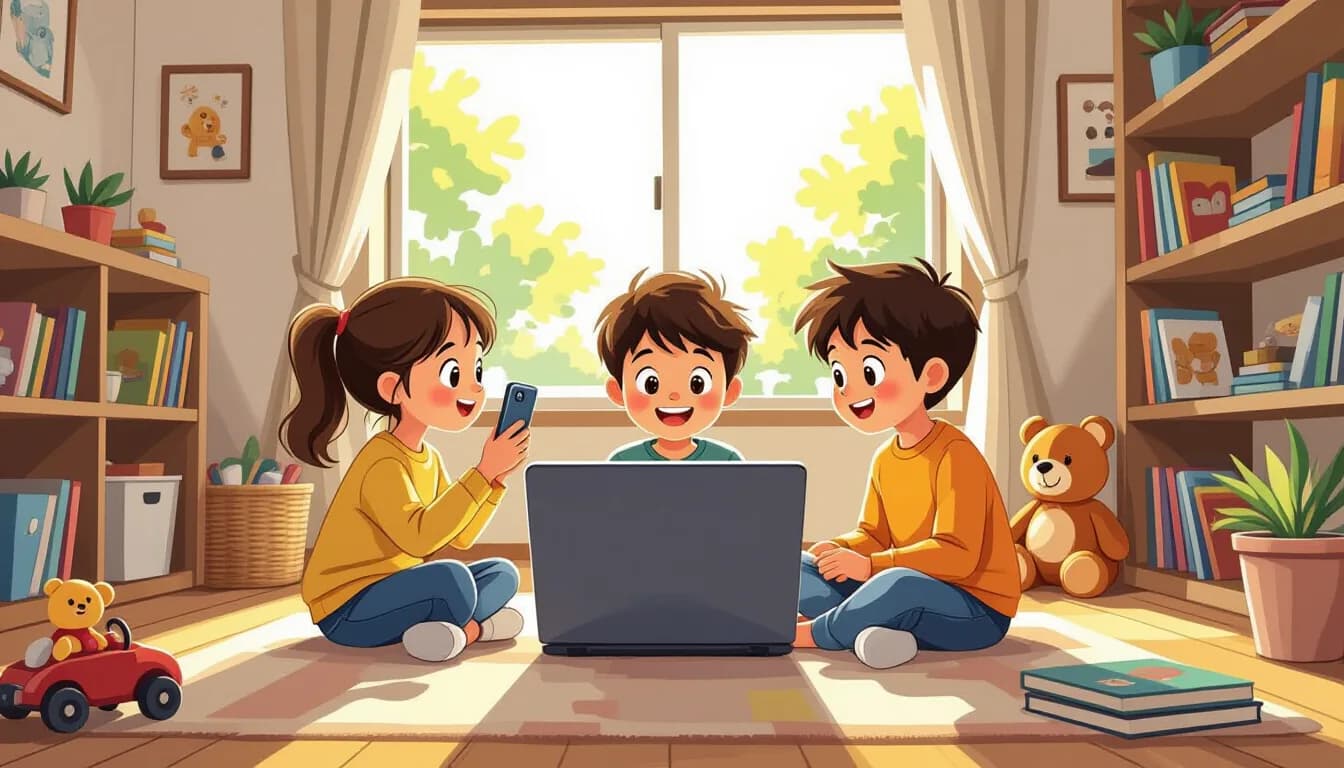
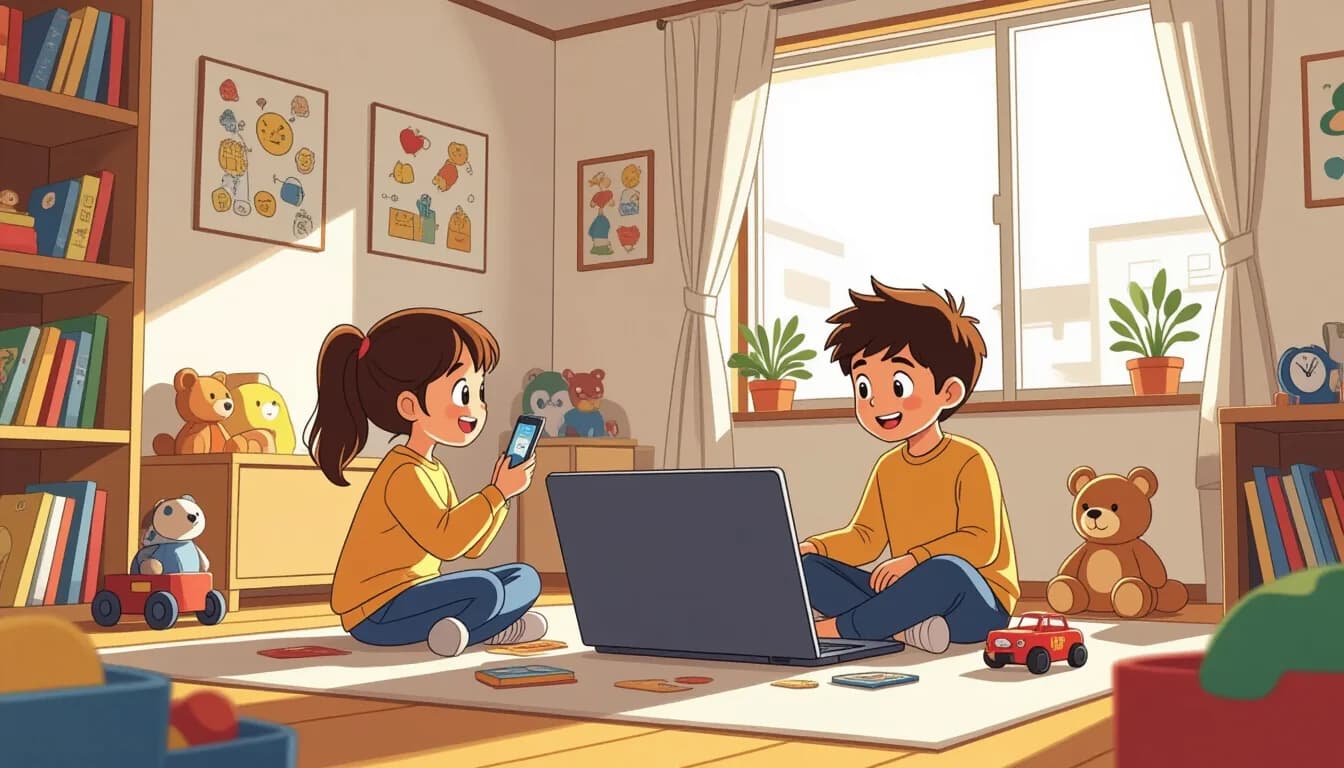
Video calls are the gold standard. FaceTime, WhatsApp video, and Zoom allow children to see each other's faces — crucial for emotional connection. For younger children, schedule regular "virtual playdates" where they watch a movie together simultaneously, play an online game, or work on the same creative project over video.
Messaging apps like WhatsApp, LINE (popular in Japan), and iMessage allow for casual, spontaneous contact throughout the day — sharing funny photos, reactions to school events, or just saying hello. This mimics the natural texture of in-person friendship.
Collaborative games such as Minecraft, Roblox, and Nintendo's online games allow children to share activities in real time regardless of location. For many children, this kind of side-by-side play is where friendship deepens most naturally.
Letters and postcards may seem old-fashioned, but children often treasure physical mail in a way digital messages cannot replicate. Encourage your child to send postcards of Japan — shrines, cherry blossoms, unusual food — and receive letters in return. This creates a ritual that both children look forward to.
The Memory Album Strategy
Before leaving your home country, create a memory album with your child. Collect photos, drawings, and written notes from close friends, teachers, and coaches. Include mementos from favorite places. This album serves as a tangible emotional anchor during the adjustment period — something your child can hold when the homesickness is acute.
For more guidance on emotional wellbeing during this transition, see our article on Mental Health and Emotional Wellbeing for Foreign Children in Japan.
Managing the First Visit Home
Expat child specialists generally recommend waiting at least six months before returning to your home country for a visit. Early returns can disrupt the emotional settling process — just as your child is beginning to feel comfortable in Japan, a visit reactivates the grief of leaving. This counterintuitively makes re-adjustment harder.
Once the initial settling period is complete, regular visits home are healthy and wonderful for maintaining relationships. Plan them as something to look forward to rather than a coping mechanism.
Building New Friendships in Japan
Maintaining old friendships is important, but so is helping your child build a thriving social life in Japan. The two are not in competition — in fact, children who feel socially confident in their new home are typically better at sustaining long-distance friendships too, because they are not emotionally desperate for connection.
Enroll in School Quickly
The single most effective step for helping your child form new friendships is enrolling them in school as early as possible after arrival. School provides daily contact with peers — the frequency that deep friendships require. Whether your child attends a local Japanese public school, an international school, or a combination, the structure of school creates natural opportunities for connection.
For information on your school options in Japan, see our comprehensive Guide to International Schools in Japan and our Elementary School in Japan Guide for Foreign Parents.
Extracurricular Activities
After school enrollment, extracurricular activities are the second most powerful tool for building friendships. Children bond fastest through shared interest and shared activity — a sports team, a music ensemble, an art class, or a volunteer group creates context for friendship to form naturally without the forced proximity of classroom seating.
Japan offers exceptional options: martial arts (karate, judo, kendo), music programs, swimming clubs, international community sports leagues, and more. Many international schools have extensive after-school programs. Local community centers also run affordable activity programs open to all residents.
Japan's Jidokan Community Centers
One resource uniquely available in Japan is the jidokan (児童館) — government-run community centers designed specifically for children and families. These free, welcoming spaces offer play areas, activities, and events where children of all backgrounds mix naturally. They are a fantastic, low-pressure environment for shy or introverted children to make gradual connections.
For parents, jidokan also serve as meeting points for local families — a way to build your own support network, which in turn benefits your children.
Expat Parent Communities
Japan has a rich and active expat parent community, particularly in major cities like Tokyo, Osaka, and Nagoya. Facebook groups, international school parent networks, and organizations like TELL (Tokyo English Life Line) connect families in similar situations. These communities are invaluable not just for practical advice but as a "Japan tribe" — people who understand exactly what your family is going through.
For more on navigating family life in Japan as a foreigner, Living in Nihon offers comprehensive guides on daily life, schooling, and community resources. For work-life balance and settling as a family, For Work in Japan covers the professional and family dimensions of expat life.
Supporting Children by Age Group
Different ages require different approaches. Here is a quick breakdown:
| Age Group | Friendship Challenges | Best Strategies |
|---|---|---|
| Under 6 | Missing playmates, unfamiliar play environment | Jidokan, playdates with children of parent's new friends, simple apps |
| 6–10 | Missing best friends, new school anxiety | Regular video calls, collaborative games, school clubs |
| 11–13 | Identity-based friendships, social hierarchy concerns | WhatsApp groups with old friends, extracurriculars, open conversations |
| 14–18 | Deep peer identity, possible resistance to moving | Social media, visits home, acknowledging the difficulty, teen-specific activities |
For teenagers especially, acknowledging the genuine difficulty of what they are experiencing matters more than problem-solving. Many expat parents find that teens who feel truly heard are more willing to engage in strategies for building new friendships.
If your older child is struggling significantly, resources for academic and psychological support for international students exist throughout Japan. Websites like Chuukou Benkyou focus on academic support pathways that may be relevant as your teen settles into the Japanese or international education system.
Warning Signs and When to Seek Help
While most children adjust within three to six months, some struggle significantly. Watch for these warning signs:
- Persistent refusal to go to school
- Significant changes in eating or sleeping habits
- Social withdrawal that worsens over time
- Expressed hopelessness or statements like "I have no friends and never will"
- Dramatic drop in academic performance
- Self-harm or expressions of suicidal thinking (seek help immediately)
Japan has several English-language mental health resources. TELL Japan offers counseling services in English, and most international schools have counselors on staff. Do not hesitate to seek professional support — catching difficulties early makes a significant difference.
For a broader overview of emotional and psychological support options, see our article on Mental Health and Emotional Wellbeing for Foreign Children in Japan.
Parental Attitude: The Most Powerful Tool
Research consistently shows that parental attitude toward a move is one of the strongest predictors of how well children adjust. When parents approach the relocation with openness, curiosity, and genuine confidence that connection is possible — while honestly acknowledging the sadness of leaving — children internalize that framework.
This does not mean pretending everything is fine. It means modeling resilience: "I miss our old neighborhood too. It makes me sad sometimes. And I'm also really excited about what we're building here."
Encourage your children to talk about what they miss. Name it with them. And then, together, take the practical steps — the video call schedules, the club sign-ups, the Japanese language lessons — that move toward connection.
Speaking of language: basic Japanese proficiency dramatically expands your child's social world. Starting lessons before you move gives them a head start. Our article on Teaching Japanese to Foreign Children: Methods and Resources is an excellent starting point.
Your Expat Community Starts Here
Moving to Japan with children is one of the richest experiences a family can have — and friendship, both maintained and newly formed, is at the heart of that richness. The strategies in this guide work because they are grounded in how children actually form and sustain bonds: through consistent contact, shared activity, and parental support.
For more practical guidance on relocation and raising children in Japan, explore resources from Detroit Mom's guide to maintaining friendships after moving and Expat Child's relocation tips for families. And for Japan-specific family life insights, be sure to explore Living in Nihon and For Work in Japan — two excellent English-language resources for expat families navigating life in Japan.
Your child's friendships — old and new — are not just nice to have. They are essential to their wellbeing, identity, and joy. With patience, practical tools, and your support, those connections will flourish across any distance.

Originally from Vietnam, living in Japan for 16+ years. Graduated from Nagoya University, with 11 years of professional experience at Japanese and international companies. Sharing practical information for foreign parents raising children in Japan.
View Profile →Related Articles

Repatriation Planning: Preparing to Leave Japan with Your Family
Complete guide to repatriation planning when leaving Japan with family. Covers tenshutsu todoke, pension withdrawal, school documents, shipping, tax obligations, and emotional preparation.
Read more →
Moving with Teenagers to Japan: Unique Challenges
A complete guide to moving with teenagers to Japan — covering school enrollment, language barriers, social integration, visa rules, and emotional wellbeing for expat families.
Read more →
Documentation and Paperwork for Moving with Children to Japan
Complete guide to all documents needed for moving to Japan with children: dependent visa, COE, birth certificates, post-arrival registration, health insurance, school enrollment, and My Number setup.
Read more →
Settling Into a New Neighborhood with Kids in Japan
A practical guide for expat families settling into a Japanese neighborhood with children — from neighbor introductions and chonaikai to jidokan, schools, and building a support network.
Read more →
Emotional Support for Children During Relocation
Moving to Japan with kids? Learn how to support your children emotionally during relocation — from pre-move preparation through adjustment, school choice, and mental health resources in Japan.
Read more →
School Transitions During International Moves
Moving to or from Japan with school-age children? Learn how to navigate Japan's April school calendar, choose between public and international schools, manage academic records, and support your child through the transition.
Read more →