
Best Methods to Teach Children Japanese as a Second Language

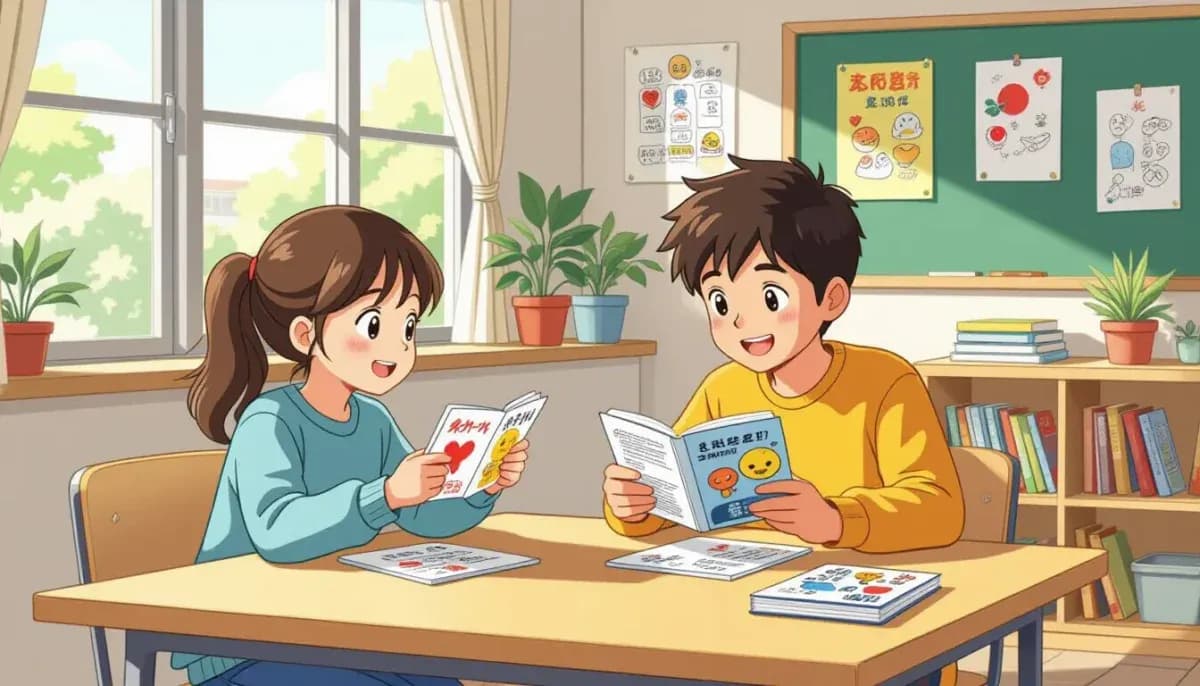
Discover the most effective methods to teach children Japanese as a second language in Japan. Play-based learning, anime immersion, hiragana foundations, and school integration strategies for expat families.
Best Methods to Teach Children Japanese as a Second Language
As a foreign parent raising children in Japan, one of the most important — and rewarding — challenges you'll face is helping your child learn Japanese. Whether your family has just arrived or has been living in Japan for years, giving your child a solid foundation in Japanese opens doors to friendships, academic success, and a genuine sense of belonging in their community.
The good news is that children are natural language learners. With the right methods, a supportive environment, and consistent effort, most children can achieve conversational fluency and even native-like proficiency in Japanese. This guide walks through the most effective, research-backed approaches for teaching children Japanese as a second language — specifically tailored for expat and foreign families living in Japan.
Why Starting Early Matters
Children's brains are uniquely wired for language acquisition, especially before age 10. During this "critical period," the brain absorbs new sounds, grammar patterns, and vocabulary with remarkable efficiency. Unlike adult learners who must consciously study grammar rules, young children pick up language through immersion, repetition, and play.
Research has shown that early exposure to a second language not only leads to higher proficiency but also supports cognitive development, including improved problem-solving and multitasking abilities. For foreign children living in Japan, this means that starting Japanese exposure early — even from infancy — gives them a significant advantage.
That said, it's never too late to start. Older children who receive structured input and real-life practice can still achieve strong Japanese proficiency.
Method 1: Immersive Play-Based Learning
The single most effective method for young children (ages 2–8) is learning Japanese through play. When language is embedded in fun activities, children absorb it naturally without the self-consciousness or frustration that formal study can bring.
Practical ways to use play-based learning:
- Games in Japanese: Play Simon Says (命令ゲーム), Pictionary, or card matching games using Japanese vocabulary cards
- Singing and rhymes: Japanese children's songs like Zou-san or Donguri Korokoro teach rhythm, pronunciation, and basic vocabulary simultaneously
- Storytime: Read Japanese picture books aloud together; use pictures to help your child understand context
- Role-play: Set up a "Japanese shop" or "Japanese restaurant" at home and encourage your child to use Japanese during play
The key principle is to make Japanese feel like entertainment, not homework. When children associate Japanese with joy and connection, they become intrinsically motivated to use it.
Method 2: Structured Daily Exposure
Consistency is more powerful than intensity. Short, daily Japanese practice sessions — even 15–20 minutes — are far more effective than occasional hour-long sessions. Creating predictable routines helps children internalize language without feeling overwhelmed.
Build Japanese into your daily routine:
- Morning greetings: Start every day with Ohayou gozaimasu (Good morning) and basic morning conversation in Japanese
- Meal times: Name foods, practice counting rice grains or pieces of fruit, discuss daily plans in Japanese
- Bedtime routines: Read a Japanese story, sing a Japanese lullaby, or talk about the day in simple Japanese phrases
- Walks and outings: Point out objects, shops, and animals using Japanese names; count stairs or steps out loud
| Daily Routine | Japanese Activity | Key Vocabulary |
|---|---|---|
| Morning | Greetings and daily schedule | 朝ごはん (breakfast), 学校 (school), 天気 (weather) |
| Lunch/Dinner | Food names, cooking | やさい (vegetables), おいしい (delicious), いただきます |
| Bath time | Body parts, colors | 手 (hand), 足 (foot), 赤 (red), 青 (blue) |
| Bedtime | Feelings, story recap | 楽しかった (it was fun), 眠い (sleepy), おやすみ |
| Weekends | Nature, animals, shopping | 犬 (dog), 花 (flower), いくら? (how much?) |
This routine-based approach builds vocabulary naturally in meaningful contexts.
Method 3: Hiragana and Katakana First
Before your child can read books, engage with apps, or progress in formal Japanese education, they need to master Japan's two phonetic scripts: hiragana and katakana. Together, these 92 characters form the foundation of all Japanese reading and writing.
Why prioritize these scripts:
- Hiragana represents native Japanese sounds and is used in most children's books and school materials
- Katakana is used for foreign loanwords — knowing it lets your child decode many English-origin words in Japanese (like テレビ for "television" or バナナ for "banana")
- Both scripts can be learned in 4–8 weeks with daily practice
Recommended approaches:
- Flashcard drills: Start with 5 new characters per day, reviewing previous ones
- Tracing worksheets: Writing reinforces memory more than reading alone
- Songs and mnemonics: Many YouTube channels teach hiragana through memorable songs
- Label your home: Stick hiragana labels on household items to create a print-rich environment
Once your child knows hiragana and katakana, kanji learning can begin gradually — schools introduce about 80 kanji in Grade 1, ramping up through elementary school.
Method 4: Anime, TV, and Japanese Media
Japanese media is one of the most powerful and enjoyable tools for language acquisition. Children who regularly watch Japanese-language anime, children's shows, and YouTube channels develop listening comprehension, vocabulary, and natural phrasing that textbooks alone cannot teach.
How to use Japanese media effectively:
- Start with familiar content: Let your child first watch a show they enjoy in English, then switch to the Japanese dub. Familiarity with the plot removes the pressure of total comprehension.
- Japanese audio + Japanese subtitles: As your child progresses, switch from English subtitles to Japanese (or no subtitles at all) to reinforce listening and reading simultaneously.
- The "3 words per episode" method: Ask your child to identify three new Japanese words or phrases per episode. After the show, look up the meaning together. This gradual, low-pressure approach builds vocabulary over time.
- Recommended shows for beginners: Shimajirou, Doraemon, Anpanman, Crayon Shin-chan, and Yo-Kai Watch are all excellent for children's Japanese exposure.
Be cautious about relying solely on gamified language apps. While apps can be useful supplements, research suggests they often build limited recognition vocabulary without developing real conversational ability or reading skills.
Method 5: Japanese School Integration
For foreign children enrolled in Japanese public schools, daycare, or kindergarten, school itself becomes the most intensive form of immersion. Japanese schools provide 6+ hours of daily Japanese exposure, social interaction with Japanese peers, and structured academic language instruction.
To maximize your child's success in the Japanese school system:
- Communicate with teachers early: Let teachers know your child is a Japanese language learner so they can provide additional support
- Encourage friendships with Japanese peers: Social language acquisition through play is highly effective
- Support homework in Japanese: Even if you don't speak Japanese yourself, showing interest and using dictionaries together sends a powerful message
- Attend school events: Undokai (sports day), Natsu Matsuri (summer festival), and other school events give your child real-world Japanese practice in a safe setting
The Japanese government officially incorporated Japanese as a Second Language (JSL) support into public school curricula in 2014, meaning many schools now have dedicated JSL resources for foreign students. Ask your local school about available support programs (取り出し指導 — withdrawal instruction sessions).
For more details on navigating Japanese schools as a foreign family, see our guide on Elementary School in Japan for Foreign Parents and Teaching Japanese to Foreign Children: Methods and Resources.
Method 6: Tutors, Language Classes, and Community Resources
Hiring a Japanese tutor or enrolling your child in a structured language class provides personalized instruction and regular practice with a native speaker. This is especially valuable for children who attend international schools and lack daily Japanese immersion.
Options to consider:
- Private Japanese tutors: Search for tutors specializing in children and JSL (Japanese as a Second Language). Rates in Japan typically range from ¥2,000–¥5,000 per hour.
- Kumon (公文): Japan's famous self-paced learning program includes Japanese language and reading tracks designed for all ages
- Japanese Saturday schools: Many communities run weekend Japanese classes for heritage learners and second-language learners
- University student tutors: Many Japanese university students seek language exchange opportunities and can tutor at lower cost
- Community centers (公民館): Some community centers offer free or subsidized Japanese classes for foreign residents
For teenagers and older children, the Genki textbook series provides a structured, comprehensive foundation in Japanese grammar, vocabulary, reading, and writing. It's widely used in university courses but works well for motivated older teens.
For a broader look at efficient study methods, Living in Nihon's Japanese language learning roadmap offers a structured overview of how to approach Japanese at different levels.
Method 7: Bilingual Balance and Heritage Language Support
One concern many foreign parents have is that as their child masters Japanese, they may lose proficiency in the family's native language. This is a real phenomenon known as "language shift" or "heritage language attrition."
The solution is intentional bilingual support:
- One Parent, One Language (OPOL): Each parent consistently speaks their native language with the child, while Japanese comes from school and community
- Heritage language reading: Continue reading books, watching shows, and discussing topics in your home language even as Japanese grows stronger
- Visits to home country: Regular exposure to the heritage language community reinforces identity and motivation
- Don't panic about temporary regression: Children may mix languages (code-switching) during intense language acquisition phases — this is normal and temporary
Being bilingual or multilingual is a significant cognitive and career advantage. The goal is additive bilingualism — gaining Japanese without losing the home language.
For strategies on maintaining your family's language at home, see our article on Heritage Language Maintenance for Children in Japan and Raising Bilingual Children in Japan.
Recommended Resources Summary
| Resource Type | Examples | Best For |
|---|---|---|
| Children's books | はじめてのおつかい, ノンタン series | Ages 2–7 |
| Apps (supplement only) | NHK World Japanese, Kakitori-kun | Kana practice |
| Textbooks | Genki, Japanese From Zero | Ages 12+ |
| TV/Anime | Anpanman, Doraemon, Shimajirou | All ages |
| Tutoring | Kumon, private JSL tutors | All ages |
| Community | Municipal Japanese classes, JLPT prep | Ages 10+ |
For additional research-backed methods for supporting your child's language development, For Work in Japan's guide to effective Japanese study methods provides useful context on study approaches for Japan-based learners. The Chuukou Benkyou Japanese exam strategy guide is helpful if your child is preparing for Japanese school entrance exams.
For more practical tips from other expat families, the Coto Academy's guide to teaching Japanese to kids and Dinolingo's methodology overview offer parent-friendly breakdowns of different learning approaches.
Final Thoughts
Teaching your child Japanese is one of the most meaningful investments you can make during your time in Japan. The methods that work best combine immersion, consistency, and joy — not pressure, rote memorization, or forced study sessions.
Start with what works for your child's age and personality. A toddler thrives on songs and picture books. A school-age child benefits from school immersion, anime, and play. A teenager can handle structured textbook study alongside cultural immersion.
Most importantly, celebrate progress at every step. Every new word, every hiragana mastered, and every conversation attempted is a victory worth acknowledging. With patience and the right approach, your child can become genuinely fluent in Japanese — and that fluency will open a world of opportunities for their future in Japan and beyond.
For a broader overview of Japanese education options available to your family, see our Complete Guide to the Japanese Education System for Foreign Families.

Originally from Vietnam, living in Japan for 16+ years. Graduated from Nagoya University, with 11 years of professional experience at Japanese and international companies. Sharing practical information for foreign parents raising children in Japan.
View Profile →Related Articles
Summer Immersion Programs for Japanese Language Learning
Discover the best summer immersion programs for Japanese language learning for children and teens. From in-Japan schools to US-based camps, find the right program with costs, age requirements, and tips for expat families.
Read more →
Overcoming Japanese Language Barriers in School
A complete guide for foreign families on overcoming Japanese language barriers in school. Learn practical strategies, support resources, and what to expect for your child in Japan's education system.
Read more →
How Long Does It Take Kids to Become Fluent in Japanese?
Wondering how long it takes expat children to become fluent in Japanese? This guide covers realistic timelines by age group, immersion strategies, and tips to help your child thrive in Japan.
Read more →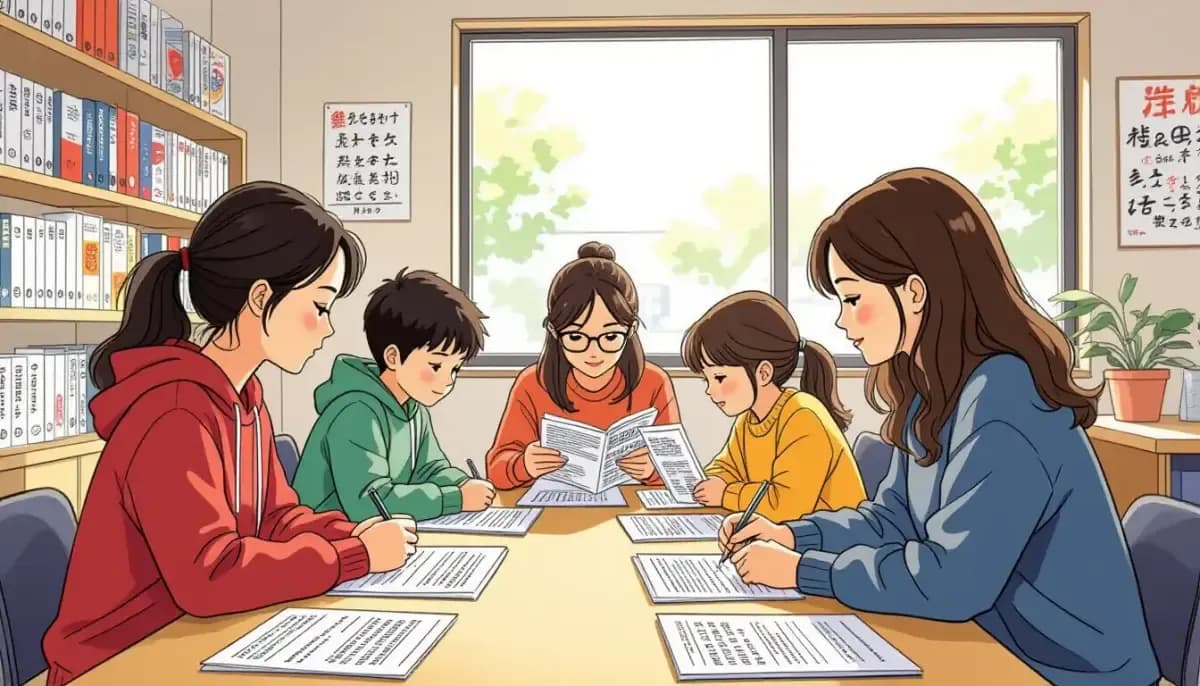
Kumon and Learning Programs for Japanese Language
Explore Kumon's Japanese Language Program and other top learning options for foreigners in Japan. Costs, enrollment tips, and how to choose the right program for your child or yourself.
Read more →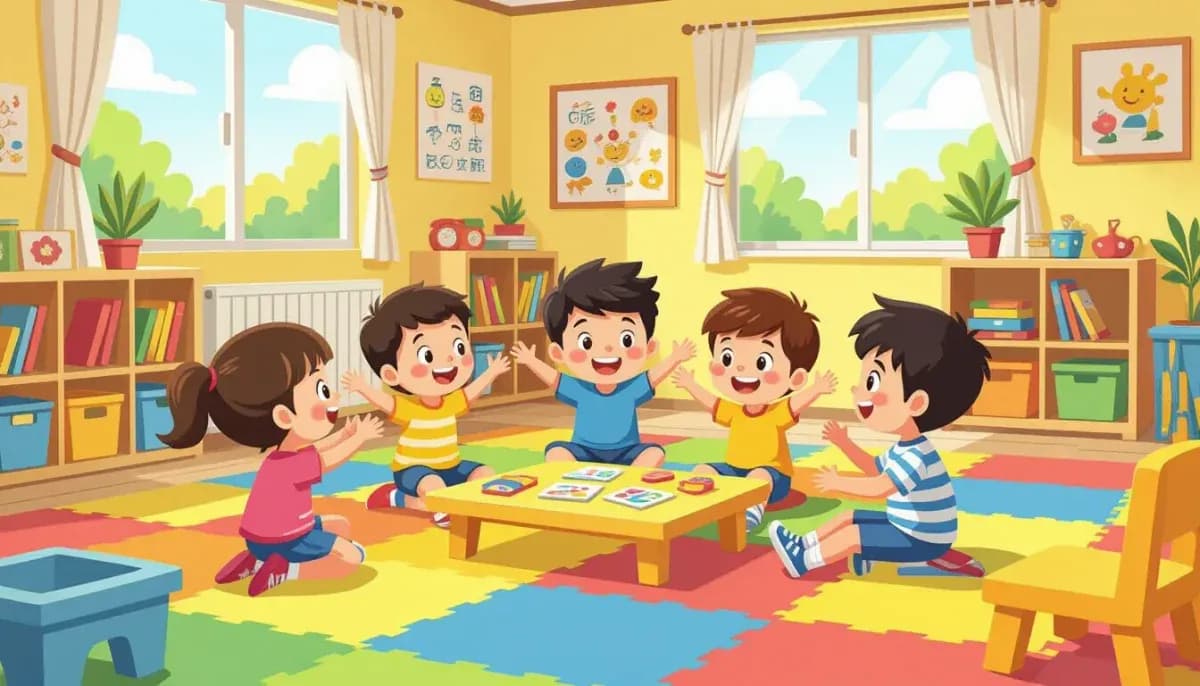
Japanese Language Playgroups and Immersion Activities
A complete guide to Japanese language playgroups and immersion activities for foreign children in Japan. Find the best programs, strategies, and tips for raising bilingual kids.
Read more →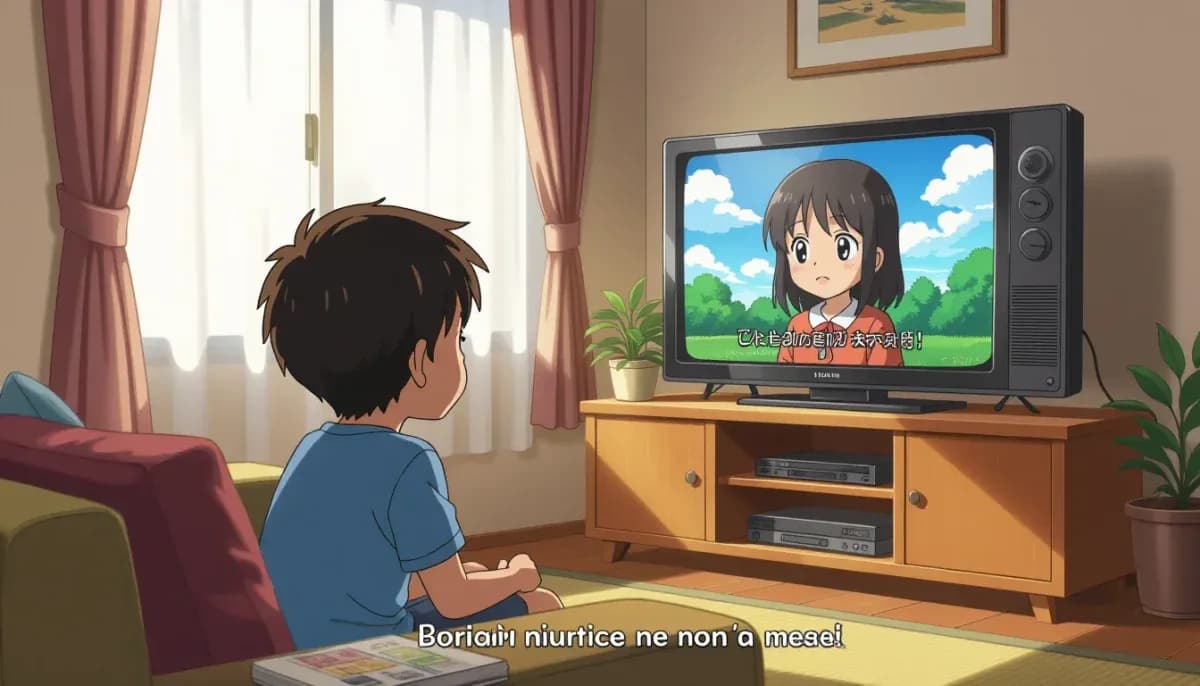
Using Anime and TV Shows to Help Kids Learn Japanese
A complete guide for foreign parents in Japan on using anime and children's TV shows to build kids' Japanese skills. Includes recommended shows by age, subtitle strategies, and practical daily habits that actually work.
Read more →