
Overcoming Japanese Language Barriers in School

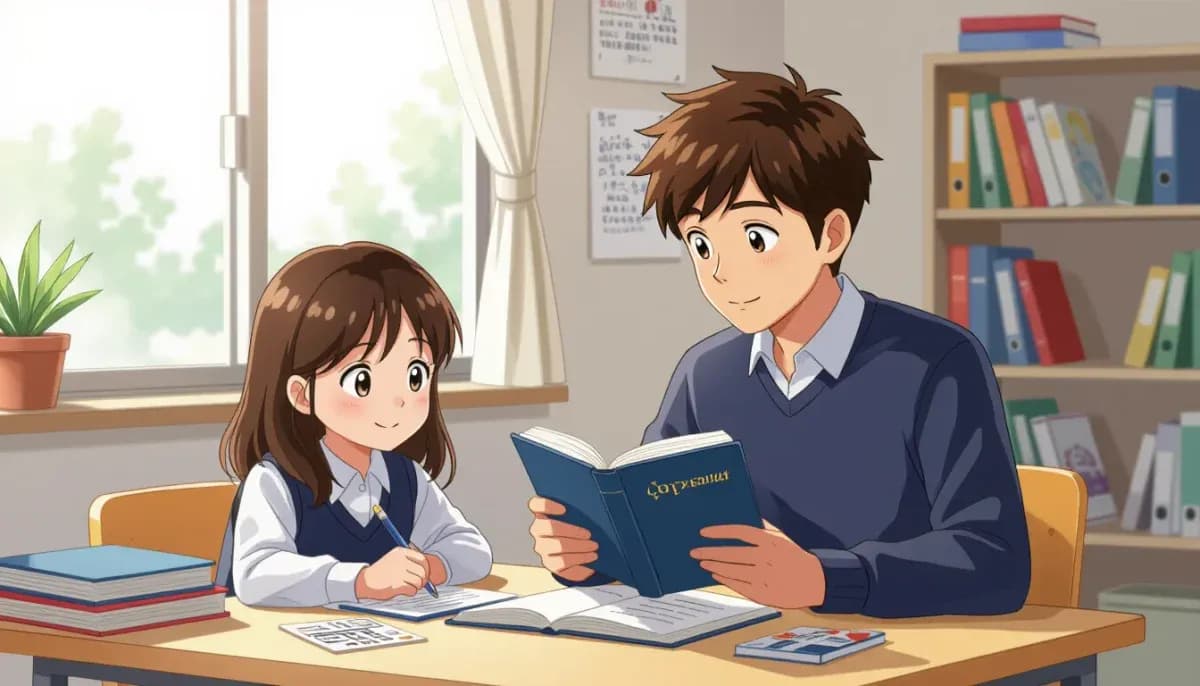
A complete guide for foreign families on overcoming Japanese language barriers in school. Learn practical strategies, support resources, and what to expect for your child in Japan's education system.
Overcoming Japanese Language Barriers in School: A Complete Guide for Foreign Families
Moving to Japan with children is an exciting adventure, but one of the most pressing challenges families face is the language barrier in schools. Japanese public schools conduct nearly all instruction in Japanese, and for children who arrive with little or no Japanese ability, this can be an overwhelming experience. The good news is that with the right strategies, support systems, and mindset, foreign children can not only survive but truly thrive in Japanese schools.
This comprehensive guide covers everything you need to know about the Japanese language challenges your child may face — and the practical steps you can take to help them overcome those barriers successfully.
Understanding the Scale of the Challenge
Japan's foreign population is growing rapidly. By the end of 2024, 3.77 million foreign nationals were living in Japan — an increase of 358,000 in a single year. With more families settling long-term, the number of foreign children in public schools is at an all-time high.
According to Ministry of Education (MEXT) data, 129,000 foreign children were enrolled in public elementary and junior high schools in fiscal 2024, a 9% increase year-over-year. Of these, approximately 70,000 students require Japanese as a Foreign Language (JFL) instruction — double the figure from a decade ago.
Despite this growth, the educational infrastructure has struggled to keep up:
- 30% of public schools (9,241 schools) have students who need JFL support
- Yet 70% of those schools have four or fewer foreign students, making it hard to allocate dedicated language teachers
- An estimated 20,000 foreign children are either not enrolled or have unconfirmed enrollment status
These numbers highlight why proactive preparation and awareness matter so much for foreign families.
For a broader overview of education options available to your family in Japan, see our guide: The Complete Guide to the Japanese Education System for Foreign Families.
Why Language Barriers Go Deeper Than You Think
Many parents assume that once their child can hold a basic conversation in Japanese, the hardest part is over. In reality, conversational fluency is very different from academic language proficiency.
A child who can chat with classmates may still struggle to follow a mathematics lesson that uses words like "perpendicular," "denominator," or "hypothesis" — all of which require a sophisticated academic vocabulary that takes years to develop.
Linguists distinguish between two types of language competence:
- BICS (Basic Interpersonal Communication Skills): Conversational, social language. Children typically acquire this within 1–2 years.
- CALP (Cognitive Academic Language Proficiency): The academic language needed to succeed in school. This can take 5–7 years to fully develop in a second language.
This gap explains why many foreign children appear to be "doing fine" in social settings but are quietly falling behind academically. Understanding this distinction is the first step to providing the right support.
What Support Is Available in Japanese Public Schools
The Japanese government has made efforts to expand language support for foreign students, though availability varies significantly by region.
Government Programs
From fiscal year 2024, MEXT introduced a 20-day school readiness program for newly arriving foreign children. Before starting regular school, eligible students receive intensive instruction covering:
- Basic Japanese greetings and classroom expressions
- School rules and routines
- Health reporting vocabulary (useful for nurse visits, illness communication)
This program is a step forward, but 20 days only scratches the surface for children starting from zero Japanese ability.
In-School Japanese Language Instruction (取り出し授業)
Most public schools with foreign students offer "pull-out" lessons (toridashi jugyou), where children are temporarily removed from the regular classroom to receive one-on-one or small-group Japanese instruction. The frequency and quality of these sessions vary widely.
Interpreter and Liaison Support
Some municipalities provide school liaison staff who speak the child's native language. These liaisons help with:
- Parent-teacher communication
- Translation of school notices
- Explaining Japanese school customs to foreign families
For details on what to expect at the elementary level, see: Elementary School in Japan: A Complete Guide for Foreign Parents.
Practical Strategies for Parents
As a parent, you play a crucial role in supporting your child's language development. Here are actionable strategies that work:
1. Start Japanese Before Enrollment
If possible, begin Japanese lessons before your child starts school. Even 3–6 months of basic instruction can dramatically reduce the initial shock. Focus on:
- Numbers, colors, greetings
- School-specific vocabulary (先生 sensei, 教室 kyōshitsu, 給食 kyūshoku)
- Hiragana reading basics
2. Use Japanese Picture Dictionaries
Japanese picture dictionaries designed for children are an invaluable tool. Titles like Kodomo no Gakushu Kanji Jiten pair visuals with vocabulary and help bridge the gap between spoken and written Japanese.
3. Leverage NHK for School (NHKスクール)
NHK provides free educational videos online aligned to the Japanese school curriculum. Watching these alongside your child helps reinforce classroom vocabulary in a natural, engaging way.
4. Hire a Japanese Tutor
One-on-one tutoring with a native Japanese speaker can make a transformative difference. Look for tutors experienced in working with foreign children or those who specialize in JSL (Japanese as a Second Language) pedagogy, not just standard Japanese lessons.
5. Stay in Close Contact With the School
Request regular meetings with your child's homeroom teacher (tantou no sensei). Ask specifically:
- What vocabulary is being taught this week?
- Are there any upcoming assessments?
- Is my child eligible for pull-out language support?
For guidance on navigating Japanese middle school specifically, see: Junior High School in Japan: Guide for Foreign Families.
Comparison: Language Support Resources
| Resource | Cost | Access Level | Best For |
|---|---|---|---|
| School pull-out lessons | Free | Available at most public schools | Initial Japanese instruction |
| MEXT school readiness program | Free | New arrivals (fiscal 2024+) | Pre-enrollment basics |
| Municipal interpreter support | Free | Varies by city/ward | Parent communication |
| Private Japanese tutors | ¥3,000–8,000/hour | Widely available | Accelerated academic catch-up |
| NHK for School videos | Free | Online anytime | Curriculum-aligned vocabulary |
| NPO volunteer programs | Free/low-cost | Urban areas mainly | Homework help and mentoring |
| Japanese picture dictionaries | ¥1,500–3,000 | Bookstores, Amazon Japan | Self-study at home |
NPO and Community Support Networks
Japan has a growing network of NPOs dedicated to supporting foreign children in education. These organizations fill critical gaps where schools fall short.
YSC Global School (Tokyo) specializes in teaching "Japanese for learning" — the academic vocabulary children need across subjects, not just conversational phrases.
NPO ABC Japan provides access-to-education support, including enrollment assistance and language tutoring for children who might otherwise fall through the cracks.
Volunteer Japanese tutors are active in many communities. Local international associations (kokusai kōryū kyōkai) often maintain lists of volunteers who can assist with homework or Japanese practice.
For a deeper look at language learning methods that work for children, see: Teaching Japanese to Foreign Children: Methods and Best Practices.
The Academic Consequences of Unaddressed Language Barriers
The stakes of leaving language barriers unaddressed are high. MEXT data reveals stark disparities in educational outcomes for students who need Japanese language support:
- Dropout rate: 8.5% among high school students needing JFL assistance, versus 1.1% for all students
- Higher education enrollment: Only 46.6% of students needing Japanese support went on to higher education (vs. the national average of ~83%)
- Employment quality: 38.6% of those who entered the workforce directly took non-regular (part-time/contract) jobs
These outcomes underscore why early, sustained intervention is essential — and why simply "hoping children will pick it up" is not a strategy.
For more on supporting your child's emotional wellbeing alongside academics, see: Mental Health and Emotional Wellbeing for Foreign Children in Japan.
Bilingualism as an Asset
While language barriers present real challenges, it's important to reframe the narrative: your child's multilingualism is a lifelong asset, not a deficit.
Research consistently shows that bilingual children develop stronger:
- Executive function (task-switching, attention)
- Metalinguistic awareness (understanding how language works)
- Cultural empathy and flexibility
Many families find that maintaining the heritage language at home while supporting Japanese acquisition at school leads to the best outcomes. This means speaking your native language freely at home, reading books together in your home language, and celebrating both cultural identities.
For detailed guidance on maintaining your home language while your child learns Japanese, see: Heritage Language Maintenance for Children in Japan and Raising Bilingual Children in Japan: Strategies and Tips.
Additional Resources and External Guides
For families navigating these challenges, several external resources offer excellent guidance:
- Nippon.com: Foreign Children Being Left Behind in Education — an in-depth look at the systemic issues affecting foreign children in Japan's schools
- NPO Support Organizations for Foreign Children — profiles of NPOs actively supporting language education
- How Foreign Students Can Attend Public School in Japan — a practical enrollment guide with updated 2025 information
For a comprehensive guide to raising children in Japan as a foreign family, Living in Nihon's complete parenting and education guide covers everything from enrollment to extracurricular activities.
If you're also navigating work life in Japan while supporting your children's education, For Work in Japan's family life guide offers practical advice for working expat parents.
For families whose children are approaching Japanese middle school and high school entrance exams, Chuukou Benkyou's high school entrance exam guide provides detailed information on exam requirements and preparation.
Quick Reference: Key Japanese School Vocabulary
Before you even start, learning these essential terms will help both you and your child navigate the school environment:
| Japanese | Romaji | Meaning |
|---|---|---|
| 先生 | Sensei | Teacher |
| 教室 | Kyōshitsu | Classroom |
| 給食 | Kyūshoku | School lunch |
| 宿題 | Shukudai | Homework |
| 連絡帳 | Renrakuchō | Home-school communication notebook |
| 時間割 | Jikanwari | Class schedule/timetable |
| 取り出し授業 | Toridashi jugyou | Pull-out language lesson |
| 担任 | Tannin | Homeroom teacher |
Conclusion
Overcoming Japanese language barriers in school is a journey, not a destination. It requires patience, consistency, and a team approach — involving parents, teachers, tutors, and the child themselves.
The challenges are real: Japan's educational system is demanding, and the linguistic gap can feel enormous. But with 129,000 foreign children currently navigating Japanese public schools, you are far from alone. Communities, NPOs, and government programs are growing to meet this need.
Start early, stay engaged, and celebrate every milestone — from the first kanji learned to the first full conversation with a Japanese classmate. Your child's ability to bridge two languages and two cultures is a remarkable strength that will serve them for life.
For the full picture on all aspects of your child's education in Japan, explore our complete Japanese Education System Guide for Foreign Families and check out our section on International Schools in Japan if you're still weighing your options.

Originally from Vietnam, living in Japan for 16+ years. Graduated from Nagoya University, with 11 years of professional experience at Japanese and international companies. Sharing practical information for foreign parents raising children in Japan.
View Profile →Related Articles
Summer Immersion Programs for Japanese Language Learning
Discover the best summer immersion programs for Japanese language learning for children and teens. From in-Japan schools to US-based camps, find the right program with costs, age requirements, and tips for expat families.
Read more →
How Long Does It Take Kids to Become Fluent in Japanese?
Wondering how long it takes expat children to become fluent in Japanese? This guide covers realistic timelines by age group, immersion strategies, and tips to help your child thrive in Japan.
Read more →
Kumon and Learning Programs for Japanese Language
Explore Kumon's Japanese Language Program and other top learning options for foreigners in Japan. Costs, enrollment tips, and how to choose the right program for your child or yourself.
Read more →
Japanese Language Playgroups and Immersion Activities
A complete guide to Japanese language playgroups and immersion activities for foreign children in Japan. Find the best programs, strategies, and tips for raising bilingual kids.
Read more →
Using Anime and TV Shows to Help Kids Learn Japanese
A complete guide for foreign parents in Japan on using anime and children's TV shows to build kids' Japanese skills. Includes recommended shows by age, subtitle strategies, and practical daily habits that actually work.
Read more →
Best Japanese Children's Books for Language Learning
Discover the best Japanese children's books for language learning. From classic ehon like Guri and Gura to intermediate reads like Kaiketsu Zorori — a complete guide for foreign families in Japan.
Read more →