
Summer Immersion Programs for Japanese Language Learning

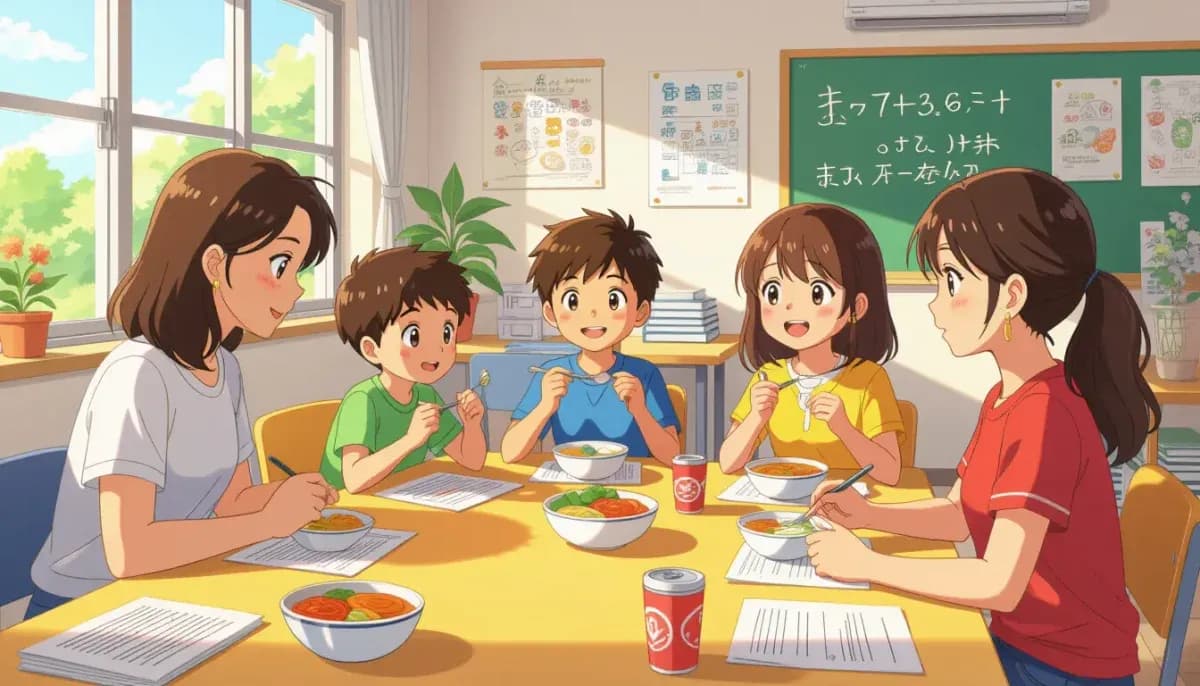
Discover the best summer immersion programs for Japanese language learning for children and teens. From in-Japan schools to US-based camps, find the right program with costs, age requirements, and tips for expat families.
Summer Immersion Programs for Japanese Language Learning: The Complete Guide
If your child is growing up in Japan or you want to give them a powerful boost in Japanese language skills, summer immersion programs are one of the most effective options available. Whether you're an expat parent looking for a structured program inside Japan or seeking an international option that brings authentic language immersion to your child, there are more choices than ever. This guide covers everything you need to know about summer immersion programs for Japanese language learning — from in-Japan programs to overseas camps, what to expect, how to choose the right fit, and what the research says about their effectiveness.
Why Summer Immersion Programs Work: The Science Behind the Results
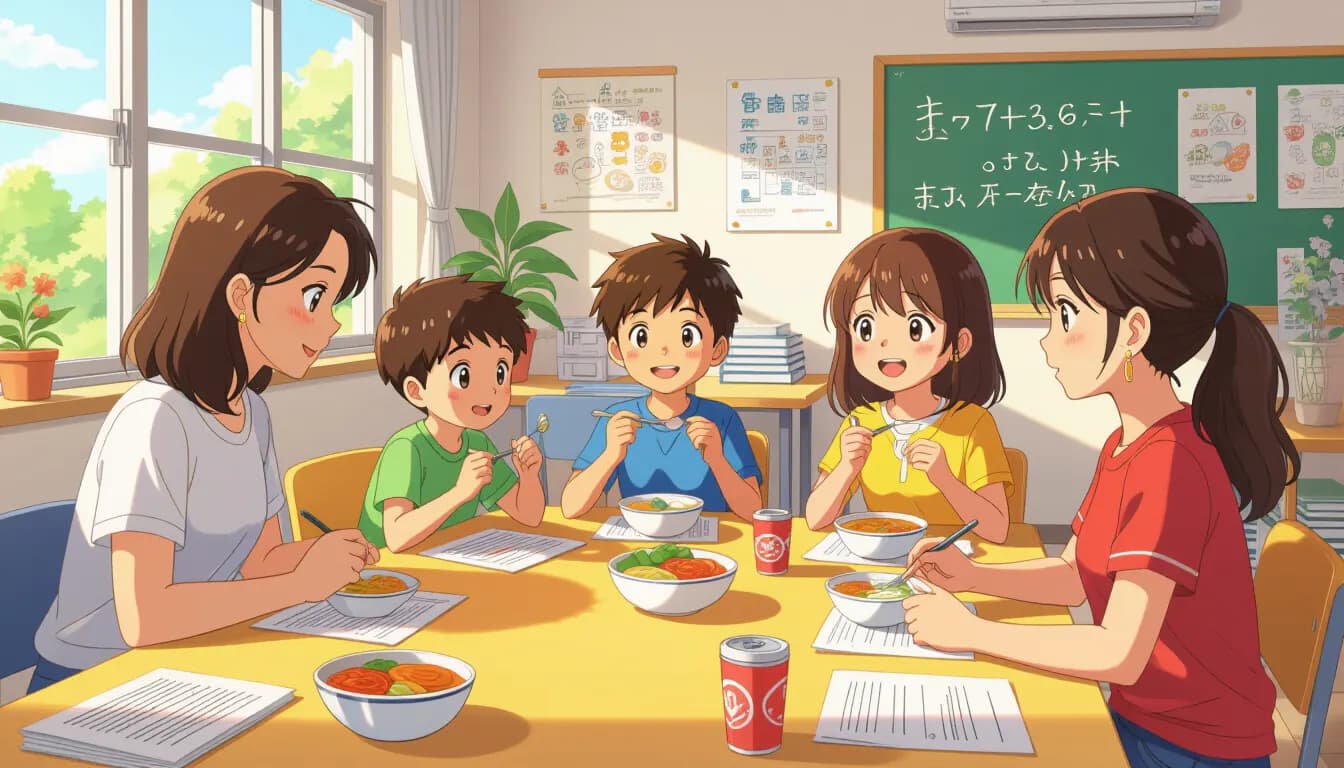
Language immersion is widely recognized as one of the fastest and most effective methods for language acquisition, especially for children. Unlike traditional classroom instruction, immersion programs surround learners with the target language across every part of their day — meals, activities, friendships, and lessons.
Research consistently backs this up. Studies show that 4 weeks of full language immersion can be equivalent to a full year of conventional college-level language instruction. At programs like KCP International in Tokyo, students complete over 160 hours of Japanese in a single summer — achieving what would normally take an entire academic year in a standard course.
According to the American Council on the Teaching of Foreign Languages (ACTFL), immersion students don't just gain language skills — they also develop deeper cultural understanding, intercultural communication competency, and cognitive flexibility. Studies cited by the National Education Association (NEA) show that dual language immersion students not only catch up to their peers but actually surpass English-only students in academic performance over time.
For children already living in Japan, summer immersion programs provide a structured, focused period to accelerate language learning and build confidence before the next school year begins. For children overseas, they offer an authentic taste of Japan that no classroom can replicate.
| Program Type | Duration | Best For | Learning Pace |
|---|---|---|---|
| In-Japan Language School | 2–12 weeks | Teens & adults | Intensive (160+ hrs) |
| US-Based Language Village | 1–4 weeks | Ages 8–18 | Moderate to intensive |
| Homestay Immersion Program | 2–8 weeks | All ages | Full daily immersion |
| Cultural Camp in Japan | 1–3 weeks | Children & teens | Moderate |
| University Summer Program | 6–10 weeks | Older teens/adults | Academic year equivalent |
Top In-Japan Summer Immersion Programs
Japan itself hosts some of the world's most respected Japanese language immersion programs. These are particularly valuable for expat families already living in Japan who want structured summer learning, or for families visiting Japan specifically for language study.
ISI Japanese Language School
ISI offers summer programs in Tokyo, Osaka, and Kyoto with flexible 2-week and 4-week formats. Their special combined Tokyo-Osaka plan lets students experience two major cities while studying. ISI also offers a JLPT intensive training track for students preparing for Japan's official proficiency exam. Students must be at least 15 years old, making this a strong option for older teens and young adults.
JaLS Group (Japan Language School)
JaLS Group operates language schools across multiple regions — Hokkaido, Nagoya, Kyoto, and Fukuoka — giving students the chance to experience Japan's regional diversity. Their programs attract students from over 30 different countries, creating a truly international learning environment. This multicultural classroom setting helps students practice communicating in Japanese with peers from around the world, not just with native Japanese speakers.
GenkiJACS
GenkiJACS has earned an excellent reputation among expat families and international students for its friendly, communicative teaching style. With locations in Tokyo, Nagoya, Kyoto, and Fukuoka, they offer beginner-friendly programs that emphasize practical conversational Japanese. Their smaller class sizes allow for more personalized instruction.
Akamonkai Japanese Language School
Located in Tokyo, Akamonkai is one of Japan's most internationally recognized language schools, with students from over 80 countries enrolled each year. Their summer programs combine formal instruction with cultural activities, making them ideal for students who want both language proficiency and cultural immersion.
For expat families navigating life in Japan, it's worth also checking the resources at Living in Nihon for advice on settling into Japanese language and culture, and For Work in Japan for guidance on adult Japanese language resources connected to professional life.
Overseas Japanese Language Immersion Programs
Not every family can travel to Japan for a summer program, but excellent immersion options exist outside Japan as well — particularly in the United States.
Concordia Language Villages — Mori no Ike
One of the most celebrated Japanese immersion experiences in the US is Mori no Ike (Forest Lake), part of the renowned Concordia Language Villages network in Minnesota. This program accepts children from ages 8 to 18, with programs ranging from one week to four weeks.
Key program details:
- One week: $1,425 (ages 8–18)
- Two weeks: Available for ages 10–15 or 13–18 depending on session
- Four weeks (high school credit, fully accredited): $5,910 (grades 8–12)
- Need-based scholarships available through the Passport Fund
- Minnesota residents may qualify for a $1,000 state stipend
The daily experience at Mori no Ike is fully immersive — students eat authentic Japanese meals (udon, soba, tempura, rice), participate in taiko drumming, shodo calligraphy, martial arts, and tea ceremony, and use Japanese throughout every activity. High school credit sessions are accredited by Cognia and can count as a semester or full year of language credit.
For parents of children who are also navigating Japanese curriculum standards, Chuukou Benkyou offers useful resources for middle and high school-level Japanese academic study.
Greenheart Travel — Language Camp in Japan (Teen Program)
Greenheart Travel offers structured language camps in Fukuoka and Kyoto that welcome teen students of all levels, including complete beginners. Their programs combine classroom instruction with host family homestays and cultural excursions. Research indicates that students in homestay immersion programs progress significantly faster than those in dormitory-only programs because they are forced to use the language in natural, daily-life situations.
How to Choose the Right Summer Immersion Program
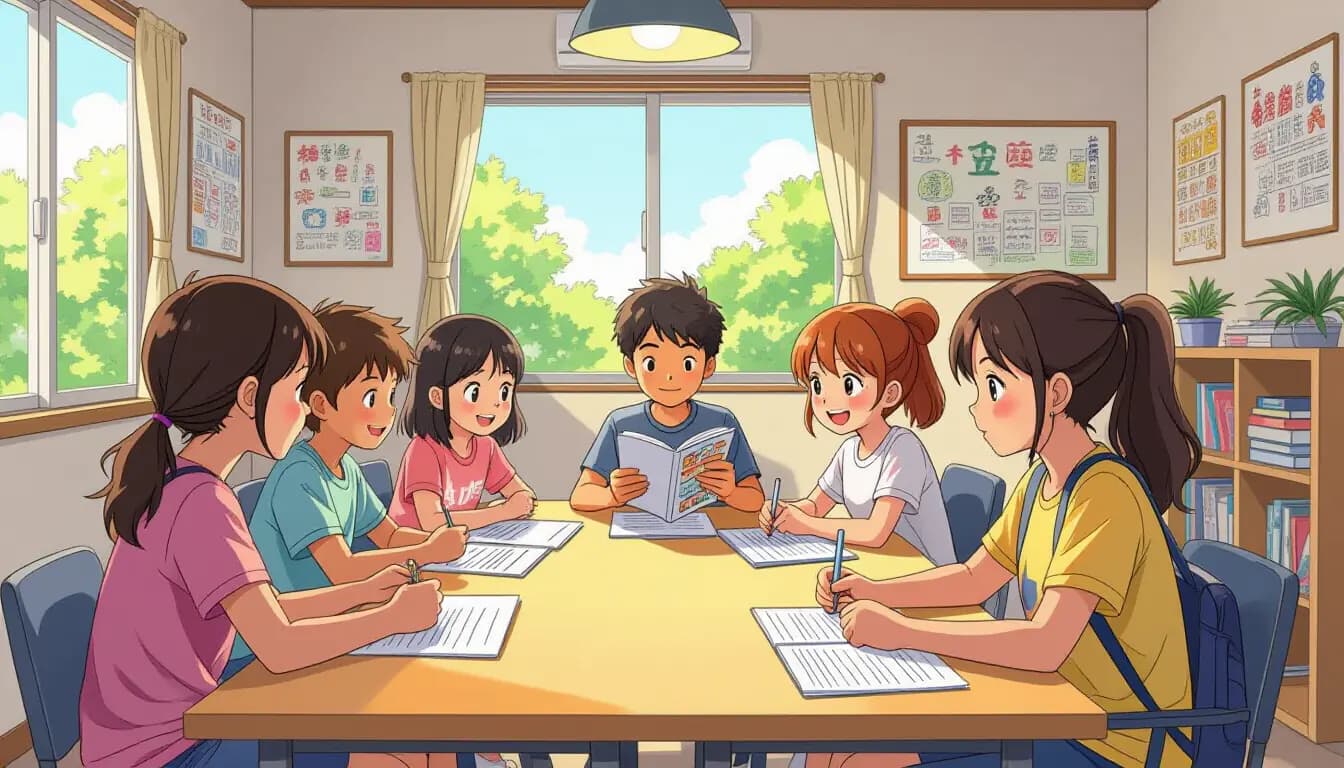
Selecting the best program depends on your child's age, current language level, budget, and goals. Here are the key factors to consider:
Age and Language Level
Most in-Japan programs (ISI, JaLS, GenkiJACS) are designed for teens aged 15 and older. For younger children (ages 8–14), US-based programs like Concordia Language Villages or shorter cultural camps in Japan are better suited. Beginners are welcome in most programs — in fact, many camps are specifically designed for students with zero prior Japanese knowledge.
Duration and Intensity
Shorter programs (1–2 weeks) are ideal for introducing children to Japanese culture and language in a low-pressure environment. Longer programs (4–8 weeks) are where the real transformation happens — research shows that extended immersion dramatically accelerates fluency development. If the goal is genuine language proficiency, aim for at least 4 weeks.
In-Japan vs. Overseas
For children already living in Japan, in-country programs offer the advantage of authentic daily immersion in Japanese society. For overseas families, Japan-based programs provide unparalleled cultural authenticity, while overseas programs (like Concordia) offer a safer, more supervised environment for younger children.
Accreditation and Academic Credit
If your child needs language credits for school, look for programs with formal accreditation. Concordia Language Villages' four-week program is Cognia-accredited. KCP International's summer program can earn academic credit. Always check with your child's school before enrolling to confirm transfer credit policies.
Cost and Scholarships
Costs range widely — from $1,425 for a one-week US camp to $5,000+ for multi-week programs in Japan (tuition only, excluding flights and accommodation). Always ask about scholarship programs: Concordia offers need-based aid, and many Japan-based schools partner with organizations that provide partial scholarships for international students.
Preparing Your Child for a Summer Immersion Program
Even for beginner programs, a little preparation goes a long way in helping your child get the most out of their summer experience.
Before the program:
- Learn hiragana and katakana (the two basic phonetic alphabets) — most programs assume some familiarity
- Practice basic self-introduction phrases (名前は〜です, よろしくお願いします)
- Watch Japanese children's TV shows or anime with Japanese subtitles for ear training
- Use apps like Duolingo, Anki, or WaniKani to build a basic vocabulary foundation
During the program:
- Encourage your child to speak Japanese even when it's uncomfortable — mistakes are part of the learning process
- Avoid relying on English with other international students
- Keep a daily journal in Japanese (even just a few sentences)
- Participate fully in cultural activities — these create emotional connections to the language that aid memory
After the program:
- Continue with a Japanese tutor or language class to maintain momentum
- Find a Japanese language exchange partner or pen pal
- Connect with the local Japanese community through cultural events
For more strategies on raising children with strong Japanese skills in an expat household, read our guide on Raising Bilingual Children in Japan. For a broader overview of Japanese education methods, see our Teaching Japanese to Foreign Children: Methods and Resources guide.
The Long-Term Impact: What Immersion Graduates Say
The evidence from immersion program alumni is consistently positive. A Harvard student who completed summer immersion in Kyoto reported going from learning basic sentences to reading complex Japanese texts — opinion articles, film critiques, and literary short stories — within slightly over a year of returning home.
This rapid progress reflects a key truth about language immersion: it doesn't just build vocabulary or grammar. It rewires how the brain processes and produces language. Students who complete immersion programs consistently report:
- Greater confidence speaking Japanese in real-world situations
- Better understanding of Japanese cultural context and social norms
- Stronger long-term retention compared to classroom-only learners
- A personal connection to Japan that motivates continued learning
For expat families, these benefits compound with the daily Japanese environment your child already lives in. A summer immersion program provides the structured boost that can transform a child who "understands some Japanese" into one who actively participates in Japanese classroom and social life.
More resources for expat families navigating Japanese education:
- The Complete Guide to Elementary School in Japan for Foreign Parents
- After-School Activities, Juku, and Extracurriculars in Japan
- Heritage Language Maintenance for Children in Japan
For a comprehensive directory of Japanese immersion programs, visit Abroadin's Top 10 Japanese Immersion Programs and TeenLife's Japanese Language Summer Programs directory.
Frequently Asked Questions
Q: How old does my child need to be for a summer immersion program in Japan? Most in-Japan school programs require students to be at least 15. For younger children (ages 8+), US-based immersion camps or shorter cultural programs in Japan are better options.
Q: Do programs accept complete beginners? Yes — the vast majority of summer immersion programs explicitly welcome beginners. Learning hiragana and katakana beforehand is recommended but not always required.
Q: How much does a summer Japanese immersion program cost? US-based programs start around $1,425 for one week. Japan-based programs typically run $2,000–$5,000+ for 2–4 weeks of tuition, not including flights or accommodation.
Q: Will a summer program really make a difference in my child's Japanese? Research strongly supports the effectiveness of immersion programs. Even a 2–4 week intensive program can accelerate language development significantly, especially for children already living in Japan who can immediately apply what they learn.
Q: Can summer immersion credits transfer to my child's school? It depends on the program and your child's school. Accredited programs like Concordia Language Villages can provide academic credit; always confirm with your child's school in advance.

Originally from Vietnam, living in Japan for 16+ years. Graduated from Nagoya University, with 11 years of professional experience at Japanese and international companies. Sharing practical information for foreign parents raising children in Japan.
View Profile →Related Articles
Overcoming Japanese Language Barriers in School
A complete guide for foreign families on overcoming Japanese language barriers in school. Learn practical strategies, support resources, and what to expect for your child in Japan's education system.
Read more →
How Long Does It Take Kids to Become Fluent in Japanese?
Wondering how long it takes expat children to become fluent in Japanese? This guide covers realistic timelines by age group, immersion strategies, and tips to help your child thrive in Japan.
Read more →
Kumon and Learning Programs for Japanese Language
Explore Kumon's Japanese Language Program and other top learning options for foreigners in Japan. Costs, enrollment tips, and how to choose the right program for your child or yourself.
Read more →
Japanese Language Playgroups and Immersion Activities
A complete guide to Japanese language playgroups and immersion activities for foreign children in Japan. Find the best programs, strategies, and tips for raising bilingual kids.
Read more →
Using Anime and TV Shows to Help Kids Learn Japanese
A complete guide for foreign parents in Japan on using anime and children's TV shows to build kids' Japanese skills. Includes recommended shows by age, subtitle strategies, and practical daily habits that actually work.
Read more →
Best Japanese Children's Books for Language Learning
Discover the best Japanese children's books for language learning. From classic ehon like Guri and Gura to intermediate reads like Kaiketsu Zorori — a complete guide for foreign families in Japan.
Read more →