After-School Activities, Juku, and Extracurriculars in Japan: The Complete Guide for Foreign Families
If you are raising children in Japan as a foreign parent, one of the most eye-opening aspects of Japanese childhood is what happens after the school bell rings. Japanese children lead remarkably busy lives outside the classroom, filling evenings and weekends with swimming lessons, piano practice, robotics clubs, and intensive cram school sessions. Understanding this culture — from the lighthearted naraigoto hobby classes to the high-stakes world of juku — is essential for helping your child integrate, thrive, and find their place in Japanese society.
This guide covers everything foreign and expat families need to know about after-school activities, the juku (塾) system, school-based clubs (bukatsu), and how to navigate these opportunities as a non-Japanese family.
The Two Worlds of After-School Activities in Japan
Japanese children's after-school lives are shaped by two distinct systems that operate side by side: naraigoto and bukatsu.
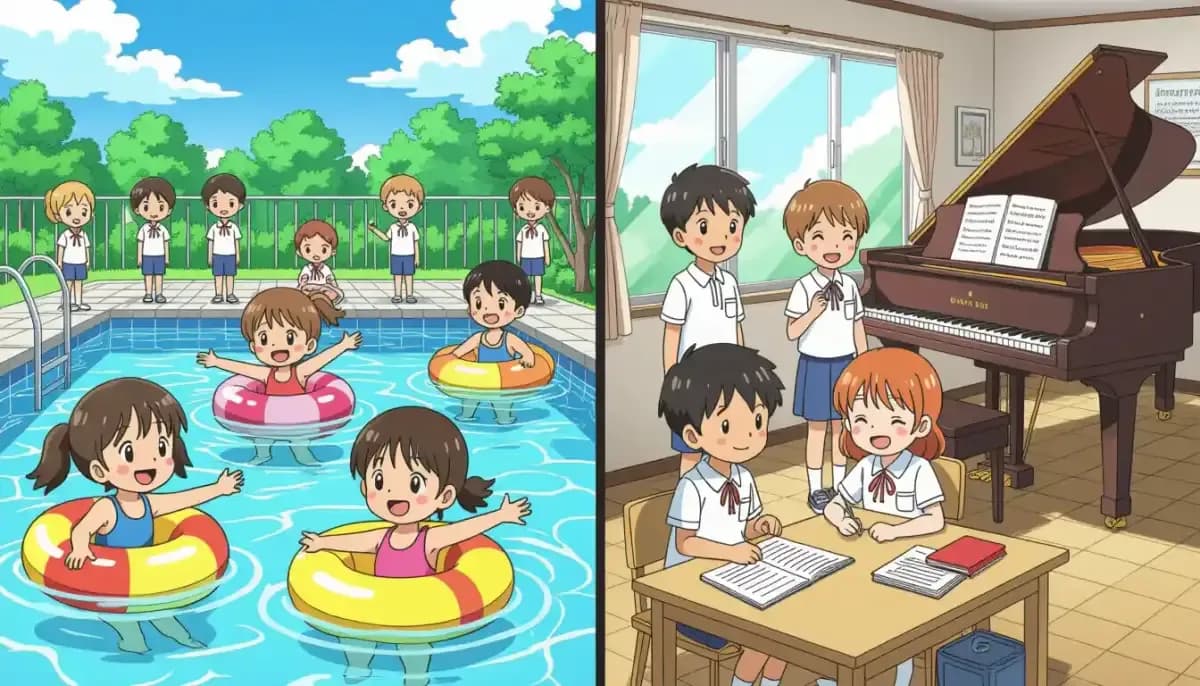
Naraigoto (習い事) refers to private-sector lessons and classes that families choose and pay for independently. These range from swimming and piano to English conversation, calligraphy, martial arts, and robotics. Naraigoto can begin as early as age three and children often participate in two or three activities simultaneously. According to surveys by Benesse and AZWAY, over 82% of Japanese children are enrolled in at least one extracurricular activity by age six, and by the upper elementary years, students participate in an average of 2.14 activities at once.
Bukatsu (部活動) are school-based club activities that run after school hours, on weekends, and during holiday periods. Bukatsu are organized by the school itself and cover a wide range of sports, arts, and cultural pursuits — from soccer and track to brass band, tea ceremony, and manga clubs. In many junior high and high schools, participation in at least one bukatsu is strongly encouraged and sometimes treated as near-mandatory for social integration.
For foreign families, understanding this distinction is crucial. Naraigoto gives you flexibility and a way to ease children into Japanese peer groups on your own timeline. Bukatsu integrates children directly into school social life but requires significant time commitment and Japanese language ability.
Most Popular After-School Activities in Japan
Japanese parents consistently rank certain activities above others. Knowing the most popular options helps you understand what your child's peers are doing and what opportunities are most accessible.
| Activity | Typical Monthly Cost | Best Starting Age | Notes |
|---|
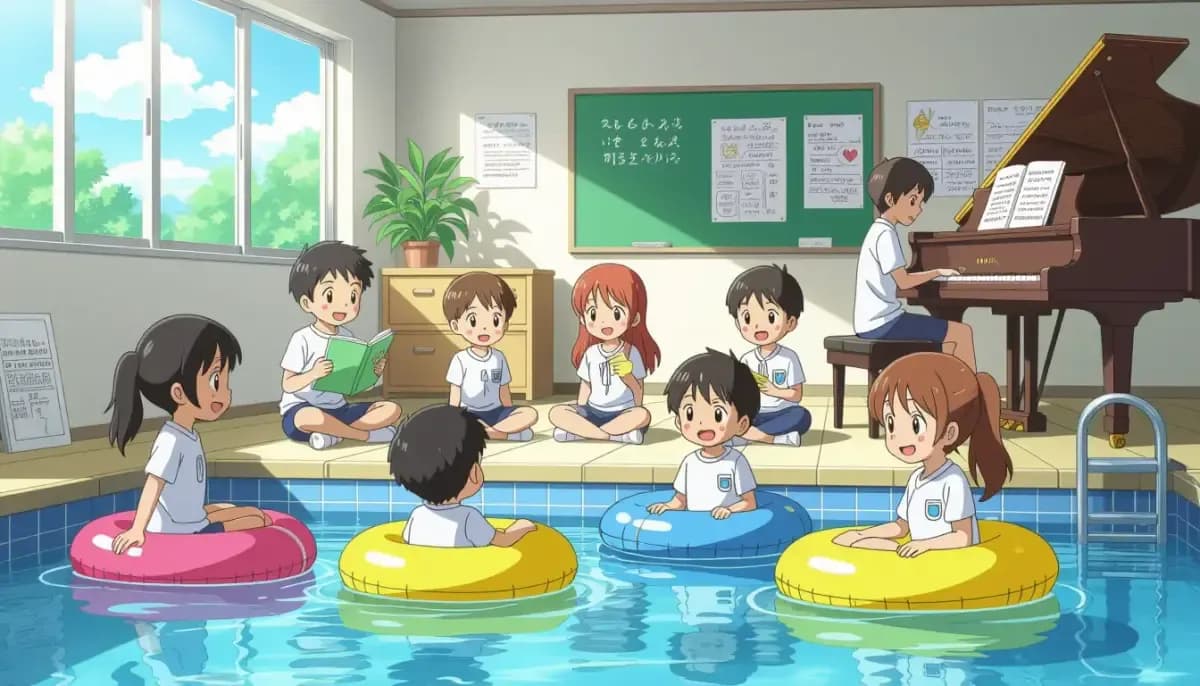
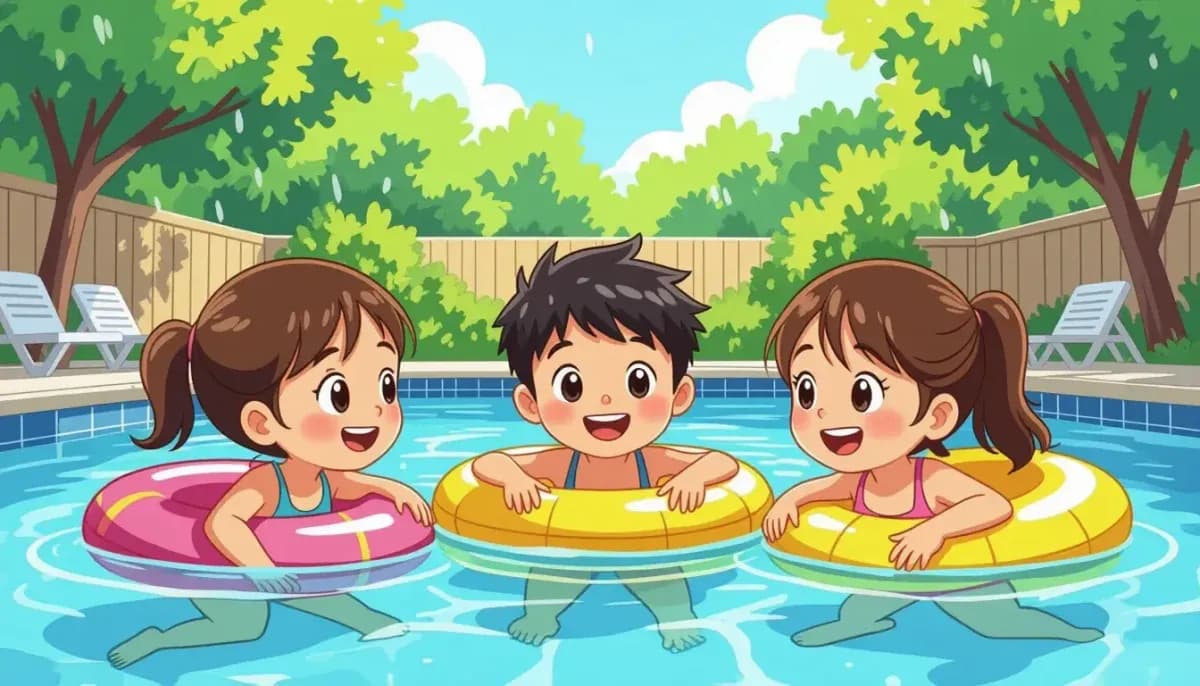
| Swimming (suiei) | ¥5,000–¥10,000 | Age 3–5 | #1 activity nationwide; widely available |
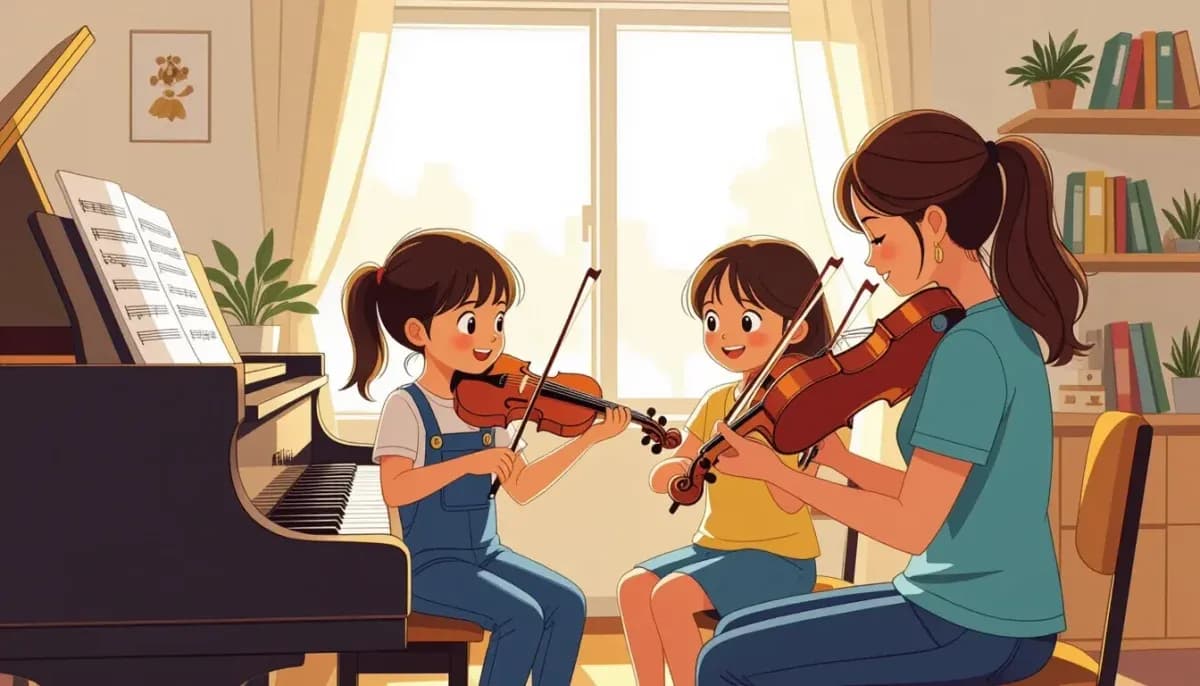
| Piano | ¥7,000–¥12,000 | Age 4–6 | Strong cultural prestige; requires practice at home |
| English conversation (eikaiwa) | ¥3,000–¥60,000+ | Any age | Foreign children often placed in advanced groups |
| Soccer/Futsal | ¥2,000–¥8,000 | Age 5+ | Great for social bonding |
| Dance (ballet, hip-hop, etc.) | ¥3,000–¥6,000 | Age 4+ | Rapidly growing popularity |
| Calligraphy (shodō) | ¥3,000–¥5,000 | Age 6+ | Culturally meaningful; aids kanji writing |
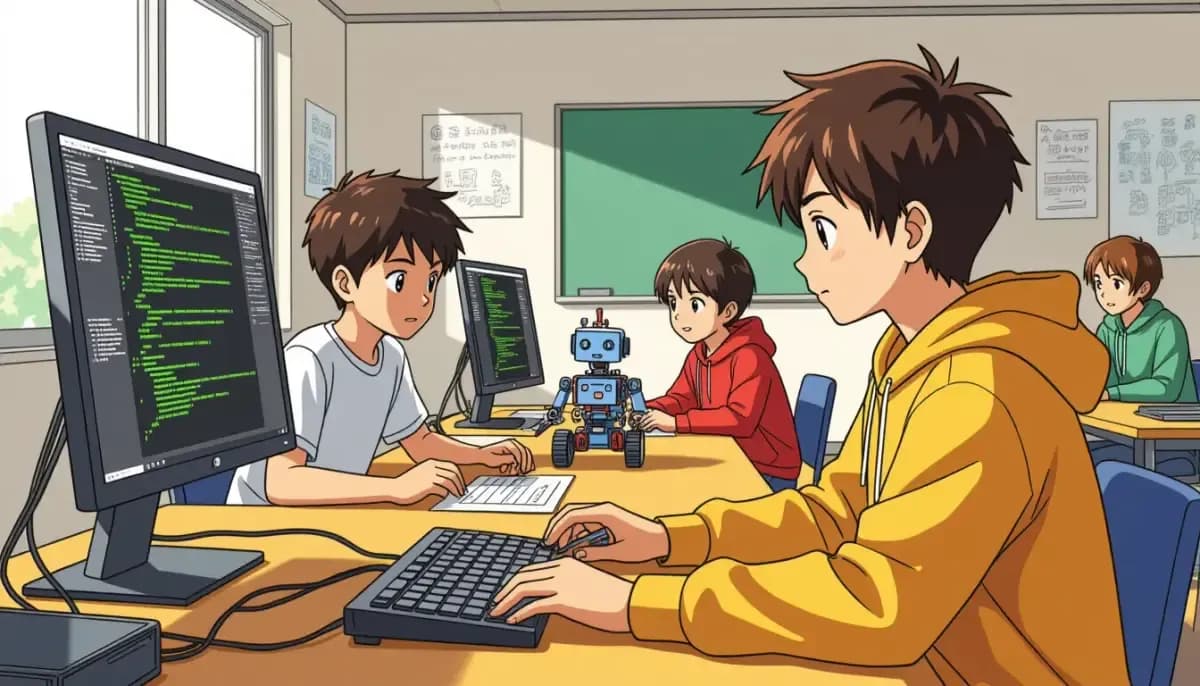
| Robotics/Programming | ¥8,000–¥20,000 | Age 6+ | Fastest-growing category since 2020 |
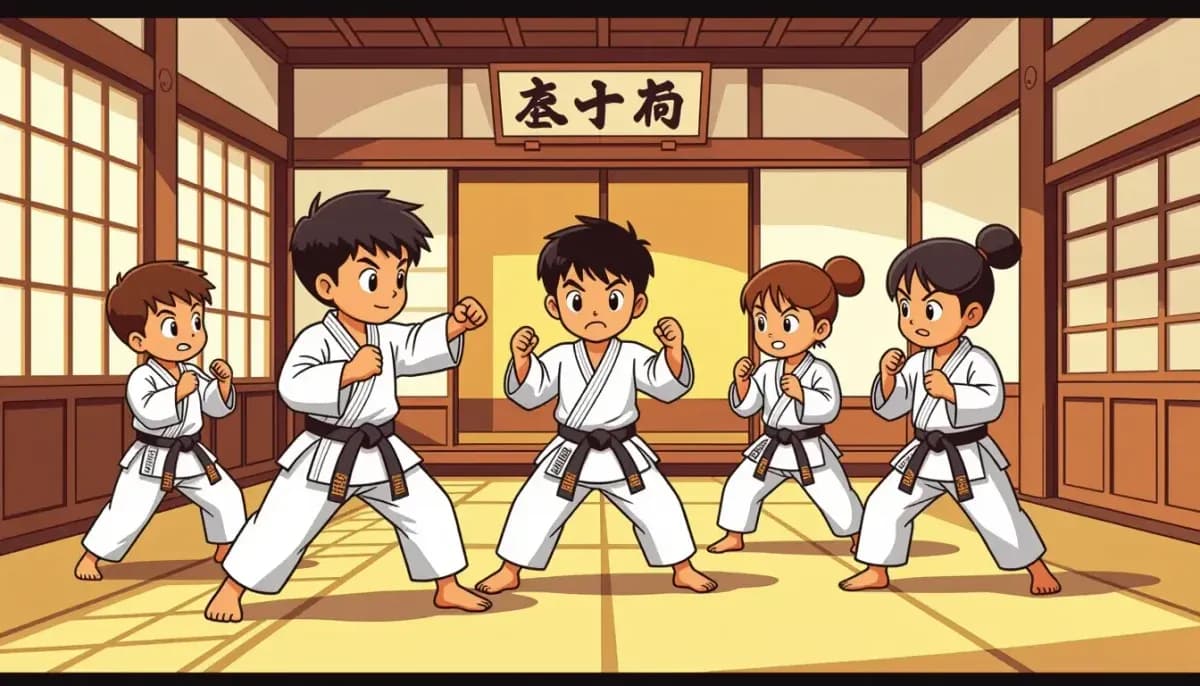
| Martial arts (karate, judo) | ¥3,000–¥8,000 | Age 5+ | Many community dojos available |
| Kumon (academic) | ¥7,000–¥10,000/subject | Age 3+ | Self-paced math and reading workbooks |
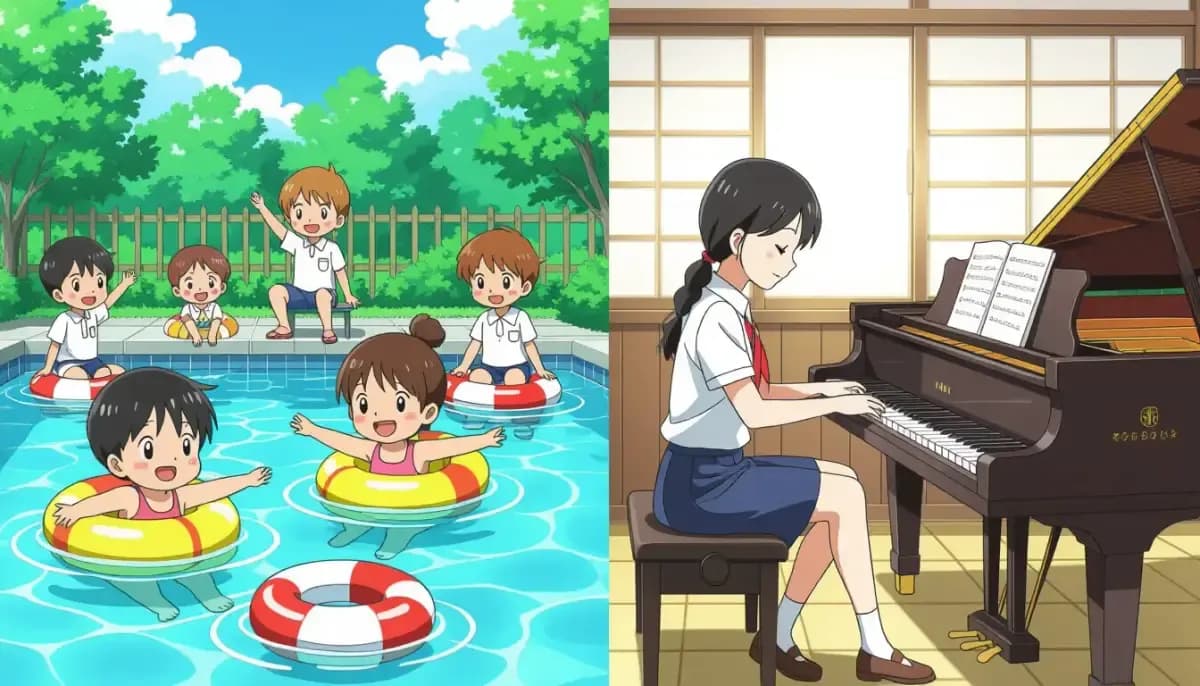
Swimming holds the top position year after year. Japanese parents see it as essential for safety, health, and physical development. Most community centers and private gyms offer children's swimming schools with structured level progression.
Programming and robotics have surged since Japan mandated programming education in elementary school curricula in 2020. Parents now view coding skills as foundational, making robotics classes one of the fastest-growing segments of the naraigoto market.
For more on how these activities fit into broader educational culture in Japan, see our guide to Elementary School in Japan.
Understanding Juku: Japan's Cram School Culture
No guide to after-school life in Japan would be complete without addressing juku (塾) — the supplementary tutoring schools that play an outsized role in Japanese education.
Juku come in several distinct varieties, each serving a different purpose:
Academic supplementary juku provide extra practice in core subjects — math, Japanese, English — for students who want to reinforce classroom learning or keep pace with their peers. Kumon is the most globally recognized example of this model, using self-paced worksheets rather than direct instruction.
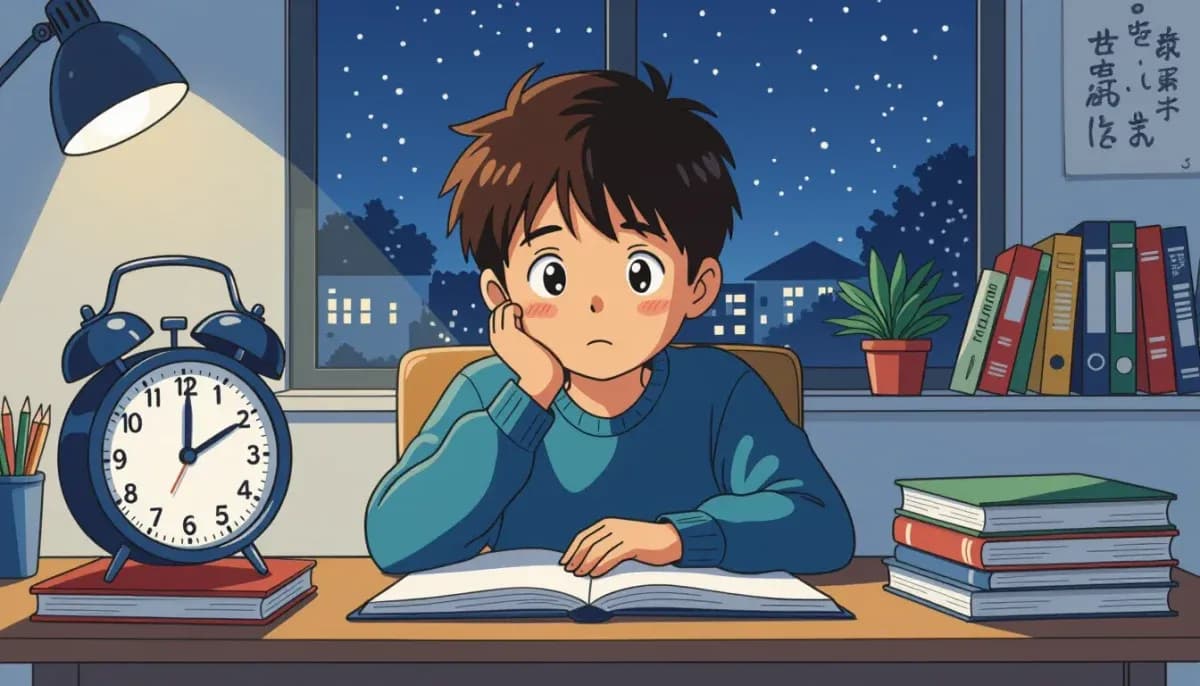
Exam preparation juku (juken juku) are the high-intensity institutions that prepare children for competitive entrance examinations — particularly the notoriously difficult private junior high school entrance exams (chūgaku juken). These can run three to five days per week, with evening sessions ending at 9:00 or 10:00 pm, starting in Grade 4 or 5.
Remedial juku offer targeted support for students struggling in school, including a growing number of services specifically designed for foreign children adjusting to the Japanese education system.
Juku enrollment by school level:
| School Level | Approximate Juku Enrollment Rate |
|---|
| Elementary school | ~23.6% |
| Middle school (junior high) | ~59.6% |
| High school | ~70%+ (for university-track students) |
The financial commitment is substantial. General supplementary juku costs ¥7,000–¥10,000 per subject per month, while full exam-prep programs run ¥20,000–¥60,000 per month or more. Annual average juku spending is approximately ¥260,000 per child (~$1,700 USD), and top exam-prep schools can cost several times that.
It is important to note that access to juku is strongly correlated with family socioeconomic status. Academic research confirms that children from more advantaged backgrounds are significantly more likely to attend — an inequality that researchers increasingly identify as a driver of educational stratification in Japan.
For a broader view of how Japan's educational structure shapes these pressures, read our Complete Guide to the Japanese Education System.
Navigating the System as a Foreign Family
Foreign families face unique challenges — and some unexpected advantages — when it comes to after-school activities and juku in Japan.
Language Barriers at Activity Centers
Most naraigoto classes are conducted entirely in Japanese, with instructions, safety rules, and parent communications in Japanese only. While young children typically absorb Japanese rapidly through immersion, the administrative side — registration forms, monthly newsletters, event schedules — requires at least basic reading ability or a helpful Japanese-speaking neighbor or friend.
Practical tips:
- Use your smartphone's camera translation feature (Google Translate's instant camera mode handles Japanese well) for printed materials.
- Ask the reception desk for English-speaking staff — larger chains like ALOHA swimming school or ECC English sometimes have bilingual staff.
- Build relationships with other parents at the activity; a friendly Japanese parent who can forward you translated key messages is invaluable.
The Trial Lesson System
Japan has an excellent convention for trying activities before committing: kengaku (見学) — an observation visit — and taiken ressun (体験レッスン) — a free or low-cost trial lesson. Almost every naraigoto school offers these. Use them liberally before enrolling your child in any activity. This lets both you and your child assess the teaching style, class atmosphere, and whether the language level is manageable.
Foreign-Friendly Juku Options
Standard academic juku assume Japanese literacy and may not be set up to support foreign children who are still learning the language. However, specialized options exist:
- Returnee support classes (帰国子女クラス): Major cities, especially Tokyo and Osaka, have juku programs specifically designed for children returning from overseas or integrating into Japan for the first time. These use adjusted pacing and materials.
- Individual tutoring (katei kyōshi): One-on-one tutoring can be arranged through platforms like Katekyo or through private teachers, giving more flexibility for non-native Japanese speakers.
- Foreign-specific juku: Schools like Freedom Language School in Aichi Prefecture offer Japanese language, math, and other subjects specifically for foreign children struggling in the Japanese school system, with small-group and individual instruction.
For strategies on supporting your child's Japanese language development, see Teaching Japanese to Foreign Children.
Bukatsu: School Clubs and What Foreign Students Should Know
Once your child enters junior high school, bukatsu becomes a central part of school life. Clubs run nearly every day after school and often through weekends and holiday periods. The time commitment is demanding — many clubs practice five to six days a week — but the social bonds formed through bukatsu are deep and lasting.
Common bukatsu categories include:
Sports clubs: Soccer, basketball, baseball, volleyball, tennis, track and field, swimming, judo, kendo, table tennis
Cultural clubs: Brass band, choir, art club, calligraphy, tea ceremony, drama, literature, science
Practical clubs: Computer club, cooking, broadcasting (放送部), yearbook/newspaper
For foreign students, bukatsu is one of the most powerful routes to genuine social integration. Shared practice, shared struggle, and shared victories transcend language barriers in ways that classroom interaction often cannot. Even students with intermediate Japanese report that joining a sports or music club was the turning point in feeling accepted.
Key considerations for foreign families:
- Discuss club choices before the enrollment meeting, as transfers between clubs can be socially awkward.
- Be prepared for significant parental support — many bukatsu require parents to volunteer for match days, buy club uniforms, and contribute to club fees.
- Some clubs, particularly baseball and brass band, have demanding hierarchies (sempai/kōhai culture) that can be intimidating for newcomers unfamiliar with Japanese social dynamics.
Costs and Budgeting for After-School Activities
The cumulative cost of Japanese childhood activities can catch foreign families off guard. Here is a realistic picture of what budgeting looks like:
Average annual spending on children's activities in Japan:
| Scenario | Annual Cost Estimate |
|---|
| One naraigoto activity (e.g., swimming) | ¥60,000–¥120,000 |
| Two naraigoto activities (typical) | ¥120,000–¥240,000 |
| One naraigoto + supplementary juku | ¥200,000–¥350,000 |
| Full exam-prep juku (Grade 5–6) | ¥400,000–¥800,000+ |
| Bukatsu costs (equipment, trips) | ¥30,000–¥100,000/year |
Ways to reduce costs:
- Community center programs: Local city/ward community centers (kominkan and shiminkan) offer swimming, art, martial arts, and other activities at significantly subsidized rates — often 30–50% cheaper than private schools.
- School bukatsu: Bukatsu fees are modest compared to private clubs, making them the most affordable route to consistent after-school activity.
- Subsidy programs: Some municipalities offer subsidies for children's activity costs for low-income families. Check with your local ward office's child welfare section.
- Online juku: Post-COVID, many supplementary tutoring services now offer online delivery, which can be more affordable and flexible.
For a comprehensive look at managing family finances in Japan, see Financial Planning for Expat Families Raising Children in Japan.
How to Choose the Right Activities for Your Child
With so many options, the key is matching activities to your child's personality, social needs, and language level — not just following what all their classmates are doing.
For younger children (ages 3–7):
- Prioritize activities with low Japanese language requirements — swimming pools, gymnastics, and martial arts work well because instruction is largely physical demonstration.
- Choose activities near home to reduce transport burden.
- Start with one activity and add more gradually as your child adjusts.
For elementary school children (ages 7–12):
- Naraigoto participation becomes more socially meaningful — children talk about their activities at school, and shared hobbies create friendships.
- If you anticipate your child attending Japanese junior high school, consider whether exam-prep juku is appropriate from Grade 4 onward.
- Programming and robotics classes are increasingly valued and most are designed to be engaging and accessible.
For middle and high school students:
- Bukatsu becomes the primary social arena — choose carefully and commit fully.
- For university-bound students, juku decisions become high-stakes; research school reputations, teaching methods, and student outcome data.
- Foreign students may benefit from returnee support programs rather than standard juku.
For more on supporting your child through the junior high transition, read Junior High School in Japan: Guide for Foreign Families.
Useful Resources for Foreign Families
Several websites offer English-language guidance on navigating Japan's after-school activity landscape:
Final Thoughts
Japan's after-school culture is intense by international standards, but it reflects deep values around effort, mastery, and community belonging. For foreign families, engaging with this culture — even partially — opens remarkable doors to social integration, Japanese language immersion, and lifelong friendships for your children.
You do not need to enroll your child in everything. Start with one activity your child is genuinely excited about, take advantage of trial lessons, and let things evolve naturally. Over time, you will find that after-school activities become not just a way to keep children busy, but one of the most rewarding parts of raising children in Japan.
For more guidance on supporting your children through life in Japan, explore our full pillar: The Complete Guide to the Japanese Education System for Foreign Families and our related articles on Raising Bilingual Children in Japan and Mental Health and Emotional Wellbeing for Foreign Children in Japan.