
English Conversation Schools for Returnee Children

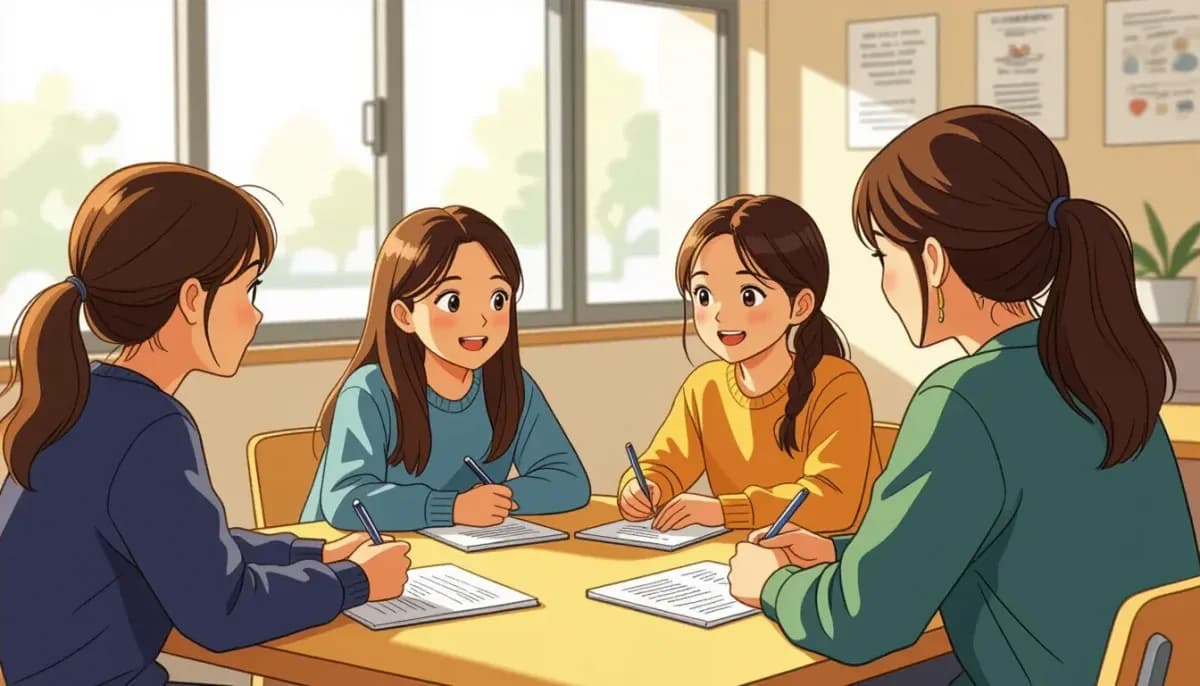
A complete guide to English conversation schools for kikokushijo (returnee children) in Japan. Compare specialized programs vs standard eikaiwa, costs, and how to maintain bilingual fluency after returning to Japan.
English Conversation Schools for Returnee Children in Japan: A Complete Guide
Returning to Japan after years abroad is an exciting milestone — but for children, it often comes with a hidden challenge: staying fluent in English while readjusting to Japanese school life. If your child is a kikokushijo (帰国子女, returnee child), finding the right English conversation school can make the difference between fading bilingualism and a lifetime advantage.
This guide covers everything foreign families and returnee families need to know about English conversation schools specifically designed for returnee children in Japan, including how they differ from standard eikaiwa, what to look for, and which options are available nationwide.
What Is a Kikokushijo and Why English Support Matters
The term kikokushijo (帰国子女) literally means "repatriated children" — Japanese children who have spent a significant period abroad and returned to Japan. Approximately 10,000 kikokushijo return to Japan every year, with an estimated 50,000 residing overseas at any given time.
These children face a unique double challenge: they must rapidly reintegrate into Japan's rigorous academic culture while preserving the English fluency they worked hard to develop abroad. Without consistent practice, children can lose conversational English fluency within 1–2 years of returning.
The social challenges are equally real. Research and community accounts — including detailed reports from Unseen Japan — show that returnee children frequently face:
- Bullying for being "too foreign" or speaking differently
- Teacher indifference toward their English abilities
- Cultural pressure to conform rather than maintain bilingual skills
- Academic gaps in Japanese language, history, and math
English conversation schools designed for returnee children specifically address the language-maintenance side of this equation, giving kids a safe space to stay fluent while navigating reintegration.
For more background on Japanese education pathways, see our guide to The Complete Japanese Education System for Foreign Families.
Standard Eikaiwa vs. Kikokushijo-Focused English Schools
Not all English schools are the same. Understanding the difference helps parents choose the right fit.
| Feature | Standard Eikaiwa | Kikokushijo-Focused Programs |
|---|---|---|
| Target students | All children (beginners to intermediate) | Near-native or native-level English speakers |
| English level assumed | Beginner to intermediate | Near-native / advanced |
| Primary goal | Build basic English skills | Maintain fluency, develop academic English |
| Monthly cost | ¥6,000–¥12,000 | ¥20,000–¥50,000+ |
| Class size | 4–18 students | Typically smaller (2–8 students) |
| Japanese in class | Sometimes used | Usually strictly English-only |
| Academic content | Songs, games, conversation | Essay writing, debate, critical thinking |
| Examples | ECC Junior, Berlitz Kids, Nova | Kikokushijo Academy (KAIS), Kikokushijo Japan |
Standard eikaiwa schools like ECC Junior, Berlitz Kids, and Nova (costing approximately ¥6,000–¥12,000/month) are excellent for children who are learning English from scratch or maintaining casual conversation skills. However, their curriculum is designed for beginners and intermediate learners — not for children who already speak English at a near-native level.
Kikokushijo-focused programs start at a completely different level. These schools assume children already have strong English skills and focus on maintaining academic English — the kind needed for writing essays, conducting research, and debating complex topics. This is critical for children who may eventually pursue international school admission or higher education abroad.
Top English Schools for Returnee Children in Japan
Kikokushijo Academy International School (KAIS)
KAIS is one of the most well-known specialized schools for returnee children in Tokyo. Located in the Meguro and Toritsudaigaku areas, KAIS serves students from ages 4 to 18 with a curriculum designed to maintain and develop near-native English proficiency.
Key features:
- All-English instruction environment
- Focus on academic skills: reading comprehension, essay writing, oral presentations
- Small class sizes for personalized attention
- Preparation for re-entry into international schools or English-medium higher education
Kikokushijo Japan (mo-T-Vate Group)
Based in Bunkyo-ku, Tokyo (Koishikawa), Kikokushijo Japan offers structured language maintenance and transition support. Monthly fees are approximately ¥30,400, with discounts for Joy to the World American International School members.
Their program covers:
- Regular Classes: Grammar, vocabulary, and conversation built around 9 core values (collaboration, communication, curiosity, creativity, competence, commitment, connection, confidence, craftsmanship)
- KJ Prep Classes: For younger or less-qualified students; covers math, science, English, essay writing, debating, and presentations
- Cultural awareness and transition support
- Academic evaluation services
The organization was founded by Jerry P. Hanus, who brings over 20 years of experience supporting returnee families.
National Eikaiwa Chains with Returnee-Friendly Programs
While specialized kikokushijo schools offer the most tailored support, some national eikaiwa chains have developed advanced tracks suitable for returnee children:
- Berlitz Kids: Offers all-English environments with no Japanese permitted in class; suitable for children needing to maintain conversational fluency
- AEON/Amity: One of Japan's largest eikaiwa chains, serving ages 6 months to 18 years across 96+ locations; advanced tracks available at select locations
- ECC Junior: Nationwide network with structured progression; advanced classes available for higher-level students
For families living outside major cities, these chains may be the most accessible option. Always ask about the class level and whether the school has experience with returnee students before enrolling.
The Kikokushijo Entrance Exam Quota (帰国子女枠)
One critical reason to maintain English skills is the kikokushijo-waku — the special entrance exam quota reserved for returnee students at Japanese junior high schools, high schools, and universities. This system acknowledges that returnee children have different academic backgrounds and provides an alternative admissions pathway.
Eligibility requirements typically include:
- At least 1 year of overseas residence during the school-age years
- Application submitted within 3 years of returning to Japan
- Documentation of overseas schooling
Entrance exams for kikokushijo-waku often include:
- Essay writing in Japanese (and sometimes English)
- Interview conducted in English or Japanese
- A different set of academic subjects compared to the general entrance exam
Maintaining strong English skills is essential for performing well in these exams, particularly at prestigious schools. For more on navigating Japanese school admission processes, read our guide to Junior High School in Japan for Foreign Families.
How to Choose the Right English School for Your Returnee Child
Choosing between a specialized kikokushijo program and a standard eikaiwa requires honest assessment of your child's current English level, needs, and budget.
Step 1: Assess your child's English level honestly
Is your child reading chapter books independently? Having nuanced conversations? Writing multi-paragraph essays? If yes, a standard eikaiwa will likely feel too easy and may not challenge or engage them.
Step 2: Define your goals
- Maintain casual conversational fluency → Good eikaiwa chain may suffice
- Prepare for English-medium university or overseas study → Specialized kikokushijo program recommended
- Navigate the kikokushijo-waku entrance exam → Structured academic English program essential
Step 3: Visit the school and observe a class
Ask specifically whether the instructors have experience with near-native English speakers. A school accustomed to absolute beginners may not know how to challenge an advanced child.
Step 4: Consider the social environment
One underrated benefit of kikokushijo-focused schools is the community of peers. Being in a room full of children who also lived abroad — and who understand the experience — can significantly reduce the social isolation that many returnee children feel.
For more strategies on supporting bilingual development, see our guide to Raising Bilingual Children in Japan.
Supporting English Outside the Classroom
Conversation school alone is rarely enough to fully maintain near-native English fluency. The most successful returnee families build English into daily life:
- Reading English books daily at the appropriate level (chapter books, non-fiction, magazines)
- English-language media: movies, YouTube, podcasts, audiobooks
- Video calls with overseas friends and family for genuine conversational practice
- English-language summer programs or overseas stays during school holidays
- Writing practice: journals, emails, creative stories in English
See our article on Heritage Language Maintenance for Children in Japan for a deeper look at language maintenance strategies at home.
Costs and Financial Planning
English education for returnee children is a significant investment. Here is a realistic cost overview:
| Program Type | Monthly Cost | Annual Cost (estimate) |
|---|---|---|
| Standard eikaiwa (ECC Junior, Nova) | ¥6,000–¥12,000 | ¥72,000–¥144,000 |
| AEON/Berlitz advanced track | ¥15,000–¥25,000 | ¥180,000–¥300,000 |
| Kikokushijo Japan | ¥30,400 | ~¥364,800 |
| Specialized private tutor | ¥5,000–¥15,000/hour | Varies |
In addition to school fees, families should budget for:
- Enrollment/registration fees (typically ¥10,000–¥50,000)
- Textbook and materials fees
- Exam preparation fees for kikokushijo-waku applications
For a broader look at managing education costs in Japan, see our guide to Financial Planning for Expat Families Raising Children in Japan.
Resources for Returnee Families
Several organizations and communities support kikokushijo families beyond just language schools:
- Living in Nihon — A comprehensive resource for expats and returnee families navigating life in Japan
- For Work in Japan — Information and support for international families based in Japan
- Chuukou Benkyou — Study and education resources for children in Japan
- Tofugu's Kikokushijo Guide — A detailed cultural analysis of the returnee experience in Japan
- Think Global People — Education guides for internationally mobile families in Japan
- 3D Universal's After-School Guide — Overview of eikaiwa and after-school programs in Japan
Conclusion: Invest in Your Child's Bilingual Future
Returning to Japan doesn't have to mean losing hard-earned English fluency. With the right English conversation school — whether a specialized kikokushijo program or a well-matched eikaiwa — your child can maintain the bilingual advantage they developed abroad while successfully reintegrating into Japanese school life.
The key is acting early: the longer children go without structured English practice after returning to Japan, the harder it becomes to maintain fluency. Start researching programs before or immediately after your return, and don't be afraid to visit multiple schools to find the right fit.
Bilingualism is one of the greatest gifts you can give a child growing up in Japan. With the right support, it can last a lifetime.
For more guidance on supporting your child's education journey in Japan, explore our Complete Guide to the Japanese Education System for Foreign Families.

Originally from Vietnam, living in Japan for 16+ years. Graduated from Nagoya University, with 11 years of professional experience at Japanese and international companies. Sharing practical information for foreign parents raising children in Japan.
View Profile →Related Articles
Online Learning and Tutoring Options for Kids in Japan
Discover the best online learning and tutoring options for children in Japan — from affordable NPO programs to international test prep services. Compare costs, platforms, and tips for expat families.
Read more →
After-School Programs for Elementary Students in Japan
Complete guide to after-school programs for elementary students in Japan: gakudo childcare, juku cram schools, swimming, English, and more. Costs, enrollment tips, and advice for foreign families.
Read more →
Balancing Juku, Homework, and Free Time for Children
Learn how to balance juku cram school, homework, and free time for your child in Japan. Practical tips for foreign parents on schedules, costs, burnout signs, and alternatives to juku.
Read more →
How Much After-School Activities Cost in Japan
Complete cost breakdown of after-school activities in Japan: swimming, piano, English, juku cram schools, and bukatsu clubs. Real prices, hidden fees, and tips for expat families.
Read more →
Robotics, STEM, and Programming Classes for Kids in Japan
Find the best English-friendly robotics, STEM, and programming classes for kids in Japan. Compare Tokyo Coding Club, Coding Lab Japan, YouCode, CodeTots, and more — with pricing, ages, and locations.
Read more →
Art and Creative Classes for Kids in Japan
Discover the best art and creative classes for foreign children in Japan. From English art schools in Tokyo to traditional Japanese crafts—costs, tips, and top schools covered.
Read more →