
How Much After-School Activities Cost in Japan

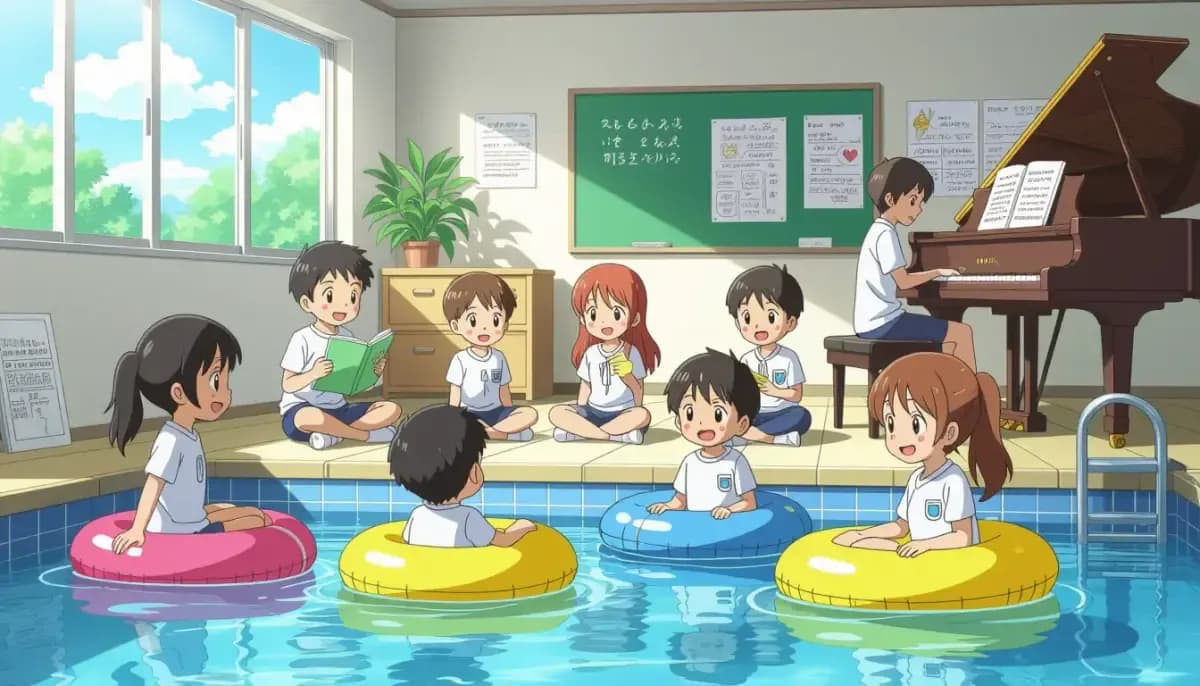
Complete cost breakdown of after-school activities in Japan: swimming, piano, English, juku cram schools, and bukatsu clubs. Real prices, hidden fees, and tips for expat families.
How Much After-School Activities Cost in Japan
If you have children in Japan, you've likely noticed that after-school activities — known as naraigoto (習い事) — are a huge part of childhood here. From swimming and piano to English conversation and calligraphy, Japanese kids juggle impressive schedules outside regular school hours. But how much does all of this actually cost? And what should expat parents expect?
This guide breaks down the real costs of after-school activities in Japan, from popular naraigoto to school club fees, plus tips for managing expenses as a foreign family.
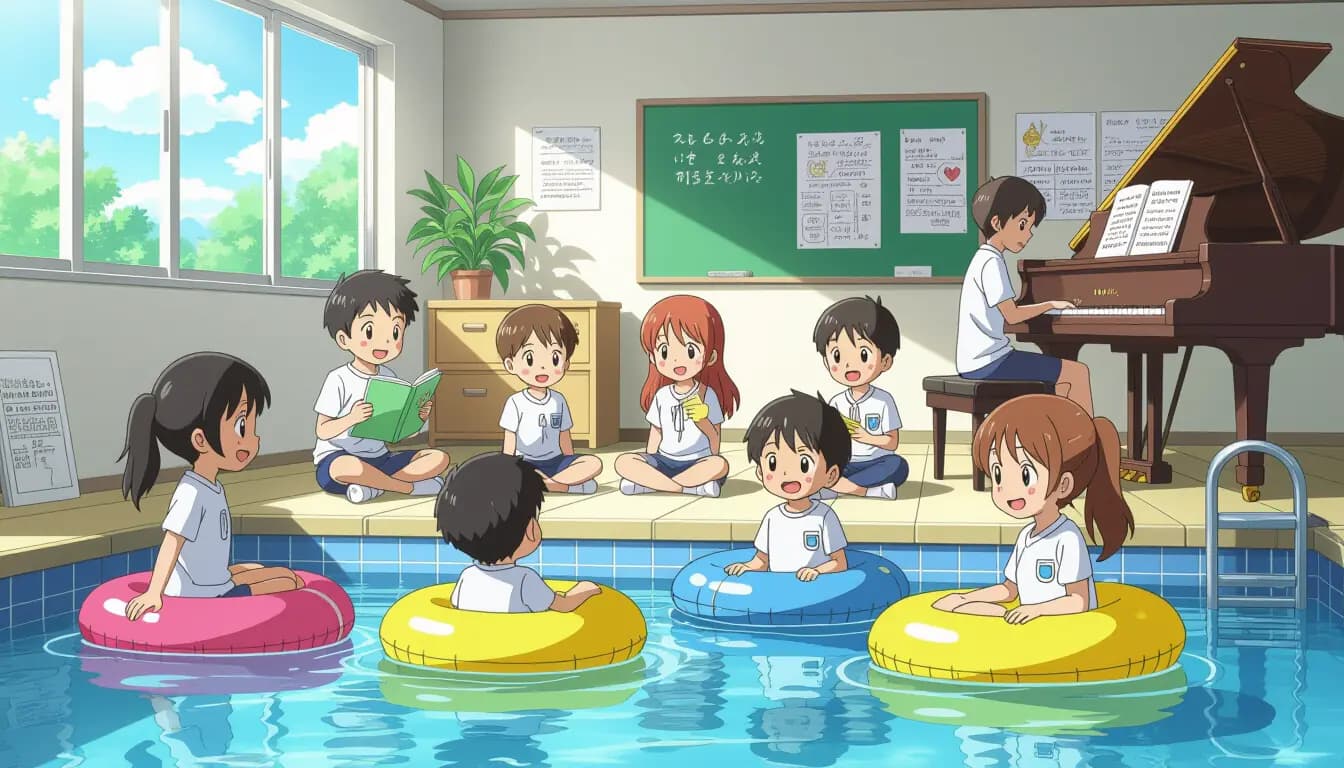
What Are After-School Activities in Japan?
In Japan, after-school activities broadly fall into two categories:
- Naraigoto (習い事) — Private lessons or classes paid for by parents, such as swimming, piano, English, or martial arts. These take place at local schools, sports clubs, and community centers.
- Bukatsu (部活動) — School club activities (sports teams, cultural clubs, music bands) organized by the school. These are almost free but extremely time-intensive.
There's also Gakudo (学童) — after-school childcare for elementary school children while parents are at work.
Understanding which category you're dealing with is the first step to budgeting, since costs vary dramatically. For more context on the Japanese school system and how children's days are structured, see our guide on how the Japanese school system works.
Monthly Costs of Popular Naraigoto in Japan
The table below shows typical monthly fees for common after-school activities in Japan. Prices vary by region (Tokyo and Osaka tend to be higher), by the school's prestige, and by frequency of lessons.
| Activity | Monthly Cost (JPY) | Monthly Cost (USD approx.) | Notes |
|---|---|---|---|
| Swimming (suiei) | ¥5,000 – ¥10,000 | $35 – $70 | Most popular; 2–4x/week |
| Piano / Music | ¥7,000 – ¥15,000 | $50 – $105 | Private lessons cost more |
| English conversation | ¥8,000 – ¥12,000 | $55 – $85 | Intensive programs: ¥30,000+ |
| Calligraphy (shodou) | ¥3,000 – ¥5,000 | $20 – $35 | Often required from grade 3 |
| Soccer / Football | ¥5,000 – ¥8,000 | $35 – $55 | School clubs ~¥2,000/month |
| Dance (ballet, hip-hop) | ¥3,000 – ¥6,000 | $20 – $42 | Recital fees extra |
| Gymnastics / Tumbling | ¥4,000 – ¥10,000 | $28 – $70 | Wide range by facility |
| Karate / Judo / Martial Arts | ¥5,000 – ¥9,000 | $35 – $63 | Uniforms (dogi) extra |
| Programming / Coding | ¥8,000 – ¥15,000 | $55 – $105 | Growing rapidly in popularity |
| Cram School (juku, elementary) | ¥10,000 – ¥20,000 | $70 – $140 | Varies by subject count |
Key insight: Most families enroll their children in 1–2 activities at a time. The average elementary-age child in Japan participates in 1.92–2.14 activities simultaneously. Monthly naraigoto spending typically runs ¥10,000–¥30,000 per child for elementary-age kids.
The True Cost: Hidden and Additional Expenses
The monthly lesson fee is only part of the story. Here are the hidden costs you should budget for:
Registration and Enrollment Fees
Most naraigoto schools charge a one-time enrollment fee (nyuukai-kin) of ¥5,000–¥10,000 when you first sign up. Some also charge a seasonal facility fee (¥1,000–¥2,000 extra per month) for heating or cooling.
Uniforms and Equipment
- Martial arts (dogi/gi): ¥5,000–¥15,000 upfront
- Ballet/dance costumes: ¥5,000–¥20,000; recital ticket obligations may also apply
- Swimming gear (swimsuit, cap, goggles): ¥3,000–¥6,000
- Sports gear (cleats, shin guards, specialized gloves): Ongoing replacement as children grow
- Sheet music and textbooks: ¥500–¥2,000/month for music and academic subjects
Tip: Look for secondhand equipment exchanges (furima) in your local area or ask at the activity school if they have a secondhand pool. Many parents sell outgrown gear directly to other families.
Transportation Costs
This is one of the biggest overlooked expenses. If a parent-child pair takes the train to one activity three times per week, the cost can easily reach ¥6,480 or more per month just in train fares — before adding additional activities. When calculating activity costs, always factor in how you'll get your child there and back.
Recital and Performance Fees
Dance, music, and gymnastics schools often hold annual or semi-annual recitals that come with significant extra costs: costume fees, ticket-selling requirements for parents, and photography packages. These can add ¥10,000–¥50,000 per year.
Cram Schools (Juku) — The Big Budget Item
Japan's juku (塾) culture is a significant financial commitment, especially as children enter junior high school and approach high school entrance exams.
| Level | Annual Cost (JPY) | Notes |
|---|---|---|
| Elementary school (general tutoring) | ¥120,000 – ¥240,000 | 1–2 subjects |
| Junior high school (exam prep) | ¥150,000 – ¥400,000 | Core 5 subjects |
| Top private school prep (Tokyo/Osaka) | ¥800,000 – ¥1,500,000+ | Full prep programs |
| High school entrance exam prep | ¥200,000 – ¥500,000 | Depends on target school |
For foreign families with children attending Japanese public schools, juku enrollment tends to increase significantly from 5th or 6th grade onward as competition for junior high school placement intensifies. See our article on the transition from elementary to junior high school in Japan for more on what's involved.
School Club Activities (Bukatsu) — Almost Free, But Demanding
Bukatsu are school-organized clubs: sports teams, cultural clubs (drama, tea ceremony, brass band), science clubs, and more. Participation is nearly universal — approximately 92% of junior high students and 81% of high school students participate in at least one club.
The financial cost is minimal (approximately ¥1,000–¥3,000/month for supplies), but the time commitment is intense:
- 43.1% of middle school clubs meet 5 days per week
- 79.3% of middle schools hold club activities on Saturdays or Sundays
- 67.1% of middle schoolers spend 2–3 hours per day on club activities on weekdays
Japan's Sports Agency now recommends capping weekday activity at 2 hours and weekends at 3 hours, but many schools still exceed these guidelines.
For expat families: Bukatsu can be an excellent — and nearly free — way for foreign children to integrate socially. However, the schedule can be very demanding, particularly for children also attending language classes. Read more about supporting your child at benefits of raising bilingual children in Japan.
Gakudo — After-School Childcare for Working Parents
Gakudo (学童保育) is subsidized after-school care for children in grades 1–6 whose parents both work. It's a lifesaver for dual-income expat families.
- Cost: ¥4,000 – ¥20,000/month depending on municipality and household income
- Hours: Typically until 6 PM or 7 PM on school days; some locations offer holiday care
- Registration: Must apply through your local city or ward office; demand often exceeds supply in urban areas, so apply early
Some private gakudo facilities exist at higher cost (¥30,000–¥50,000/month) but offer more flexible hours and bilingual environments. For broader context on childcare options in Japan, see our guide on daycare and hoikuen in Japan for foreign parents.
Participation Statistics: How Common Are After-School Activities?
Japan's naraigoto culture starts remarkably early:
- Age 4: 47.9% of children are enrolled in at least one extracurricular
- Age 5: 71.4% are enrolled
- Age 6 and beyond: 82.7% are enrolled
Swimming is consistently Japan's most popular naraigoto, valued both as a life skill and for its health benefits. It's followed by music lessons, English conversation, and calligraphy.
Government Subsidies and Financial Support
The Japanese government provides several forms of support that can offset activity costs:
- Child Allowance (Jidou Teate): ¥10,000/month per child (as of October 2024 reforms, universal regardless of household income; ¥30,000/month for third and subsequent children)
- Free early education (ages 3–5): Tuition waived at licensed kindergartens and childcare facilities
- Child medical subsidies: Most municipalities cover children's medical costs through junior high school
- FY2025 policy: Tuition and admission fees to be waived for households with 3+ children
These subsidies don't directly cover naraigoto, but they free up household budget that can be redirected toward activity fees. For a comprehensive view of total child-rearing costs in Japan, see our complete breakdown of the cost of raising a child in Japan.
Practical Tips for Expat Parents
Use Free Trial Lessons
Most naraigoto schools offer taiken ressun (体験レッスン) — trial lessons that are free or heavily discounted. Always take advantage of these before committing. Avoid testing multiple activities in the same month, as you need time to assess fit.
Let Your Child Lead
Forcing a child into an activity they don't want leads to early quitting and wasted enrollment fees. Observe their interests first, then suggest one activity to try.
Choose Location Strategically
Select activities that are near your regular commute route or walkable from your home or the school. Reducing transportation costs and time is one of the biggest efficiency gains available to you.
Buy Secondhand
Equipment for martial arts, dance, and sports can be bought secondhand from parents whose children have outgrown them. Check local parent groups, Facebook Marketplace Japan, and notice boards at the activity school itself.
Language Considerations
For non-Japanese-speaking children, most naraigoto are conducted entirely in Japanese. While this can be a language immersion opportunity, it may also be a barrier for younger children. Discuss with the school beforehand. For English-language schools or lessons, see resources at Living in Nihon and For Work in Japan for expat family community recommendations.
Research and Statistics
For deeper insight into extracurricular activity trends in Japan, the Frontiers in Education study on Japanese junior high extracurriculars provides academic data on student participation and benefits. The Sasakawa Sports Foundation's Japan sports data tracks national sports club participation rates across age groups.
Budgeting Summary
Here's a realistic monthly activity budget for a family with one elementary-age child:
| Item | Low Estimate | High Estimate |
|---|---|---|
| 1 Naraigoto (e.g., swimming) | ¥5,000 | ¥10,000 |
| 2nd Naraigoto (e.g., piano) | ¥7,000 | ¥15,000 |
| Transportation (train) | ¥3,000 | ¥8,000 |
| Seasonal/facility fees | ¥1,000 | ¥3,000 |
| Total (2 activities) | ¥16,000 | ¥36,000 |
Adding juku for upper elementary school: add ¥10,000–¥20,000/month. For junior high school students in exam prep: add ¥15,000–¥35,000/month.
For additional guidance on navigating education as a foreign family in Japan, the Chuukou Benkyou resource covers middle and high school academic pathways in depth. You may also find it useful to read about types of high schools in Japan to understand what your child will be preparing for.
Final Thoughts
After-school activities in Japan are a meaningful part of children's development — building discipline, social connections, and skills that last a lifetime. The costs are real but manageable with planning. Start with one activity, use free trials, factor in the hidden costs like transportation and equipment, and take advantage of government subsidies.
As your child grows and enters junior high school, budgets will likely need to expand to cover juku fees. Starting that planning early will help you stay ahead of the costs rather than being caught off guard.
For more on education-related topics, explore our full guide on the Japanese school system grade structure or learn about finding English-speaking pediatricians in Japan for your family's broader needs.

Originally from Vietnam, living in Japan for 16+ years. Graduated from Nagoya University, with 11 years of professional experience at Japanese and international companies. Sharing practical information for foreign parents raising children in Japan.
View Profile →Related Articles
Online Learning and Tutoring Options for Kids in Japan
Discover the best online learning and tutoring options for children in Japan — from affordable NPO programs to international test prep services. Compare costs, platforms, and tips for expat families.
Read more →
After-School Programs for Elementary Students in Japan
Complete guide to after-school programs for elementary students in Japan: gakudo childcare, juku cram schools, swimming, English, and more. Costs, enrollment tips, and advice for foreign families.
Read more →
Balancing Juku, Homework, and Free Time for Children
Learn how to balance juku cram school, homework, and free time for your child in Japan. Practical tips for foreign parents on schedules, costs, burnout signs, and alternatives to juku.
Read more →
Robotics, STEM, and Programming Classes for Kids in Japan
Find the best English-friendly robotics, STEM, and programming classes for kids in Japan. Compare Tokyo Coding Club, Coding Lab Japan, YouCode, CodeTots, and more — with pricing, ages, and locations.
Read more →
Art and Creative Classes for Kids in Japan
Discover the best art and creative classes for foreign children in Japan. From English art schools in Tokyo to traditional Japanese crafts—costs, tips, and top schools covered.
Read more →
Martial Arts Classes for Children in Japan
Complete guide to martial arts classes for children in Japan. Compare karate, judo, kendo, and aikido, find English-friendly dojos, and navigate the language barrier as an expat family.
Read more →