
Balancing Juku, Homework, and Free Time for Children

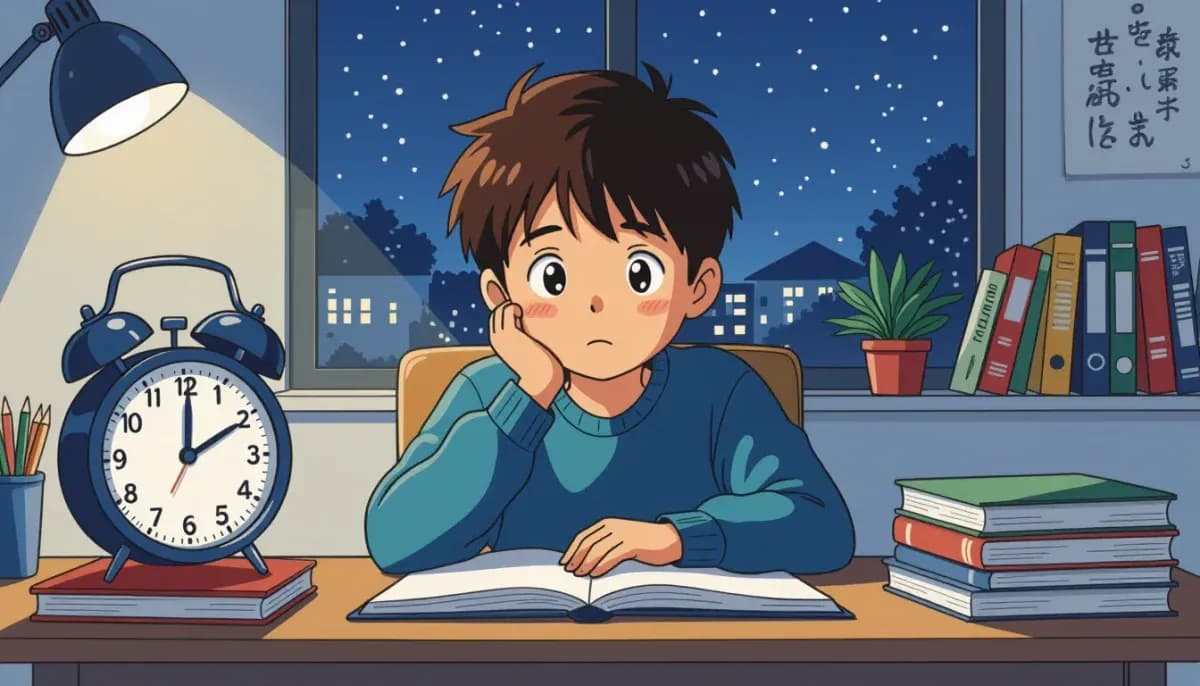
Learn how to balance juku cram school, homework, and free time for your child in Japan. Practical tips for foreign parents on schedules, costs, burnout signs, and alternatives to juku.
Balancing Juku, Homework, and Free Time for Children in Japan
For foreign families raising children in Japan, one of the biggest cultural surprises is the sheer volume of academic expectations placed on kids. Between regular school homework and juku (cram school) sessions that can run until 9 PM, children's schedules can quickly become overwhelming. Understanding how to balance juku, homework, and precious free time is essential for your child's well-being — and your family's sanity.
This guide breaks down the realities of Japan's after-school education culture and offers practical strategies for foreign parents navigating this system.
What Is Juku and Why Do So Many Children Attend?
Juku (塾) are private after-school tutoring centers that supplement regular school education. They range from small neighborhood tutoring shops to massive national chains like Kumon, Sapix, and Benesse. By 2018, over 37% of all Japanese students were enrolled in some form of juku, with participation rising sharply as children approach middle and high school exam season — nearly 60% of third-year junior high students attend.
Why such high enrollment? The Japanese education system is heavily exam-focused. Entrance exams determine which middle school, high school, and university a student can attend, and competitive families start preparing years in advance. Social pressure plays a major role too — if classmates are attending juku, parents often feel compelled to enroll their own children.
For foreign families, juku can serve additional purposes: helping children catch up on Japanese language skills, reinforcing core subjects in their native language, or simply providing structured after-school supervision while parents work.
For a broader overview of how Japanese education works, see our Complete Guide to the Japanese Education System for Foreign Families.
The Reality of a Juku Student's Daily Schedule
Here is what a typical weekday looks like for a Japanese elementary school student attending juku:
| Time | Activity |
|---|---|
| 8:00 AM – 3:30 PM | Regular school day |
| 3:30 – 4:30 PM | Travel home, snack, decompress |
| 5:00 – 8:00 PM | Juku session (sometimes until 9 PM) |
| 8:00 – 9:30 PM | Dinner, bath, school homework |
| 9:30 – 10:00 PM | Juku homework review |
| 10:00 PM+ | Sleep (often insufficient) |
Research shows that children attending juku have significantly fewer hours of sleep and leisure than non-attendees. Juku also meets on weekends and during school vacations, meaning even holidays become study-heavy periods.
For exam-prep juku at the competitive level, sessions can run until 9 PM even for 10-year-olds. This leaves virtually no time for unstructured play, family time, or simply being a kid.
When Should Children Start Juku?
The ideal start time depends entirely on your goals:
- Supplementary/general juku (Kumon-style): Can start as early as age 4–5 for basic reading and arithmetic. Low pressure, self-paced.
- Middle school exam prep juku: Typically starts in grade 3–4 (age 8–10). Starting in grade 6 is considered very late for competitive schools.
- High school exam prep: Usually begins in grade 2–3 of junior high school (ages 13–15).
Foreign families often feel pressure to enroll early to help children keep pace with Japanese peers in subjects like kanji writing and math. However, enrolling too early in high-pressure juku can cause burnout before the academically crucial years.
Explore our guide on Elementary School in Japan: A Complete Guide for Foreign Parents for more context on academic expectations at each grade level.
Warning Signs of Juku Overload
Knowing when your child is stretched too thin is critical. Watch for these burnout signals:
- Sleep problems: Difficulty falling asleep, waking up exhausted, falling asleep during class
- Mood changes: Increased irritability, tearfulness, withdrawal from family
- Declining school grades: Paradoxically, too much juku can hurt regular school performance
- Physical complaints: Frequent headaches, stomachaches (common stress responses in Japanese children)
- Loss of motivation: Expressing hatred for school, juku, or studying in general
- No time for friends: Social isolation due to constant academic schedule
Chuukou Benkyou, a Japanese resource specifically for middle school exam preparation families, explicitly addresses the issue of excessive juku homework — recognizing it as one of the top stress points for families navigating the exam system. See their cram school selection guide at Chuukou Benkyou for advice on choosing a juku that matches your child's pace.
The mental health dimension should not be overlooked. See our in-depth resource on Mental Health and Emotional Wellbeing for Foreign Children in Japan.
Practical Strategies for Balancing Juku and Free Time
Finding the right balance is not about doing less — it is about being intentional with every hour. Here are evidence-based strategies that work:
1. Schedule free time as non-negotiable Treat unstructured play time the same way you treat juku sessions — put it on the calendar and protect it. Research consistently shows that free play supports creativity, social development, and stress resilience.
2. Set a "homework first" rule Encourage your child to tackle juku homework immediately after the session ends (or the next morning), rather than leaving it for late at night. This prevents the backlog effect where homework piles up into an insurmountable mountain by Friday.
3. Limit total extracurricular hours A useful guideline: total after-school commitments (juku + sports + music + other activities) should not exceed what leaves at least 1–2 hours of free, unscheduled time on school days.
4. Communicate with juku teachers Most juku instructors are open to feedback. If your child is consistently struggling to finish homework or arriving exhausted, raise it directly. Good juku teachers will adjust expectations or offer support.
5. Consider the right type of juku Not all juku are equal in intensity. Individual tutoring (個別指導, kobetsu shido) juku are typically more flexible and less homework-heavy than group exam prep schools. For foreign children still building Japanese proficiency, kobetsu juku often works better.
6. Keep weekends partially free Even if juku meets on Saturdays, try to keep Sunday as a family day with no academic commitments. This weekly reset is important for mental and physical recovery.
For comprehensive guidance on family life in Japan as a foreigner, For Work in Japan's family life resources offer practical Japan living guides that complement your parenting journey.
The Financial Reality of Juku in Japan
Juku costs are significant and vary widely by type and intensity:
| Juku Type | Monthly Cost | Annual Cost |
|---|---|---|
| Kumon (self-paced) | ¥7,000 – ¥9,000 | ¥84,000 – ¥108,000 |
| Small group tutoring | ¥20,000 – ¥40,000 | ¥240,000 – ¥480,000 |
| Major exam prep (Sapix, etc.) | ¥50,000 – ¥100,000+ | ¥600,000 – ¥1,300,000+ |
| Individual tutoring (kobetsu) | ¥30,000 – ¥60,000 | ¥360,000 – ¥720,000 |
Annual costs for grade-4 to grade-6 exam prep students at the top national chains (Sapix, Nichi-noma, Yotsuya Otsuka, Waseda Academy — Japan's "Big 4" exam juku) regularly reach ¥1,000,000–¥1,300,000, not including textbooks, mock exam fees, and summer intensive programs.
These costs are a significant reason why juku participation is socioeconomically stratified: only 3.8% of families earning under $35,000/year enroll children in juku, compared to 28.9% of families earning over $70,000/year.
For budgeting guidance, see our article on Financial Planning for Expat Families Raising Children in Japan.
What If You Choose Not to Use Juku?
Not every child needs juku, and many families — particularly those in international schools or planning to return to their home country — reasonably opt out entirely. Alternatives include:
- Online tutoring platforms: Flexible, often cheaper, and bilingual options exist for international families
- School supplementary materials: Japanese bookstores carry excellent workbooks (ドリル, doril) for every grade level and subject
- Library programs: Many city libraries offer free tutoring or homework help sessions
- Peer study groups: Organizing informal study groups with classmates provides academic support without formal juku structure
- International school homework support: Many international schools build homework support into the school day, reducing the after-school burden
See the Living in Nihon guide to raising children and education in Japan for a comprehensive overview of all educational options available to foreign families.
Also explore our guide to International Schools in Japan: The Definitive Guide for Families if you are considering alternatives to the Japanese school system entirely.
Conclusion: The Right Balance Looks Different for Every Child
There is no universal formula for balancing juku, homework, and free time in Japan. Some children thrive on structure and genuinely enjoy the challenge of exam prep. Others burn out quickly under pressure. The key is watching your child carefully, staying attuned to their emotional and physical signals, and being willing to adjust — whether that means enrolling in a less intensive juku, cutting back on total activities, or skipping juku altogether.
What remains constant across all children: adequate sleep, genuine leisure time, and a family environment where learning is balanced with living. Japan's academic culture is intense, but your child's well-being comes first.
For more resources on raising children in Japan as a foreign family, explore our related guides on Junior High School in Japan and Raising Bilingual Children in Japan.
Additional resources: After-School Programs and Juku for Kids in Japan | The Hidden Burden: Shadow Education in Japan | Japanese Jukus: The Cramming Lifestyle

Originally from Vietnam, living in Japan for 16+ years. Graduated from Nagoya University, with 11 years of professional experience at Japanese and international companies. Sharing practical information for foreign parents raising children in Japan.
View Profile →Related Articles

Online Learning and Tutoring Options for Kids in Japan
Discover the best online learning and tutoring options for children in Japan — from affordable NPO programs to international test prep services. Compare costs, platforms, and tips for expat families.
Read more →
After-School Programs for Elementary Students in Japan
Complete guide to after-school programs for elementary students in Japan: gakudo childcare, juku cram schools, swimming, English, and more. Costs, enrollment tips, and advice for foreign families.
Read more →
How Much After-School Activities Cost in Japan
Complete cost breakdown of after-school activities in Japan: swimming, piano, English, juku cram schools, and bukatsu clubs. Real prices, hidden fees, and tips for expat families.
Read more →
Robotics, STEM, and Programming Classes for Kids in Japan
Find the best English-friendly robotics, STEM, and programming classes for kids in Japan. Compare Tokyo Coding Club, Coding Lab Japan, YouCode, CodeTots, and more — with pricing, ages, and locations.
Read more →
Art and Creative Classes for Kids in Japan
Discover the best art and creative classes for foreign children in Japan. From English art schools in Tokyo to traditional Japanese crafts—costs, tips, and top schools covered.
Read more →
Martial Arts Classes for Children in Japan
Complete guide to martial arts classes for children in Japan. Compare karate, judo, kendo, and aikido, find English-friendly dojos, and navigate the language barrier as an expat family.
Read more →