
Martial Arts Classes for Children in Japan

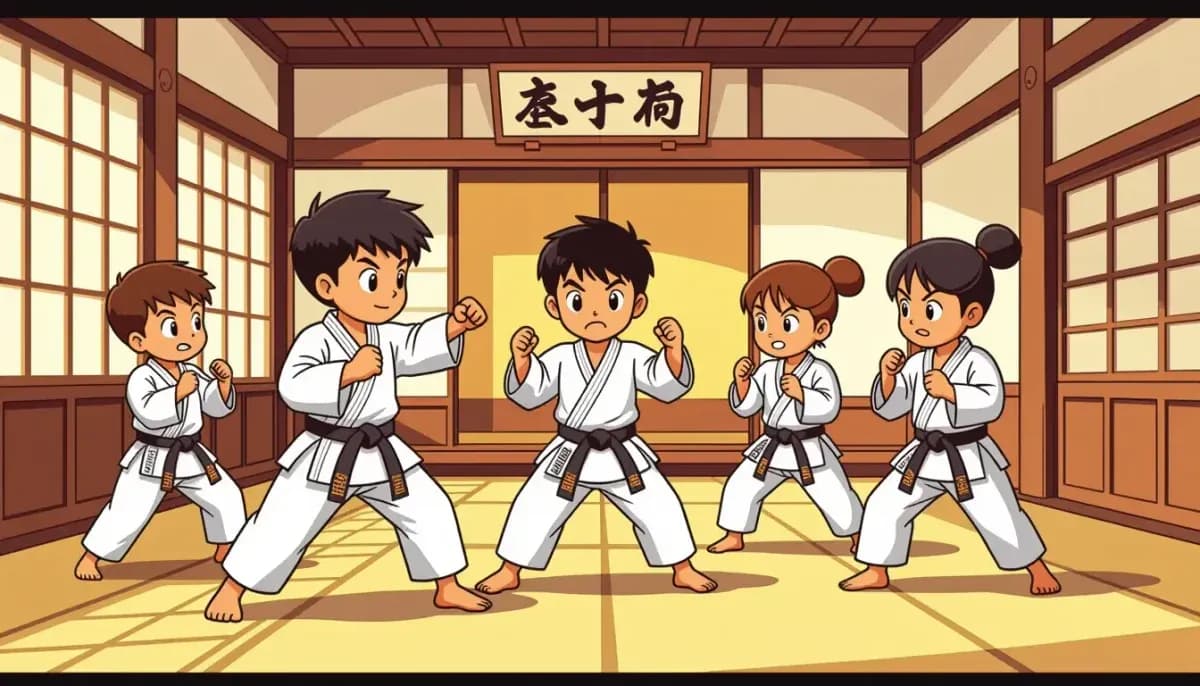
Complete guide to martial arts classes for children in Japan. Compare karate, judo, kendo, and aikido, find English-friendly dojos, and navigate the language barrier as an expat family.
Martial Arts Classes for Children in Japan: The Complete Guide for Expat Families
If you are raising children in Japan, enrolling them in martial arts is one of the most rewarding decisions you can make. Japan is the birthplace of many of the world's greatest martial arts — karate, judo, kendo, and aikido all have deep roots in Japanese culture. For expat families, martial arts classes offer a unique opportunity to integrate into local life, build friendships, and give children skills that last a lifetime.
This guide covers everything foreign parents need to know: which martial arts suit different ages and personalities, how to find the right dojo, what to expect as a non-Japanese family, and how to navigate the language barrier. Whether your child is five years old or fifteen, there is a martial art in Japan waiting for them.
Why Martial Arts Are Ideal for Children in Japan
Martial arts classes for children in Japan go far beyond physical training. Japanese dojos (training halls) place enormous emphasis on character development alongside technique. Children learn discipline, respect for teachers and peers, perseverance through difficulty, and how to lose graciously. These are values deeply embedded in Japanese society, and they translate beautifully across cultures.
From an expat perspective, martial arts offer something schools and language classes cannot: a shared physical language. When your child bows alongside Japanese classmates, learns the same throws or kata, and works toward the same colored belt, the usual barriers of language and nationality fade away. Many expat parents report that enrolling their child in a local dojo was the turning point for social integration.
Martial arts also provide structure during what can be an unsettling time for children who have moved to a new country. Regular training gives children a routine, a community, and a sense of achievement that builds confidence across every part of their lives. For more on how children build connections in Japan, see our guide on helping foreign children make friends in Japan.
The Most Popular Martial Arts for Children in Japan
Japan offers an extraordinary range of martial arts. Here are the four most popular choices for children, along with what makes each one special.
Karate (空手)
Karate is the most widely practiced martial art among children in Japan. Classes are available in virtually every city and town, often through local community centers, school sports clubs (bukatsu), and dedicated dojos. Children learn strikes, blocks, and kicks through individual forms (kata) and controlled sparring (kumite).
Karate builds explosive physical fitness, coordination, and focus. Most schools follow age-appropriate progressions with clear belt rankings that give children tangible goals to work toward. Many karate schools in Japan actively welcome foreign students, and several offer English instruction in larger cities.
Judo (柔道)
Judo, which translates as "gentle way," focuses on throws, takedowns, and ground control. It is an Olympic sport and enormously popular among Japanese children. Many elementary school physical education curricula now include judo as a compulsory subject.
Children love judo because it involves full contact without strikes — making it dynamic and exciting while remaining relatively safe when practiced with proper supervision. The Kodokan Judo Institute in Tokyo, the spiritual home of judo worldwide, has an International Department that provides English-speaking support for foreign students and their families.
Kendo (剣道)
Kendo, the "way of the sword," uses bamboo shinai and protective armor (bogu) to replicate samurai swordsmanship. It is highly ritualized, deeply connected to Japanese history, and intensely popular as a school club activity. Many Japanese children start kendo in elementary school and continue through high school and beyond.
For expat children, kendo offers an unmatched window into traditional Japanese culture. While the equipment can be expensive to purchase initially, many dojos lend gear to beginners. Tokyo Kyumeikan Kendo Dojo is one well-known option that explicitly welcomes beginners and children and provides English-language support.
Aikido (合気道)
Aikido focuses on redirecting an attacker's energy using joint locks, throws, and movements that neutralize aggression without causing injury. There are no competitions in traditional aikido, which makes it an excellent choice for children who are more interested in personal development than winning tournaments.
Pacific Aikido in Tokyo is among the most expat-friendly dojos in Japan, offering children's classes from age 5 and adult classes from age 15. Aikikai Foundation, the world headquarters for aikido, is based in Tokyo and also welcomes foreign students.
Choosing the Right Martial Art: A Comparison for Expat Parents
Different martial arts suit different children. Use this comparison to help narrow down your options.
| Martial Art | Best For | Minimum Age | Contact Level | Competition | Language Barrier |
|---|---|---|---|---|---|
| Karate | Energetic children who enjoy striking techniques | 4–5 years | Controlled sparring | Yes (optional) | Low — many English-friendly dojos |
| Judo | Physical, confident children who enjoy grappling | 5–6 years | Full contact (throws) | Yes (competitive) | Low — Kodokan has English support |
| Kendo | History-focused children who love structure | 6–7 years | Armored contact | Yes (tournaments) | Moderate — fewer English dojos |
| Aikido | Thoughtful children interested in personal growth | 5 years | Low contact | No competitions | Low — many English classes available |
| Brazilian Jiu-Jitsu | Older children interested in ground fighting | 7–8 years | Ground grappling | Yes (optional) | Low — expat-friendly gyms common |
Most experts recommend starting martial arts around age 5 to 6, when children have developed enough focus and body awareness to benefit from structured training. A parent's perspective on which martial art is right for your child in Japan offers helpful first-hand experience on making this decision. That said, many dojos have trial lessons (taiken) that allow children to try before committing — always take advantage of these.
How to Find a Dojo for Your Child in Japan
Finding the right dojo takes a little research, but the process is straightforward once you know where to look.
Local Community Centers (Kominkan): Community centers in every Japanese city and town run affordable martial arts classes for children. These classes are inexpensive, often free or near-free, and use Japanese as the language of instruction. They are excellent for children with some Japanese ability or for families committed to full integration.
School Sports Clubs (Bukatsu): From junior high school onward, Japanese schools run after-school martial arts clubs in karate, judo, kendo, and more. Participation in bukatsu is an important part of Japanese school life. For more on the school system, see how the Japanese school system works.
Private Dojos: Private dojos range from small neighborhood halls to large professional academies. Some explicitly target expat families and offer English instruction. In Tokyo, schools like Daikanyama Karate School (near Omotesando), Hero Karate Girls (Yokohama and Ebisu), and Carpe Diem Brazilian Jiu-Jitsu (multiple Tokyo locations, winner of Tokyo Weekender's Best Health or Wellness Facility 2020) are popular with foreign families.
Online Directories: The Japan Karate Association (jka.or.jp/en), All Japan Kendo Federation (kendo-fik.org), and Aikikai Foundation (aikikai.or.jp/eng) all maintain online dojo directories. Many entries include contact details and notes on English availability.
For broader guidance on finding sports clubs and activities in Japan, Living in Nihon's guide to martial arts and traditional culture in Japan is an excellent starting point. You can also explore For Work in Japan's guide to sports clubs and hobby groups for practical tips on joining community activities as a foreigner.
Navigating the Language Barrier at a Japanese Dojo
One of the biggest concerns expat parents have is language. The good news is that language is far less of a barrier than most people expect.
Martial arts are fundamentally physical disciplines. Instruction happens through demonstration and repetition, not lengthy verbal explanation. A child who watches carefully and copies what they see will learn just as effectively as a fluent Japanese speaker. Instructors across Japan consistently report that a student's attitude — their seriousness, effort, and respect for the dojo — matters far more than their language ability.
Japanese vocabulary comes naturally during training. Children quickly learn the commands used in class: rei (bow), hajime (begin), yame (stop), and the names of techniques in their chosen art. This exposure to specialized Japanese vocabulary also helps children in school and daily life. A useful phrase for children (and parents) to know is "daijoubu" — roughly meaning "it's okay" or "I'm fine" — which covers a surprising number of situations in a Japanese dojo.
For families whose children are still developing Japanese skills, look for dojos with English-speaking instructors or those that explicitly list English instruction on their websites. In Tokyo and other major cities, this is increasingly common. For resources on building your child's Japanese language skills alongside martial arts, see our guide on the best methods to teach children Japanese.
What to Expect at Your First Dojo Visit
Japanese dojos follow a strict etiquette that may feel unfamiliar at first but quickly becomes second nature. Here is what to expect at a first visit or trial lesson.
Bow when entering and leaving: The dojo floor is sacred space in Japanese martial arts. Always bow (ojigi) when stepping onto and off the training floor.
Address the instructor as Sensei: In Japanese dojos, instructors are addressed as "Sensei" as a mark of respect. Children pick this up quickly and it reinforces polite speech habits.
Arrive on time and in clean uniform: A clean gi (training uniform) and punctual attendance signal respect. Many dojos will provide or recommend a specific supplier for uniforms — ask when you first visit.
Watch a class before committing: Most reputable dojos welcome parents to observe a class before enrolling. Use this opportunity to see how the instructor interacts with children, how the class is structured, and whether the environment feels welcoming.
Ask about trial lessons: Many dojos offer taiken (trial/experience) classes at little or no cost. These are the best way to know whether a particular art and dojo is the right fit for your child.
For context on how extracurricular activities fit into broader Japanese school and community life, our article on most popular sports for children in Japan covers the full landscape of children's activities beyond the classroom.
For families balancing martial arts with academic goals, Chuukou Benkyou is a helpful resource covering middle and high school entrance exam preparation in Japan — useful context as children advance through the school system alongside their martial arts training.
Recommended English-Friendly Dojos for Children
Here is a selection of well-regarded dojos across Japan that are known for welcoming foreign children and offering English support.
| Dojo | Art | Location | Notes |
|---|---|---|---|
| Pacific Aikido | Aikido | Tokyo / Yokohama | Children from age 5; English classes |
| Daikanyama Karate School | Karate | Omotesando, Tokyo | English instruction available |
| Hero Karate Girls | Karate | Yokohama / Ebisu, Tokyo | English; women's and children's focus |
| Kodokan Judo Institute | Judo | Bunkyo-ku, Tokyo | International Dept; English support |
| Tokyo Kyumeikan Kendo | Kendo | Itabashi-ku, Tokyo | Welcomes beginners and children; English page |
| Carpe Diem BJJ | Brazilian Jiu-Jitsu | Multiple Tokyo locations | Expat-friendly; award-winning |
| Seidokan Aikido Tokyo | Aikido | Itabashi-ku, Tokyo | Classes taught in English |
For more detailed listings of English-friendly facilities across Japan, GaijinPot's guide to practicing martial arts without knowing Japanese is an excellent reference. Real Estate Tokyo's martial arts guide also provides detailed contact information and dojo locations across the capital.
The Long-Term Benefits of Martial Arts for Expat Children
Children who train in Japanese martial arts gain far more than physical fitness. They develop resilience — the ability to fail, get back up, and try again. They learn to respect authority while building the confidence to assert themselves. They make friends across cultural and language boundaries. And they gain a deep, lived understanding of Japanese culture that no textbook or language class can replicate.
For expat children navigating the challenges of growing up between cultures, martial arts offer a community, a structure, and a set of values that travel with them no matter where they live next. The belt they earn, the bowing in, the discipline of early morning practice — these become part of who they are.
If you are considering broader extracurricular options beyond martial arts, our article on understanding juku and cram schools in Japan offers perspective on the academic side of Japanese children's activities, while the benefits of raising bilingual children in Japan explores how activities like martial arts can reinforce language learning in powerful ways.
Martial arts in Japan are not just sport — they are a gateway into Japanese life, culture, and community. For expat families, there is no better way to help a child put down roots.

Originally from Vietnam, living in Japan for 16+ years. Graduated from Nagoya University, with 11 years of professional experience at Japanese and international companies. Sharing practical information for foreign parents raising children in Japan.
View Profile →Related Articles

Online Learning and Tutoring Options for Kids in Japan
Discover the best online learning and tutoring options for children in Japan — from affordable NPO programs to international test prep services. Compare costs, platforms, and tips for expat families.
Read more →
After-School Programs for Elementary Students in Japan
Complete guide to after-school programs for elementary students in Japan: gakudo childcare, juku cram schools, swimming, English, and more. Costs, enrollment tips, and advice for foreign families.
Read more →
Balancing Juku, Homework, and Free Time for Children
Learn how to balance juku cram school, homework, and free time for your child in Japan. Practical tips for foreign parents on schedules, costs, burnout signs, and alternatives to juku.
Read more →
How Much After-School Activities Cost in Japan
Complete cost breakdown of after-school activities in Japan: swimming, piano, English, juku cram schools, and bukatsu clubs. Real prices, hidden fees, and tips for expat families.
Read more →
Robotics, STEM, and Programming Classes for Kids in Japan
Find the best English-friendly robotics, STEM, and programming classes for kids in Japan. Compare Tokyo Coding Club, Coding Lab Japan, YouCode, CodeTots, and more — with pricing, ages, and locations.
Read more →
Art and Creative Classes for Kids in Japan
Discover the best art and creative classes for foreign children in Japan. From English art schools in Tokyo to traditional Japanese crafts—costs, tips, and top schools covered.
Read more →