
Art and Creative Classes for Kids in Japan

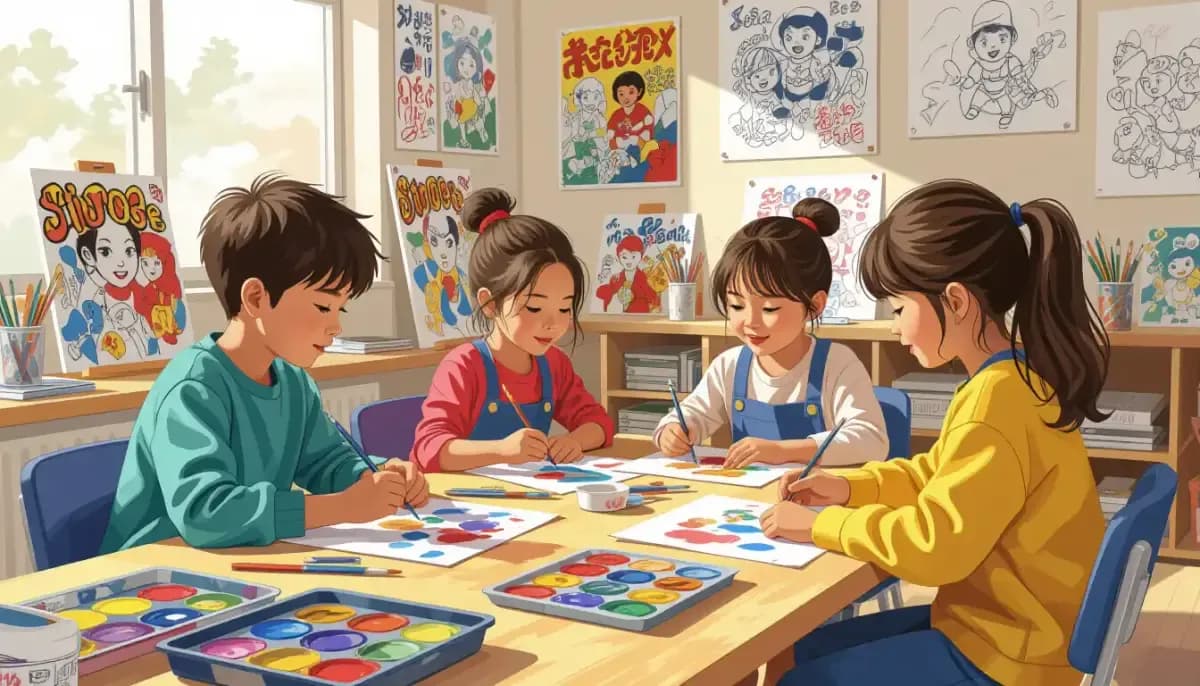
Discover the best art and creative classes for foreign children in Japan. From English art schools in Tokyo to traditional Japanese crafts—costs, tips, and top schools covered.
Art and Creative Classes for Kids in Japan: A Complete Guide for Foreign Families
Enrolling your child in art or creative classes in Japan is one of the most rewarding ways to help them develop confidence, express themselves, and build connections—even in a country where language barriers can feel daunting. Japan has a rich tradition of art education, and today's landscape includes everything from traditional Japanese crafts like ikebana and sumi-e calligraphy to modern English-language studios designed specifically for expat children. Whether your child is a budding painter, a clay enthusiast, or simply curious about creative expression, there are excellent options available across Japan.
This guide covers the major types of art and creative classes available to foreign children in Japan, highlights top schools and programs in Tokyo and beyond, gives practical advice on costs and enrollment, and explains how to find the right fit for your family.
Why Art Classes Matter for Foreign Children in Japan
For foreign children navigating life in Japan, art classes offer far more than creative development. They provide a low-pressure environment to meet peers, practice social skills, and experience the joy of making something with their hands—regardless of Japanese language ability.
Art education has been shown to support emotional wellbeing, especially in children dealing with relocation stress or culture shock. Creative classes can become a stable, joyful anchor in a child's week. Many English-language programs in Japan are structured to welcome international students, creating multicultural classroom environments where your child won't feel like the odd one out.
Beyond emotional benefits, art classes help children develop fine motor skills, problem-solving abilities, patience, and self-expression. In Japan, where academic pressure begins early, creative classes serve as a healthy balance to academic study.
For more on how to support your child's emotional wellbeing while living in Japan, see our guide on mental health and emotional wellbeing for foreign children in Japan.
Types of Art and Creative Classes Available in Japan
Japan offers a diverse range of creative programs for children. Here's an overview of the main categories:
Western-Style Art and Painting Classes
These classes teach drawing, painting, and mixed-media techniques using familiar Western art approaches. Many are taught in English, making them ideal for expat kids. Styles range from impressionism and watercolor to abstract and digital art.
Featured schools:
- Tokyo International Art School (Tokyo IAS) — Campuses in Hatagaya (Shibuya Ward) and Koyodai (Inagi City). Serves ages 5–12 with a full curriculum covering painting, sculpture, craft, design, and art history—all taught in English. Contact: msinfo@msi-education.co.jp
- Artbar Tokyo — Multiple locations in Daikanyama, Harajuku, and Ueno (Tokyo), plus Yokohama and Osaka. English-language classes from ¥5,500 per session, with reduced rates for children. No experience required.
- Miro Art Labo — A child-led studio where there are no assignments or rigid curricula. Children explore canvas painting, paper and fabric cutting, and clay sculpting at their own pace. Classes in both English and Japanese.
Traditional Japanese Arts and Crafts
Enrolling your child in a traditional Japanese art class is a wonderful way for them to connect with Japanese culture. Options include:
- Sumi-e (ink painting) — A meditative art form using black ink and brushwork
- Origami and paper crafts — Japan's iconic paper folding art, perfect for younger children
- Pottery and ceramics — Hands-on clay work that builds patience and creativity
- Ikebana (flower arrangement) — A structured, calming art with deep cultural roots
- Calligraphy (shodo) — Writing Japanese characters as artistic expression
These classes are widely offered at community centers (kominkan), cultural halls, and private studios throughout Japan—often at very affordable prices.
Multi-Arts Programs and After-School Studios
Some schools offer comprehensive after-school art programs combining several art forms. Tokyo Creators (near Shibuya/Daikanyama) is a particularly beloved example among the expat community. Founded in 2013 by American art educator Isaac Shultz, it offers:
- Mother & Child Class — For children from age 1, combining music, singing, and art
- Pre-Kinder Program — Daily 2.5-hour sessions where parents participate alongside children
- Afterschool Program (Whole World Creators) — For ages 3–6, weekly themed projects and collective murals in a bilingual environment
- Artre Class — For ages 7–13, a self-directed studio environment with multiple ongoing projects
The school's philosophy is simple: "Don't get in their way!" — trusting children to lead their own creative exploration.
Pottery and Ceramics Workshops
Clay work is particularly popular for children in Japan and is available at specialized ceramic studios, community centers, and general art schools. Crea Base offers pottery, clay modeling, and jewelry-making workshops from ¥5,500 at locations in Oshiage, Shinjuku Gyoen, and Shimokitazawa.
For traditional ceramics instruction, the Uzumako Ceramic Art School in Shiba, Minato-ku teaches hand building, sculpting, and wheel throwing. Some programs accept older children.
Top Art Schools and Studios for Kids in Japan
| School | Location | Ages | Language | Price Range | Focus |
|---|---|---|---|---|---|
| Tokyo International Art School | Hatagaya & Koyodai | 5–12 | English | Contact school | Full art curriculum |
| Tokyo Creators | Shibuya/Daikanyama | 1–13 | Bilingual (EN/JP) | Contact school | Multi-arts, play-based |
| Artbar Tokyo | Daikanyama, Harajuku, Ueno, Yokohama, Osaka | All ages | English | From ¥5,500 | Painting & mixed media |
| Miro Art Labo | Tokyo | All ages | EN & JP | Contact school | Child-led art exploration |
| Crea Base | Oshiage, Shinjuku, Shimokitazawa | All ages | Japanese | From ¥5,500 | Pottery, clay, jewelry |
| EIFJ Art School | Tokyo | Varies | English | Contact school | International arts |
| Kyoto Handicraft Center | Sakyo-ku, Kyoto | All ages | English | From ¥2,200 | Traditional crafts |
| Kspace International School | Tokyo | School-age | English | Contact school | After-school arts |
Prices and availability are subject to change. Always confirm directly with schools.
How to Find Art Classes in Your City
While Tokyo has the most concentrated selection of international art programs, art classes for children are available throughout Japan. Here's how to find options near you:
Local community centers (kominkan): Every neighborhood in Japan has a kominkan that offers subsidized classes in traditional arts. These are extremely affordable (often ¥500–¥2,000 per session) and a great way to integrate into the local community. The challenge is that most communication is in Japanese.
International school networks: If your child attends an international school, check whether after-school art programs are offered on-site or recommended by the school community. Parent networks are often the best source of referrals.
Online communities: Expat Facebook groups and forums like GaijinPot and Savvy Tokyo regularly post recommendations for English-friendly children's activities. These communities are invaluable for finding programs suited to foreign children.
Activity aggregators: Sites like ActivityJapan (en.activityjapan.com) list art workshops and classes searchable by region and language. Many offer single-session booking, making it easy to try before committing.
For more guidance on navigating extracurricular activities and after-school life in Japan, visit Living in Nihon which covers practical aspects of daily life in Japan for foreigners.
Costs and What to Expect
Art class costs in Japan vary widely depending on the type of program:
- Community center / kominkan classes: ¥500–¥2,000 per session
- Private studio classes (Japanese-medium): ¥3,000–¥8,000 per month
- English-language art schools: ¥5,500–¥15,000+ per session or ¥20,000–¥50,000 per month
- One-off workshops: ¥2,200–¥8,000 per session (great for trying a new art form)
Materials are sometimes included in the fee, but many programs require you to purchase a basic supplies kit. When enrolling, ask specifically about material fees to avoid surprises.
Trial lessons (taiken jugyo) are common and highly recommended before committing to a regular program. Most studios are happy to arrange a first session at reduced cost so your child can experience the environment.
For practical tips on budgeting for extracurricular activities in Japan, the team at For Work in Japan offers insights on financial management as a foreign resident.
Tips for Enrolling Foreign Children in Art Classes
Language concerns: Don't let the language barrier stop you. Many reputable art schools in Japan actively welcome non-Japanese speakers, particularly in cities with significant expat populations. Start by searching for "English art class" or "international" in the school's description.
Age-appropriate programs: Japanese art education often separates programs by detailed age ranges (e.g., 3–5, 5–7, 7–12). Make sure the program matches your child's developmental stage, not just their calendar age.
Cultural art exposure: Even if your child attends a Western-style art class, consider supplementing with a traditional Japanese craft experience. Origami, pottery, and ikebana are wonderful ways to connect with Japanese culture—and Japanese grandparents and neighbors will be delighted to share their knowledge.
Commitment level: Some Japanese art schools expect regular attendance and frown on frequent absences. Understand the school's expectations before signing up, especially for traditional art programs where progression follows a set curriculum.
For exam preparation context: Japanese middle and high school entrance exams occasionally include creative components. For families navigating academic pathways, understanding how extracurriculars including art fit into the broader picture is helpful—see our guide on junior high school in Japan for foreign families.
The Benefits of Traditional Japanese Art for Foreign Children
Introducing your child to traditional Japanese art forms offers unique benefits beyond creative development. Traditional Japanese arts teach discipline, patience, and an appreciation for process over outcome—values deeply embedded in Japanese culture.
Calligraphy (shodo), for example, teaches children to focus, breathe, and take each stroke mindfully. Pottery builds patience and teaches children that mistakes are part of the creative process. Ikebana introduces concepts of balance, negative space, and nature appreciation.
Children who participate in traditional Japanese arts often develop deeper cultural empathy and find it easier to connect with Japanese peers and community members. These experiences can become lifelong interests and a meaningful part of your child's identity as someone who grew up in Japan.
For academic perspectives on art education and child development in Japan, the Chuukou Benkyou site offers educational resources for foreign families.
Getting Started: Your First Steps
- Identify your child's interests — Are they drawn to painting, sculpture, traditional crafts, or digital art? A child who loves getting messy will thrive in a pottery class; a child who loves precision might prefer calligraphy.
- Research local options — Use the school list in this guide, expat community groups, and platforms like ActivityJapan to find programs near you.
- Book a trial lesson — Most studios offer trial sessions. Book one before committing to a term or semester.
- Visit the studio — Check the environment, observe how the teacher interacts with children, and make sure your child feels comfortable.
- Start small — Begin with one class per week and see how your child responds before increasing frequency.
Art and creative classes are one of the most positive investments you can make in your child's life in Japan. They build skills, friendships, confidence, and a deep appreciation for a culture with one of the richest artistic traditions in the world.
For more on after-school activities and extracurricular life in Japan, explore our related guides on raising bilingual children in Japan and the broader Japanese education system guide for foreign families.
Additional resources: GaijinPot English-Friendly Art Workshops | Japan Living Guide: Classes for Children | Tokyo Creators

Originally from Vietnam, living in Japan for 16+ years. Graduated from Nagoya University, with 11 years of professional experience at Japanese and international companies. Sharing practical information for foreign parents raising children in Japan.
View Profile →Related Articles
Online Learning and Tutoring Options for Kids in Japan
Discover the best online learning and tutoring options for children in Japan — from affordable NPO programs to international test prep services. Compare costs, platforms, and tips for expat families.
Read more →
After-School Programs for Elementary Students in Japan
Complete guide to after-school programs for elementary students in Japan: gakudo childcare, juku cram schools, swimming, English, and more. Costs, enrollment tips, and advice for foreign families.
Read more →
Balancing Juku, Homework, and Free Time for Children
Learn how to balance juku cram school, homework, and free time for your child in Japan. Practical tips for foreign parents on schedules, costs, burnout signs, and alternatives to juku.
Read more →
How Much After-School Activities Cost in Japan
Complete cost breakdown of after-school activities in Japan: swimming, piano, English, juku cram schools, and bukatsu clubs. Real prices, hidden fees, and tips for expat families.
Read more →
Robotics, STEM, and Programming Classes for Kids in Japan
Find the best English-friendly robotics, STEM, and programming classes for kids in Japan. Compare Tokyo Coding Club, Coding Lab Japan, YouCode, CodeTots, and more — with pricing, ages, and locations.
Read more →
Martial Arts Classes for Children in Japan
Complete guide to martial arts classes for children in Japan. Compare karate, judo, kendo, and aikido, find English-friendly dojos, and navigate the language barrier as an expat family.
Read more →