
Piano, Violin, and Music Lessons for Children in Japan

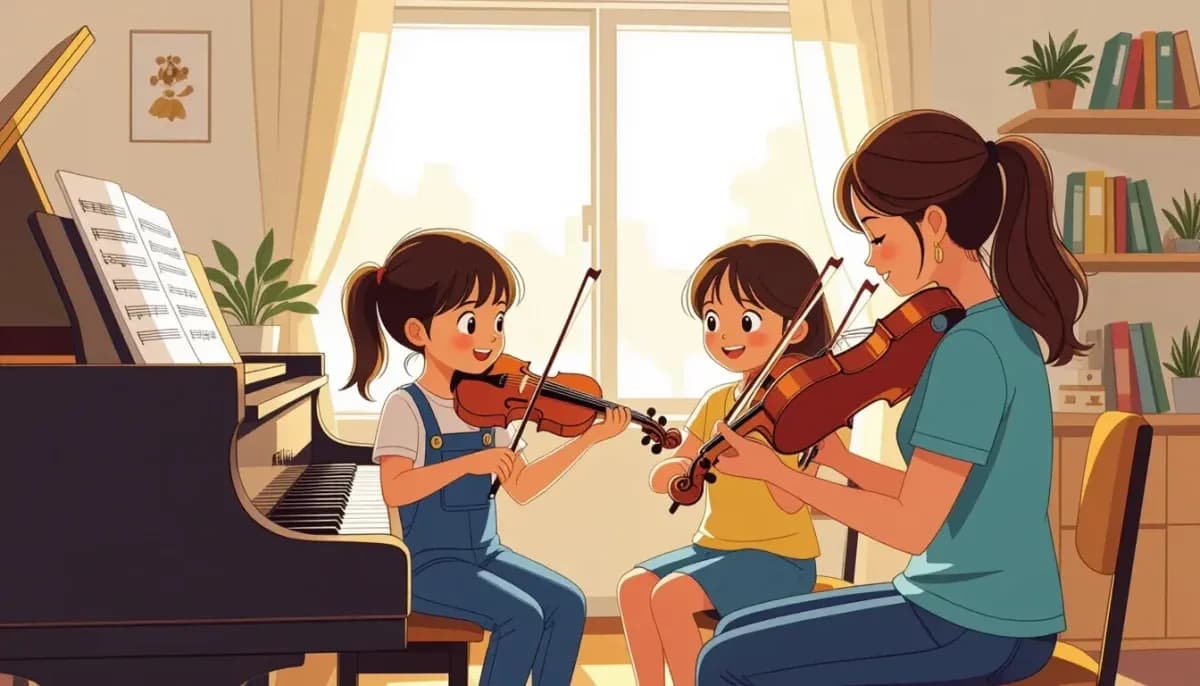
A complete guide to piano, violin, and music lessons for children in Japan. Find English-friendly schools, understand costs, and learn how to enroll as an expat family.
Piano, Violin, and Music Lessons for Children in Japan
Japan has one of the most music-rich cultures in the world. From the mandatory music classes in every public school to the rows of music schools in every neighborhood, children here are immersed in musical education from a very early age. For expat families, enrolling your child in piano or violin lessons is one of the most rewarding decisions you can make — it connects them with Japanese peers, supports cognitive development, and gives them a skill that travels with them anywhere in the world.
This guide explains how music lessons work in Japan, which schools are foreigner-friendly, what to expect in terms of cost, and how to get started even if you don't speak Japanese.
Why Music Education is So Important in Japan
Japan takes music seriously at every level. Music has been a mandatory subject in Japanese elementary and junior high schools since the 19th century — placing Japan alongside Hungary and the Netherlands as countries with the longest traditions of formal music education. Students learn to sing, read music, and play instruments as a standard part of the curriculum.
Beyond school, private music lessons are enormously popular. Piano consistently ranks as one of the top two extracurricular activities for Japanese children, alongside swimming and English conversation. According to survey data, approximately 69% of music teachers in Japan specialize in piano — making it by far the most taught instrument in the country.
Yamaha Music Schools, one of the largest private music education networks in Japan, had approximately 311,000 students enrolled in Japan alone in 2021. This gives you a sense of the scale of private music education here.
For expat families, starting your child in music lessons is also a practical social bridge. Recitals, group classes, and school-affiliated music programs bring together Japanese and foreign children, making music an unusually good way to help your child build friendships and feel rooted in their new community.
For a broader view of how extracurriculars work in Japan, see our guide to After-School Activities, Juku, and Extracurriculars in Japan.
When to Start: Age and Timing
Most Japanese children begin music lessons around age 3. This is not a rigid rule, but it reflects the culture of early childhood enrichment in Japan. By age 6, over 80% of Japanese children participate in at least one extracurricular activity, and music is one of the most common.
For expat children, there is no wrong age to start. Children who arrive in Japan at ages 6, 8, or even older can absolutely begin piano or violin lessons. In fact, slightly older children often progress faster because they can follow instructions more easily and have longer attention spans. What matters more than starting age is consistency — regular practice and a good teacher will produce results at any age.
If your child has prior musical experience from your home country, mention this when enrolling. Many schools can assess your child's existing level and place them appropriately rather than starting from scratch.
Types of Music Lessons Available
Japan offers a wide variety of music lesson formats for children:
| Lesson Type | Description | Best For |
|---|---|---|
| Private (1-on-1) | Individual lessons with a teacher, 30–50 min | All levels, focused progress |
| Group lessons | Small groups of 2–5 students | Beginners, social learners |
| Yamaha Music School | Structured group curriculum, branded | Ages 3–12, first introduction |
| Suzuki Method | Parent-involvement, listening-first approach | Ages 2–8, absolute beginners |
| ABRSM/Trinity graded | International exam-based progression | Families who may relocate |
| Online lessons | Video call lessons with a teacher | Flexible schedules |
Piano is the most common starting instrument for children aged 3–7. It teaches foundational music theory — reading both treble and bass clef, hand coordination, and rhythm — in a way that makes picking up other instruments easier later.
Violin is popular for slightly younger children (the Suzuki method famously starts children on small violins from age 2–3) and is common at competitive levels in Japan. Japan has a strong violin tradition; many of the world's leading classical violinists trained here.
Other instruments — guitar, flute, cello, and voice — are also widely available, though piano and violin dominate the children's market.
English-Friendly Music Schools for Expat Families
The main challenge for expat families is finding a school that can communicate with you and your child in English (or another language). Here are the best options:
sLs Japan Piano & Violin School
One of the top choices for multilingual families in the Tokyo-Yokohama-Kawasaki area. sLs Japan offers private and small group lessons in piano, violin, cello, viola, flute, guitar, and voice. Teachers are multilingual — lessons are available in English, Japanese, Spanish, French, and Chinese.
What makes sLs Japan especially expat-friendly:
- No admission or registration fee (most Tokyo schools charge ¥5,000–¥10,000 to enroll)
- Uses ABRSM (Associated Board of the Royal Schools of Music) and Trinity College London grading — internationally recognized, so your child's progress is portable if you relocate
- Operates across 20+ studio locations in the Tokyo area, plus online
- Trial lesson available at ¥5,000 before committing
- Associated with the Kawai Artist Piano Academy and has a student orchestra for advanced students
Visit sLs Japan for lesson fees and booking.
Tokyo Piano School (Roppongi)
Located in Roppongi, this school offers English-language private piano lessons for children and adults at all levels, from beginner to advanced. It is one of the few schools in Japan that explicitly delivers instruction in English, making it an easy entry point for newly arrived families who want to start piano quickly without a language barrier.
Yamaha Music Schools
Yamaha operates a vast network of music schools across Japan with a structured curriculum. Most Yamaha classes are conducted in Japanese, but their method books have English editions and some locations have English-speaking staff. Yamaha's group lessons for young children (ages 3–6) are an excellent introduction to music, rhythm, and ensemble playing before transitioning to private lessons.
Suzuki Method Schools
The Suzuki Method was developed in Japan — specifically in Matsumoto, Nagano — by Shinichi Suzuki in 1946. As of recent data, there are 23 Suzuki schools in Japan serving approximately 20,000 students. The method is built around listening, repetition, and strong parental involvement (parents typically attend every lesson and guide home practice). Because the Suzuki Method is globally standardized, finding a Suzuki teacher usually means finding a familiar structure regardless of language.
See en.wikipedia.org/wiki/Suzuki_method for a full explanation of the philosophy.
For more on supporting your child's creative development in Japan, see our guide to Arts, Music, and Creative Development for Children in Japan.
Costs: What to Budget
Private music lessons in Japan typically cost between ¥7,000 and ¥12,000 per month for one lesson per week. Here is a more detailed breakdown based on current market data:
| Provider / Level | Cost Per 50-Min Lesson | Notes |
|---|---|---|
| sLs Japan (Beginner–Grade 5, studio) | ¥7,800 | No admission/registration fee |
| sLs Japan (Beginner–Grade 5, home) | ¥7,000 | Teacher comes to your home |
| sLs Japan (Grade 6–8, studio) | ¥9,000 | Advanced level |
| sLs Japan (Diploma, studio) | ¥10,300 | Near-professional level |
| Shared lesson (2 students, sLs) | ¥4,950 per student | Good for siblings or friends |
| Yamaha Music School (group, age 3–6) | ~¥7,000–¥9,000/month | Includes curriculum materials |
| Private teacher (market average) | ¥7,000–¥12,000/month | Varies by location and teacher |
Additional costs to budget for:
- Instrument purchase or rental: A beginner upright piano can cost ¥100,000–¥300,000 new; electric keyboards for practice start around ¥30,000–¥60,000. Beginner violins (full or fractional size) range from ¥10,000–¥50,000.
- Recital/concert fees: Many schools hold annual recitals that charge a participation fee of ¥3,000–¥10,000.
- Sheet music and lesson books: Budget ¥1,000–¥3,000 per month in the early years.
- Tuning (piano): Acoustic pianos need tuning 1–2 times per year, approximately ¥10,000 per visit.
For families looking at the broader financial picture of raising children in Japan, see our guide to Financial Planning for Expat Families Raising Children in Japan.
How to Enroll: Step-by-Step for Expat Families
- Choose your instrument and lesson format. Piano is the most accessible starting point. Violin is excellent for very young children using the Suzuki method. Group lessons suit social learners; private lessons suit focused progress.
- Search for English-friendly schools. Start with sLs Japan, Tokyo Piano School, or your local Yamaha Music School. Ask explicitly whether English instruction is available before booking.
- Book a trial lesson. Most schools offer a trial lesson at a reduced rate (sLs Japan charges ¥5,000 for a 50-minute trial). Use this to assess teacher compatibility and whether your child is comfortable.
- Check the school's grading or curriculum system. If your family may relocate internationally, choose a school that uses ABRSM or Trinity College London grading — these qualifications are recognized worldwide.
- Arrange an instrument. Your teacher will typically advise on appropriate size (especially for violin) and whether a rental or purchase makes more sense at your child's age.
- Establish a home practice routine. Most teachers expect 15–30 minutes of practice per day for beginners. Japan's small apartments can make this challenging, but electric keyboards (with headphones) and practice mutes for violins help significantly.
For more on navigating the Japanese education landscape, see our Complete Guide to the Japanese Education System for Foreign Families.
Tips for Parents: Making the Most of Music Lessons in Japan
- Attend lessons when possible. Especially with the Suzuki method, parent attendance is expected. Even for non-Suzuki lessons, observing helps you support home practice.
- Don't worry if your child's Japanese is limited. Good music teachers communicate through demonstration, gesture, and the music itself. Language barriers are smaller in music lessons than in most other settings.
- Embrace recital culture. Japanese music schools take recitals very seriously — children dress formally and perform for a small audience. These are positive experiences that build confidence. Lean in.
- Consider ABRSM exams. If you want a portable record of your child's musical progress, ABRSM exams are held in Japan and globally recognized. sLs Japan prepares students specifically for these.
- Use the community. Expat parent groups on Facebook, Line, and other platforms often share recommendations for specific teachers and schools in your area. Local word-of-mouth is invaluable.
For more on extracurricular options and how to balance activities with school life, see Living in Nihon's guide to juku and extracurricular activities in Japan.
For families also exploring physical activities alongside music, see For Work in Japan's family activity guide for ideas on combining music with sports and leisure.
Research from Japan's academic community shows that music lessons promote cooperative skills, emotion regulation, and a range of extra-musical abilities in children — findings consistent with global research. See the Yamaha Music Education in Japan case study for a detailed look at how Japanese schools approach musical excellence.
For families navigating the balance between music lessons and academic preparation — especially if middle or high school entrance exams are on the horizon — Chuukou Benkyou's discussion of balancing extracurriculars with exam prep offers useful perspective.
Conclusion
Music lessons — especially piano and violin — are one of the most rewarding extracurricular paths for children in Japan. The infrastructure is excellent, costs are reasonable, and the cultural value placed on musical skill means your child will be appreciated and encouraged by teachers and peers alike.
For expat families, schools like sLs Japan make it easy to start without a Japanese language barrier. The investment pays dividends beyond music: discipline, cognitive development, performance confidence, and a connection to one of Japan's most cherished cultural traditions.
Start with a trial lesson, choose the right teacher, and let your child discover what Japan's rich musical culture has to offer.

Originally from Vietnam, living in Japan for 16+ years. Graduated from Nagoya University, with 11 years of professional experience at Japanese and international companies. Sharing practical information for foreign parents raising children in Japan.
View Profile →Related Articles
Online Learning and Tutoring Options for Kids in Japan
Discover the best online learning and tutoring options for children in Japan — from affordable NPO programs to international test prep services. Compare costs, platforms, and tips for expat families.
Read more →
After-School Programs for Elementary Students in Japan
Complete guide to after-school programs for elementary students in Japan: gakudo childcare, juku cram schools, swimming, English, and more. Costs, enrollment tips, and advice for foreign families.
Read more →
Balancing Juku, Homework, and Free Time for Children
Learn how to balance juku cram school, homework, and free time for your child in Japan. Practical tips for foreign parents on schedules, costs, burnout signs, and alternatives to juku.
Read more →
How Much After-School Activities Cost in Japan
Complete cost breakdown of after-school activities in Japan: swimming, piano, English, juku cram schools, and bukatsu clubs. Real prices, hidden fees, and tips for expat families.
Read more →
Robotics, STEM, and Programming Classes for Kids in Japan
Find the best English-friendly robotics, STEM, and programming classes for kids in Japan. Compare Tokyo Coding Club, Coding Lab Japan, YouCode, CodeTots, and more — with pricing, ages, and locations.
Read more →
Art and Creative Classes for Kids in Japan
Discover the best art and creative classes for foreign children in Japan. From English art schools in Tokyo to traditional Japanese crafts—costs, tips, and top schools covered.
Read more →