
Understanding Juku (Cram Schools) in Japan

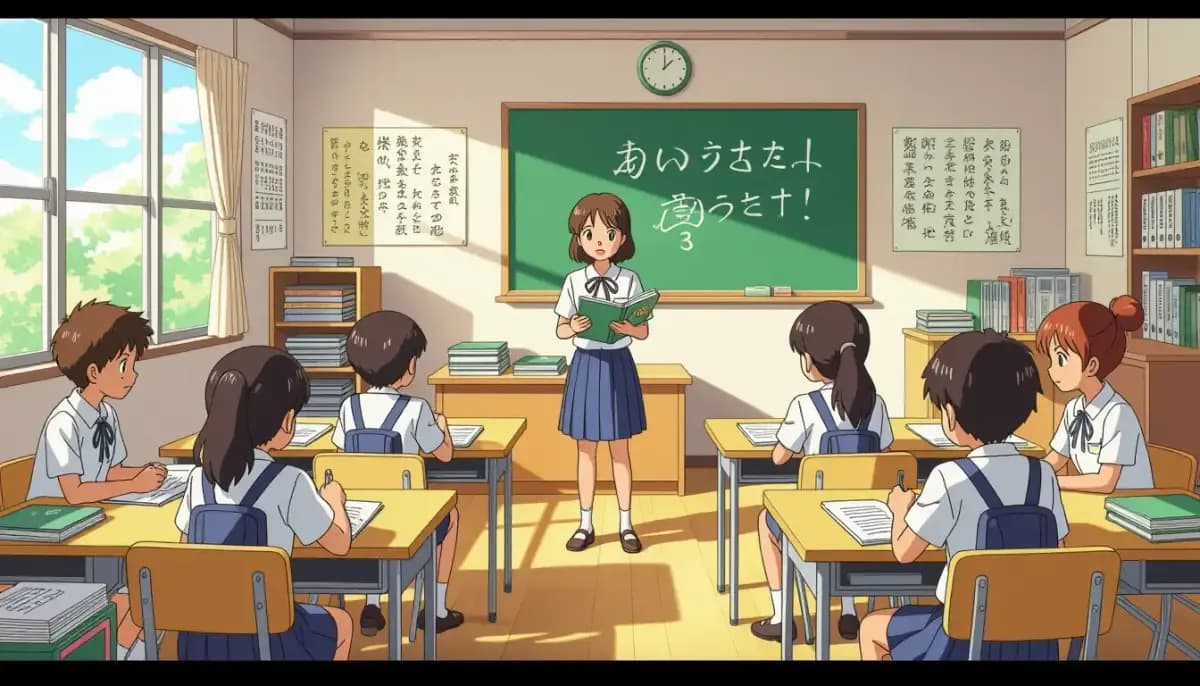
Everything foreign families need to know about juku (cram schools) in Japan — types, costs, schedules, and whether your child should attend. Practical guide for expat parents.
Understanding Juku (Cram Schools) in Japan: A Complete Guide for Foreign Families
If you have children attending school in Japan, you have almost certainly heard the word juku (塾). These after-school cram schools are a defining feature of Japanese education, shaping the daily lives of millions of children from elementary through high school. For foreign parents unfamiliar with the system, juku can seem overwhelming, confusing, or even unnecessary. This guide explains everything you need to know — what juku are, how they work, what they cost, and whether your child should attend one.
What Is a Juku?
A juku (塾) is a private, after-school tutoring school or cram school. Children attend in the evenings and on weekends, in addition to their regular school day, to receive additional academic instruction. There are over 50,000 juku operating across Japan, with more than 6.5 million students enrolled at any given time.
Juku serve two main purposes:
- Exam preparation (juken juku / 受験塾): These schools prepare students for competitive entrance examinations for prestigious middle schools, high schools, or universities. This is the most intense type.
- Academic supplementation (hoshu juku / 補習塾): These schools reinforce what students learn in regular school. Children who struggle in certain subjects, or whose parents want them to stay ahead, attend this type.
The distinction matters for foreign families. If your child simply needs support keeping up with Japanese schoolwork, a hoshu-type juku may be helpful. If your child aims to enter a competitive private middle school or high school, exam-prep juku are essential — but also far more demanding and expensive.
Who Attends Juku and When?
Juku attendance in Japan starts surprisingly early. According to national surveys, 6.2% of first graders already attend juku. By middle school, the numbers are striking:
- 25.9% of public elementary school students attend academic juku
- 53.5% of public junior high school students attend juku
- 65% of all middle school students participate in some form of supplementary education, attending 2 to 15 hours per week
Most families begin juku in grades 3 or 4 (ages 8 to 10). For families targeting private middle school entrance exams — a highly competitive process in major cities — grade 4 enrollment at a serious juku is considered almost mandatory to have enough preparation time before the exams in grade 6.
Children attending international schools in Japan generally do not use juku, as the curriculum and examination tracks are different. Juku are most relevant for children enrolled in Japanese public or private schools.
Types of Juku in Japan
Understanding the different categories will help you match the right school to your child's needs.
| Type | Purpose | Age Range | Intensity | Cost |
|---|---|---|---|---|
| Juken Juku (受験塾) | Entrance exam prep | Grades 4–9 | Very high | ¥¥¥¥ |
| Hoshu Juku (補習塾) | School subject support | Grades 1–12 | Low-moderate | ¥¥ |
| Kobetsu Shido (個別指導) | One-on-one tutoring | All ages | Flexible | ¥¥¥ |
| Eikaiwa (英会話) | English conversation | All ages | Low | ¥¥ |
| Soroban/Kumon | Math / skill building | Ages 3+ | Moderate | ¥¥ |
Kobetsu shido (individual guidance) juku are particularly relevant for foreign children who need Japanese language support alongside academic help. Rather than group classes where everyone follows the same pace, individual instruction can be adjusted to the child's level.
Kumon is worth special mention. It is one of the most internationally recognized Japanese educational franchises, offering self-paced worksheets in math, Japanese, and English. Kumon centers exist worldwide and can be a gentle introduction for children who are still building Japanese skills.
The Big Four: Major Juku Chains for Middle School Entrance Exams
For families in Tokyo and other major cities whose children are preparing for competitive private middle school entrance exams (中学受験, chugaku juken), four juku chains dominate:
| Juku | Founded | Schools (approx.) | Teaching Style | 3-Year Cost (Grades 4–6) |
|---|---|---|---|---|
| SAPIX | 1989 | ~48 | Review-based | ~¥2.56M |
| Waseda Academy | 1975 | ~160 | Preview-based | ~¥2.2M |
| Yotsuya Otsuka | 1954 | ~30 | Preview-based | ~¥2.1M |
| Nikkenyiken (Nichiken) | 1976 | ~150 | Review-based | ~¥1.91M |
SAPIX is the most prestigious and the most expensive, known for very high exam pass rates to elite schools like Kaisei, Azabu, and Sakurai. It uses a review-based teaching style where new material is introduced at school and then drilled at juku. Yotsuya Otsuka and Waseda Academy use a preview approach, teaching material at juku before it appears at school.
These figures — ¥1.91M to ¥2.56M over three years — represent tuition alone and do not include textbooks, test fees, summer intensives, or optional supplementary classes. Many families spend significantly more.
For a detailed comparison of these four chains, Chuukou Benkyou provides an excellent breakdown of costs and features. For a broader overview of Japanese cram school culture, Tofugu's guide to juku is also an excellent starting point.
How Much Does Juku Cost?
Cost varies enormously by type and intensity:
- Budget/hoshu juku: ¥5,000–¥15,000/month
- Average academic juku: ¥10,000–¥30,000/month
- Exam-prep juku (top chains, grades 4–6): ¥50,000–¥80,000+/month
- Average annual spend: ~¥119,000 for elementary; ~¥214,000 for middle school students
The average Japanese family with two school-age children spends approximately 16% of household income on education, with juku representing the largest portion of that expense. In extreme cases, families preparing children for the most selective private middle schools report spending ¥500,000 or more per year per child.
Attendance and cost are strongly correlated with household income and parental education. About 70% of children of professionals and managers attend juku, compared to under 30% of children from agricultural worker households.
Some municipalities offer subsidies for juku fees for children in lower-income households or foster care. It is worth checking with your local ward office if cost is a barrier.
The Juku Schedule: What to Expect
Juku classes typically run in the evenings on weekdays, with additional sessions on weekends. A typical schedule at a competitive exam-prep juku looks like this:
- Weekdays: Classes from 5:00 PM to 8:00 PM, sometimes extending to 9:30 PM or 10:30 PM
- Weekends: Half-day or full-day sessions
- Summer/Winter: Intensive camp-style programs for several weeks
- New Year: Some top exam-prep juku run all-night New Year study sessions
For younger children (grades 4–5), this schedule is demanding but generally manageable. By grades 5 and 6 in the exam-prep track, children may be at juku four or five nights per week plus both weekend days. Family holidays, sports teams, and other extracurriculars often have to be reduced or eliminated.
This schedule is one of the most significant factors for foreign families to consider. If your family values a wide range of childhood experiences — sports, music, family travel — the intense exam-prep juku path may not fit your priorities.
Juku for Foreign Children: Special Considerations
Foreign children face unique challenges with Japanese juku, and parents should plan accordingly.
Language barrier: Almost all juku instruction is conducted entirely in Japanese. Textbooks, worksheets, explanations, and tests are in Japanese. A child who is still building Japanese proficiency will struggle significantly in a regular juku environment.
Curriculum gap: Foreign children who moved to Japan after starting school elsewhere may be ahead in some subjects (such as math) but behind in others (Japanese language arts, kanji, Japanese history/geography).
Recommendations for foreign families:
- Prioritize Japanese language support first. Before enrolling in academic juku, consider Japanese language classes or tutoring to build the foundation needed to benefit from juku instruction.
- Consider kobetsu shido (individual tutoring) juku. One-on-one instruction allows the teacher to adjust the pace and language to your child's level, which is far more effective than a group class where the child cannot follow.
- Look into juku specifically serving foreign children. Freedom Language School is one known provider offering individualized juku for foreign children in Japan, covering Japanese language, math, and other subjects.
- Speak to your child's homeroom teacher. Japanese elementary and middle school teachers often know which local juku have experience with non-native speakers or slower-paced learning environments.
For broader guidance on raising children in Japan as a foreign family, Living in Nihon's education guide provides helpful context on the overall Japanese school system.
Should Your Child Attend Juku?
There is no universal answer. Here are questions to help you decide:
Consider juku if:
- Your child is attending a Japanese public school and needs academic support
- Your child wants to attempt private middle school or high school entrance exams
- Your child is motivated and the schedule is sustainable for your family
- You can afford it without significant financial strain
Be cautious if:
- Your child is still building Japanese language skills and would not be able to follow group instruction
- Your child is already showing signs of stress or burnout from school
- The cost would create serious financial pressure
- Your family expects to leave Japan within 1–2 years
Japanese children themselves report more positive experiences with juku than international media coverage often suggests. Many children appreciate the structure, the friendships formed at juku, and the sense of academic progress. However, stress and exhaustion are real risks, particularly in the most intensive exam-preparation environments.
For insight into how to support your child's broader school experience in Japan, see our guides on elementary school in Japan for foreign parents and junior high school in Japan for foreign families.
How to Find and Choose a Juku
Once you have decided to explore juku, here are practical steps:
- Ask neighbors and other parents. Word-of-mouth is the primary way Japanese families find juku. Other parents at your child's school are the best resource.
- Look for trial lessons (taiken jusho / 体験授業). Most juku offer free trial lessons. Always attend one before enrolling.
- Check for English-speaking staff. Some juku in international areas have English-speaking staff who can help foreign parents navigate enrollment and communicate about progress.
- Visit in person. The atmosphere and teaching style vary enormously. A calm, organized classroom with small class sizes is generally preferable to a chaotic, overcrowded one.
- Ask about cancellation policies. Enrollment contracts can be difficult to exit mid-year at some juku. Understand the terms before signing.
For those navigating the Japanese school system from a work and career perspective, For Work in Japan provides broader resources for understanding life and work as a foreigner in Japan.
Summary
Juku are a central part of Japanese educational culture that you will encounter if your child attends a Japanese school. They range from gentle supplementary classes to highly intensive exam-preparation programs costing millions of yen. For foreign families, the key considerations are Japanese language proficiency, cost, schedule sustainability, and whether your child's goals align with what a particular juku offers.
Foreign children can and do attend and benefit from juku in Japan — but the path requires more preparation and more careful matching of the right type of juku to your child's actual needs. Start with language support, visit trial lessons, and speak to other foreign families in your area to find what works.
For more on navigating the Japanese school system as a foreign family, see our guide to the Japanese education system for foreign families and tips on raising bilingual children in Japan.

Originally from Vietnam, living in Japan for 16+ years. Graduated from Nagoya University, with 11 years of professional experience at Japanese and international companies. Sharing practical information for foreign parents raising children in Japan.
View Profile →Related Articles

Online Learning and Tutoring Options for Kids in Japan
Discover the best online learning and tutoring options for children in Japan — from affordable NPO programs to international test prep services. Compare costs, platforms, and tips for expat families.
Read more →
After-School Programs for Elementary Students in Japan
Complete guide to after-school programs for elementary students in Japan: gakudo childcare, juku cram schools, swimming, English, and more. Costs, enrollment tips, and advice for foreign families.
Read more →
Balancing Juku, Homework, and Free Time for Children
Learn how to balance juku cram school, homework, and free time for your child in Japan. Practical tips for foreign parents on schedules, costs, burnout signs, and alternatives to juku.
Read more →
How Much After-School Activities Cost in Japan
Complete cost breakdown of after-school activities in Japan: swimming, piano, English, juku cram schools, and bukatsu clubs. Real prices, hidden fees, and tips for expat families.
Read more →
Robotics, STEM, and Programming Classes for Kids in Japan
Find the best English-friendly robotics, STEM, and programming classes for kids in Japan. Compare Tokyo Coding Club, Coding Lab Japan, YouCode, CodeTots, and more — with pricing, ages, and locations.
Read more →
Art and Creative Classes for Kids in Japan
Discover the best art and creative classes for foreign children in Japan. From English art schools in Tokyo to traditional Japanese crafts—costs, tips, and top schools covered.
Read more →