
How to Choose the Right Juku for Your Child

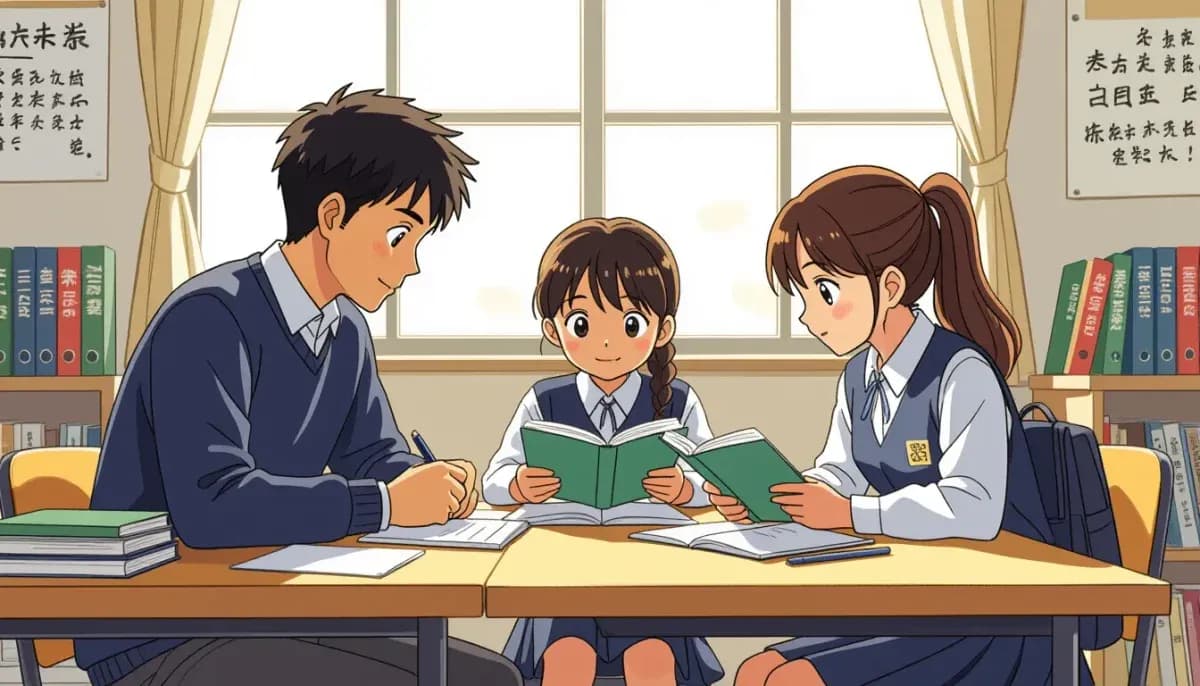
A practical guide for foreign parents on choosing the right juku (cram school) in Japan. Covers types, major chains, costs, and tips for expat families with children.
How to Choose the Right Juku for Your Child in Japan
If you are raising a child in Japan, you have almost certainly encountered the word juku (塾). These after-school cram schools are woven into the fabric of Japanese educational culture, and for many families — including foreign ones — the question is not whether to consider juku, but how to choose the right one. With over 37% of all Japanese students enrolled in juku (rising to more than 52% for junior high students), ignoring them entirely is becoming harder for expat parents who want their children to keep pace academically.
This guide will walk you through everything you need to know: the different types of juku, the major chains, realistic costs, how to evaluate options, and what to watch out for — especially as a foreign family navigating a system that can feel opaque from the outside.
What Is Juku and Why Does It Matter?
Juku is the general term for private, fee-paying supplementary education outside of regular school hours. It covers a wide spectrum — from self-paced math worksheets at a local Kumon center to intensely competitive exam-prep schools where elementary school students study until 9 p.m. several nights a week.
The Japanese government's own surveys show that over 6.5 million students attend juku at any given time nationwide. By the time children reach junior high school, the majority of their classmates will be enrolled somewhere. This creates real peer pressure — academic and social — that can affect children who are not attending.
For foreign children, the calculus is slightly different. Language barriers, integration goals, and questions about long-term residency all shape whether juku makes sense and which kind is the right fit. Understanding the landscape is the first step.
Types of Juku: Matching the Goal to the School
Not all juku are the same. Choosing the wrong type for your child's needs is one of the most common mistakes parents make.
1. Supplementary (Gakushu) Juku
These schools follow the regular school curriculum but typically run a year or more ahead of it. The goal is reinforcement and advancement. This is the most common type for elementary-age children. If your child is keeping up in school but you want to ensure solid foundations and prepare for the jump to junior high, a gakushu juku is usually the right starting point.
2. Exam Prep Juku (Juken Juku)
These are the high-stakes schools that prepare children for competitive entrance examinations to prestigious junior high schools, high schools, or universities. Enrollment timelines matter enormously here — most mainstream juken juku require children to enroll by 4th or 5th grade to follow the full exam prep track. The workload is substantial, and these schools are genuinely demanding.
3. Remedial Juku
For children who are falling behind in specific subjects, remedial juku provides catch-up support. Teachers typically focus on identifying gaps and rebuilding understanding at the child's current level before moving forward.
4. Subject-Specific Juku
These focus on a single discipline — most often mathematics or English. English conversation schools (eikaiwa) are a popular and accessible entry point for many foreign families, since instruction is often bilingual or in English.
5. Non-Academic Juku
Not all juku are about textbooks. Swimming, piano, calligraphy, martial arts, and art are all commonly offered through juku-style programs with regular attendance schedules and structured instruction. These can be excellent options for younger children or for families who want enrichment rather than academic pressure.
Major Juku Chains: What You Need to Know
| Chain | Type | Format | Approx. Monthly Cost |
|---|---|---|---|
| Kumon | Self-paced math & reading | Twice-weekly, worksheet-based | ¥7,000–¥10,000/subject |
| SAPIX | Competitive exam prep | Group, 3+ evenings/week | ¥30,000–¥60,000+ |
| Nichinoken | Junior high exam prep | Group + individual options | ¥25,000–¥50,000 |
| Eikoh Seminar | Curriculum + public exam prep | Group instruction | ¥15,000–¥30,000 |
| Daiichi Seminar | General supplementary | Group + small group | ¥15,000–¥25,000 |
| Benesse (Route H) | Test prep & curriculum | Group | ¥15,000–¥30,000 |
Kumon is by far the most accessible entry point for foreign families. Its self-paced model means a child can work at their own level regardless of grade, and the structure is familiar enough to navigate even with limited Japanese. Children typically attend twice a week and complete daily worksheets at home.
SAPIX sits at the other extreme — it is one of the most competitive and well-regarded prep schools for junior high entrance exams in the Tokyo area. The commitment is significant: classes several evenings per week, intensive weekend sessions, and a curriculum that demands substantial home study on top of regular school.
Nichinoken operates 84 branches across Japan (61 in the Tokyo metropolitan area) and specializes in junior high entrance exam preparation, while also offering private tutoring from 1st grade onward.
For foreign families interested in exam prep, checking whether the juku has any experience with or support for non-native Japanese speakers is essential before committing.
How Much Does Juku Actually Cost?
Juku costs are one of the biggest surprises for families new to Japan. The numbers below reflect typical ranges, but costs can escalate significantly with exam-focused schools, supplementary materials, and seasonal intensive courses.
| Child's Grade | Typical Annual Juku Cost |
|---|---|
| Elementary (4th grade) | ¥600,000–¥800,000 (~$4,000–$5,500) |
| Elementary (6th grade, exam track) | ¥1,200,000–¥2,000,000+ |
| Junior high (exam prep) | ¥1,500,000–¥3,000,000+ |
| Kumon (single subject) | ¥84,000–¥120,000/year |
| English conversation school | ¥72,000–¥144,000/year |
Note that monthly tuition is rarely the only cost. Registration fees, annual materials fees, textbooks, and intensive courses during summer and winter holidays are typically charged separately and can add ¥100,000–¥300,000 per year to the headline figure.
Average Japanese families spend approximately 16% of household income on education expenses, with juku representing the largest share for school-age children. For foreign families budgeting carefully, factor these costs into your overall financial plan well in advance.
How to Evaluate and Choose: A Practical Checklist
With dozens of juku in most cities and a bewildering range of options, narrowing down the right choice requires a systematic approach.
Step 1: Define the Goal
Be specific. Is the goal to reinforce what your child is learning at school? To prepare for an entrance exam? To catch up in a specific subject? To develop English skills? Your answer should immediately narrow the field to one or two juku types.
Step 2: Assess Your Child's Learning Style
A child who thrives on competition and peer pressure may do well in a large-group exam prep school. A child who needs one-on-one attention, or who feels anxious in competitive settings, will likely struggle — regardless of the school's reputation. Match the format to the child, not to rankings.
Step 3: Attend a Trial Class
Virtually every juku in Japan offers a taiken jugyo (体験授業) — a free trial class. Always take this before committing to enrollment. Attend with your child and observe the classroom atmosphere, class size, how the teacher handles different ability levels, and whether your child feels comfortable.
Step 4: Ask the Right Questions
When meeting with juku staff, ask:
- What is the average class size?
- How do teachers identify and address gaps in understanding?
- What happens if my child falls behind the group?
- Are there additional costs beyond the monthly tuition?
- Does the school have experience teaching children from foreign families?
- Is there any Japanese language support for non-native speakers?
Step 5: Consider the Logistics
Juku typically runs from around 5 p.m. to 8 p.m. on weekday evenings, with some sessions running later. Factor in commute time — many exam-focused juku are not in your immediate neighborhood — and consider the total daily schedule your child will be managing: school hours, commute, juku, homework, dinner, sleep.
Special Considerations for Foreign Families
Foreign families face a set of considerations that Japanese families typically do not.
Language of instruction: The overwhelming majority of juku teach entirely in Japanese. For children who are still developing Japanese proficiency, joining a mainstream juku prematurely can be overwhelming and counterproductive. Be realistic about your child's current Japanese level.
Juku for foreign children: Specialized juku for non-native Japanese speakers do exist, though they are not evenly distributed across Japan. Freedom Language School in Aichi Prefecture, for example, offers individualized instruction in Japanese language and mathematics for foreign-background children. Searching for 外国人 塾 (foreign children juku) in your prefecture may surface local options.
Integration goals: If your goal is full integration into the Japanese school system — including sitting Japanese entrance exams and eventually attending Japanese universities — starting juku at the appropriate age and type is important. If you are planning to stay short-term or to move to an international school track, the cost-benefit calculation shifts considerably. For a broader overview of the educational choices available to foreign families, the comprehensive guide at Living in Nihon covers the full landscape of public, international, and ethnic school options.
Socioeconomic awareness: It is worth knowing that juku attendance in Japan is strongly correlated with household income. Families earning lower incomes face genuine barriers to access. If cost is a constraint, Kumon's self-paced model offers the best value-for-money entry point, and some municipal governments offer educational support subsidies for lower-income families.
For general insights into working and living in Japan as a foreigner, including the financial aspects of raising a family, For Work in Japan provides useful resources. For study and exam strategies relevant to the Japanese school context, Chuukou Benkyou offers study guidance aligned with the Japanese curriculum.
Warning Signs: When Juku Is Doing More Harm Than Good
More juku is not always better. Research consistently shows that heavy juku attendance is associated with reduced sleep, less leisure time, and in some cases significant mental health strain. Warning signs that your child's juku schedule needs reassessment include:
- Persistent fatigue — your child is regularly exhausted, falling asleep at dinner, or having difficulty waking for school
- Declining school performance — the opposite of what juku is supposed to achieve
- Loss of enthusiasm — subjects your child once enjoyed now feel like burdens
- Anxiety or irritability around juku days specifically
- No unstructured time — a child who has no time for play, friends, or simply doing nothing is being over-scheduled
Children — especially in elementary school — need unstructured time for social development, creativity, and rest. The research on this is clear, even if it sometimes gets lost in the competitive noise of Japanese education culture. A juku that fits well into a balanced schedule is an asset; one that dominates a child's waking hours can cause lasting damage.
Putting It Together
Choosing the right juku for your child is ultimately about alignment: aligning the juku's strengths with your child's needs, your family's goals, your budget, and your child's capacity. There is no single correct answer, and the right choice at age eight may need to be revisited at age eleven.
Start with a clear goal, attend trial classes, ask hard questions, and stay attentive to how your child is responding after enrollment. For a deeper dive into the cultural context of juku, Tofugu's comprehensive overview covers teacher quality data and student experiences in detail.
The juku system in Japan can be a genuinely valuable educational resource — or an expensive source of stress — depending almost entirely on whether the fit is right.
For more on navigating Japan's school system as a foreign family, see our guides on elementary school in Japan, junior high school in Japan, and raising bilingual children in Japan.

Originally from Vietnam, living in Japan for 16+ years. Graduated from Nagoya University, with 11 years of professional experience at Japanese and international companies. Sharing practical information for foreign parents raising children in Japan.
View Profile →Related Articles

Online Learning and Tutoring Options for Kids in Japan
Discover the best online learning and tutoring options for children in Japan — from affordable NPO programs to international test prep services. Compare costs, platforms, and tips for expat families.
Read more →
After-School Programs for Elementary Students in Japan
Complete guide to after-school programs for elementary students in Japan: gakudo childcare, juku cram schools, swimming, English, and more. Costs, enrollment tips, and advice for foreign families.
Read more →
Balancing Juku, Homework, and Free Time for Children
Learn how to balance juku cram school, homework, and free time for your child in Japan. Practical tips for foreign parents on schedules, costs, burnout signs, and alternatives to juku.
Read more →
How Much After-School Activities Cost in Japan
Complete cost breakdown of after-school activities in Japan: swimming, piano, English, juku cram schools, and bukatsu clubs. Real prices, hidden fees, and tips for expat families.
Read more →
Robotics, STEM, and Programming Classes for Kids in Japan
Find the best English-friendly robotics, STEM, and programming classes for kids in Japan. Compare Tokyo Coding Club, Coding Lab Japan, YouCode, CodeTots, and more — with pricing, ages, and locations.
Read more →
Art and Creative Classes for Kids in Japan
Discover the best art and creative classes for foreign children in Japan. From English art schools in Tokyo to traditional Japanese crafts—costs, tips, and top schools covered.
Read more →