
Building Self-Esteem and Confidence in Foreign Children

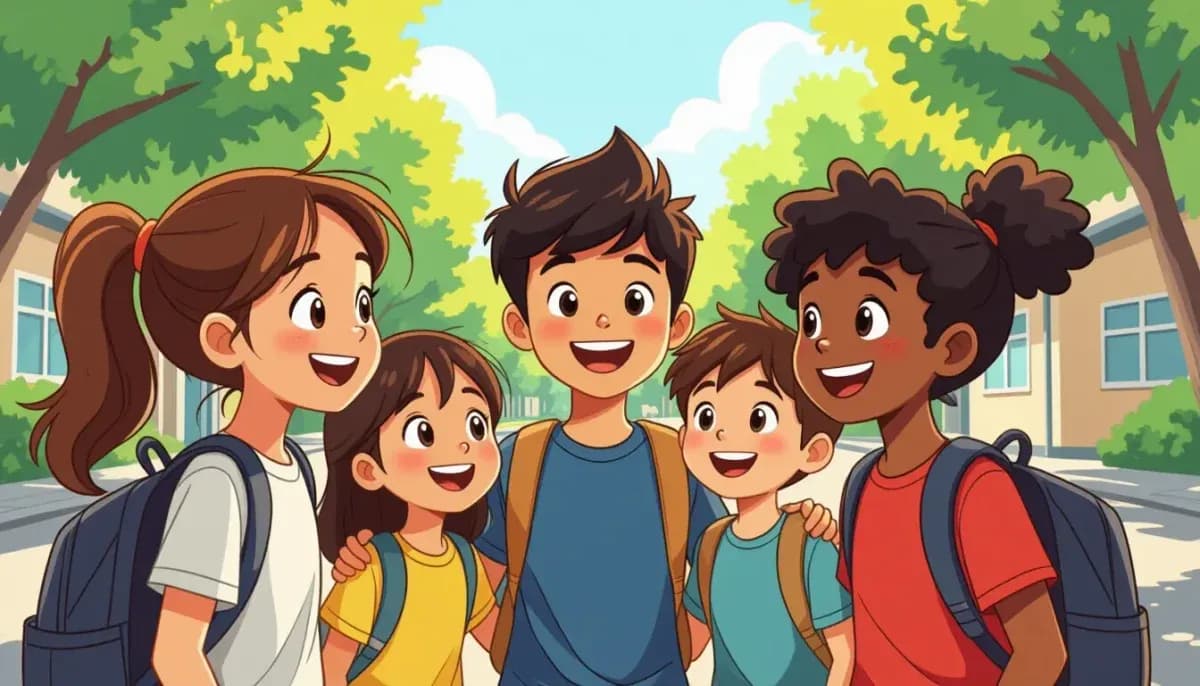
Practical guide for expat parents on building self-esteem and confidence in foreign children in Japan. Learn strategies for navigating Japanese schools, bilingual identity, and bullying prevention.
Building Self-Esteem and Confidence in Foreign Children in Japan
Moving to Japan with children is an exciting adventure—but for your kids, it can also be a deeply challenging emotional journey. Foreign children navigating Japanese schools, friendships, and cultural expectations face unique pressures that can shake their sense of identity and self-worth. The good news is that with the right support strategies, many expat children not only adapt but thrive, developing resilience and bilingual confidence that becomes a lifelong asset.
This guide explores the specific challenges foreign children face in Japan, the cultural dynamics at play, and practical, evidence-based strategies for building self-esteem and confidence in your child.
Understanding the Unique Challenges Foreign Children Face in Japan
Japan is a society that values harmony and conformity. The cultural proverb "Deru kui wa utareru"—"the nail that sticks out gets hammered down"—reflects a deep social expectation to blend in. For foreign children who look different, speak a different language, or come from different cultural backgrounds, standing out is unavoidable. This can create significant psychological pressure.
Approximately 70,000 foreign students currently require Japanese language instruction in Japan—double the number from a decade ago. As international families continue to arrive, the challenges these children face are becoming better understood, but many still feel isolated in their early months and years.
Key challenges include:
- Language barriers: Not understanding teachers or classmates creates instant social distance
- Cultural differences in communication: Japanese children often use indirect communication, which can be confusing for kids raised with more direct styles
- Physical differences: Hair color, eye color, and skin tone can draw unwanted attention
- Academic pressure: The Japanese school system is highly competitive, which can feel overwhelming for newcomers
- Bullying (ijime): A 2013 Tokyo study found that 66.2% of children experienced some form of bullying, with foreign or mixed-heritage children sometimes being targeted for being "different"
For more on the broader school environment, see our guide on mental health and emotional wellbeing for foreign children in Japan.
The Role of Cultural Identity in Self-Esteem
Research consistently shows that children with a stable, positive cultural identity have significantly higher self-esteem and life satisfaction. The challenge for foreign children in Japan is developing what researchers call a "balanced bicultural identity"—feeling genuinely connected to both their heritage culture and their Japanese environment.
Children who feel caught between cultures—not fully Japanese, not fully from their home country—often experience identity confusion. This confusion can manifest as:
- Social withdrawal
- Academic disengagement
- Anxiety and low mood
- Difficulty forming friendships
On the other hand, children who are supported in embracing both identities—celebrating their multilingualism, their unique perspective, and their Japanese experiences—typically develop stronger resilience and higher self-worth.
Japanese children themselves often struggle with self-esteem. Comparative studies show that Japanese teenagers report lower self-esteem than peers in the US, China, and Korea, partly due to the educational culture that emphasizes group conformity over individual achievement. Understanding this broader cultural context helps foreign parents not misinterpret their child's confidence challenges as purely individual problems.
For strategies on nurturing your child's heritage alongside Japanese identity, read our article on cultural identity for hafu and mixed-race children in Japan.
Practical Strategies for Building Self-Esteem at Home
The home environment is the foundation of your child's confidence. Here are proven approaches that work particularly well for foreign families in Japan:
1. Affirm Their Bilingual Identity
Never let your child feel ashamed of their home language. Research on bilingual children shows that additive bilingualism—where children feel proud of both languages—leads to stronger academic outcomes and higher self-esteem. Create regular opportunities for your child to use their heritage language, share stories, and connect with their cultural roots.
A practical bilingual strategy that many expat families find effective: use the home language exclusively at home, and encourage Japanese at school. This clear boundary reduces confusion and helps children value both languages equally.
Read more about this approach in our guide on raising bilingual children in Japan.
2. Use Specific, Genuine Praise
Research from Japan's self-esteem educators recommends a tree model with six components: self-respect (roots), self-acceptance (trunk), self-efficacy (branches), self-confidence (leaves), self-determination (flowers), and self-usefulness (fruit). Each requires targeted nurturing.
Instead of vague praise like "good job," try specific recognition:
- "You worked really hard on that Japanese worksheet even when it was difficult" (builds self-efficacy)
- "I noticed you introduced yourself to that new child at the park" (builds self-confidence)
- "Your drawing style is unique and beautiful" (builds self-acceptance)
3. Normalize Failure and Struggle
Teach children that struggling doesn't mean failing—it means learning. This is especially important in Japan's academic culture where children can feel enormous pressure to perform. Use breathing exercises, journaling, or drawing emotions when your child feels overwhelmed.
The 9:3:1 communication rule used by Japanese educators is helpful: spend 9 parts listening, 3 parts validating feelings, and 1 part offering advice. Children feel heard and understood, which itself is deeply confidence-building.
4. Celebrate Their "Superpower"
Help your child reframe being "different" as being uniquely equipped. They speak more than one language. They understand more than one culture. They have experiences most Japanese children their age will never have. These are genuine competitive advantages, especially for their future academic and professional lives.
For academic implications, see how returnee and foreign students can leverage bilingual skills for university admissions in Japan.
Navigating the Japanese School System to Support Confidence
School is where children spend most of their waking hours, making it critical ground for self-esteem development. Here's how to advocate effectively for your child within the Japanese school system.
Know the Warning Signs of Bullying
Bullying (ijime) in Japanese schools peaks around grades 5-7 (ages 10-13), coinciding with adolescence when children are most vulnerable to identity challenges. Modern ijime often includes:
- Social exclusion and silent treatment
- Teasing about physical differences or language ability
- Online harassment through LINE or other messaging apps
- Subtle humiliation disguised as "jokes"
Warning signs your child may be experiencing bullying:
- Reluctance to attend school
- Sudden withdrawal or mood changes
- Coming home without belongings they left with
- Excessive phone checking or secrecy
If you suspect bullying, act early. Contact the homeroom teacher promptly. Japanese schools have systems for addressing ijime, and early intervention produces much better outcomes. Support resources include:
- Tokyo Metropolitan Education Consultation Center: 03-3360-4175 (English support on Fridays)
- TELL Lifeline: 0800-300-8355
For detailed guidance, read Savvy Tokyo's comprehensive guide to bullying in Japanese schools.
Build School-Parent Partnerships
One of the most effective strategies for foreign children's wellbeing is building strong relationships with the school. Connect with the homeroom teacher early, attend school events, and join the PTA if possible. Schools that are well-informed about your family's cultural background can be far more supportive.
Making friends with other parent volunteers—especially Japanese parents who are welcoming to international families—also gives you a trusted network of advocates for your child within the school community.
For full guidance on navigating Japanese schools, see our elementary school guide for foreign parents and junior high school guide for foreign families.
Consider Extracurricular Activities Strategically
Sports, arts, and hobby clubs are powerful confidence builders because they give children a space to excel outside academic performance. They also provide natural opportunities to make friends around shared interests rather than language.
Activities with structured physical challenge—martial arts like judo or aikido are particularly popular in Japan—have been shown to significantly boost confidence in children who feel socially vulnerable. Many families report that learning aikido transformed their shy or withdrawn child into a more self-assured individual.
Community, Connection, and Belonging
For foreign children, belonging to a community—any community—is foundational to self-esteem. Here's how to build that sense of connection:
Connect with Other Expat Families
Japan has a growing international community. Expat parent networks provide children with peers who understand their unique experience. These connections reduce isolation and normalize the "not fully Japanese, not fully from home country" experience.
For a broader overview of what support exists for international families, visit Living in Nihon's complete guide to raising children and education in Japan.
Use Multilingual Community Resources
Many municipalities offer multilingual counseling and support for foreign children. These services are underutilized but can make a significant difference, especially during the first year of adjustment.
Japan's international family support infrastructure is also improving rapidly. The country's international student population reached 336,708 in 2024—a 21% year-over-year increase—prompting municipalities and schools to expand multilingual resources considerably.
For an overview of family support infrastructure, see For Work in Japan's family life guide.
Maintain Connections with Home
Regular video calls with grandparents, cousins, and childhood friends back home keep your child grounded in their heritage identity. Celebrating home-country holidays, cooking traditional foods, and sharing cultural stories reinforces that their background is valued—not something to be hidden or ashamed of.
Age-by-Age Guide: Supporting Confidence Through Different Stages
| Age Group | Key Challenges | Confidence-Building Focus |
|---|---|---|
| 0-3 years | Language acquisition; early socialization | Secure attachment; bilingual exposure |
| 4-6 years | Kindergarten social dynamics; Japanese language basics | Play-based learning; celebrating curiosity |
| 7-10 years | Academic pressure begins; peer comparison | Praising effort over results; finding strengths |
| 11-13 years | Identity development; bullying peak; self-consciousness | Strong peer friendships; extracurricular achievement |
| 14-18 years | High school selection; university preparation; deeper identity questions | Leveraging bilingual advantage; clear future narrative |
Long-Term Outlook: Turning the Challenge into a Strength
Children who navigate the experience of being a foreign child in Japan—and do so with family support—often emerge as exceptionally capable adults. They develop:
- Genuine bilingual or multilingual fluency
- Cross-cultural communication skills highly valued in global workplaces
- Emotional resilience from having navigated real adversity
- Empathy developed through experiencing minority status firsthand
Japan's returnee student system (kikokushijo) also recognizes the value of this experience. Foreign and returnee students can leverage their international background for specialized university admissions—a path with lower competition ratios and opportunities to highlight bilingual skills.
For information on maintaining your child's heritage language skills throughout this journey, see our guide on heritage language maintenance for children in Japan.
Conclusion
Building self-esteem and confidence in foreign children in Japan is not a one-time task—it's an ongoing process of affirmation, advocacy, and community building. The challenges are real: language barriers, cultural conformity pressure, and the risk of bullying can all take a toll. But so are the opportunities: bilingual fluency, bicultural identity, and the kind of resilience that only comes from navigating a genuinely challenging experience.
Your role as a parent is to be a consistent, warm anchor—celebrating what makes your child unique while helping them build the skills to thrive in Japan's school environment. With patience, the right strategies, and a strong support network, your child can not only survive Japan—they can flourish here.
For a comprehensive overview of all aspects of raising children in Japan, visit Living in Nihon's complete parenting and education guide and For Work in Japan's family life guide.

Originally from Vietnam, living in Japan for 16+ years. Graduated from Nagoya University, with 11 years of professional experience at Japanese and international companies. Sharing practical information for foreign parents raising children in Japan.
View Profile →Related Articles
Positive Psychology Approaches for Multicultural Children
Discover evidence-based positive psychology approaches to help multicultural children in Japan thrive — building bicultural identity, resilience, language confidence, and emotional wellbeing.
Read more →
Combating Social Isolation and Loneliness in Expat Kids
Practical guide to helping expat children overcome social isolation and loneliness in Japan. Covers warning signs, strategies, resources, and research-backed advice for foreign families.
Read more →
How Parental Stress Affects Children in Expat Families
Learn how parental stress transmits to children in expat families in Japan, warning signs to watch for, and proven strategies to protect your children's emotional wellbeing.
Read more →
When to Seek Professional Help for Your Child in Japan
A complete guide for foreign parents on warning signs, types of professionals, and how to access mental health, developmental, and behavioral support for your child in Japan.
Read more →
Mindfulness and Relaxation Techniques for Children
Discover effective mindfulness and relaxation techniques for children in Japan. From breathing exercises to Shinrin-yoku, help your child manage stress and thrive as an expat family.
Read more →
Emotional Support During Major Life Transitions
Navigating major life transitions in Japan as a foreigner? Discover emotional support strategies, English-language mental health resources, crisis lines, and community-building tips to help you and your family thrive through change.
Read more →