
Birth Costs and the Lump-Sum Birth Allowance in Japan

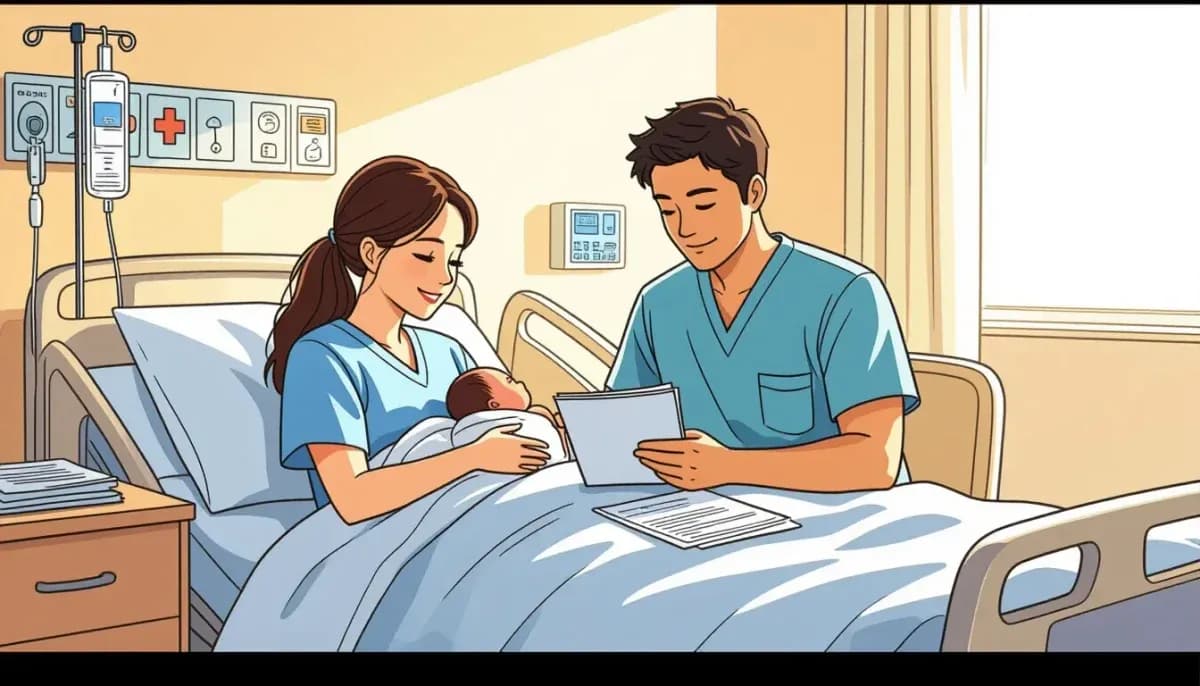
Everything foreign parents need to know about birth costs in Japan and how to claim the 500,000 yen lump-sum birth allowance (出産育児一時金). Includes eligibility, direct payment, and more.
Birth Costs and the Lump-Sum Birth Allowance in Japan
Having a baby in Japan as a foreigner can feel overwhelming — between navigating an unfamiliar healthcare system, understanding Japanese paperwork, and worrying about costs, there is a lot to take in. The good news is that Japan offers a significant financial safety net for new parents: the lump-sum birth allowance (出産育児一時金, shussan ikuji ichijikin), which can cover most or all of your delivery costs. This guide breaks down exactly what giving birth in Japan costs, how to claim your 500,000 yen benefit, and what additional financial support is available to foreign parents.
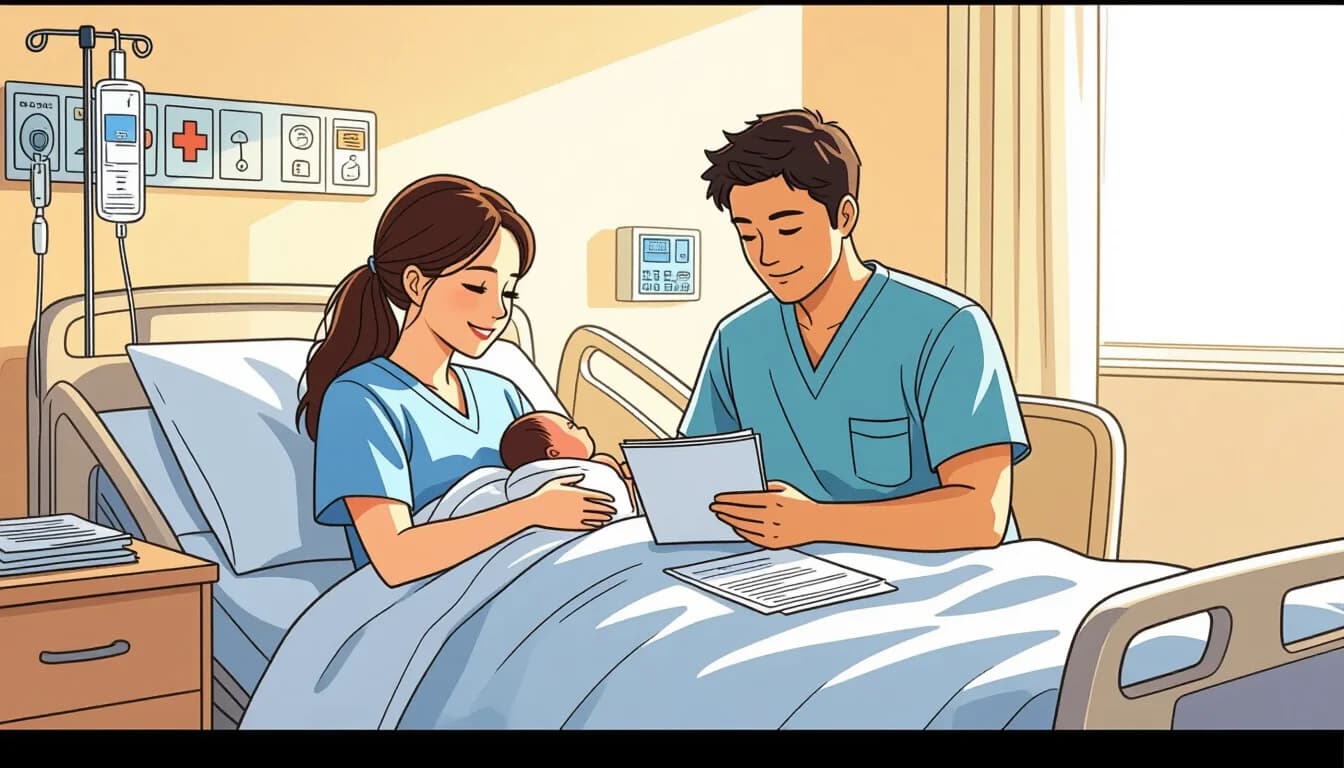
How Much Does Giving Birth in Japan Cost?
Japan does not treat childbirth as a medical condition under its national health insurance system — meaning a standard vaginal delivery is not covered by regular health insurance. Instead, you pay the full cost out of pocket, and then claim the lump-sum allowance to offset expenses.
Here is what you can expect to pay for a standard delivery:
| Delivery Type | Average National Cost | Tokyo Average | Lowest Region (Kumamoto) |
|---|---|---|---|
| Vaginal birth (public hospital) | ¥463,000 | ¥605,000 | ¥361,000 |
| Vaginal birth (private clinic) | ¥506,000 | ¥650,000+ | ¥370,000 |
| Cesarean section | ¥500,000–¥700,000 | ¥800,000+ | ¥400,000+ |
| Vaginal birth with epidural | Add ¥100,000–¥150,000 | Same | Same |
The national average cost for an uncomplicated natural birth is approximately ¥482,000, which aligns almost perfectly with the 500,000 yen lump-sum allowance. In cheaper regions, you may even receive money back. However, in Tokyo, Kanagawa, and other high-cost urban areas, expect to pay significantly more out of pocket.
Important note on C-sections: Unlike vaginal deliveries, cesarean sections are classified as a medical procedure and are therefore partially covered by health insurance — typically around 70–80% of the procedure cost. The lump-sum allowance can then be applied to your remaining share, often reducing your out-of-pocket expense considerably.
For a deeper look at the full pregnancy and birth process in Japan, see our guide on Pregnancy and Giving Birth in Japan as a Foreign Parent.
What Is the Lump-Sum Birth Allowance (出産育児一時金)?
The lump-sum birth allowance (shussan ikuji ichijikin) is a payment made by your health insurance provider to help cover the cost of childbirth. As of April 2023, the amount was increased from ¥420,000 to ¥500,000 per child.
Key details:
- You receive ¥500,000 for each baby born — twins mean ¥1,000,000 total
- The allowance drops to ¥488,000 if your delivery takes place at a facility not enrolled in the Japan Obstetric Compensation System for Cerebral Palsy (most major hospitals are enrolled)
- The benefit applies from 85 days of pregnancy onward — miscarriages before this point are not eligible
- There is no nationality restriction — as long as you are enrolled in Japanese health insurance, you qualify
This benefit is separate from (and in addition to) the maternal and child health support allowance (出産・子育て応援交付金) — a newer program that provides an additional ¥100,000 in consultation vouchers and cash (¥50,000 during pregnancy and ¥50,000 after birth).
For more on Japan's family support programs, see our overview of Government Benefits and Subsidies for Families in Japan.
Learn more about the practical systems for foreign workers on For Work in Japan's detailed childbirth and parental leave guide.
Who Is Eligible? (Including Foreigners)
Any mother enrolled in a Japanese health insurance scheme is eligible. This includes:
- Company employee health insurance (健康保険, kenkou hoken) — for full-time employees and their dependents
- National Health Insurance (国民健康保険, kokumin kenkou hoken) — for self-employed, part-time, or non-working residents
- Mutual aid associations — for government workers and teachers
Foreign residents in Japan are fully eligible on exactly the same basis as Japanese nationals. If you are a registered resident of Japan (holding a valid residence card), you are required to enroll in one of these schemes, and enrollment grants you full access to the birth allowance.
What if I give birth outside Japan? If you are enrolled in Japanese health insurance and give birth overseas, you may still be eligible to claim the lump-sum allowance. You apply directly to your insurance provider with your overseas birth certificate and medical receipts. The application deadline is 2 years from the day after the birth.

How to Apply: The Direct Payment System
Most families in Japan use the direct payment system (直接支払制度, chokusetsu shiharai seido), which avoids the need to pay the full hospital bill upfront and then claim reimbursement later.
Here is how it works step by step:
- Notify your hospital that you want to use the direct payment system (typically done 1–2 months before your due date)
- Sign an authorization form at the hospital, allowing them to claim the 500,000 yen directly from your health insurance
- At discharge, you pay only the difference between your total bill and 500,000 yen — if your bill is ¥480,000, you pay nothing; if it is ¥600,000, you pay ¥100,000
- Your health insurance sends the 500,000 yen directly to the hospital on your behalf
Alternative: Reimbursement application If your hospital does not offer the direct payment system, or if you prefer to receive the money yourself, you can use the standard reimbursement method. You pay the full hospital bill, then submit a claim to your health insurance provider with:
- Completed application form (from your insurer or city office)
- Certificate from the hospital confirming the birth and delivery cost
- Your health insurance card
- Bankbook or bank account details
- Identity document
Reimbursement typically takes 2–4 weeks. Applications must be submitted within 2 years of the birth.
For a comprehensive resource on pregnancy-related costs and procedures, see Living in Nihon's pregnancy and childbirth healthcare costs guide. Japan Dev also provides an in-depth overview at their Giving Birth in Japan: Ultimate Guide for Foreigners.
Additional Financial Support for New Parents in Japan
The lump-sum birth allowance is just one piece of a broader support system for families in Japan.
Childbirth Allowance During Leave (出産手当金)
If you are employed and take maternity leave, you are entitled to the childbirth allowance (shussan teatekin) — a separate benefit that replaces your income while you are off work. This equals two-thirds of your standard daily wage from your health insurance, paid for the period from 42 days before your due date to 56 days after birth (total: 98 days).
This is distinct from the lump-sum allowance and is available regardless of whether you use the direct payment system.
Parental Leave Benefits (育児休業給付金)
After the initial maternity leave, both mothers and fathers can take parental leave (ikuji kyuugyo) and receive income support through employment insurance:
- 67% of pre-leave wages for the first 180 days
- 50% of pre-leave wages for the remainder of leave (up to the child's first birthday, or second birthday in special circumstances)
- Health insurance and pension contributions are waived during leave, with no impact on future pension entitlements
Foreign workers are eligible for these benefits on the same terms as Japanese nationals.
Maternal and Child Health Support Allowance (出産・子育て応援交付金)
Since 2023, the Japanese government provides an additional ¥100,000 in support for each pregnancy:
- ¥50,000 during pregnancy, upon completion of your maternal health check guidance interview
- ¥50,000 after birth, upon completion of a postnatal support interview
This is delivered partly in cash and partly as vouchers for use at approved child-related services.
Regional Additional Benefits
Many municipalities offer their own additional birth grants on top of national programs. Some examples:
- Tokyo provides up to ¥100,000 reimbursement for epidural anesthesia costs (introduced in 2025)
- Some rural municipalities offer substantial birth incentive payments to encourage families to settle in depopulating areas
- Check your city or ward office for local programs
For more detail on managing expenses as a family in Japan, see our guide on Financial Planning for Expat Families Raising Children in Japan.
What to Do Before and After the Birth: A Checklist
Understanding the system is one thing — knowing what to actually do and when is another. Here is a practical timeline:
Before birth:
- Enroll in health insurance as soon as you register your address in Japan
- Visit the city or ward office to submit your pregnancy notification (妊娠届, ninshin todoke) and receive your Maternal and Child Health Handbook (母子健康手帳, boshi kenkou techo)
- At 1–2 months before your due date, confirm with your hospital that they offer the direct payment system and sign the authorization form
After birth (within 14 days):
- Submit a birth notification (出生届, shussei todoke) to your city or ward office
- Enroll your newborn in health insurance immediately (NHI or as a dependent)
- Apply for the Child Allowance (児童手当, jidou teate) — a monthly allowance paid until the child turns 18
After birth (within 2 years):
- If not using direct payment, submit your lump-sum allowance claim to your insurer
For guidance on what happens next with your new baby, see our guide on Baby and Infant Care in Japan: A Guide for Foreign Parents.
You can find further detailed breakdowns of the childbirth support system for foreign residents on Hataraku Japan's childbirth and childcare lump-sum grant page.
For more resources about raising children in Japan, visit Chuukou Benkyou for insights on Japan's education and support systems as your child grows.
Summary: Key Numbers to Remember
| Benefit | Amount | Who Provides It |
|---|---|---|
| Lump-sum birth allowance | ¥500,000 per child | Your health insurer |
| Childbirth allowance (income replacement during maternity leave) | ~67% of daily wage × 98 days | Your health insurer |
| Parental leave benefit | 67% → 50% of pre-leave wage | Hello Work (employment insurance) |
| Maternal and child health support allowance | ¥100,000 per pregnancy | Municipality |
| Tokyo epidural subsidy (2025) | Up to ¥100,000 | Tokyo Metropolitan Government |
Giving birth in Japan as a foreign parent involves real costs, but with the lump-sum birth allowance and supplementary programs, the financial burden is substantially eased. The key is enrolling in health insurance promptly, submitting your pregnancy notification, and setting up the direct payment system with your hospital well before your due date.

Originally from Vietnam, living in Japan for 16+ years. Graduated from Nagoya University, with 11 years of professional experience at Japanese and international companies. Sharing practical information for foreign parents raising children in Japan.
View Profile →Related Articles
Japanese Birth Customs and Cultural Traditions
Discover Japanese birth customs from Oshichiya naming ceremony to Shichi-Go-San milestone rituals. A complete guide for foreign parents raising children in Japan.
Read more →
Birth Registration for Babies of Foreign Parents in Japan
Step-by-step guide to registering your baby's birth in Japan as a foreign parent. Learn deadlines, required documents, status of residence applications, and more.
Read more →
Post-Birth Hospital Stay and Recovery in Japan
Everything foreign parents need to know about post-birth hospital stays in Japan: duration, daily routine, meals, costs, discharge process, and postpartum recovery support.
Read more →
Managing a High-Risk Pregnancy in Japan
A complete guide for foreign residents managing a high-risk pregnancy in Japan. Learn about hospital types, costs, financial support, language barriers, and how Japan's world-class perinatal care system works for expats.
Read more →
Hospital vs Clinic vs Midwife: Choosing Where to Give Birth
Compare hospitals, maternity clinics, and midwife birth centers in Japan. Learn costs, what to expect, epidural availability, and how to choose the right facility for your birth as a foreigner.
Read more →
Prenatal Classes and Birth Preparation in Japan
Complete guide to prenatal classes and birth preparation in Japan for foreign parents. Learn about ryoshin gakyu classes, prenatal checkup schedules, costs, choosing a birth facility, and post-birth procedures.
Read more →