
Giving Birth in a Japanese Hospital: What to Expect

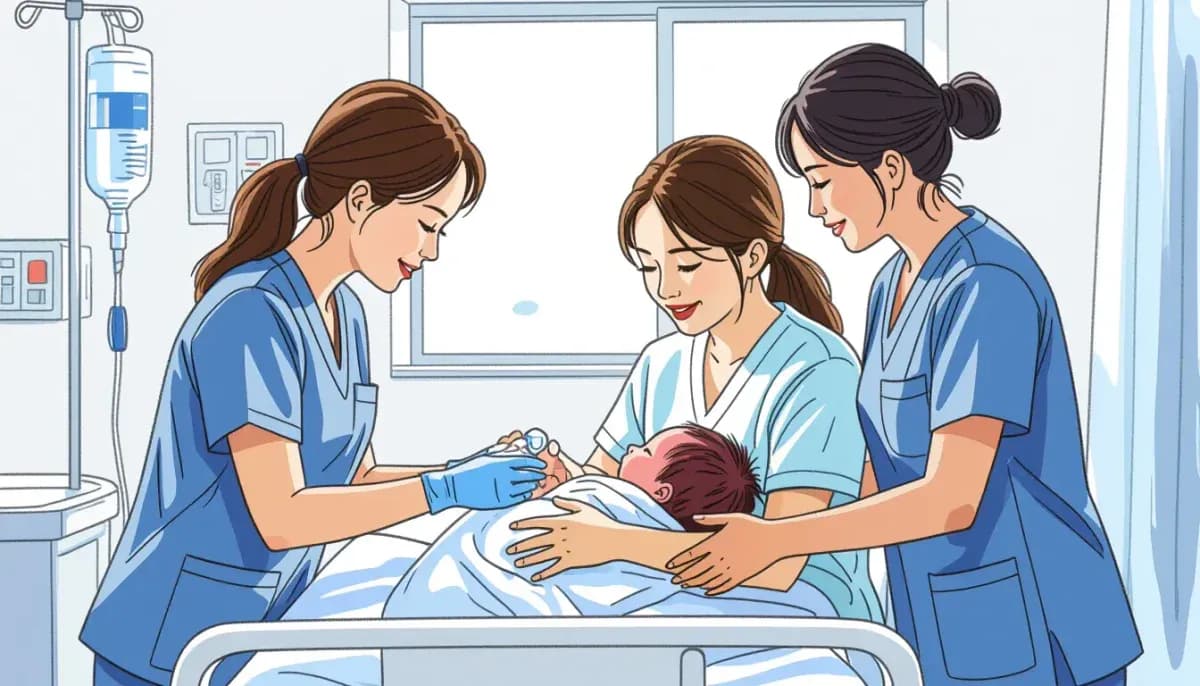
Everything foreigners need to know about giving birth in Japan: hospital admission, epidurals, costs, the lump-sum grant, postpartum stay, and administrative tasks after your baby arrives.
Giving Birth in a Japanese Hospital: What to Expect
Having a baby in Japan is an experience that surprises most foreigners — in the best possible way. Japanese hospitals are renowned for their meticulous care, extended postpartum stays, and deeply supportive approach to new mothers. But the system also comes with unique customs, strict policies, and administrative hurdles that can catch unprepared expats off guard. This guide walks you through everything you need to know about giving birth in a Japanese hospital, from admission procedures to discharge day.
How Japanese Maternity Hospitals Work
Japan offers three main types of facilities for childbirth: large general hospitals, smaller obstetrics-and-gynecology clinics (産婦人科, sanfujinka), and midwife-led birth centers (josan-in). Each has its own philosophy and level of medical intervention available.
General hospitals are recommended for high-risk pregnancies or those with complications, as they have NICU facilities and specialists on standby. Obstetric clinics handle the majority of births in Japan and often provide a more personalized, hotel-like experience. Midwife centers focus on natural, intervention-free births but will transfer patients to a hospital if complications arise.
Most foreign residents deliver at obstetric clinics, which typically have English-speaking staff in larger cities. Finding your hospital early — ideally before 12 weeks — is essential because popular facilities fill up fast. Once registered, you'll attend prenatal appointments roughly every four weeks in early pregnancy, increasing in frequency as your due date approaches.
Japanese hospitals conduct ultrasounds at nearly every prenatal visit. It is not unusual to have 15 or more ultrasounds throughout your pregnancy. While this level of monitoring provides valuable peace of mind, be aware that pregnancies in Japan are measured using a lunar calendar — meaning Japanese doctors count pregnancy as 10 months (40 weeks), which can be confusing when comparing due dates with home-country calculations.
The Hospital Admission Process
When labor begins, call your hospital before heading in. Most Japanese maternity hospitals require you to phone first so they can prepare your room and assess your situation over the phone. Arrive with your maternity passbook (boshi techō), your health insurance card, and your residence card (zairyu card). A signed birth-plan form, if your hospital uses one, should also be brought.
Upon arrival, you'll be assessed in a triage area. Contractions are monitored via cardiotocography (CTG), and cervical dilation is checked. If you're not far enough along, many hospitals will send you home — do not take this personally. Japanese staff prioritize keeping labor as natural as possible.
Once admitted to a labor room, you'll notice how quiet and calm the environment is. Japanese hospitals value a serene atmosphere, with dimmed lighting and minimal noise. Staff tend to communicate gently and may limit the number of people present.
Pain Management and Epidurals in Japan
This is one of the most significant differences foreign mothers encounter. Japan has traditionally embraced natural childbirth, influenced by a cultural philosophy of gaman — endurance and perseverance through difficulty. While this mindset is slowly shifting, you should not assume an epidural will be available.
Only approximately 480 facilities nationwide offer labor analgesia. Even among those, epidurals may be restricted to specific hours, or require booking in advance. If pain relief is important to you, explicitly ask about epidural availability when choosing your hospital — before you are in labor.
Epidurals and spinal blocks, when available, typically cost an additional ¥100,000 to ¥150,000 on top of standard delivery charges. This is not covered by Japan's national health insurance system, as normal vaginal births are classified as non-medical events.
Breathing techniques, positioning changes, warm baths, and birthing balls are commonly offered as alternatives. Many mothers who birth naturally in Japan report that the attentive, calm support from midwives helped them cope well without medication.
What Happens in the Delivery Room
Partner policies vary significantly between hospitals. Some facilities welcome partners throughout labor and delivery; others restrict or prohibit partner presence entirely, particularly for the actual birth. It is critical to confirm this policy with your chosen hospital well in advance and, if it matters to you, choose a hospital that allows birth partners.
Immediate skin-to-skin contact is not universally practiced. Some hospitals may take the baby for initial checks before returning them to you. If extended skin-to-skin contact is a priority, include it in your birth plan and discuss with your doctor or midwife beforehand.
C-section births typically require a hospital stay of six to eight days. In many hospitals, general anesthesia is used rather than spinal anesthesia for cesarean sections, though practices vary.
Costs and Financial Support
The good news: Japan provides generous financial support for childbirth. The Childbirth and Childcare Lump-Sum Grant (shussan ikuji ichijikkin) is ¥500,000 per child, increased from ¥420,000 in April 2023. This grant is available to anyone enrolled in Japanese health insurance — regardless of nationality.
Most hospitals participate in the direct payment system, meaning the ¥500,000 is paid directly from your insurer to the hospital, and you only pay the difference (if any). If your total birth costs are less than ¥500,000, the remaining balance is refunded to you.
| Delivery Type | Average National Cost | Tokyo Average | Cheapest Prefecture |
|---|---|---|---|
| Natural vaginal birth | ¥482,000 | ¥605,000 | ¥361,000 (Kumamoto) |
| Cesarean section | ¥600,000–¥900,000 | Varies | Varies |
| Epidural add-on | +¥100,000–150,000 | +¥100,000–150,000 | +¥100,000–150,000 |
| Private room per day | +¥10,000–70,000 | +¥20,000–70,000 | Varies |
Note that natural childbirth is not covered by Japan's health insurance system because it is not considered a medical condition. However, complications, C-sections, and premature births are covered, significantly reducing costs in those cases.
For more comprehensive information on living costs and financial planning as a foreign resident, Living in Nihon provides excellent resources for expats navigating life in Japan.
The Postpartum Hospital Stay
Japan's postpartum hospitalization is one of the most celebrated aspects of giving birth here. After a vaginal delivery, new mothers typically stay five to eight days — a stark contrast to the 24 to 48 hours common in many Western countries. This extended stay gives mothers time to recover, learn newborn care, and receive hands-on support from trained nurses and midwives.
!The Postpartum Hospital Stay - illustration for Giving Birth in a Japanese Hospital: What to Expect
During this period, hospital staff teach you how to breastfeed, bathe your baby, change diapers properly, and handle a newborn safely. Classes are held daily, and one-on-one guidance is available around the clock. For first-time mothers especially, this intensive support period is enormously valuable.
A structured three-hour nursing schedule typically begins on the first day after birth. This schedule helps prevent newborn jaundice by stimulating feeding, while still allowing mothers to rest between sessions.
Food is a highlight for many mothers. Japanese maternity hospitals serve traditional washoku meals — beautifully presented dishes of rice, miso soup, grilled fish, simmered vegetables, and seasonal ingredients. Evening desserts are common. Most hospitals culminate the stay with a special celebratory dinner (iwaizen), a five-course meal to honor the new mother. Many women describe this meal as surprisingly moving.
Japan is among the safest countries in the world for newborn health. According to UNICEF data, Japan has one of the lowest infant mortality rates globally: just 1 in 1,111 in the first month of life — a figure on par with Iceland and Singapore.
For helpful resources on settling into life in Japan and understanding the healthcare system, visit For Work in Japan and Chuukou Benkyou for practical guidance for foreign residents.
Administrative Tasks After Birth
Japan's bureaucracy is thorough, and new parents have several deadlines to meet after their baby arrives.
Birth notification (*shussan todoke*): You must register the birth at your local city or ward office within 14 days. The hospital will typically provide the necessary form. Bring the maternity passbook, your ID, and the form completed in Japanese (hospitals often help with this). The birth certificate issued here is essential for all subsequent procedures.
Residence registration: Your newborn must be registered as a resident at the city office as well. This adds them to your household register and allows you to apply for a health insurance card in their name.
Foreign national registration: If both parents are foreign nationals, you must register your child's residence status at the nearest immigration office within 30 days of birth. Your baby will be given resident status in Japan based on your own visa category.
Health insurance enrollment: Enroll your newborn in your health insurance plan as soon as possible — ideally before the 30-day mark. Many pediatric checkups and vaccinations are subsidized or free, but only with proper insurance enrollment.
Passport applications: If your child holds citizenship in another country, contact your home country's embassy or consulate to apply for their passport and citizenship documentation. This is entirely separate from Japanese procedures.
Related reading: Visa and Legal Issues for Foreign Families with Children in Japan covers immigration registration and visa procedures in detail.
Tips for Foreign Parents Navigating a Japanese Birth
Find a hospital early. Popular clinics in cities like Tokyo can be fully booked within weeks of opening their reservation calendar each year. Confirm your hospital by 12 weeks if at all possible.
Prepare for a language barrier. Outside major cities, English-speaking obstetric staff are rare. If your Japanese is limited, consider hiring a medical interpreter, bringing a Japanese-speaking friend, or using translation apps in non-emergency situations. In Tokyo, Osaka, and Yokohama, many hospitals cater specifically to foreign residents.
Bring your maternity passbook to every appointment. The boshi techō is a nationally standardized handbook you receive from your city office after confirming pregnancy. It contains your entire prenatal history and is expected at every visit, including labor admission.
Understand weight gain expectations. Japanese providers often advise strict weight management during pregnancy — sometimes stricter than guidelines in other countries. Recommendations around 7–12 kg total gain are common, though this varies. If you find the advice uncomfortable or inconsistent with your situation, ask your doctor to explain the reasoning or seek a second opinion.
Plan for your birth partner's role. Some hospitals prohibit partners from the delivery room entirely. Confirm this in advance, and if partner presence matters to you, choose your hospital accordingly — not after you've already established care.
Ask about epidural availability upfront. If pain relief is a priority, this is a non-negotiable question during hospital selection. Do not assume it will be available on the day.
After discharge, your journey into Japanese parenthood truly begins. For guidance on what comes next, read our related guides: Baby and Infant Care in Japan and Pregnancy and Giving Birth in Japan as a Foreign Parent.
For more on the financial support available to foreign families in Japan, see our guide on Government Benefits and Subsidies for Families in Japan.
For a detailed breakdown of costs and what to expect financially, Savvy Tokyo's guide to the cost of giving birth in Japan is an excellent resource. The Japan Dev guide to giving birth in Japan as a foreigner also provides comprehensive step-by-step guidance. For insights on the postpartum hospital experience, Savvy Tokyo's account of a Japanese hospital stay is highly recommended.
Summary: What Makes Giving Birth in Japan Different
Japan's approach to childbirth reflects its broader healthcare philosophy: systematic, attentive, and deeply supportive. The extended postpartum stay, the meticulous nursing education, the nutritious meals, and the emphasis on natural recovery create an experience that many foreign mothers describe as unexpectedly positive — even luxurious compared to their home countries.
The trade-offs are real: limited epidural access, potential restrictions on birth partners, strict weight management policies, and a language barrier that can feel isolating. Preparation is everything. Choose your hospital carefully, confirm policies early, and approach the experience with an open mind.
Japan is one of the safest places in the world to give birth. With the right preparation, a positive and well-supported experience is absolutely within reach for any foreigner making their home here.

Originally from Vietnam, living in Japan for 16+ years. Graduated from Nagoya University, with 11 years of professional experience at Japanese and international companies. Sharing practical information for foreign parents raising children in Japan.
View Profile →Related Articles
Japanese Birth Customs and Cultural Traditions
Discover Japanese birth customs from Oshichiya naming ceremony to Shichi-Go-San milestone rituals. A complete guide for foreign parents raising children in Japan.
Read more →
Birth Registration for Babies of Foreign Parents in Japan
Step-by-step guide to registering your baby's birth in Japan as a foreign parent. Learn deadlines, required documents, status of residence applications, and more.
Read more →
Post-Birth Hospital Stay and Recovery in Japan
Everything foreign parents need to know about post-birth hospital stays in Japan: duration, daily routine, meals, costs, discharge process, and postpartum recovery support.
Read more →
Managing a High-Risk Pregnancy in Japan
A complete guide for foreign residents managing a high-risk pregnancy in Japan. Learn about hospital types, costs, financial support, language barriers, and how Japan's world-class perinatal care system works for expats.
Read more →
Hospital vs Clinic vs Midwife: Choosing Where to Give Birth
Compare hospitals, maternity clinics, and midwife birth centers in Japan. Learn costs, what to expect, epidural availability, and how to choose the right facility for your birth as a foreigner.
Read more →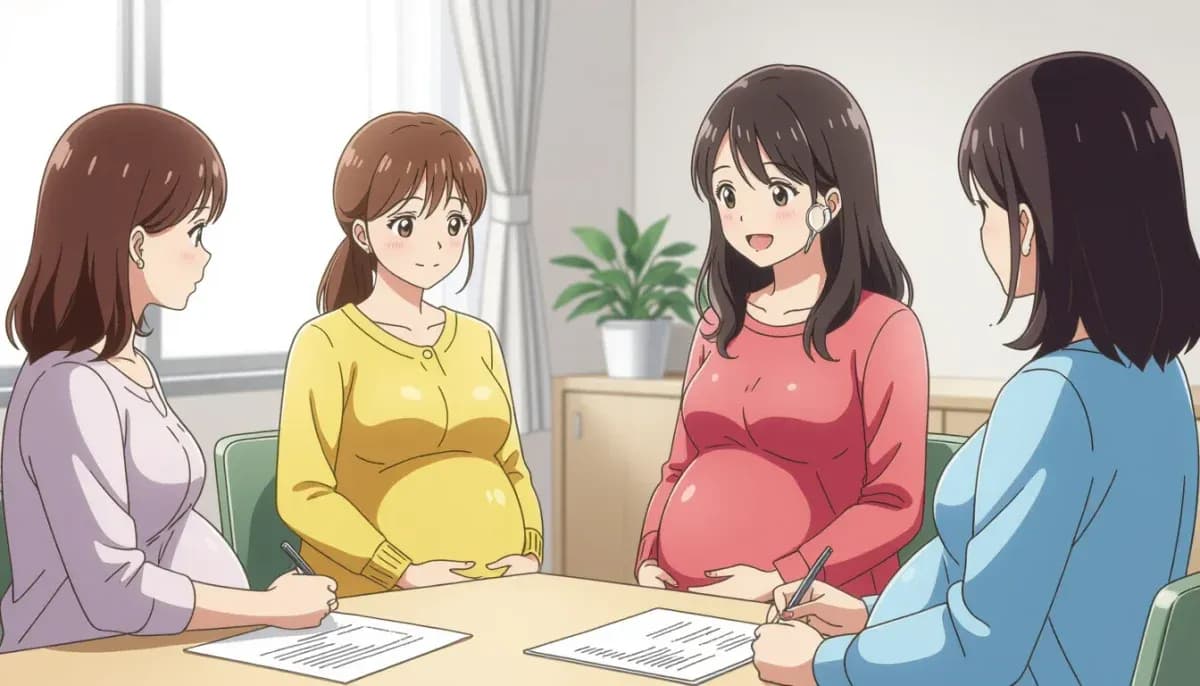
Prenatal Classes and Birth Preparation in Japan
Complete guide to prenatal classes and birth preparation in Japan for foreign parents. Learn about ryoshin gakyu classes, prenatal checkup schedules, costs, choosing a birth facility, and post-birth procedures.
Read more →