
Natural Birth vs Cesarean Section in Japan

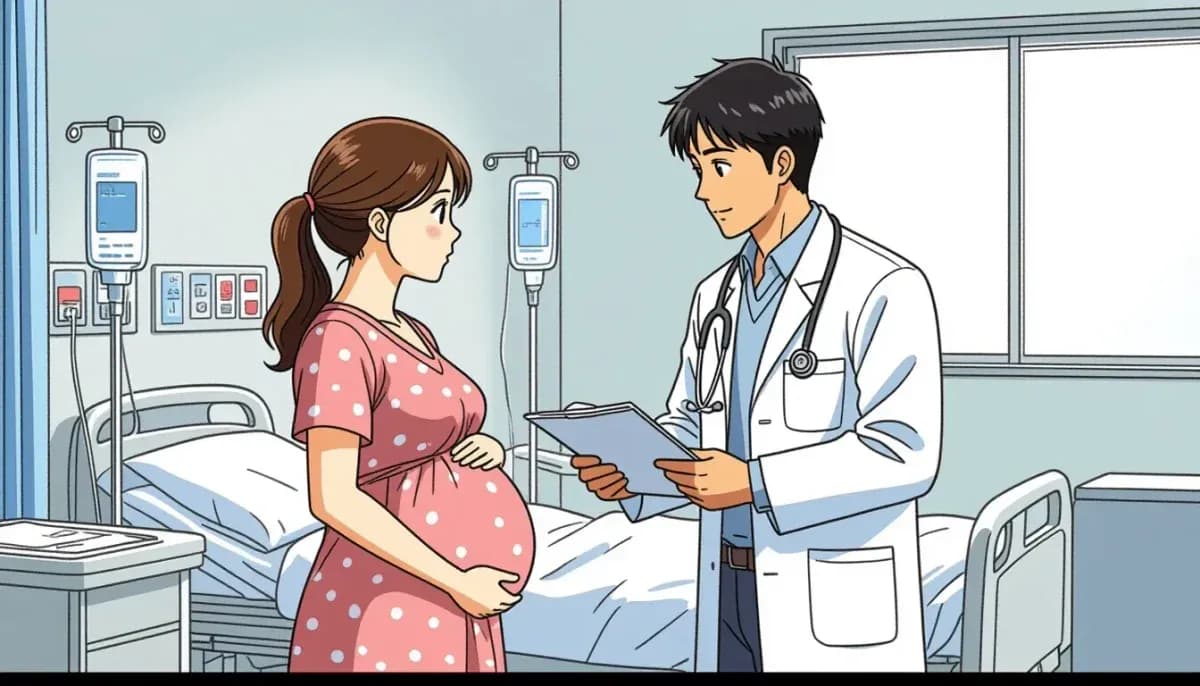
Comprehensive guide to natural birth vs cesarean section in Japan for foreigners. Learn about costs, insurance coverage, hospital stays, pain relief options, and expert tips for expat parents planning childbirth in Japan.
Natural Birth vs Cesarean Section in Japan: A Complete Guide for Foreign Parents
Choosing how to give birth is one of the most personal decisions a new parent can make. For foreigners living in Japan, that decision comes with an added layer of complexity: navigating a medical system that has its own cultural norms, insurance rules, and philosophical approach to childbirth. Whether you are planning a natural vaginal birth or wondering about the possibility of a cesarean section, understanding Japan's approach will help you prepare confidently for your delivery day.
This guide walks you through everything you need to know about natural birth versus cesarean section in Japan — from the cultural attitudes and medical procedures to costs, hospital stays, and practical advice for expat parents.
How Japan Approaches Childbirth: The Cultural Context
Japan has a deeply rooted tradition of natural childbirth. The cultural concept of gaman — roughly translated as endurance or perseverance — heavily influences the country's medical philosophy around labor. Historically, Japanese women were encouraged to manage labor pain through breathing techniques, movement, and mental preparation rather than pharmaceutical pain relief.
This philosophy means that Japan's maternity system tends to be more hands-off compared to Western countries. Routine interventions such as epidurals, continuous fetal monitoring for low-risk pregnancies, and elective inductions are less common. The emphasis is on allowing the body to progress through labor naturally, with medical intervention reserved for cases where it is genuinely needed.
For foreign mothers accustomed to a different model of care, this can come as a surprise. Understanding this cultural backdrop will help you ask the right questions when choosing your hospital and discussing your birth preferences with your obstetrician.
If you are still in the early stages of your pregnancy journey in Japan, our guide on Pregnancy and Giving Birth in Japan as a Foreign Parent provides essential context for the entire process from prenatal care onward.
Natural Birth in Japan: What to Expect
The Standard Vaginal Delivery Experience
Natural vaginal delivery is the default approach in Japan, and the majority of births occur this way. Japanese hospitals and clinics prioritize low-intervention births whenever medically appropriate. If your pregnancy is progressing normally, your obstetrician will typically plan for and encourage a vaginal delivery.
!Natural Birth in Japan: What to Expect - illustration for Natural Birth vs Cesarean Section in Japan
One aspect that surprises many foreign mothers is the relative scarcity of epidural pain relief. While epidurals are available at certain hospitals — particularly larger teaching hospitals and facilities with international patient departments — they are far from routine. Many smaller clinics (sanfujinka) do not offer them at all. If you want an epidural, you should specifically seek out a hospital that provides this option and confirm it during your first consultation.
In 2025, Tokyo Metropolitan Government introduced a subsidy program offering up to ¥100,000 reimbursement toward epidural costs — a significant development that reflects a gradual shift in attitudes. However, this program currently applies to Tokyo residents and does not guarantee availability at every facility.
Pain Management Options
| Pain Relief Method | Availability in Japan | Notes |
|---|---|---|
| Epidural | Limited (select hospitals only) | Must confirm availability in advance; requires prior planning |
| Nitrous oxide (laughing gas) | Very limited | Rarely offered |
| Water birth / hydrotherapy | Select facilities | Available at some natural birth-focused clinics |
| Breathing techniques | Widely supported | Lamaze and other methods taught in prenatal classes |
| TENS (transcutaneous electrical nerve stimulation) | Limited | Available at some hospitals |
| Opioid pain relief | Uncommon | Rarely used in Japanese obstetric practice |
Hospital Stay for Natural Birth
Japan is renowned internationally for its extended postpartum hospital stays. After a vaginal delivery, mothers can expect to stay in hospital for 4 to 6 days. This is significantly longer than the 24–48 hours that is typical in countries like the United States or United Kingdom.
These extended stays are not merely administrative — they are part of the care model. During this time, nursing staff provide hands-on guidance for breastfeeding, newborn bathing, diaper changing, and umbilical cord care. Hospitals take the view that new mothers benefit from professional support as they begin bonding with their babies.
Hospital rooms are kept warm, traditional Japanese cuisine is served throughout the stay, and many facilities offer a special celebratory dinner (iwaizen) to honor new mothers. It is a remarkably nurturing environment that many expat mothers describe as one of the most positive aspects of giving birth in Japan.
Costs for Natural Birth
Natural vaginal birth is not covered by Japan's universal health insurance because pregnancy is not classified as an illness. Instead, the government provides a lump-sum birth allowance (shussan ikuji ichijikin) of ¥500,000 (as of 2023), which can be applied directly to your hospital bill. Most hospitals offer a direct billing arrangement so you do not need to pay the full amount upfront.
Total out-of-pocket costs for a natural birth vary considerably depending on your region, hospital type, and room choice, but typically range from ¥500,000 to ¥700,000 in urban areas such as Tokyo. In some regions, costs can be higher for private maternity clinics, particularly those catering to foreign patients.
For a detailed breakdown of all the financial support available, see our guide on Government Benefits and Subsidies for Families in Japan.
Cesarean Section in Japan: What You Need to Know
When Is a C-Section Performed?
In Japan, cesarean sections are generally performed only when medically indicated. Elective cesarean sections — chosen purely by maternal preference without a medical reason — are not standard practice and are rarely if ever offered by Japanese hospitals. This contrasts with countries such as Brazil or China where elective C-sections are far more common.
Common medical indications that may lead to a cesarean in Japan include:
- Breech or transverse fetal positioning
- Placenta previa
- Multiple pregnancy (twins, triplets)
- Prior uterine surgery or previous cesarean section
- Fetal distress during labor
- Failure to progress in labor
- Certain maternal health conditions
If you have a medical history that may indicate a higher risk of cesarean delivery, discuss this thoroughly with your obstetrician early in your pregnancy. Japan's C-section rate is approximately 20–34% depending on the region and the type of facility, with larger university hospitals tending to have higher rates due to handling more complex cases.
Insurance Coverage for Cesarean Sections
Here is a critical difference from vaginal births: cesarean sections ARE covered by Japan's national health insurance because they are classified as a medical procedure rather than a natural process. Under the standard 70/30 insurance arrangement, insurance pays 70% of the cost, and you pay the remaining 30%. High-cost medical expense support (kōgaku ryōyō hi seido) may further reduce your liability if your out-of-pocket costs exceed a monthly threshold.
In addition, the ¥500,000 lump-sum birth allowance can still be applied. For many families, this combination of insurance coverage and the birth allowance means that the actual net out-of-pocket cost for a medically indicated C-section is not dramatically higher than for a vaginal birth.
| Delivery Type | Health Insurance Coverage | Birth Allowance Applicable | Hospital Stay | Estimated Cost Range |
|---|---|---|---|---|
| Natural vaginal birth | No (not an illness) | Yes (¥500,000) | 4–6 days | ¥500,000–¥700,000 |
| Cesarean section (medically indicated) | Yes (70% covered) | Yes (¥500,000) | 6–8+ days | ¥600,000–¥900,000 (before insurance) |
| Epidural add-on (vaginal birth) | Generally not covered | N/A | — | ¥80,000–¥200,000+ extra |
Hospital Stay After Cesarean
Following a cesarean, mothers in Japan typically stay in hospital for 6 to 8 days or longer, depending on recovery progress. This extended stay is essential for post-surgical healing and provides the same level of newborn care education that vaginal birth mothers receive. Cesarean mothers receive dedicated support for breastfeeding after surgery and guidance on caring for the surgical incision.
Vaginal Birth After Cesarean (VBAC) in Japan
If you have had a previous cesarean section, VBAC (vaginal birth after cesarean, known as TOLAC in medical terms) is technically possible in Japan but is uncommon. Studies show that approximately 95% of women in Japan who have had a prior cesarean undergo a repeat elective cesarean rather than attempting a trial of labor. Hospitals are generally cautious about VBAC due to the risk of uterine rupture, and many facilities simply do not offer it. If VBAC is something you wish to pursue, you will need to find a hospital specifically willing to support it and undergo careful screening.
Comparing Natural Birth and Cesarean in Japan: Key Differences at a Glance
| Factor | Natural Birth | Cesarean Section |
|---|---|---|
| Default approach | Yes — preferred by Japanese medicine | No — medical indications required |
| Insurance coverage | No | Yes (medically necessary) |
| Pain relief options | Limited; epidural by request only | General or spinal anesthesia provided |
| Hospital stay | 4–6 days | 6–8+ days |
| Recovery time | Faster generally (2–4 weeks) | Longer (6–8 weeks) |
| Elective option | Yes (the default) | No (not available without medical reason) |
| Birth allowance | ¥500,000 applicable | ¥500,000 applicable |
| VBAC option (after prior C-section) | Very limited availability | Repeat C-section is standard |
Choosing Your Hospital: Key Considerations for Foreigners
Selecting the right hospital or clinic is arguably the most important step in your birth planning. Japan's maternity care options broadly fall into three categories:
1. University Hospitals and General Hospitals Large public and university hospitals (sōgō byōin or daigaku byōin) handle complex and high-risk pregnancies. They are more likely to have epidural services and may have an international patient department with English-speaking staff. However, they tend to be less intimate and may feel more clinical.
2. Private Maternity Clinics (*Sanfujinka*) Japan has a robust network of small private obstetric clinics. These offer a more personalized, family-like atmosphere and often serve as the preferred choice for low-risk pregnancies. However, they typically do not offer epidurals and will transfer patients to a larger hospital if complications arise.
3. International Hospitals and Clinics Some major cities have hospitals with international patient departments or English-speaking obstetricians. These are particularly valuable for foreign mothers who are not yet fluent in Japanese and want to communicate comfortably with their medical team.
Questions to ask when selecting your hospital:
- Do you offer epidural pain relief? If so, how do I request it?
- What is your cesarean section rate?
- Do you have English-speaking staff or an interpreter service?
- What is your policy on birth partners being present during labor and delivery?
- Can I write a birth plan (baasu poran) and will it be respected?
For broader guidance on the Japanese healthcare system and how to navigate it with children, see our article on Healthcare and Medical Care for Children in Japan.
Writing a Birth Plan in Japan
A birth plan (baasu poran) is a document listing your preferences for labor and delivery. While birth plans are growing in recognition in Japan, they are not as universally expected as they are in some Western countries. Some hospitals welcome them warmly; others may be less familiar with the concept.
If you wish to write a birth plan, keep it concise and focus on your most important preferences. Consider including:
- Your preferred pain relief options
- Whether you want your birth partner present throughout labor
- Preferences for skin-to-skin contact immediately after birth
- Breastfeeding intentions
- Any cultural or religious considerations
Having your birth plan translated into Japanese will significantly improve the chances of it being understood and respected. Living in Nihon has excellent resources for foreigners navigating daily life and medical situations in Japan, including practical language guides.
Safety and Outcomes: How Japan Compares Globally
Japan has one of the best childbirth safety records in the world, as documented by sources such as Savvy Tokyo and Japan Dev's birth guide. The neonatal mortality rate (deaths within the first 28 days of life) is approximately 1 in 1,111 births, placing Japan among the top three globally alongside Iceland and Singapore. Maternal mortality rates are similarly low.
This exceptional record is attributed to:
- Rigorous prenatal monitoring (ultrasounds at virtually every antenatal visit, sometimes 15 or more throughout a pregnancy)
- Highly trained midwives and obstetricians
- Extended postpartum hospital stays that catch complications early
- A culture of preventive caution in medical management
Whether you choose or require a natural birth or cesarean section in Japan, you can be confident that you are giving birth in one of the safest medical environments in the world.
Practical Tips for Foreign Parents
- Start looking for a hospital early. Popular private clinics in major cities book up fast — sometimes within the first trimester. Don't wait.
- Confirm epidural availability before choosing your hospital. It is much harder to change hospitals late in pregnancy.
- Register your pregnancy (*boshi kenkou techou*) promptly at your local city hall. You will receive a maternal and child health handbook and coupons for free prenatal checkups.
- Understand the birth allowance process. Apply to your health insurance association or municipal office. Many hospitals allow direct billing so you don't need to pay the full amount upfront.
- Learn key vocabulary. Knowing medical terms in Japanese — even basics like shizen bunben (natural birth), teio sekkai (cesarean section), mutsuu bunben (pain-free birth), and kotsuuryaku (epidural) — will help enormously.
- Bring a support person who speaks Japanese, or arrange for a professional medical interpreter if possible.
For more on supporting your family's wellbeing in Japan, For Work in Japan offers guidance on navigating Japanese institutions as a foreigner, including healthcare. Additionally, expat parents interested in long-term planning should explore our guide on Financial Planning for Expat Families Raising Children in Japan.
Final Thoughts
Giving birth in Japan — whether through a natural vaginal delivery or a medically indicated cesarean — can be a deeply positive experience. Japan's combination of attentive prenatal care, extended postpartum support, outstanding safety outcomes, and nutritious hospital meals creates a maternity experience that many foreign mothers remember fondly. The key is preparation: understanding the system, choosing the right hospital for your needs, and communicating your wishes clearly.
As your baby grows, you will encounter many more milestones in Japan's unique environment. Our guide to Baby and Infant Care in Japan: A Guide for Foreign Parents is a great next step for everything that comes after your baby arrives. You can also explore Chuukou Benkyou for resources on education and raising children in Japan as your family journey continues.
Japan welcomes new life with warmth and care. With the right information, you can navigate your birth experience with confidence.

Originally from Vietnam, living in Japan for 16+ years. Graduated from Nagoya University, with 11 years of professional experience at Japanese and international companies. Sharing practical information for foreign parents raising children in Japan.
View Profile →Related Articles
Japanese Birth Customs and Cultural Traditions
Discover Japanese birth customs from Oshichiya naming ceremony to Shichi-Go-San milestone rituals. A complete guide for foreign parents raising children in Japan.
Read more →
Birth Registration for Babies of Foreign Parents in Japan
Step-by-step guide to registering your baby's birth in Japan as a foreign parent. Learn deadlines, required documents, status of residence applications, and more.
Read more →
Post-Birth Hospital Stay and Recovery in Japan
Everything foreign parents need to know about post-birth hospital stays in Japan: duration, daily routine, meals, costs, discharge process, and postpartum recovery support.
Read more →
Managing a High-Risk Pregnancy in Japan
A complete guide for foreign residents managing a high-risk pregnancy in Japan. Learn about hospital types, costs, financial support, language barriers, and how Japan's world-class perinatal care system works for expats.
Read more →
Hospital vs Clinic vs Midwife: Choosing Where to Give Birth
Compare hospitals, maternity clinics, and midwife birth centers in Japan. Learn costs, what to expect, epidural availability, and how to choose the right facility for your birth as a foreigner.
Read more →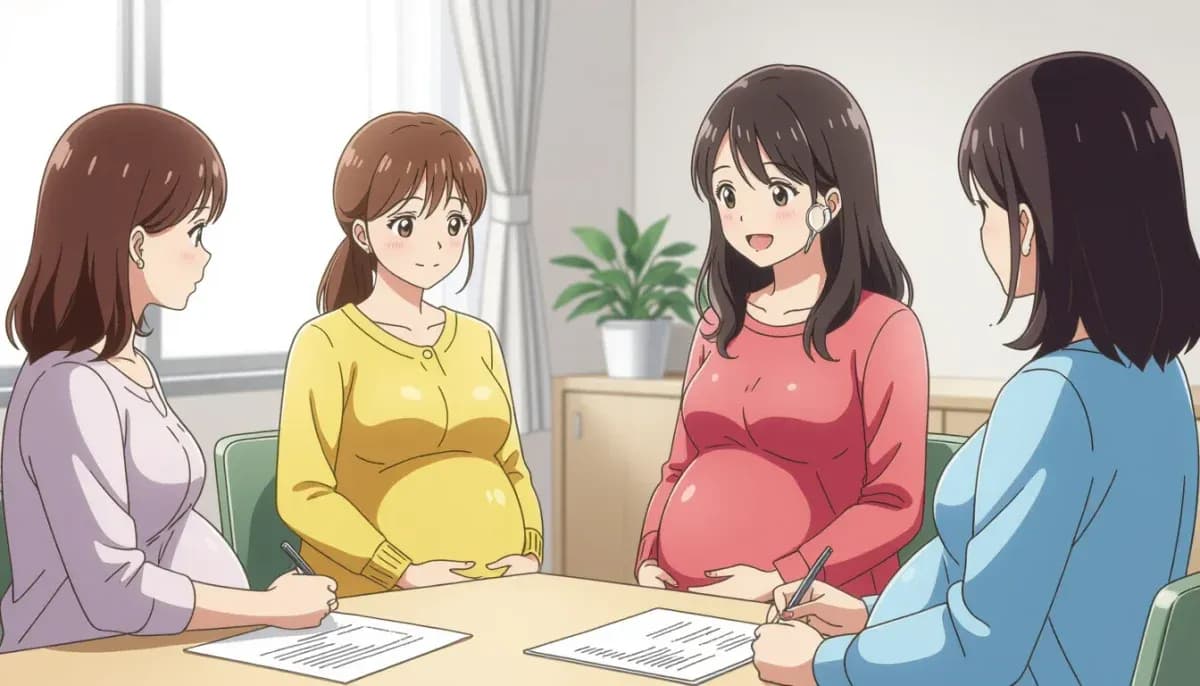
Prenatal Classes and Birth Preparation in Japan
Complete guide to prenatal classes and birth preparation in Japan for foreign parents. Learn about ryoshin gakyu classes, prenatal checkup schedules, costs, choosing a birth facility, and post-birth procedures.
Read more →