
Cultural Exchange Programs for International Families

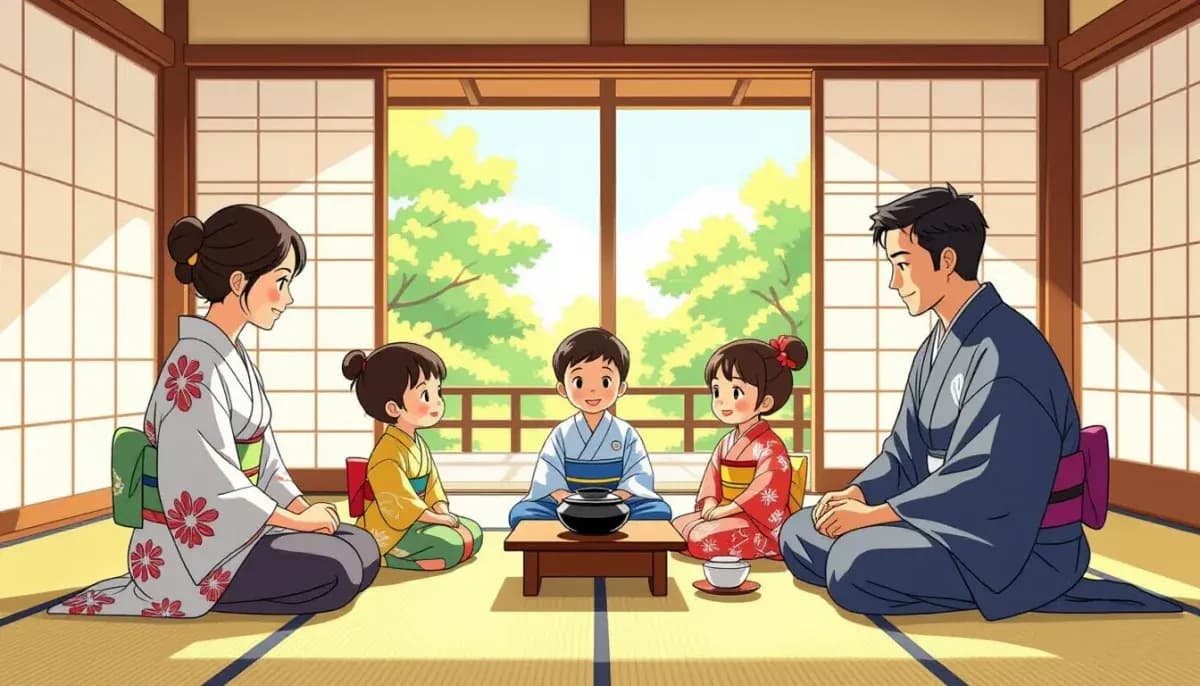
Discover the best cultural exchange programs for international families in Japan — from JAPEC homestays to HelloWorld hosting. Build community, learn Japanese, and raise bicultural children.
Cultural Exchange Programs for International Families in Japan
Moving to Japan with your family is an exciting adventure, but it can also feel isolating — especially when language barriers and cultural differences make connecting with local communities a challenge. Fortunately, Japan has a rich tradition of cultural exchange programs that welcome international families, offering structured pathways to meaningful connections, language learning, and a deeper appreciation of Japanese culture. Whether you're seeking a short-term homestay for your child, community integration activities, or global programs that bridge Japan with the wider world, there's something here for every international family.
This guide explores the best cultural exchange programs available for international families in Japan, covering options for children and adults alike, practical steps to get involved, and what to expect from these enriching experiences.
Why Cultural Exchange Matters for International Families in Japan
For international families, integrating into Japanese society presents unique challenges. Schools may conduct all lessons in Japanese, neighborhood events can feel difficult to join without an introduction, and children may struggle with a sense of belonging if they aren't part of the wider community.
Cultural exchange programs bridge this gap in several important ways:
- Language acquisition: Immersive, informal settings accelerate Japanese learning for children and parents alike.
- Social connections: Programs create intentional opportunities to form friendships with Japanese families.
- Cultural competency: Understanding Japanese customs, values, and traditions reduces misunderstandings and deepens appreciation.
- Bilateral learning: Exchange programs are two-way — Japanese families also gain exposure to your language and culture.
- Emotional wellbeing: Belonging to a community significantly improves mental health outcomes for expat children and parents.
Research by the Japan Foundation shows that cultural exchange participation correlates strongly with improved school performance and social adjustment for international students. International children who actively engage with Japanese culture also tend to develop stronger bicultural identities — a significant asset in an increasingly interconnected world.
For more on how cultural adjustment affects international children, see our guide on Mental Health and Emotional Wellbeing for Foreign Children in Japan.
Top Cultural Exchange Programs in Japan for International Families
1. JAPEC — Japan Association for the Promotion of English for Children
JAPEC was established in 1978 and operates one of Japan's most respected youth exchange programs. Their programs are designed for students aged 10 to 17 from Australia, New Zealand, and the United States, combining a homestay experience with a 3-day international summer camp held in Japan's Kinki region.
Key features:
- Students stay with carefully screened Japanese host families
- The 3-day camp includes cultural workshops, language activities, and group events with Japanese peers
- Program costs approximately ¥40,000 per person (including tax)
- Applications typically open in November and close in late April the following year
JAPEC is an excellent choice for families whose children want a structured, supervised introduction to Japanese family life, with the safety net of a group camp experience.
2. HelloWorld Cultural Exchange
HelloWorld Cultural Exchange takes a community-driven approach, operating in the Kanto and Okinawa regions. Established in 2020, HelloWorld connects international host families living in Japan with visiting students ranging from elementary school age through college.
Key features:
- Programs run for 24 hours or longer, depending on the arrangement
- Host families must be a couple or family living together, be fluent in English, and have a spare room available
- HelloWorld provides 24/7 support and liability insurance to all host families
- Particularly well-suited for international families who want to share their culture while also connecting with students from other countries
For international families already living in Japan, becoming a HelloWorld host family is a powerful way to build community connections and give your children exposure to peers from around the world.
3. Labo International Exchange
Labo International Exchange has been running reciprocal homestay programs since 1983, making it one of the most experienced operators in Japan. Their programs have hosted over 2,000 Australian youths and 900 Japanese participants in reciprocal exchanges.
Key features:
- Students aged 12 to 18 from North America, New Zealand, and Australia are matched with Japanese host families
- Participants are matched by sex and similar age for 3 to 4 week stays
- Labo emphasizes reciprocity — Japanese children also participate in homestays abroad
- Language learning through storytelling, music, and group activities is central to the Labo method
Labo is particularly valued by families who want a longer, more immersive experience rather than a weekend program.
4. The Japan Foundation Programs
The Japan Foundation runs some of the world's largest-scale cultural exchange initiatives. While many of their programs target institutions and professional artists, they also support community-level cultural programs across Japan.
Their arts and cultural exchange programs span 91 cities in 54 countries/regions, covering traditional Japanese arts, architecture, photography, crafts, martial arts, and pop culture. For international families interested in deepening their understanding of Japanese art and culture, the Japan Foundation regularly hosts public events, exhibitions, and workshops open to the general public.
Check the Japan Foundation's local events calendar for programs in your city — many are family-friendly and free to attend.
5. University-Based Exchange Programs
Several Japanese universities run cultural exchange programs open not just to students, but also to researchers, faculty, and their families. The University of Tokyo's One-to-One Cultural Exchange Program, based at the Kashiwa campus, pairs international residents with Japanese volunteer counterparts for regular interaction.
This type of program is ideal for academic families relocating to Japan, as it provides structured introductions to Japanese peers in a low-pressure environment.
The JET Programme: Large-Scale Cultural Exchange at the Community Level
The JET Programme (Japan Exchange and Teaching) is one of the world's largest government-sponsored cultural exchange programs. While it primarily recruits university graduates as language instructors, JET participants serve as cultural ambassadors in communities across Japan.
For international families living near schools with JET participants, these instructors can be valuable cultural bridges — many are themselves recent arrivals to Japan navigating expat life, and JET alumni networks are an often-overlooked resource for community connection.
School-Based Cultural Exchange Activities
Elementary and Junior High School Exchange Activities
Japanese public schools frequently organize cultural exchange days, international festivals, and language-sharing activities. If your child attends a Japanese public school, speak with the homeroom teacher (担任の先生, tantō no sensei) or the international student coordinator about:
- Opportunities for your child to share their home culture with the class
- Cultural days where families are invited to participate
- School-organized pen pal or exchange programs with sister schools abroad
See our Elementary School in Japan guide and Junior High School guide for more on navigating the Japanese school system as a foreign family.
After-School and Weekend Cultural Programs
Beyond school, many community centers (コミュニティセンター) and international associations run weekend cultural exchange workshops covering topics like:
- Traditional Japanese crafts (origami, ikebana, pottery)
- Calligraphy (shodo)
- Cooking classes featuring Japanese cuisine
- Cultural sports activities (kendo, judo, tea ceremony)
These activities provide a relaxed, social context for children and parents to interact with Japanese families organically.
Comparison of Major Cultural Exchange Programs
| Program | Age Group | Duration | Region | Cost (approx.) | Key Focus |
|---|---|---|---|---|---|
| JAPEC | 10–17 years | 2–3 weeks | Kinki | ¥40,000 | Homestay + camp |
| HelloWorld | Elementary–College | 24 hours+ | Kanto, Okinawa | Varies | Host family program |
| Labo Exchange | 12–18 years | 3–4 weeks | Nationwide | Varies | Reciprocal homestay |
| Japan Foundation | All ages | Event-based | Nationwide / Global | Free–Low cost | Arts & culture events |
| University Programs | Adults + families | Ongoing | Varies by institution | Free | One-to-one pairing |
| JET Programme | University graduates | 1–5 years | Nationwide | Salaried position | Language teaching |
How to Find and Apply for Cultural Exchange Programs in Japan
Step 1: Identify Your Goals
Different programs serve different purposes. Ask yourself:
- Do you want your child to have a structured homestay experience?
- Are you looking for regular, ongoing community connection?
- Is the primary goal language learning, cultural appreciation, or social integration?
Step 2: Contact Your Local International Association
Every major city in Japan has an international association (国際交流協会, kokusai kōryū kyōkai) that maintains lists of local exchange programs. These associations also often run their own events, including language tandems (conversation exchange partners), cultural workshops, and international festivals.
Step 3: Reach Out to Your Child's School
As noted above, many schools have existing connections with exchange programs. A conversation with the school's international coordinator can open doors to opportunities you wouldn't find through a web search.
Step 4: Check Visa Requirements
If your child is participating in a program that involves living with a host family for an extended period, or if you plan to host international students yourself, it's worth understanding the visa implications. For detailed guidance, see our article on Visa and Legal Issues for Foreign Families with Children in Japan.
Step 5: Prepare Your Child Culturally
Before participating in any exchange program, especially a homestay, help your child understand key aspects of Japanese home life: removing shoes at the entrance (genkan), bathing etiquette, meal customs, and expressing gratitude (itadakimasu before meals, gochisōsama deshita after). This preparation significantly enhances the experience for everyone involved.
Raising Bicultural Children Through Exchange Experiences
One of the most powerful long-term benefits of cultural exchange programs is the role they play in shaping your child's identity. Children who grow up moving between cultures often develop what researchers call a "third culture" perspective — a flexible, empathetic worldview that draws from multiple cultural traditions.
For families raising bilingual or multilingual children in Japan, exchange programs complement the language work happening at home and at school. They provide real-world contexts for language use — essential for true fluency — and help children understand that their multilingual identity is an asset, not a barrier.
Read more in our dedicated guides on Raising Bilingual Children in Japan and Heritage Language Maintenance for Children in Japan.
Resources for International Families
For broader guidance on life in Japan as an international family, the following resources are highly recommended:
- Living in Nihon — Comprehensive guides for expats living in Japan, covering everything from daily life to education and healthcare
- For Work in Japan — Resources for international professionals working in Japan, including family life and community guidance
- Chuukou Benkyou — Educational resources for families navigating Japanese school systems
- Labo International Exchange — Detailed information on their long-running homestay programs
- JAPEC — Application details and program schedules for youth cultural exchange
- Japan Foundation Program Guidelines — Information on arts and cultural exchange initiatives
Common Questions About Cultural Exchange Programs in Japan
Q: Do my children need to speak Japanese to participate?
Not necessarily. Many exchange programs, especially those targeting younger children, pair participants based on language goals. HelloWorld, for example, specifically recruits English-speaking host families to facilitate language learning on both sides.
Q: Are there programs specifically for parents, not just children?
Yes. University-based one-to-one programs and community international association events specifically welcome adult participants. Language tandem programs, where you pair with a Japanese partner to practice each other's languages, are widely available in major cities.
Q: How do we handle cultural differences during a homestay?
Cultural differences are part of the experience — but preparation helps. Most established programs provide orientation materials for both host families and participants. When in doubt, ask questions with genuine curiosity. Japanese families generally appreciate the effort international visitors make to learn and adapt.
Q: Can we participate as a host family even if we don't speak Japanese?
Programs like HelloWorld specifically welcome international host families living in Japan. Being a native English speaker is often an asset, not a barrier.
Conclusion
Cultural exchange programs offer international families in Japan one of the most meaningful pathways to genuine community integration. Whether your child participates in a structured homestay through JAPEC or Labo, or your family becomes a HelloWorld host family, these experiences build connections, accelerate language learning, and shape the kind of open, bicultural perspective that will serve your children for a lifetime.
The key is to start early, stay consistent, and approach each interaction as an opportunity for mutual learning. Japan's cultural exchange ecosystem is rich and welcoming — and with the right program, your family can move from being visitors in Japan to being genuine members of the community.
For more on supporting your child's development in Japan, explore our complete guide to Raising Bilingual Children in Japan and our overview of the Japanese Education System for Foreign Families.

Originally from Vietnam, living in Japan for 16+ years. Graduated from Nagoya University, with 11 years of professional experience at Japanese and international companies. Sharing practical information for foreign parents raising children in Japan.
View Profile →Related Articles
Playgroups and Baby Groups for Foreign Parents in Japan
Find the best playgroups and baby groups for foreign parents in Japan. From Tokyo Mothers Group to Roppongi Cooperative Playgroup, discover English-speaking communities for expat families across Japan.
Read more →
How to Build Your Support Network from Scratch in Japan
Step-by-step guide to building a support network in Japan as a foreigner. From online communities to government support centers, find your tribe from day one.
Read more →
Social Services Available to Foreign Families in Japan
Discover all social services available to foreign families in Japan: health insurance, child allowances up to ¥15,000/month, free daycare, pension, welfare, and support organizations in 18 languages.
Read more →
Embassy and Consulate Family Services in Japan
A complete guide to embassy and consulate family services in Japan — covering dependent visas, birth registration, emergency support, and practical tips for foreign families living in Japan.
Read more →
Volunteer Organizations Supporting Foreign Families
Discover the best volunteer organizations and NPOs supporting foreign families in Japan. Find multilingual help for education, legal issues, childcare, mental health, and community integration.
Read more →
Counseling and Support Hotlines for Foreign Families
Complete guide to counseling hotlines and mental health support for foreign families in Japan. Free crisis lines, multilingual services, professional counseling, and practical tips for expat families.
Read more →