
Hinamatsuri (Girls' Day) Celebration Guide for Families

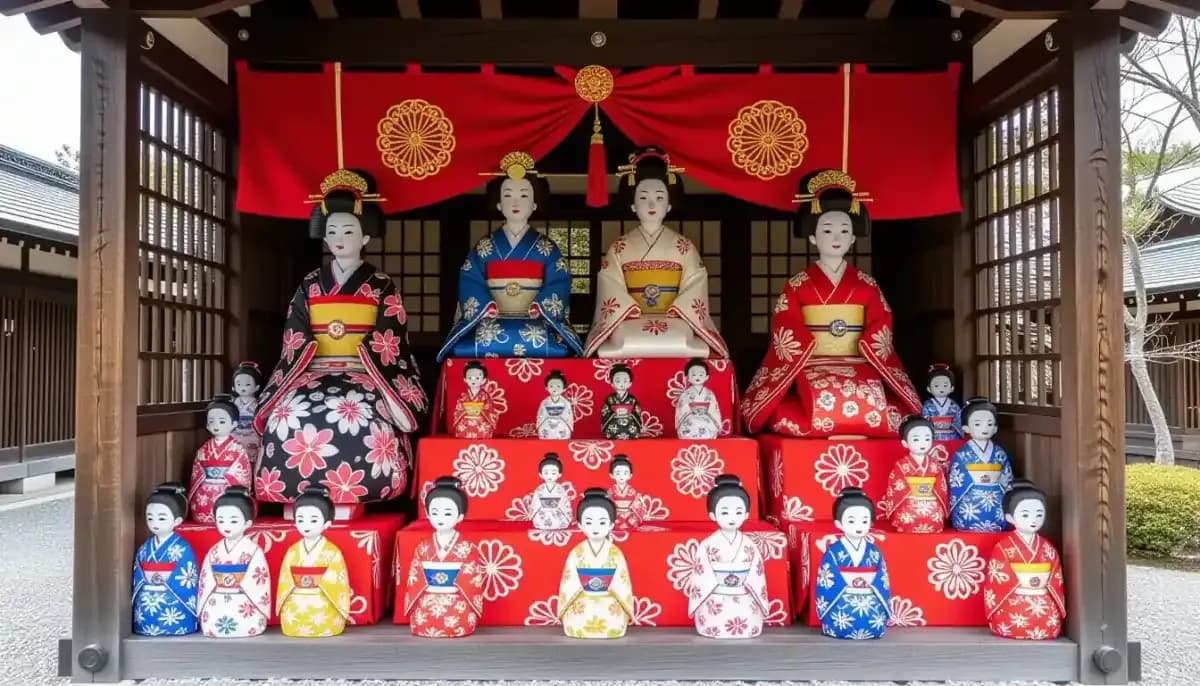
Complete guide to Hinamatsuri (Girls' Day) in Japan for foreign families. Learn about hina doll displays, traditional foods, major festivals, and how to celebrate March 3rd with your children.
Hinamatsuri (Girls' Day) Celebration Guide for Families in Japan
Every year on March 3rd, Japan comes alive with a stunning display of color, tradition, and meaning. Hinamatsuri — also called Girls' Day, Doll's Festival, or Momo no Sekku (Peach Festival) — is one of Japan's most cherished seasonal celebrations. For foreign families raising daughters in Japan, it's both a beautiful cultural experience to embrace and a meaningful window into Japanese values around family, seasonal change, and community. Whether you're celebrating for the first time or looking to deepen your understanding of this 1,000-year-old tradition, this guide covers everything you need to know.
What Is Hinamatsuri? History and Origins
Hinamatsuri has roots stretching back over 1,000 years to Japan's Heian period (794–1185 AD). The festival was originally inspired by China's Shangsi Festival, a springtime ritual of purification involving the use of dolls to absorb illness and bad luck before being floated downstream — a practice called nagashi-bina (flowing doll ceremony).
During the Heian period, aristocratic girls played elaborate games with miniature dolls representing imperial court figures, a pastime called hina-asobi. Over time, the twin practices — purification rituals and doll display — merged into the celebration we recognize today.
By the Edo period (1603–1868), intricate tiered doll displays became popular among samurai and merchant families. The holiday gained national prominence when Princess Okiko, who received a rare exclusive doll set, later became Empress Meisho — Japan's last reigning empress. By the late 17th century, Hinamatsuri was observed throughout the country.
Today, the holiday is not a national public holiday, but it is widely and warmly observed by families with daughters. It is one of Japan's five traditional sekku (seasonal festivals), each tied to auspicious dates on the lunisolar calendar.
The Hina Doll Display: Understanding the Hinadan
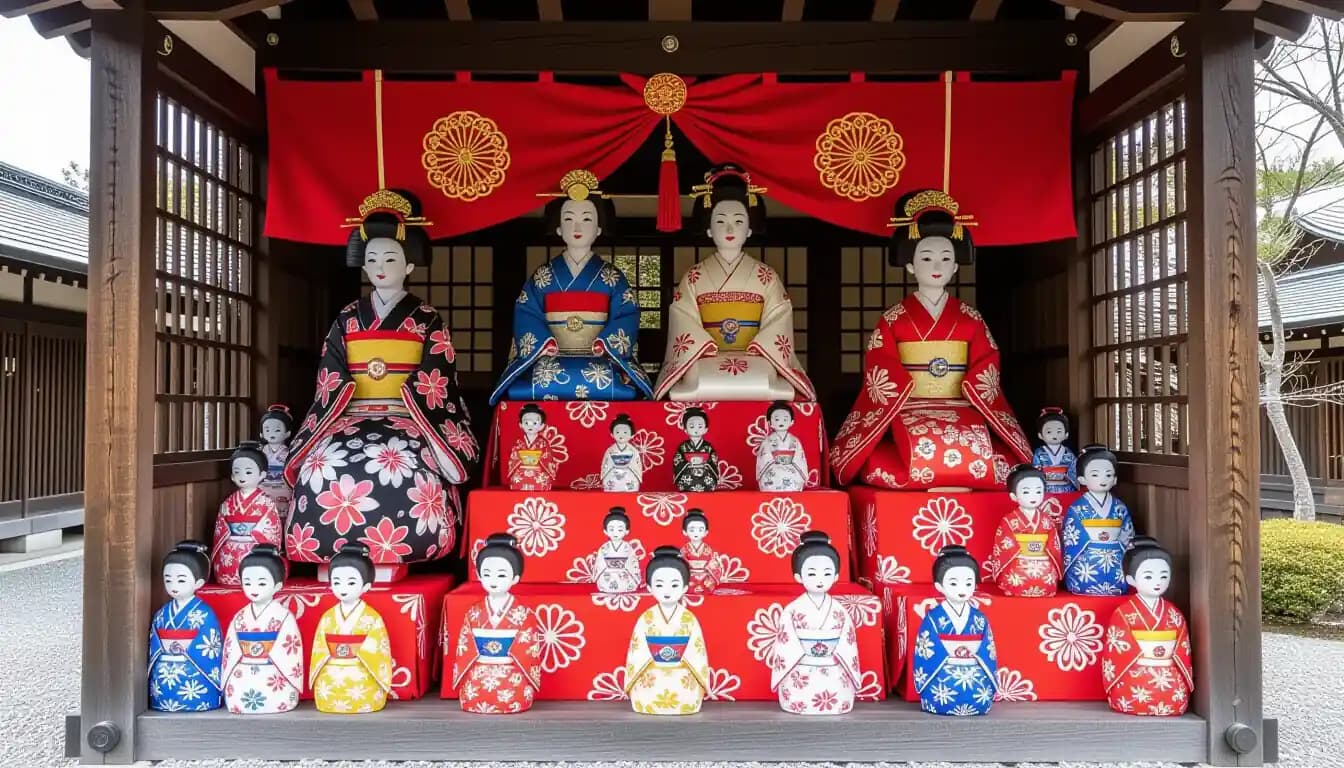
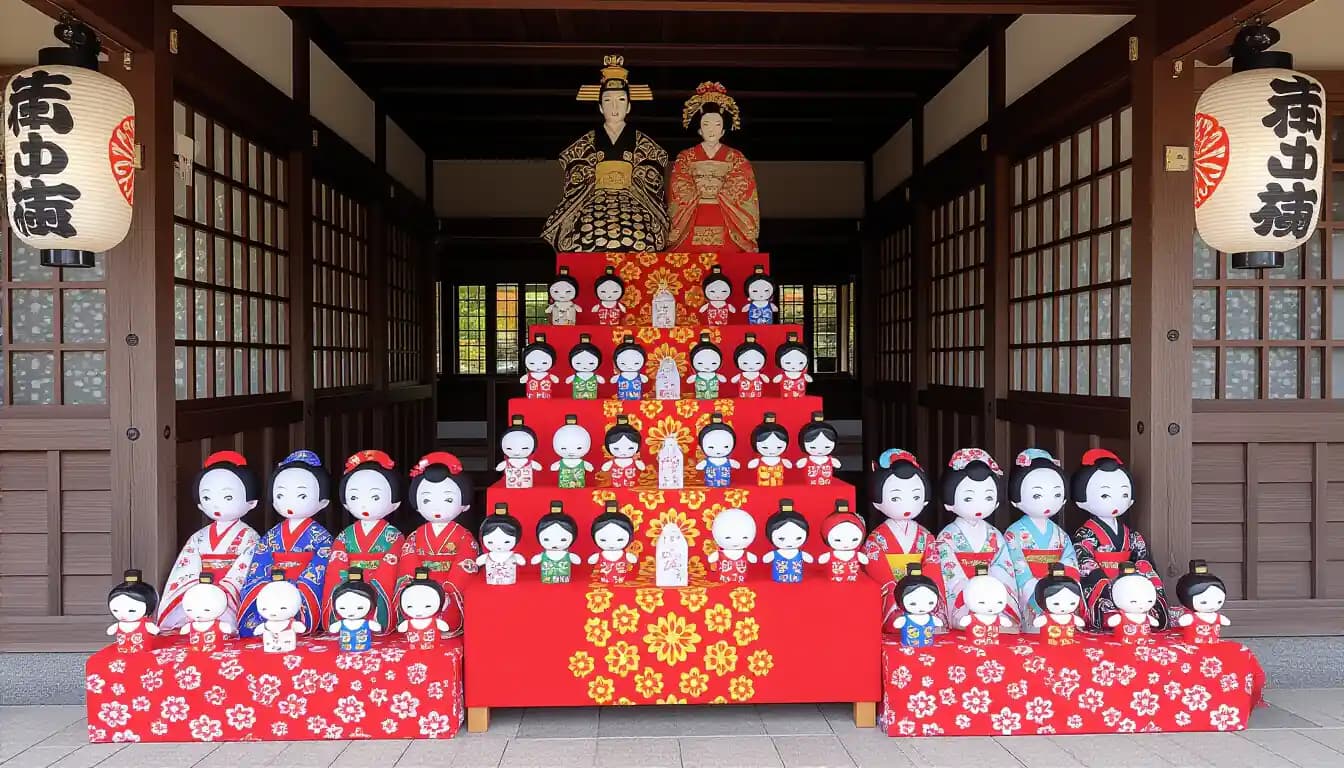
The heart of Hinamatsuri is the hina ningyo — the traditional doll set — displayed on a red-fabric-covered tiered stand called a hinadan. Each doll and object on the display has a specific meaning rooted in Heian imperial court life.
A traditional full set has 7 tiers and 15 figures:
| Tier | Figures | Description |
|---|---|---|
| 1st (top) | Emperor (Odairi-sama) & Empress (Ohina-sama) | The central figures, representing ideal partnership and harmony |
| 2nd | Three court ladies (San-nin kanjo) | Serving sake; represent beauty and grace |
| 3rd | Five male musicians (Go-nin bayashi) | Playing traditional instruments; represent joy |
| 4th | Two ministers (Udaijin & Sadaijin) | An old and young minister; represent wisdom |
| 5th | Three servants (Shichyo) | Palace helpers; represent protection |
| 6th–7th | Furnishings | Ox-drawn carts, palanquins, household items |
Modern alternatives: Most families today — especially those in smaller apartments — display a compact two-doll set (just the Emperor and Empress) or a set in a glass case. These are equally traditional and far more practical.
Cost: A five-tier set typically costs $1,500–$2,500 USD. Complete seven-tier sets can exceed 1 million yen (~$9,300). Many families invest in a quality compact set as a lasting heirloom.
Regional variation: In western Japan (Kyoto tradition), the Emperor is placed on the left from the viewer's perspective. In eastern Japan (Tokyo tradition), he is on the right. Both are correct.
Hina doll production centers include Iwatsuki in Saitama Prefecture and Kyoto, where artisanal workshops have operated for centuries.
Timing and Superstitions: When to Set Up and Take Down
Families typically begin setting up their hina displays in mid-to-late February, after Setsubun (Bean-Throwing Festival, February 3rd). The displays remain through March 3rd.
The most important — and most frequently discussed — rule: dolls must be put away promptly after March 3rd. Leaving them out longer is believed to curse daughters with a late marriage.
Today this superstition is observed with a mix of seriousness and humor. Many Japanese parents will still rush to pack up the display on March 4th. For foreign families, understanding this custom helps explain why Japanese friends and neighbors are so quick to dismantle decorations.
Traditionally, mothers and daughters set up and take down the display together. It's considered a bonding activity and a way to pass the tradition from generation to generation.
Traditional Hinamatsuri Foods and Their Meanings
Hinamatsuri cuisine is as layered in symbolism as the doll display itself. These seasonal foods are widely available at supermarkets, convenience stores, and department store food halls (depachika) throughout February and early March.
| Food | Description | Symbolic Meaning |
|---|---|---|
| Chirashizushi | Vinegar rice topped with sashimi, shrimp, salmon roe, lotus root | Prosperity; shrimp = longevity, lotus root = clear future |
| Hamaguri ushiojiru | Clear clam soup | Faithful marriage — hamaguri shells only match their original partner |
| Hishimochi | Diamond-shaped three-layered rice cake | Pink (protection/health), white (purity), green (growth) |
| Hina-arare | Small colorful rice crackers | Represent the four seasons |
| Amazake | Sweet non-alcoholic rice drink | Child-friendly celebratory drink; purification |
| Shirozake | Sweet white sake (~9% alcohol) | Traditional adult celebratory drink |
| Sakura mochi | Pink mochi with bean paste and cherry leaf | Spring and new beginnings |
For families celebrating at home, cooking chirashizushi together is a fun and accessible activity. Pre-made toppings (chirashi no gu) are sold in most supermarkets in March. Many convenience stores like 7-Eleven, FamilyMart, and Lawson stock seasonal hina sweets and amazake during the weeks leading up to March 3rd.
Major Hinamatsuri Festivals and Events Across Japan
Hinamatsuri is celebrated at a stunning variety of public events. These are generally family-friendly, accessible to non-Japanese speakers, and free or low-cost to attend.
Top Events by Region
Katsuura Big Hinamatsuri (Chiba Prefecture) The largest hina doll festival in Japan, featuring over 30,000 hina dolls donated by families across the country. Tomisaki Shrine displays 1,800 dolls dramatically arranged on steep stone steps. Runs late February through March 3rd. Started in 2001, it has become a must-see event for families in the Kanto region.
Hyakudan Hinamatsuri at Hotel Gajoen Tokyo (Tokyo) A museum-quality indoor exhibition featuring historical hina pieces and art installations across seven ornately decorated rooms. Changes themes annually. Runs mid-January to early March.
Yanagawa Hina Matsuri Sagemon Meguri (Fukuoka Prefecture) A uniquely beautiful festival in a historic canal city. Wooden boats carry passengers through decorated waterways while sagemon — hand-sewn fabric ornaments — hang throughout the town. Runs mid-February through early April.
Inatori Onsen Tsurushi Kazari Festival (Shizuoka) A coastal hot spring town famous for cascading tsurushi kazari — hand-sewn hanging ornament decorations with individual symbolic meanings. Runs January through March.
Hiketa Hinamatsuri (Kagawa Prefecture) A small-town, intimate experience where local families open their private homes to display their personal hina collections. Visitors walk historic streets lined with food stalls. Runs late February through early March.
Shimogamo Shrine (Kyoto) A UNESCO World Heritage Site that hosts a special nagashi-bina ritual on March 3rd, reenacting the ancient Heian-period purification ceremony. One of the most historically authentic events in Japan.
Other Hinamatsuri Traditions to Know
Nagashi-Bina (Flowing Doll Ceremony)
Small paper or straw dolls are floated down rivers to carry away illness and misfortune — a practice rooted in ancient Shinto purification. This is still practiced at Shimogamo Shrine in Kyoto, near Azumabashi Bridge on the Sumida River in Tokyo, and at various sites in Tottori and Wakayama Prefectures. Many locations now retrieve the dolls after the ceremony for environmental reasons.
Tsurushi Kazari (Hanging Decorations)
Originating in Shizuoka and Yamagata Prefectures, these delicate hand-sewn fabric ornaments are hung near doll displays. Each shape carries meaning: shrimp (longevity), turtles (protection), coin purses (wealth), monkeys (ward off evil). In the Izu Peninsula region of Shizuoka, entire festivals are built around these intricate displays.
Inuhariko (Paper-Mache Dogs)
Traditional white paper-mache dog figurines believed to protect children and ensure safe childbirth. Historically given to pregnant women and newborns. Still found at traditional doll shops and craft fairs near Hinamatsuri season.
Annual Photo Tradition
Many Japanese families photograph daughters next to the hina display each year, creating a cherished visual record of growth. This is a wonderful tradition for foreign families to adopt — the photos become treasured keepsakes.
Tips for Foreign Families Celebrating Hinamatsuri
If you're new to Japan: Start simple. A compact two-doll set, a meal of chirashizushi, and amazake is a complete, meaningful celebration. Department stores like Takashimaya and Isetan have beautiful small-scale sets that work perfectly in apartment living.
Finding seasonal foods: Every major supermarket (AEON, Ito Yokado, Life) and convenience store carries hina sweets, chirashizushi kits, and amazake from mid-February onward. Look for displays at store entrances.
Attending public events: Major festivals like Katsuura are suitable for all ages and no Japanese language is required to enjoy them. Check local city websites or Savvy Tokyo and GaijinPot for event listings updated annually.
Doll etiquette: Hina dolls on display at festivals and shrines are family heirlooms or museum-quality pieces. Do not touch them. Photography is usually fine but check for signs at each venue.
For families without daughters: You are absolutely welcome to enjoy Hinamatsuri foods, attend festivals, and appreciate the displays. The holiday has evolved into a broader celebration of spring and Japanese cultural heritage.
School participation: Many Japanese preschools and kindergartens (yochien and hoikuen) hold small Hinamatsuri events — singing, craft-making, and sometimes a simple doll display. Ask your child's school about what they do. This is often how foreign children first encounter the tradition in a natural, social context. See our guide to kindergarten in Japan for foreign parents for more on school culture.
Connecting with the community: Hinamatsuri is an ideal time to connect with Japanese neighbors and local families. If neighbors display decorations, complimenting their set (suteki na hina kazari desu ne) is a natural conversation starter. For more on building community connections, see our article on community and support networks for foreign families.
How Hinamatsuri Fits Into the Japanese Festival Calendar
Hinamatsuri is part of a rich cycle of seasonal celebrations that structure the Japanese year. March brings both Hinamatsuri (March 3rd) and Shunbun no Hi (Spring Equinox, around March 20–21, a national holiday), making it a month deeply associated with transition and renewal.
Later in the year, Tango no Sekku (Children's Day, May 5th) celebrates boys with carp streamers and warrior dolls — a counterpart to Hinamatsuri. Together, these festivals reflect Japan's tradition of marking life stages and seasonal changes through ritual and celebration.
Understanding these seasonal rhythms is one of the most rewarding aspects of raising children in Japan. Our broader guide to Japanese holidays, festivals, and seasonal events for families covers the full annual calendar.
For more on Japanese cultural identity and how foreign children can engage meaningfully with local traditions, see our article on cultural identity for hafu and mixed-race children in Japan.
Further Reading and Resources
For expat-focused perspectives on Hinamatsuri:
- The Expat's Guide to Japan — Hinamatsuri — practical tips for foreigners celebrating in Japan
- That Japan Life — Hinamatsuri Guide — a foreigner's personal guide to navigating the holiday
- Savvy Tokyo — Girls' Day Celebration — Tokyo-focused event and food guide
- GaijinPot — Everything About Hinamatsuri — comprehensive overview for expats
For family life and community resources in Japan:
- Living in Nihon — guides for daily life and culture in Japan
- For Work in Japan — resources for working families in Japan
- Chuukou Benkyou — educational resources for families with children in Japan
Hinamatsuri offers foreign families one of the most accessible and visually beautiful entry points into Japanese cultural life. Whether you attend a major doll festival, cook chirashizushi at home, or simply pick up some hina-arare from the convenience store, participating in this thousand-year-old tradition is a meaningful way to connect with Japan — and to give your daughters a memory they'll carry for a lifetime.

Originally from Vietnam, living in Japan for 16+ years. Graduated from Nagoya University, with 11 years of professional experience at Japanese and international companies. Sharing practical information for foreign parents raising children in Japan.
View Profile →Related Articles
Cherry Blossom Season (Hanami) with Children
Complete guide to enjoying cherry blossom season (hanami) with children in Japan. Best family parks, safety tips, what to bring, cultural etiquette, and activities for kids during sakura season.
Read more →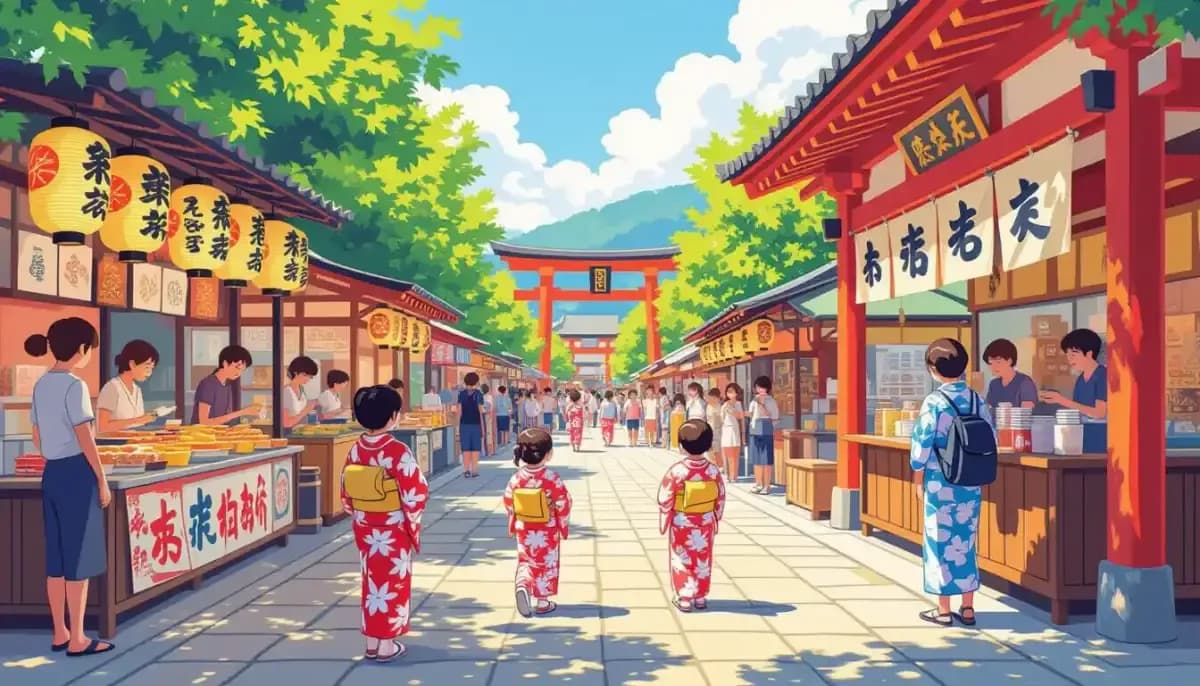
Japanese Summer Festivals (Matsuri) with Kids
Complete guide to Japanese summer festivals (matsuri) for foreign families with children. Top festivals, kid-friendly activities, yukata tips, heat safety, and how to participate respectfully.
Read more →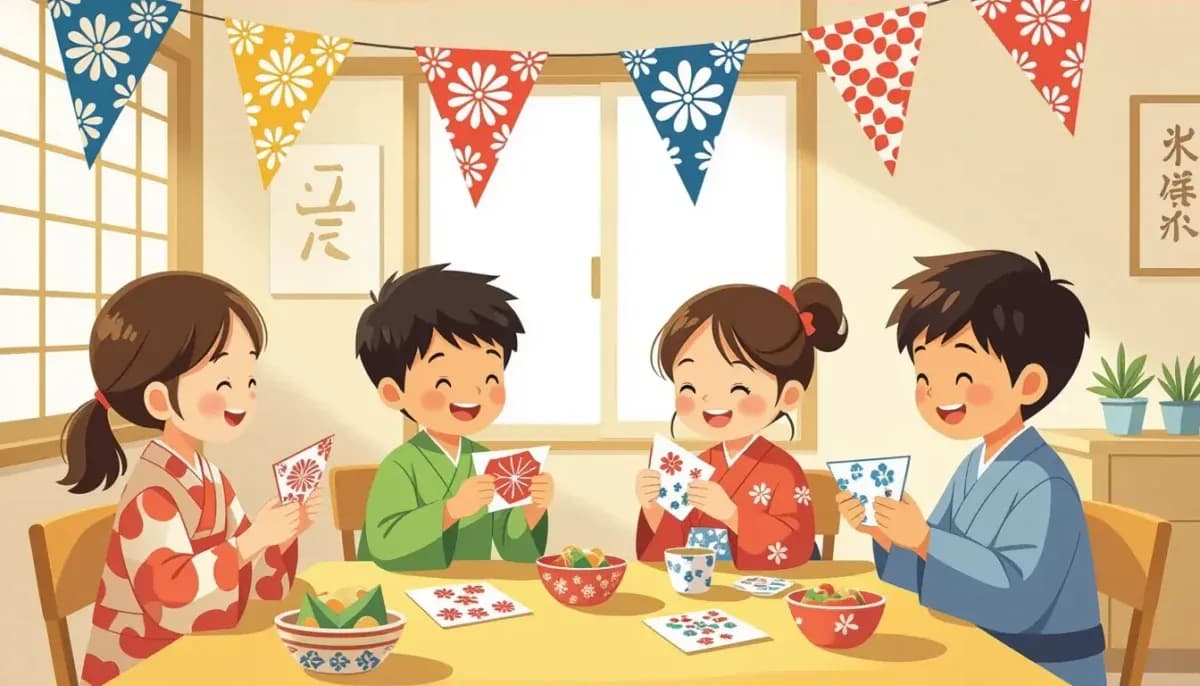
Seasonal Crafts and Activities to Do with Your Children
Discover the best seasonal crafts and activities to do with your children in Japan — from spring koinobori and Tanabata wishes to autumn moon viewing and Setsubun bean throwing. A complete guide for expat families.
Read more →
School Events Calendar: What to Expect Throughout the Year
A complete guide to the Japanese school events calendar for foreign parents. Learn about Sports Day, Cultural Festival, graduation ceremonies, and all major school events throughout the year.
Read more →
Christmas Celebrations in Japan with Children
Complete guide to celebrating Christmas in Japan with kids: KFC traditions, stunning illuminations, gift shopping, at-home crafts, and practical tips for foreign families living in Japan.
Read more →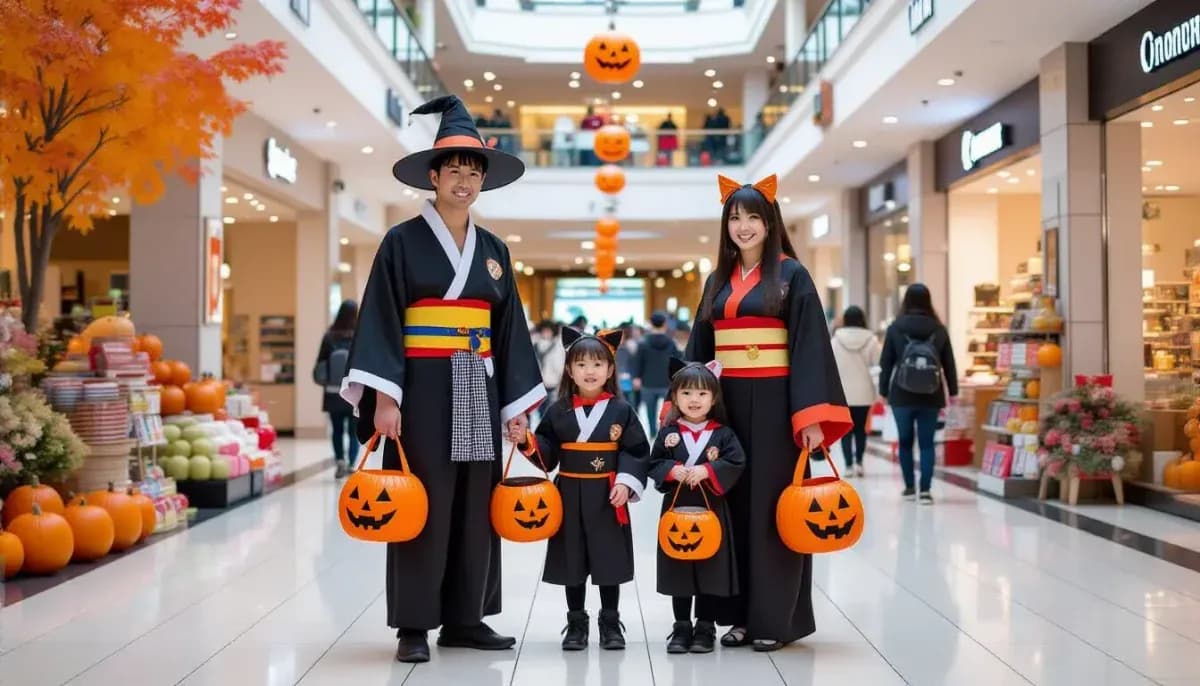
Halloween in Japan: How Families Celebrate
Discover how families celebrate Halloween in Japan: theme park events, shopping mall trick-or-treat routes, school parties, and the best family-friendly Halloween events across the country.
Read more →