
New Year (Oshogatsu) Traditions to Share with Your Children

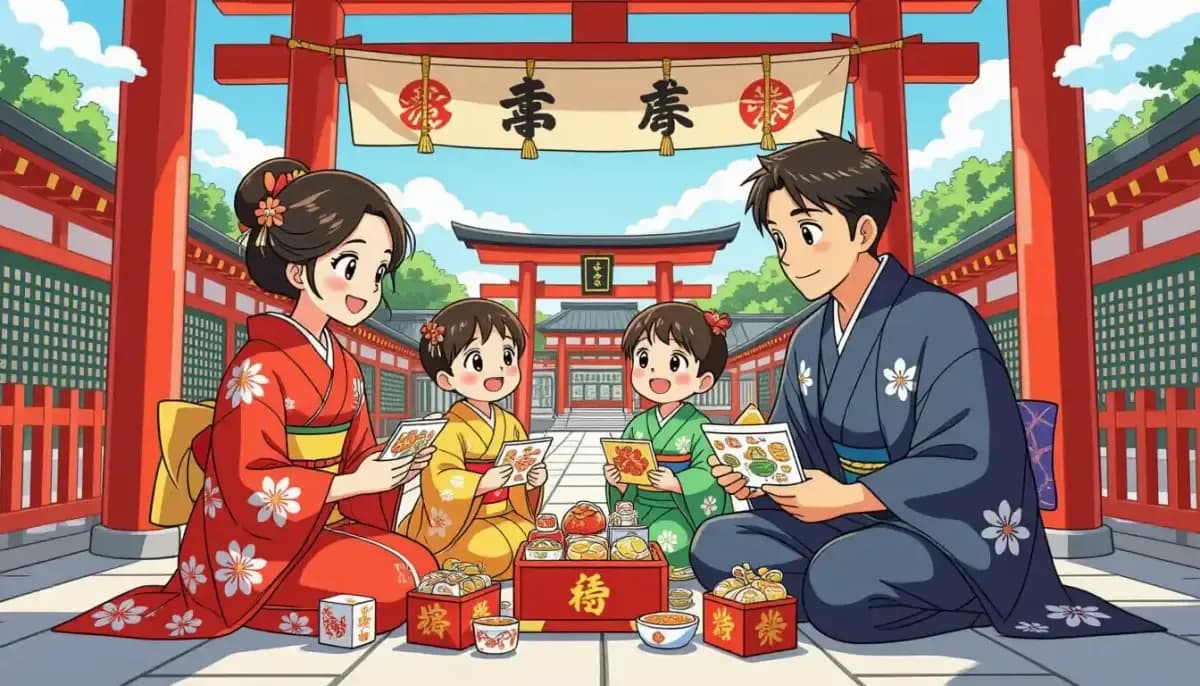
Discover all major Japanese New Year (Oshogatsu) traditions to share with your children — otoshidama, hatsumode, osechi ryori, traditional games, and more. A complete guide for foreign families in Japan.
New Year (Oshogatsu) Traditions to Share with Your Children
Oshogatsu — the Japanese New Year — is arguably the most important holiday in Japan. Unlike the boisterous, party-centered celebrations common in Western countries, Japanese New Year is a time of quiet family togetherness, deeply rooted traditions, and the hope of a fresh, auspicious beginning. For foreign families raising children in Japan, Oshogatsu offers a remarkable opportunity to immerse your kids in centuries-old customs that are still very much alive today.
Whether you are a long-term expat or a newcomer experiencing your first Japanese New Year, this guide walks you through every major Oshogatsu tradition you can share with your children — from the solemn first shrine visit to the joyful giving of otoshidama envelopes. Participating in these traditions not only creates lasting memories, but also helps your children develop a genuine connection to Japanese culture that will serve them throughout their lives.
Understanding Oshogatsu: Why It Matters for Foreign Families
Oshogatsu (お正月) covers the period from New Year's Eve through roughly the first week of January. During this time, most of Japan slows down: businesses close from December 29 to January 3, families travel to their hometowns, and cities feel quieter than usual. It is fundamentally a family holiday — not a nightlife or party event — which makes it particularly well-suited for families with young children.
For foreign families, the weeks before and after the New Year can feel slightly disorienting. Supermarket shelves fill with unfamiliar seasonal foods, temples and shrines prepare for enormous crowds, and the general atmosphere shifts from the frantic energy of December to something more reflective and hopeful. Understanding the meaning behind each tradition transforms this potentially confusing period into a deeply enriching cultural experience.
Japan's population of children under 15 stands at approximately 13.7 million as of 2025, representing 11.1% of the total population — an all-time low. In this context, Japanese society places considerable emphasis on meaningful experiences for children, and Oshogatsu is at the heart of that intention. For foreign families, joining in is genuinely welcomed by Japanese neighbors, friends, and community members.
For more on navigating Japanese culture with your children year-round, see our guide on raising bilingual children in Japan and cultural identity for hafu and mixed-race children.
Otoshidama: New Year Money Gifts for Children
Of all Oshogatsu traditions, otoshidama (お年玉) is probably the one that excites children the most. Otoshidama are small cash gifts given to children by parents, grandparents, aunts, uncles, and family friends on New Year's Day, presented in special decorative envelopes called pochibukuro.
The tradition has spiritual roots — the term originally referred to the soul (tama) of the toshigami, the New Year deity. Historically, round mochi rice cakes and mandarin oranges were distributed rather than money. Today, cash is universal.
Otoshidama Amount Guide by Age
| Age Group | Typical Amount |
|---|---|
| Preschool (0–6 years) | ¥1,000 |
| Elementary school (7–12 years) | ¥1,000–¥5,000 |
| Junior high school (13–15 years) | ¥5,000–¥10,000 |
| High school (16–18 years) | ¥10,000 |
Tips for foreign families:
- You are expected to give otoshidama if you have Japanese friends with children of the appropriate age — it is a reciprocal tradition.
- When multiple children are present, give equal amounts to avoid feelings of unfairness.
- Pochibukuro envelopes are sold everywhere in December; buy ones appropriate to the receiver's age — cartoon designs for young children, more elegant designs for teenagers.
- Teach children to receive the envelope with two hands and a small bow, and to open it later rather than immediately in front of the giver.
- Help older children plan how to save or spend their otoshidama — it can be a wonderful opportunity for early financial literacy lessons. See our financial planning for expat families guide for more ideas.
Hatsumode: The First Shrine Visit of the Year
Hatsumode (初詣) is the first visit to a shrine or temple in the New Year, traditionally done within the first three days of January. It is one of the most universally observed Oshogatsu customs — Meiji Shrine in Tokyo alone receives several million visitors during those first three days.
For families with young children, hatsumode combines a meaningful ritual with a sensory-rich outdoor experience: the smell of incense, the sound of chanting, the sight of people dressed in beautiful kimono, and the anticipation of drawing your fortune for the new year.
What to Do During Hatsumode
- Temizuya (hand washing): Before approaching the main hall, cleanse your hands at the water basin. Fill the ladle with your right hand and pour over your left, then switch. This purification ritual is appropriate for all ages.
- Offering and prayer: Approach the main hall, toss a coin into the offering box, bow twice deeply, clap twice, then bow once more. Children enjoy participating in this sequence.
- Omikuji (fortune slips, ~¥100): Children love drawing omikuji — paper fortunes that predict the year ahead. Fortunes range from daikichi (great luck) to kyō (bad luck). If you draw an unfavorable fortune, tie it to the shrine fence using your non-dominant hand to leave the bad luck behind.
- Ema (wooden wishing plaques): Purchase a small wooden plaque, write your wish or goal for the year on the back, and hang it at the shrine. This is a wonderful family activity — children can draw pictures if they cannot yet write.
- Omamori (protective charms): Small silk pouches containing sacred items, sold for specific purposes — health, academic success, traffic safety, and more. For school-age children, an omamori for academic success (gakugyō-jōju) is a popular purchase.
- Hamaya (lucky arrows): Decorative wooden arrows purchased to ward off evil spirits; displayed at home pointing downward throughout the year.
Practical tips: Visit a local neighborhood shrine on January 2 or 3 during early morning to avoid the enormous crowds at major shrines. Dress children in warm layers — winter mornings at shrines can be extremely cold.
Osechi Ryori: The Traditional New Year Feast
Osechi ryori (おせち料理) is the elaborate multi-dish meal that defines Oshogatsu eating. Prepared in advance and packed into lacquered stacking boxes called juu-bako, osechi was traditionally designed to last three days without refrigeration — a practical solution born from the era before appliances, and a way for cooks to enjoy the holiday without spending it in the kitchen.
Each dish in osechi carries symbolic meaning, which makes explaining it to children both educational and engaging:
| Dish | Meaning |
|---|---|
| Kuromame (black soybeans) | Health and diligence |
| Kazunoko (herring roe) | Fertility and prosperity |
| Datemaki (sweet rolled omelet) | Knowledge and academic success |
| Kuri kinton (sweet chestnut paste) | Wealth and good fortune |
| Ebi (shrimp) | Longevity (curved shape resembles an old person's back) |
| Kohaku kamaboko (red & white fish cake) | Celebration and good luck |
| Tazukuri (dried sardines) | Bountiful harvest |
Kid-friendly osechi choices: The sweet datemaki, golden kuri kinton, and colorful kohaku kamaboko tend to be the most popular dishes with young children. Consider involving older children in learning what each dish means before eating.
Modern osechi for families with young children: Character-themed osechi sets featuring Anpanman, Pokémon, Mickey Mouse, Sanrio characters, and Minions have become widely available and make the tradition far more accessible for children who might otherwise resist unfamiliar foods. These can be ordered online or found at department stores.
Ozoni (New Year's soup): Alongside osechi, families eat ozoni — a broth-based soup with grilled mochi and vegetables. Regional varieties differ significantly across Japan. ⚠️ Important safety note: Mochi is a serious choking hazard, especially for children under 4 and elderly individuals. Always cut mochi into small pieces, ensure thorough chewing, and supervise young children carefully.
For guidance on Japanese food culture and navigating dietary needs for children, our baby and infant care in Japan guide has useful context for younger children.
Traditional Children's Games for Oshogatsu
Historically, Oshogatsu was the season for traditional Japanese children's games. While these games have declined somewhat in everyday use, many families — Japanese and foreign alike — deliberately revive them during the New Year period as a way to connect with heritage. They also make excellent family activities that do not require screens.
Games to Try with Your Children
Hanetsuki (羽根突き): Traditional wooden paddle badminton using hagoita (decorated wooden paddles) and a shuttlecock. The paddles themselves are considered good luck charms that ward off evil spirits — ornate hagoita are sold as decorations. For children, the playing version with a simple shuttlecock is lively and easy to learn.
Takoage (凧揚げ): Kite flying. Simple kites are sold at stores throughout December and January. Wide open parks on winter mornings are ideal locations.
Karuta (かるた): Traditional Japanese card game where one player reads aloud from a poem or saying and others race to grab the matching illustrated card. Iroha karuta, with proverbs and illustrations, is especially family-friendly. Hyakunin Isshu (One Hundred Poets) is a more advanced version played competitively.
Fuku Warai (福笑い): A blindfolded face-arranging game — similar conceptually to "Pin the Tail on the Donkey." Players place facial features (eyes, nose, mouth) onto a blank face outline while blindfolded, creating hilariously misaligned results. Children find this game endlessly funny.
Sugoroku (双六): A traditional board game similar to snakes and ladders. New Year-themed sugoroku boards are sold seasonally.
Koma (コマ): Spinning tops. Traditional wooden koma come in various sizes; learning to spin them takes practice and is surprisingly engaging for children.
Shodo (書道): New Year calligraphy. Writing the first characters of the year (kakizome) is a school tradition and a meaningful home activity. Purchase an inkstone, brush, and washi paper, and have children write characters related to their hopes for the year.
Toshikoshi Soba and New Year's Eve Traditions
New Year's Eve (Omisoka) has its own distinct set of traditions that you can observe as a family.
Toshikoshi Soba (年越しそば): The most universal Omisoka tradition is eating toshikoshi soba — long buckwheat noodles — before midnight. The long noodles symbolize longevity, and eating them is said to help let go of the hardships of the past year. The noodles should be eaten before midnight; finishing them after midnight is considered unlucky. Children generally enjoy soba, making this an easy tradition to adopt.
Joya no Kane (除夜の鐘): Buddhist temples ring their bells exactly 108 times at midnight on New Year's Eve. The number 108 represents the human desires and attachments that Buddhism teaches cause suffering — each ring releases one. Many temples open the bell ringing to public participation; look for local temples offering this experience, as children find it memorable and meaningful.
NHK Kohaku Uta Gassen: A beloved New Year's Eve television tradition — a music competition broadcast on NHK featuring Japan's most popular artists, divided into Red (female artists) and White (male artists) teams. It has aired every year since 1951 and is deeply embedded in Japanese culture. Watching it together as a family while eating toshikoshi soba is a quintessential Oshogatsu experience.
Oosoji (大掃除 — Year-End Cleaning): In the weeks before the New Year (traditionally December 13–28), Japanese families deep-clean their homes. This oosoji symbolizes starting the new year fresh. Involving children in cleaning, organizing, and decluttering — framed as making space for good fortune — is a practical and meaningful family activity.
Nengajo: New Year's Postcards
Nengajo (年賀状) are special postcards sent to arrive exactly on January 1, featuring the Chinese zodiac animal of the coming year and warm wishes for the recipient. Writing and sending nengajo is a tradition children can meaningfully participate in.
Each card includes a lottery number — announced in mid-January — that may win prizes including cash, stamps, or merchandise. Physical nengajo delivery has declined in recent years (down approximately 34% in 2025), with digital alternatives growing in popularity, but the tradition remains significant for many Japanese families and businesses.
Activity idea: Have children draw or stamp their own nengajo designs to send to grandparents, teachers, and Japanese friends. Art supply stores sell blank nengajo cards for decorating. For families who have experienced a bereavement in the previous year, plain mourning postcards (mochu hagaki) are sent instead, notifying recipients that seasonal greetings will not be exchanged.
Other Oshogatsu Traditions Worth Knowing
Kagami Mochi (鏡餅): Two stacked round mochi rice cakes of different sizes, topped with a mandarin orange (daidai) and displayed in the home as a New Year's decoration. The display is taken down and the mochi eaten on January 11 in a ceremony called Kagami Biraki. Pre-packaged kagami mochi sets with individually wrapped mini-mochi inside are sold everywhere — convenient and festive.
Kadomatsu (門松) and Shimekazari (しめ飾り): Kadomatsu are bamboo and pine arrangements placed at entrances to welcome the toshigami (New Year deity). Shimekazari are sacred rope wreaths hung on doors for purification. These decorations should be put up between December 26–30; putting them up on December 31 only ("ichiya-kazari") is considered disrespectful.
Hatsuhinode (初日の出): Viewing the first sunrise of the year is considered deeply auspicious — it is believed the sunrise represents the character of the entire year ahead. Families often gather at beaches, mountaintops, or high rooftops to watch together. Check local sunrise times and wrap up warmly.
Nanakusa-gayu (七草粥 — January 7): After days of rich osechi food, January 7 brings a light rice porridge containing seven traditional spring herbs (nanakusa). Pre-packaged herb kits are widely sold at supermarkets. It is a gentle, comforting tradition that also signals the official end of the Oshogatsu period.
Fukubukuro (福袋 — Lucky Bags): From January 1 onward, shops sell mystery bags stuffed with merchandise at a price below the contents' total value. Lines form early for popular store fukubukuro. Children's fukubukuro can contain toys, craft sets, snacks, and character merchandise — a fun tradition to participate in together.
Practical Tips for Foreign Families During Oshogatsu
Navigating Oshogatsu as a foreign family requires some advance preparation:
- Stock up before December 28: Most supermarkets, pharmacies, and non-convenience stores close from December 29 through January 3. Buy essentials — medications, diapers, pantry items — before the closures. Convenience stores remain open.
- Book restaurant reservations early: Many restaurants reopen January 4–7; popular ones fill quickly. If you want to dine out during the holiday, book well in advance.
- Dress warmly for shrine visits: Early morning hatsumode in late December and early January can be bitterly cold. Layer children generously and bring hand warmers.
- Learn basic shrine etiquette with your children: Explain the hand-washing procedure, bow-clap-bow ritual, and the difference between jinja (shrines) and otera (temples) before visiting — children who understand what they are doing engage far more meaningfully.
- Embrace the quiet: The first days of January in Japan are genuinely peaceful. Use the quieter pace as intentional family time rather than filling it with activities.
For guidance on navigating the Japanese school system and cultural expectations throughout the year, our complete guide to the Japanese education system for foreign families provides important context.
Helpful Resources for Oshogatsu with Children
For more detailed practical information, the following resources are valuable:
- Living in Nihon — Comprehensive guidance for foreigners living in Japan, covering daily life logistics and cultural events.
- For Work in Japan — Practical resources for foreign workers and families navigating life in Japan.
- Chuukou Benkyou — Useful information on Japanese culture, education, and day-to-day life in Japan.
- Savvy Tokyo - New Year's in Japan with Kids — Practical tips specifically for families with young children.
- Japan Guide - New Year — Comprehensive overview of Oshogatsu customs and traditions.
Conclusion: Oshogatsu as a Lifelong Gift to Your Children
Oshogatsu is not a single event — it is a collection of layered traditions, each carrying meaning that deepens with repeated experience. For children growing up in Japan, these traditions become woven into the fabric of who they are. For foreign children, participating in Oshogatsu — receiving otoshidama, drawing omikuji, eating toshikoshi soba, flying kites — creates a genuine sense of belonging to Japanese culture alongside their own heritage.
You do not need to do everything in this guide in your first year. Start with one or two traditions that feel natural and build from there. Each year, you can add a new element. Over time, your family will develop its own Oshogatsu rituals that blend your cultural background with the Japanese traditions surrounding you.
The most important thing is to engage with genuine curiosity and respect — and to let your children lead. Ask them what they want to try, what surprised them, what they want to repeat. Their enthusiasm will be your guide.
Akemashite omedetou gozaimasu — Happy New Year.

Originally from Vietnam, living in Japan for 16+ years. Graduated from Nagoya University, with 11 years of professional experience at Japanese and international companies. Sharing practical information for foreign parents raising children in Japan.
View Profile →Related Articles
Cherry Blossom Season (Hanami) with Children
Complete guide to enjoying cherry blossom season (hanami) with children in Japan. Best family parks, safety tips, what to bring, cultural etiquette, and activities for kids during sakura season.
Read more →
Japanese Summer Festivals (Matsuri) with Kids
Complete guide to Japanese summer festivals (matsuri) for foreign families with children. Top festivals, kid-friendly activities, yukata tips, heat safety, and how to participate respectfully.
Read more →
Seasonal Crafts and Activities to Do with Your Children
Discover the best seasonal crafts and activities to do with your children in Japan — from spring koinobori and Tanabata wishes to autumn moon viewing and Setsubun bean throwing. A complete guide for expat families.
Read more →
School Events Calendar: What to Expect Throughout the Year
A complete guide to the Japanese school events calendar for foreign parents. Learn about Sports Day, Cultural Festival, graduation ceremonies, and all major school events throughout the year.
Read more →
Christmas Celebrations in Japan with Children
Complete guide to celebrating Christmas in Japan with kids: KFC traditions, stunning illuminations, gift shopping, at-home crafts, and practical tips for foreign families living in Japan.
Read more →
Halloween in Japan: How Families Celebrate
Discover how families celebrate Halloween in Japan: theme park events, shopping mall trick-or-treat routes, school parties, and the best family-friendly Halloween events across the country.
Read more →