
Tanabata Star Festival: Celebrating with Your Family

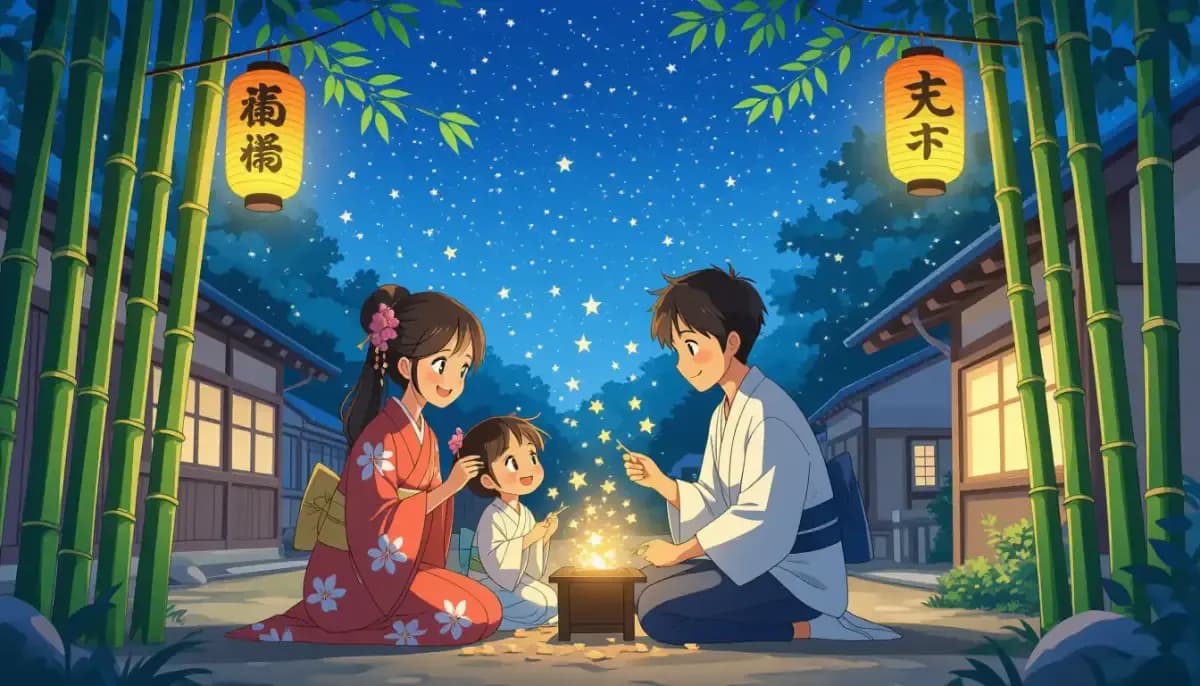
Complete guide to celebrating Tanabata Star Festival with your family in Japan — traditions, decorations, festivals, foods, and budget tips for foreign families.
Tanabata Star Festival: Celebrating with Your Family in Japan
Every year on July 7th, Japan transforms into a magical world of colorful streamers, wish-filled paper strips, and bamboo trees adorned with shimmering decorations. Tanabata (七夕), the Star Festival, is one of Japan's most beloved seasonal celebrations — and for families raising children in Japan, it's an incredible opportunity to connect with Japanese culture in a fun, meaningful, and nearly free way.
Whether your children attend a Japanese school, daycare, or international school, chances are they'll come home with handmade tanzaku (paper wish strips) and stars they crafted themselves. This guide will help you understand the history and traditions of Tanabata, join the celebrations with confidence, and make lasting memories with your children during this enchanting summer festival.
The Romantic Legend Behind Tanabata
Tanabata's origin story is one of the most beautiful in Japanese folklore. The festival is based on a Chinese legend about two celestial lovers — Orihime (織姫, the Weaving Princess, represented by the star Vega) and Hikoboshi (彦星, the Cowherd Star, represented by Altair). The two fell so deeply in love that they neglected their work, causing the heavens to fall into disarray.
Angry at their negligence, Orihime's father (the Sky King) separated them on opposite sides of the Milky Way (天の川, Amanogawa). They were permitted to meet only once a year — on the seventh night of the seventh month — when a bridge of birds forms across the starry river to reunite them.
The festival was introduced to Japan by Empress Koken in 755 CE and was initially celebrated only by the aristocracy as an occasion for improving skills in weaving, poetry, and calligraphy. During the Edo period (1603–1868), the celebration spread to the general public, and the tradition of writing wishes on tanzaku paper strips became widespread. Today, Tanabata is celebrated across all of Japan — and its message of hope, perseverance, and wishing for better things resonates deeply with families of all backgrounds.
For more context on Japanese seasonal traditions, check out the Living in Nihon guide to Tanabata and other Japanese festivals.
When and Where is Tanabata Celebrated?
One of the most confusing things for newcomers is that Tanabata is celebrated on different dates depending on the region:
| Region / Festival | Date | Notes |
|---|---|---|
| Most of Japan (standard) | July 7 | Based on the Gregorian calendar |
| Sendai Tanabata Festival | August 6–8 | Most famous festival in Japan |
| Hiratsuka Tanabata Festival | Early July | Draws nearly 1 million visitors |
| Ichinomiya Tanabata Festival | Late July | Also draws over 1 million |
| Tokyo (Asakusa, Asagaya, Koenji) | Late July to early August | Multiple neighborhood festivals |
| Some rural regions | August 7 | Based on the traditional lunar calendar |
For families living in Japan, this means you have multiple opportunities to celebrate throughout the summer. Even if you miss the July 7th date in your area, a trip to the Sendai Tanabata Festival in early August makes for an unforgettable family experience.
The Sendai Tanabata Festival is the crown jewel of Tanabata celebrations in Japan. With over 3,000 elaborate bamboo decorations stretching across the city's covered shopping arcades (shotengai), the scale and artistry on display is breathtaking. It's an ideal destination for families with children of all ages.
The Hiratsuka Tanabata Festival in Kanagawa Prefecture is another excellent option for families in the Greater Tokyo Area, known for its enormous, elaborately decorated shopping street displays.
Understanding Tanabata Decorations and Their Meanings
If you've seen a Tanabata bamboo tree (笹竹, sasatake) up close, you've probably noticed that each decoration has a specific shape and purpose. Here's a guide to help you and your children understand what you're looking at — and what to make when you celebrate at home:
| Decoration | Japanese Name | Meaning |
|---|---|---|
| Colored paper strips | 短冊 (Tanzaku) | Written wishes for the year |
| Streamers / paper strips | 吹き流し (Fukinagashi) | Represent Orihime's weaving threads; wish for improved skills |
| Folded paper cranes | 折り鶴 (Orizuru) | Longevity and health; one crane per year of age |
| Paper garments | 紙衣 (Kamigoromo) | Improved sewing skill; protection from illness |
| Coin pouches | 巾着 (Kinchaku) | Prosperity and financial luck |
| Fishing nets | 投網 (Toami) | Abundant harvest or good catch |
| Paper stars | 星飾り (Hoshikazari) | Wishes to shine as brightly as the stars |
| Trash bags | くずかご (Kuzukago) | Cleanliness and tidiness of mind |
Tanzaku paper strips come in five traditional colors — blue/green, red, yellow, black/purple, and white — which represent the five elements of Chinese philosophy (wood, fire, earth, metal, and water). When writing wishes, it's traditional to write your wish, not your name. Children's wishes at school often range from "I want to get better at math" to "I want to meet my favorite anime character" — and every wish is taken seriously!
For ideas on how to integrate Japanese cultural activities into your family life, explore our guide on raising bilingual children in Japan.
How to Participate in Tanabata as a Foreign Family
One of the most welcoming aspects of Tanabata is that anyone can participate, regardless of Japanese language ability or cultural background. Here's how to get involved:
At your child's school or daycare: Most Japanese schools, hoikuen (daycare centers), and yochien (kindergartens) set up bamboo trees and provide tanzaku for children to write on. Your child's teachers will likely guide them through the process. Ask teachers in advance if you'd like to help decorate, or send in a handmade tanzaku from home.
For more on how Japanese schools celebrate seasonal events, read our guide on kindergarten in Japan for foreign parents.
In your neighborhood: Look for bamboo trees set up at local supermarkets, train stations, community centers, and shopping streets. Tanzaku are usually provided free of charge and you're welcome to write a wish in any language. Many community bulletin boards also announce local Tanabata events.
At major festivals: Visit one of Japan's famous Tanabata festivals for the full sensory experience — massive decorations, food stalls, yukata-clad visitors, and the festive sound of traditional music. Check local tourism boards or platforms like Japan Guide for event listings near you.
At home: Buy a small bamboo branch from a florist or garden center, make or buy tanzaku (available at 100-yen stores and craft shops), and set up your own family Tanabata tree. This is a wonderful activity for younger children and creates a beautiful seasonal decoration for your home.
For general advice on settling into Japanese life with children, the Belonging Japan guide to Tanabata for foreign residents offers practical tips for expats.
Traditional Tanabata Foods to Enjoy with Your Family
Like most Japanese festivals, Tanabata has its own traditional food. The star food of Tanabata is somen (そうめん) — thin white wheat noodles typically served cold with a dipping sauce. The long, thin white noodles are said to resemble both Orihime's weaving threads and the Milky Way itself, making them a poetic and delicious choice.
Here are some ways to enjoy Tanabata foods at home or at the festival:
- Cold somen with a mentsuyu dipping broth, garnished with sliced cucumber, tomato, and egg — perfect for a hot July day
- Nagashi somen — a festive activity where somen noodles are floated down a bamboo chute filled with cold water, and diners catch them with chopsticks. Many restaurants and even some families set up DIY versions during Tanabata season
- Festival food stalls at Tanabata matsuri typically include yakitori (grilled chicken skewers), kakigori (shaved ice), takoyaki (octopus balls), and corn on the cob
Making somen together as a family on Tanabata evening is a simple, affordable, and delicious way to mark the occasion — and kids of all ages love the hands-on experience of making or catching their own noodles.
Making the Most of Tanabata for Your Multicultural Family
Tanabata is a beautiful entry point for multicultural families to engage with Japanese culture in a way that is joyful, inclusive, and deeply meaningful. Here are some ideas to make the celebration special for your family:
Write wishes in multiple languages: There's no rule that tanzaku must be written in Japanese. Writing wishes in your home language alongside Japanese is a wonderful way to honor your heritage while participating in the tradition. Your children can write their wishes in both languages as a bilingual literacy activity.
Blend your own cultural traditions: If your home country has a similar star or wishing tradition, share it with your children alongside Tanabata. The universality of wishing upon stars is a powerful conversation starter about cultural connections and similarities.
Attend a festival in yukata: Renting or buying a yukata (summer kimono) for your children is one of the most memorable Tanabata experiences. Many festivals have yukata rental options, and children absolutely love wearing them.
Document your decorations: Set up a simple bamboo branch at home each year and photograph your family with it. As your children grow, you'll have a beautiful record of their Tanabata wishes across the years — a treasured family tradition.
Explore Tanabata literature and art: Tanabata has inspired countless children's books, anime episodes, and traditional art. Sharing these with your children deepens their cultural literacy and language skills. Look for Tanabata picture books (絵本, ehon) at your local library.
For broader guidance on cultural engagement and raising confident, culturally connected children in Japan, see our articles on cultural identity for hafu and mixed-race children and toddler parenting in Japan.
Practical Tips: Tanabata on a Budget
Tanabata is one of Japan's most budget-friendly seasonal celebrations. Unlike Children's Day (which traditionally involves purchasing armor sets costing ¥20,000+) or Hinamatsuri (with doll sets running ¥30,000 or more), Tanabata participation can be almost entirely free.
- Free tanzaku: Available at most supermarkets, schools, train stations, and community centers
- DIY bamboo: A small bamboo branch from a florist costs ¥500–¥1,000
- 100-yen store supplies: Paper, scissors, and craft supplies for making decorations cost only a few hundred yen
- Free festivals: Many neighborhood Tanabata festivals are free to attend; only food and shopping cost money
- Free activities at school: Your children's schools and daycare centers will typically run Tanabata craft activities at no additional cost
The main costs come if you choose to travel to a destination festival like Sendai or purchase yukata. But even these can be managed affordably — second-hand yukata are widely available at flea markets, thrift stores, and platforms like Mercari Japan.
For more on managing the costs of raising children in Japan, see our guide on financial planning for expat families.
External Resources for Tanabata Planning
To help you plan the best Tanabata experience for your family, here are some trusted resources:
- Living in Nihon — Tanabata and Japanese Festivals Guide: Comprehensive guide to Tanabata and other seasonal celebrations for foreigners in Japan
- For Work in Japan — Life in Japan Resources: Practical information for foreigners living and working in Japan
- Chuukou Benkyou — Japanese Study Resources: Resources for understanding Japanese culture and educational context
- Sendai Tanabata Festival Guide — Rakuten Travel: Detailed guide to planning a visit to the Sendai Tanabata Festival
Conclusion: Why Tanabata Matters for Your Family
Tanabata is more than a colorful summer festival — it's a timeless celebration of hope, love, and the power of wishes. For foreign families raising children in Japan, it's one of the most accessible and joyful ways to participate in Japanese culture, make friends in the community, and give your children a genuine sense of belonging in their Japanese home.
Whether you attend a grand festival in Sendai, write tanzaku together at your kitchen table, or simply watch the summer stars with your children and share the story of Orihime and Hikoboshi, Tanabata is a celebration that crosses all cultural and language barriers.
We hope this guide helps your family create magical Tanabata memories that your children will carry with them for a lifetime. Clear skies, and may all your wishes come true — 願いが叶いますように!

Originally from Vietnam, living in Japan for 16+ years. Graduated from Nagoya University, with 11 years of professional experience at Japanese and international companies. Sharing practical information for foreign parents raising children in Japan.
View Profile →Related Articles
Cherry Blossom Season (Hanami) with Children
Complete guide to enjoying cherry blossom season (hanami) with children in Japan. Best family parks, safety tips, what to bring, cultural etiquette, and activities for kids during sakura season.
Read more →
Japanese Summer Festivals (Matsuri) with Kids
Complete guide to Japanese summer festivals (matsuri) for foreign families with children. Top festivals, kid-friendly activities, yukata tips, heat safety, and how to participate respectfully.
Read more →
Seasonal Crafts and Activities to Do with Your Children
Discover the best seasonal crafts and activities to do with your children in Japan — from spring koinobori and Tanabata wishes to autumn moon viewing and Setsubun bean throwing. A complete guide for expat families.
Read more →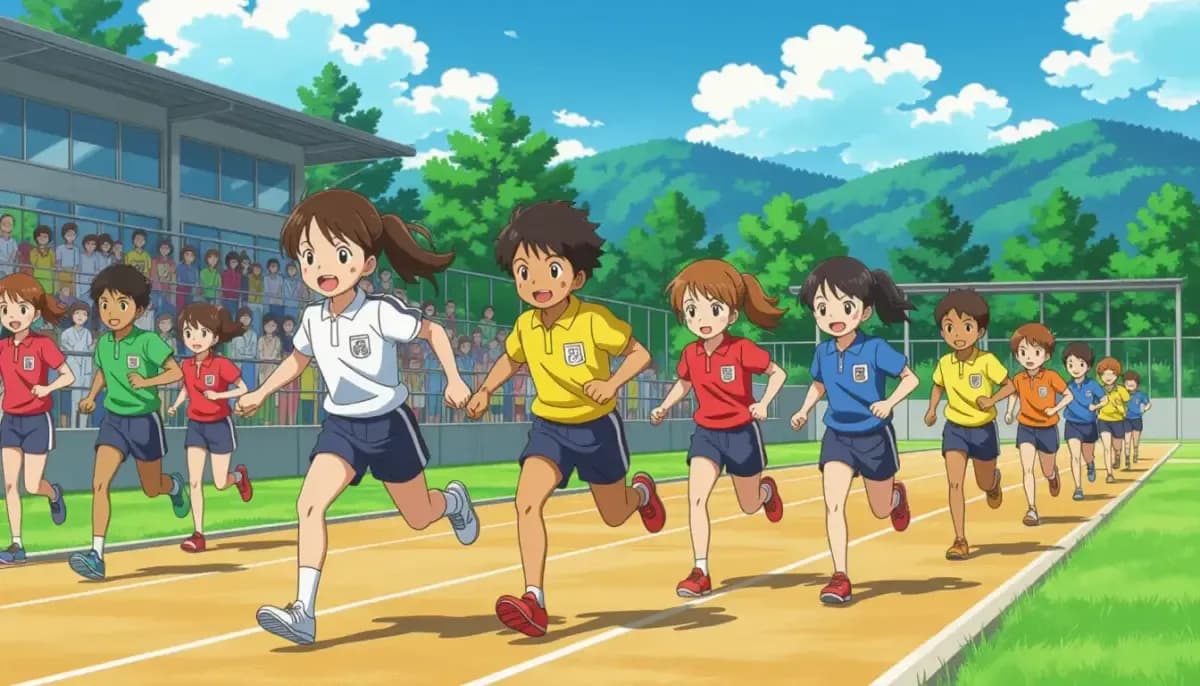
School Events Calendar: What to Expect Throughout the Year
A complete guide to the Japanese school events calendar for foreign parents. Learn about Sports Day, Cultural Festival, graduation ceremonies, and all major school events throughout the year.
Read more →
Christmas Celebrations in Japan with Children
Complete guide to celebrating Christmas in Japan with kids: KFC traditions, stunning illuminations, gift shopping, at-home crafts, and practical tips for foreign families living in Japan.
Read more →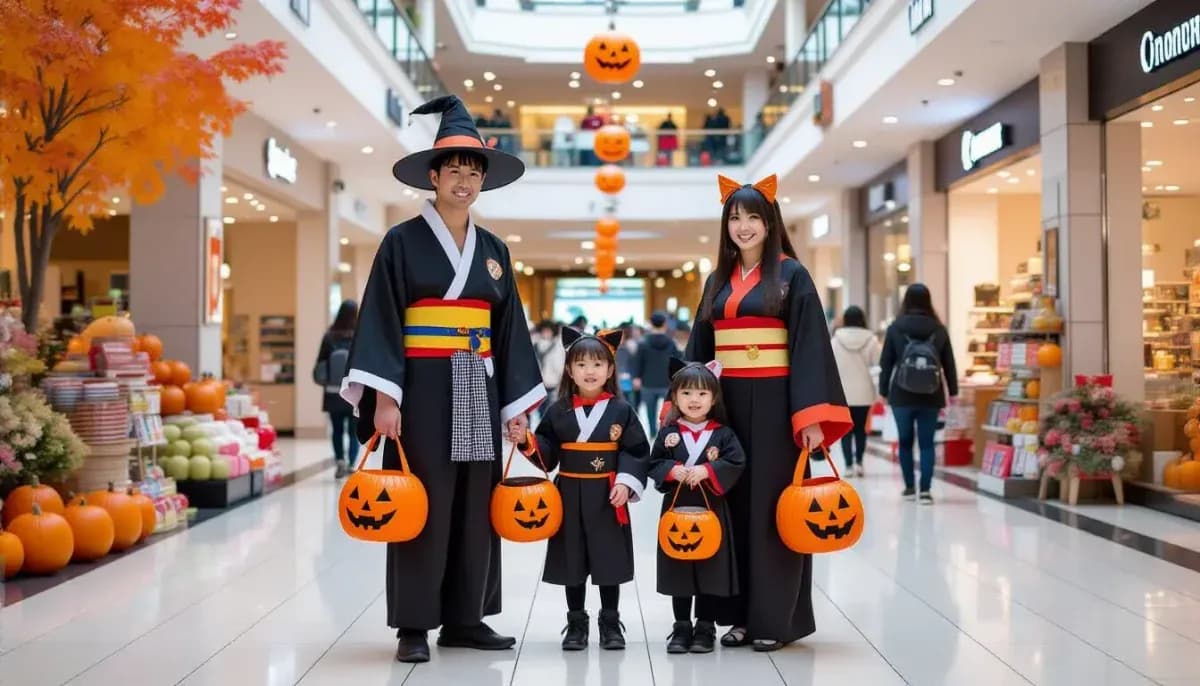
Halloween in Japan: How Families Celebrate
Discover how families celebrate Halloween in Japan: theme park events, shopping mall trick-or-treat routes, school parties, and the best family-friendly Halloween events across the country.
Read more →