
Newborn Care Tips for First-Time Parents in Japan

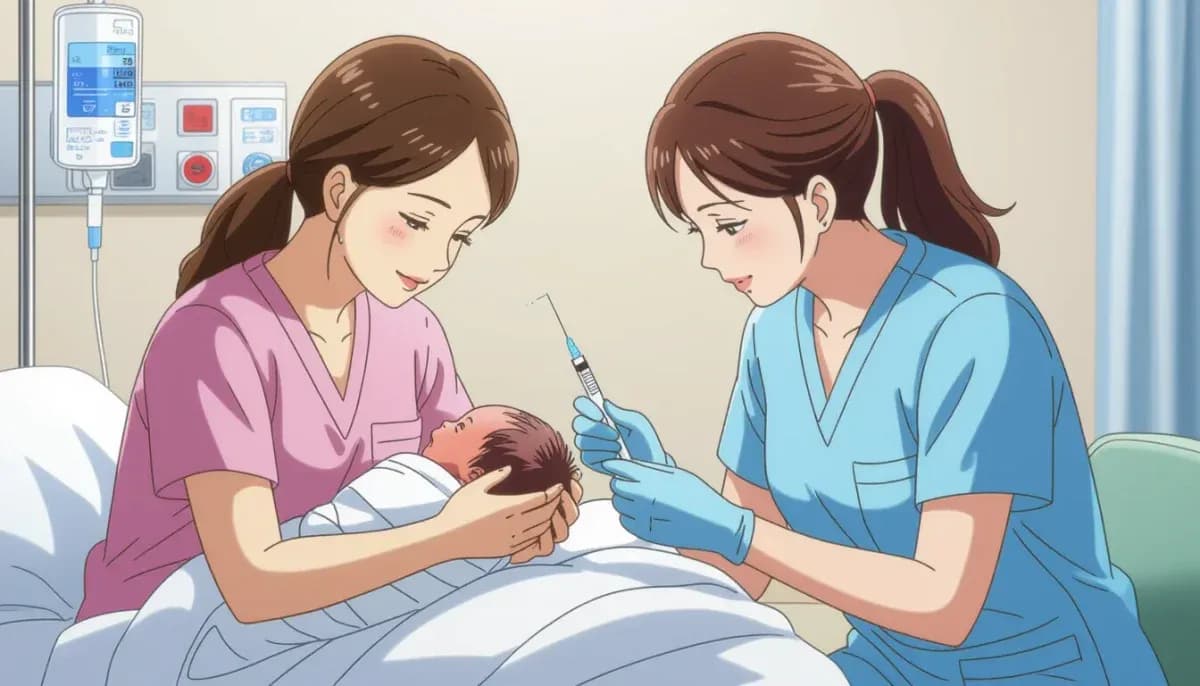
Complete guide to newborn care in Japan for foreign parents: hospital stays, Boshi Techo handbook, free vaccinations, health checkups, breastfeeding tips, and postpartum support programs.
Newborn Care Tips for First-Time Parents in Japan
Welcoming a newborn into the world is one of the most profound experiences of a lifetime — and doing so as a foreign parent in Japan adds an extra layer of complexity. From navigating the healthcare system in a second language to adapting to Japanese childcare culture, first-time parents can quickly feel overwhelmed. The good news? Japan offers one of the world's most supportive newborn care environments, with low infant mortality rates, generous government support, and a highly organized health system. This guide walks you through everything you need to know about caring for your newborn in Japan as a foreign parent.
Understanding Japan's Postpartum Hospital Stay
One of the first things that surprises new foreign parents in Japan is just how long the postpartum hospital stay is. While many Western countries discharge mothers within 24–48 hours after a vaginal birth, Japan takes a much more thorough approach:
- Vaginal delivery: 5–6 days in hospital
- Cesarean section: 7–8 days in hospital
This extended stay is not just for physical recovery. During this time, nurses and midwives teach you essential newborn care skills — how to bathe your baby, how to establish breastfeeding, how to swaddle, and what warning signs to watch for. Many hospitals also offer seminars or one-on-one consultations.
For foreign parents with limited Japanese, it's worth asking in advance whether the hospital has English-speaking staff or interpreter services. Some hospitals in major cities like Tokyo, Osaka, and Yokohama cater specifically to international patients.
For broader information about the Japanese birth experience, see our guide on Pregnancy and Giving Birth in Japan as a Foreign Parent and the comprehensive overview on Baby and Infant Care in Japan.
The Boshi Techo: Your Baby's Most Important Document
Soon after birth, one of the first things to obtain is the Boshi Techo (母子健康手帳) — the Maternal and Child Health Handbook. This small booklet is issued free of charge by your local municipality and serves as a lifelong health record for both mother and child.
The Boshi Techo contains:
- Birth records (weight, length, Apgar score)
- Growth charts and developmental milestones
- Vaccination records
- Health checkup logs from birth through elementary school age
- Health education information for parents
Japan first introduced the Boshi Techo in 1948, and today its model has been adopted in over 50 countries worldwide. For foreign residents, many municipalities now offer multi-language versions in English, Chinese, Korean, Portuguese, and other languages. Ask your ward or city office about available language options.
To obtain the Boshi Techo, visit your local ward office (区役所, kuyakusho) as soon as possible after confirming your pregnancy. You will need it at every health checkup and medical visit throughout your child's early life.
| Document | When to Get It | Where | Language Options |
|---|---|---|---|
| Boshi Techo | After pregnancy confirmation | Ward/city office | English, Chinese, Korean, others |
| Baby's residence registration | Within 14 days of birth | Ward/city office | Japanese (bring interpreter if needed) |
| Immigration registration (foreign babies) | Within 30 days of birth | Immigration office | Japanese/English |
| Child allowance application | After birth registration | Ward/city office | Varies by municipality |
Newborn Health Checkups and Vaccinations in Japan
Japan's government-sponsored infant health checkup system is one of its greatest strengths for new parents. These checkups are largely free of charge and are scheduled at key developmental stages:
- 1-month checkup — Usually at the birth hospital; assesses recovery and breastfeeding
- 3-month checkup — At ward health centers; developmental milestone screening
- 6-month checkup — Growth and developmental assessment
- 9-month checkup — Motor development, hearing, and vision checks
- 18-month checkup — Language development, walking, social behavior
These checkups are typically conducted in Japanese, and some wards in areas with large foreign populations offer interpretation services. If your Japanese is limited, bring a bilingual friend or contact your ward office in advance about available support.
Vaccination Schedule
Japan's pediatric vaccination program starts at 2 months of age and covers the following core vaccines free of charge (with coupons issued by your local health center):
- Hib (Haemophilus influenzae type b)
- Pneumococcal vaccine
- Hepatitis B
- Rotavirus
- BCG (tuberculosis) — given around 5 months
- DPT-IPV (diphtheria, pertussis, tetanus, polio)
- MR (measles-rubella)
- Varicella (chickenpox)
- Japanese encephalitis
All routine vaccines are free when administered at the scheduled times using the official coupons provided by your municipality. Keep your Boshi Techo updated with every vaccination, as this record will be required when enrolling your child in daycare or school.
For more on the Japanese healthcare system for children, visit our guide on Healthcare and Medical Care for Children in Japan.
You can also find detailed information at Japan Healthcare Info's vaccination page.
Breastfeeding in Japan: What to Expect
Breastfeeding is encouraged in Japan, and hospitals are generally very supportive. During your hospital stay, nurses will help you establish a feeding routine — typically every 3 hours, with less frequent feeds on the first day to allow both mother and baby to adjust.
However, there are some cultural and practical differences to be aware of:
Formula supplementation is common: Some Japanese hospitals and pediatricians recommend supplementing with formula more readily than healthcare providers in other countries. If you wish to exclusively breastfeed, communicate this clearly to your medical team from the start.
Nursing rooms are widely available: Japan is well-equipped with nursing rooms (授乳室, junyushitsu) in shopping malls, train stations, department stores, airports, and parks. These rooms provide privacy, comfortable seating, changing stations, and warm water.
Breastfeeding support groups: Several NPOs and international groups offer English-language breastfeeding support in major cities. The La Leche League Japan (ラ・レーチェ・リーグ) has English-speaking chapters in Tokyo and other cities.
Postpartum Support for Foreign Parents
One of the biggest challenges for foreign parents in Japan is the potential lack of nearby family support. Japan's municipal government has programs specifically designed to help new parents:
Home visits by public health nurses: Around 2 months after birth, a municipal public health nurse will visit your home to assess how things are going, answer questions, and check on both mother's and baby's wellbeing. These visits are generally informal and supportive.
Jidoukanken (Children's Centers): Every ward in Tokyo and most cities across Japan have Jidoukan (児童館) — free community centers for infants, toddlers, and young children. They offer:
- Safe indoor play spaces with age-appropriate equipment
- Structured programs and events
- A social environment for parents to meet others
- Staff support and advice
Kosodate Support Centers: Many municipalities operate 子育て支援センター (kosodate shien senta — childcare support centers) specifically for parents with babies and toddlers. These offer playgroups, counseling, and referrals to services.
For a broader look at support systems for foreign families, see the comprehensive resources at Living in Nihon's guide for foreign families, For Work in Japan's family life guide, and Chuukou Benkyou's Japan guides.
Practical Newborn Care Tips for Japan
Here are some day-to-day tips that will help you settle into life with a newborn in Japan:
Bathing your baby: In Japan, baby bathing is usually done in a small tub (baby bath) placed in the bathing area. The standard practice is a short warm bath daily, often in the afternoon. Nurses at the hospital will demonstrate this before discharge. Baby bath products are widely available at pharmacies (ドラッグストア) and baby stores like Akachan Honpo and Babies R Us Japan.
Diapering: Both disposable and cloth diapers are widely available. Japanese disposable diapers (Pampers, Merries, Genki) are known for their exceptional quality and softness. Diaper disposal rules vary by municipality — check your ward's garbage guidelines.
Baby sleep: Japanese parenting culture often involves co-sleeping (川の字, kawa-no-ji — sleeping in the shape of the kanji 川, with baby between parents). Whether you follow this practice or use a separate crib is a personal decision, but be aware of safety guidelines around co-sleeping.
Clothing and seasons: Japan has four distinct seasons, so you'll need appropriate clothing for each. In summer, be vigilant about heat exhaustion — avoid taking newborns out during peak heat hours (10am–3pm) in July and August.
Baby gear shopping: Major baby goods stores include Akachan Honpo (アカチャンホンポ), Nishimatsuya (西松屋), and BabyZara. Second-hand baby goods are widely available at recycle shops (リサイクルショップ) at a fraction of the cost.
Administrative Steps After Your Baby Is Born
Foreign parents must be especially diligent about post-birth paperwork:
- Birth notification (出生届, shussei-todoke): Must be submitted to your local ward office within 14 days of birth. Required documents include the birth certificate from the hospital and your residence card.
- Child residence registration: Your baby must be registered as a resident. Bring your residence card and the hospital birth certificate.
- Nationality and immigration status for foreign babies: If both parents are foreign nationals, the baby will need to be registered with immigration authorities within 30 days of birth. Contact the Regional Immigration Services Bureau for guidance on the baby's status.
- Child allowance (児童手当, jidou teate): Apply for Japan's child allowance benefit as soon as possible after birth registration. The benefit provides monthly payments through middle school age. See our guide on Government Benefits and Subsidies for Families in Japan.
For more details on legal and visa matters, see our guide on Visa and Legal Issues for Foreign Families with Children in Japan.
Additional resources for new foreign parents are available at Omakase Helper's newborn support guide and Childcare Japan's Boshi Techo guide.
Building Your Support Network in Japan
Raising a newborn far from extended family is tough. Building a local support network is essential for your wellbeing and your baby's development.
International parenting groups: Facebook groups, Meetup events, and organizations like the Tokyo Mothers Group, TELL Japan, and International Mothers Club offer English-language support for foreign parents.
Online communities: Subreddits like r/japanlife and r/parentsinjapan have active communities of foreign parents sharing tips and advice.
Language support: If you're not yet fluent in Japanese, consider joining a language class — both for daily communication and because many childcare resources are only available in Japanese. See our guide on Teaching Japanese to Foreign Children for language learning strategies that can apply to parents too.
Japan's outstanding support for mothers and newborns — reflected in its infant mortality rate of just 1.8 per 1,000 live births (2022, the lowest in the world) — means that with the right knowledge and community support, raising your newborn here can be a wonderful experience. Take advantage of the free resources, connect with other foreign parents, and don't hesitate to ask for help when you need it.

Originally from Vietnam, living in Japan for 16+ years. Graduated from Nagoya University, with 11 years of professional experience at Japanese and international companies. Sharing practical information for foreign parents raising children in Japan.
View Profile →Related Articles
Baby Swimming and Early Activities in Japan
Complete guide to baby swimming lessons and early activities in Japan for foreign parents. Enrollment tips, costs, English options, and top swim schools explained.
Read more →
Popular Baby Brands and Stores in Japan
Discover the most popular baby brands and stores in Japan, from Akachan Honpo and Nishimatsuya to Japanese brands like Pigeon, Combi, and Miki House. Complete guide for expat parents shopping for baby products in Japan.
Read more →
Baby Clothing: Seasons, Sizing, and Shopping in Japan
Complete guide to baby clothing in Japan for foreign parents. Learn how Japanese sizing works (cm-based), what to buy each season, and where to shop from budget to premium stores like Nishimatsuya and Miki House.
Read more →
Registering Your Newborn at City Hall in Japan
A complete guide for foreign parents on registering a newborn at city hall in Japan. Learn about the 14-day deadline, required documents, child allowance, and immigration procedures.
Read more →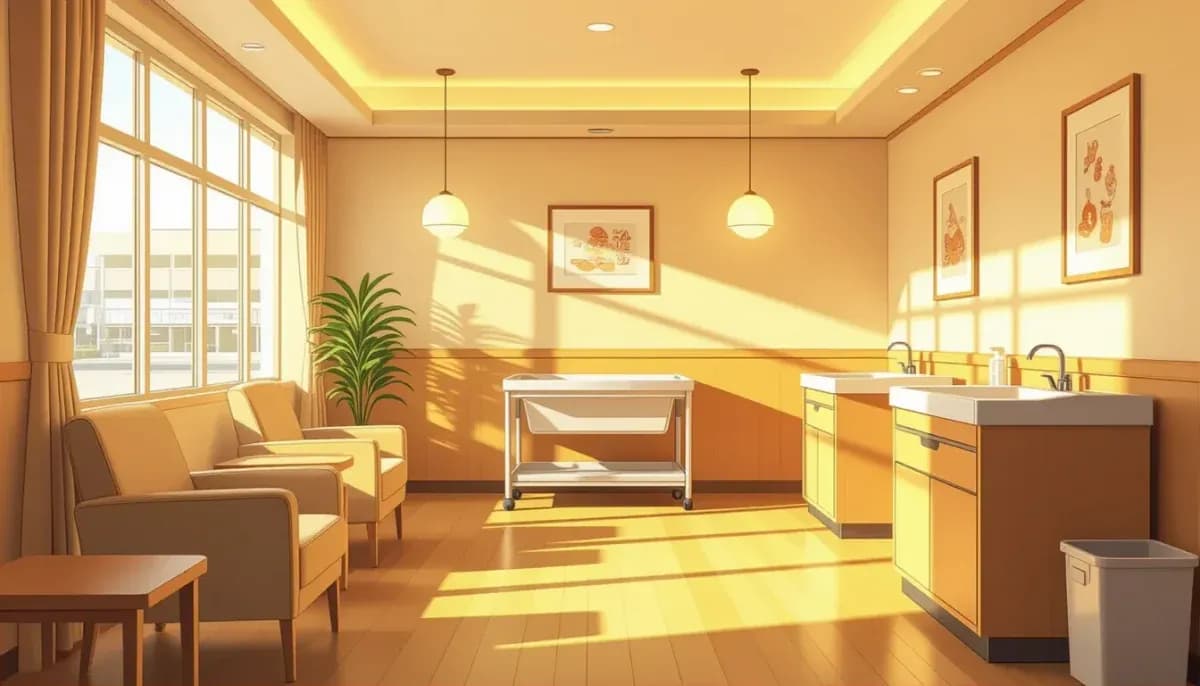
Baby-Friendly Facilities and Nursing Rooms in Japan
Complete guide to nursing rooms and baby-friendly facilities in Japan for foreign parents. Where to find them, what to expect, useful apps like Mama Papa Map, and practical tips for getting around with a baby.
Read more →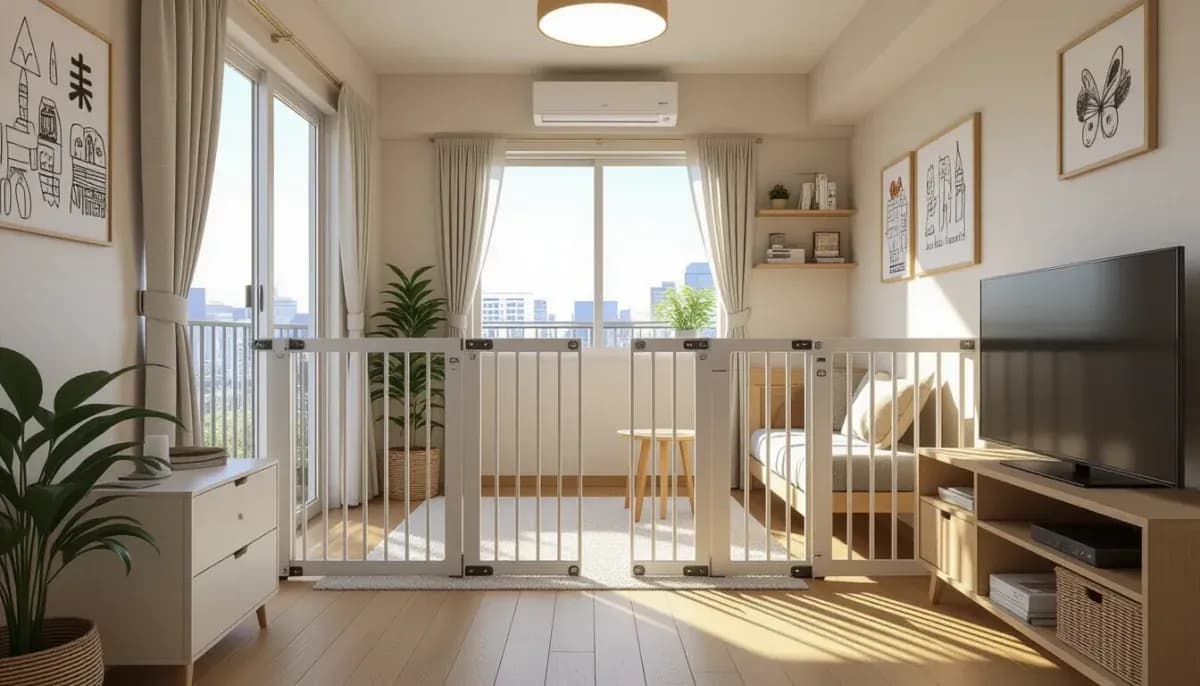
Baby-Proofing Your Japanese Apartment
Learn how to baby-proof your Japanese apartment without damaging the property. Renter-friendly tips for foreign parents including products, room-by-room checklist, and earthquake safety.
Read more →