
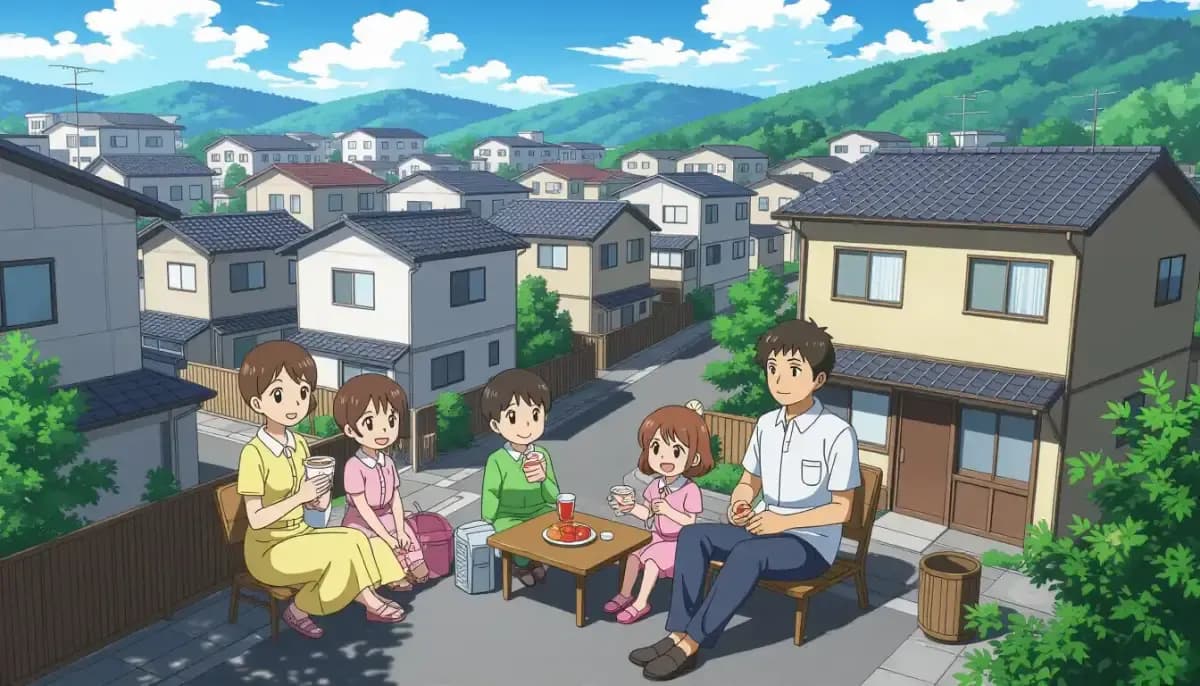
Cost of Family Housing by Region in Japan
Compare family housing costs across Japan's major regions — Tokyo, Osaka, Fukuoka, Sapporo and more. Includes rent tables, move-in cost guide, and tips for foreign families renting in Japan.
Read more →
Complete guide to housing and family-friendly neighborhoods in Japan for foreign families. Covers costs, best areas in Tokyo and beyond, school zones, and renting tips for expats.
Finding the right home in Japan is one of the most important decisions a foreign family will make. Whether you're relocating for work, your partner's career, or a desire for a new adventure, where you live shapes every aspect of daily life — from your children's school to your weekend routine. Japan's housing market has unique characteristics that can be challenging for newcomers, but with the right knowledge, you can find a wonderful, safe neighborhood that your family will love.
This guide covers everything from understanding rental costs and the application process to choosing the best neighborhood for your family's lifestyle. Over 3.76 million foreigners now call Japan home (as of end-2024), and the country has progressively become more accessible for international families seeking housing.
Before choosing a neighborhood, it's critical to understand what you'll actually pay. Japan's rental market requires a significant upfront investment, typically totaling 4–6 months of rent before you even move in.
Here's a breakdown of typical upfront costs:
| Cost Item | Amount | Notes |
|---|---|---|
| Security Deposit (敷金) | 1–2 months' rent | Partially refundable upon leaving |
| Key Money (礼金) | 0–2 months' rent | Non-refundable "gift" to landlord; declining in urban areas |
| Broker Fee (仲介手数料) | 0.5–1 month's rent | Paid to real estate agency |
| Guarantee Company Fee | 30–50% of monthly rent | Replaces personal guarantor for foreigners |
| Fire Insurance | ¥15,000–25,000 | Required; covers 2-year policy |
| Lock Replacement | ¥10,000–20,000 | Standard upon move-in |
For monthly rent, family-sized apartments (2LDK to 3LDK) vary significantly by location:
A practical rule of thumb: your rent should not exceed one-third of your monthly household income. For families with children, budget additional expenses for childcare, school fees, and daily living costs. Learn more about financial planning as an expat family.
Renting in Japan as a foreigner comes with specific challenges, but solutions exist. Foreigners with non-Japanese names historically face lower rental acceptance rates — approximately 13% lower in some studies — though this has been improving, particularly in major urban centers.
Documents typically required:
Since most foreign residents lack a Japanese personal guarantor (保証人), guarantee companies (保証会社) have become the standard alternative. These companies charge a one-time fee (typically 30–50% of monthly rent) and serve as your financial guarantor. This has opened up many previously inaccessible properties to foreign families.
Multilingual platforms for finding housing:
For a comprehensive walkthrough of the housing search process, visit the Finding Housing in Japan for Foreigners Complete Guide at Living in Nihon.
Tokyo offers dozens of excellent neighborhoods for foreign families. The right choice depends on your priorities: international school access, commute to work, green space, or budget.
The most popular area for expat families, particularly those with school-age children attending international schools. International School of the Sacred Heart, Nishimachi International School, and the British School are all located here.
Tokyo's largest ward is a perennial favorite for families seeking more space and greenery without sacrificing city access. It encompasses beloved areas like Kichijoji, Futako-Tamagawa, and Jiyugaoka.
Consistently ranked Japan's most desirable neighborhood to live in, Kichijoji combines excellent transport links (15 minutes to Shinjuku), Inokashira Park, and a lively local culture. Studio apartments start at ¥75,000/month, while 1LDK units average ¥187,000/month.
Home to Tokyo University and several prestigious schools, Bunkyo Ward offers an educational atmosphere, low crime rates, and good access to central Tokyo. It's favored by academic families and those with children in Japanese public schools.
A modern, master-planned waterfront area with newer apartment buildings, bilingual preschools, and excellent family infrastructure. Slightly more affordable than central wards with excellent public transit.
For a detailed neighborhood comparison and relocation tips, see the Housing and Living Infrastructure for Foreigners in Japan Guide at For Work in Japan.
Many foreign families discover that moving outside Tokyo offers a dramatically better quality of life, more space, lower costs, and a more immersive Japanese experience.
Japan's second-largest city is increasingly popular with foreign families. It offers a warmer culture, excellent food scene, and more affordable housing than Tokyo. Key family-friendly areas include Namba/Shinsaibashi (urban convenience), Tennoji (affordable, good schools), and Osaka's leafy northern suburbs.
Japan's industrial heart is highly underrated for families. Central location, clean streets, excellent transport, and significantly lower housing costs make it attractive for families. International schools serve the area's substantial expat community.
Consistently ranked among Asia's most livable cities, Fukuoka offers short commutes, warm weather, proximity to nature, and housing costs 30–40% lower than Tokyo. The city has a growing international community and is particularly popular with families from Korea and China.
For families who love nature, skiing, and a slower pace of life, Sapporo in Hokkaido offers spacious housing at some of Japan's lowest urban prices, plus excellent public schools and clean, safe streets.
One of the most critical factors for families with school-age children is Japan's school zone system (学区, gakku). Each residential address is assigned to a specific public elementary and junior high school. Unlike many Western countries, you cannot simply choose your nearest preferred school — your child attends the school designated for your neighborhood.
This makes neighborhood selection directly tied to educational decisions. Before signing a rental contract, research the specific school assigned to that address, not just the general ward.
Key school-related considerations:
For families considering the Japanese school system pathway and eventual university entrance, the exam system information for returnee and foreign students at Chuukou Benkyou provides essential context on how residential history impacts university options.
Japan is regularly cited as one of the safest countries in the world for raising children. Tokyo consistently ranks among the world's safest major cities, with extremely low rates of violent crime and a strong community culture.
Earthquake preparedness: Japan experiences approximately 1,500 earthquakes annually. This sounds alarming but is largely manageable due to Japan's world-class earthquake engineering. Key points for families:
Family infrastructure and daily life:
Japanese neighborhoods are exceptionally family-friendly in daily life terms:
If you're arriving in Japan and haven't yet secured a rental history or Japanese guarantor, UR Housing (独立行政法人都市再生機構) is an excellent starting point. This government-operated public housing program offers:
UR properties range from older apartment complexes to modern developments, primarily in suburban areas. While they tend to be older buildings, many have been renovated and offer excellent value. Monthly rents for family-sized units start around ¥60,000–80,000 in suburban areas, making them significantly more affordable than private rental housing.
The application process is straightforward and conducted directly with UR offices, with documents available in multiple languages. This makes it an ideal "first home" in Japan while you establish rental history and find your preferred neighborhood.
Before committing to a neighborhood and signing a lease, evaluate these key factors:
Also review your family's overall financial situation with guidance from our Financial Planning for Expat Families in Japan guide, and ensure your visa status allows for stable long-term housing — see Visa and Legal Issues for Foreign Families with Children in Japan.
For further reading on family-friendly neighborhoods and housing guides, the Tokyo Relocation Guide's neighborhood resource and E-Housing's Tokyo suburb guide offer detailed, regularly updated information.
Japan offers some of the world's best urban living for families — safe streets, excellent public transit, world-class healthcare, and a society that genuinely values children. With the right preparation and neighborhood choice, your family can build a wonderful life here.
Compare family housing costs across Japan's major regions — Tokyo, Osaka, Fukuoka, Sapporo and more. Includes rent tables, move-in cost guide, and tips for foreign families renting in Japan.
Read more →
A complete guide to safety considerations for foreign families choosing neighborhoods in Japan — covering crime statistics, natural disaster risk, safest wards, and practical daily safety tips for expat families with children.
Read more →
Complete guide to parks and green spaces near family housing in Japan. Compare Tokyo wards, city rankings, park types, seasonal tips, and what to look for when choosing a family neighborhood with good outdoor access.
Read more →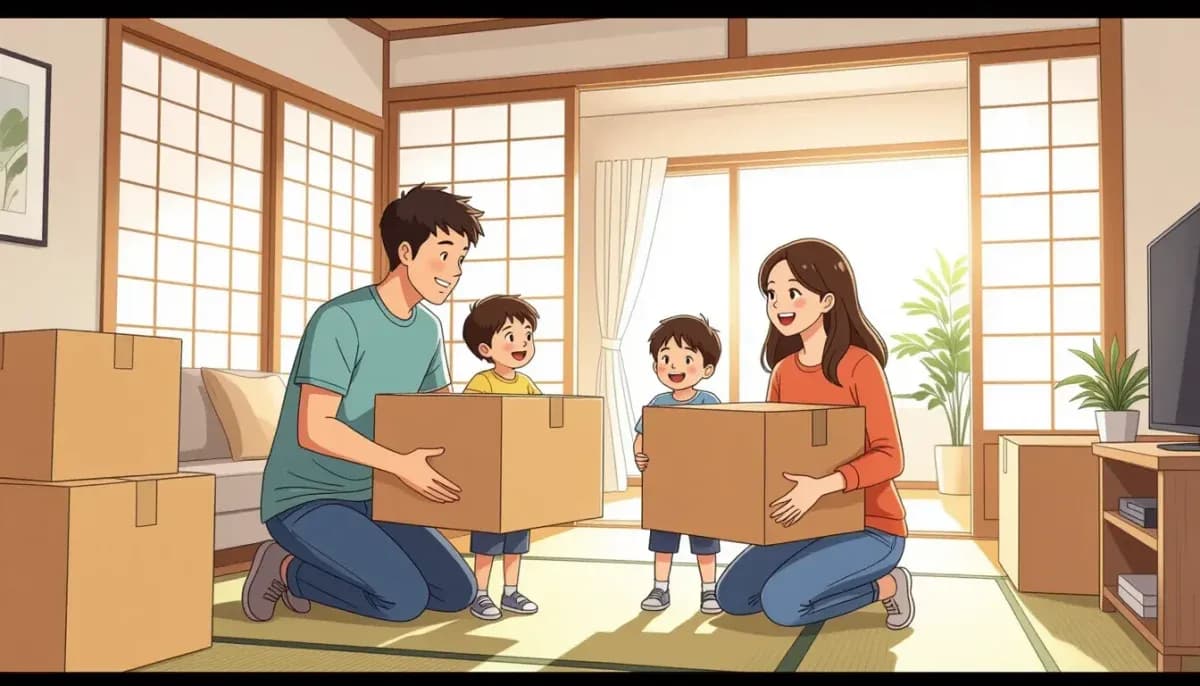
A complete guide to moving with children within Japan for foreign families — school transfers, address change procedures, healthcare continuity, and tips for helping kids adjust emotionally to their new home.
Read more →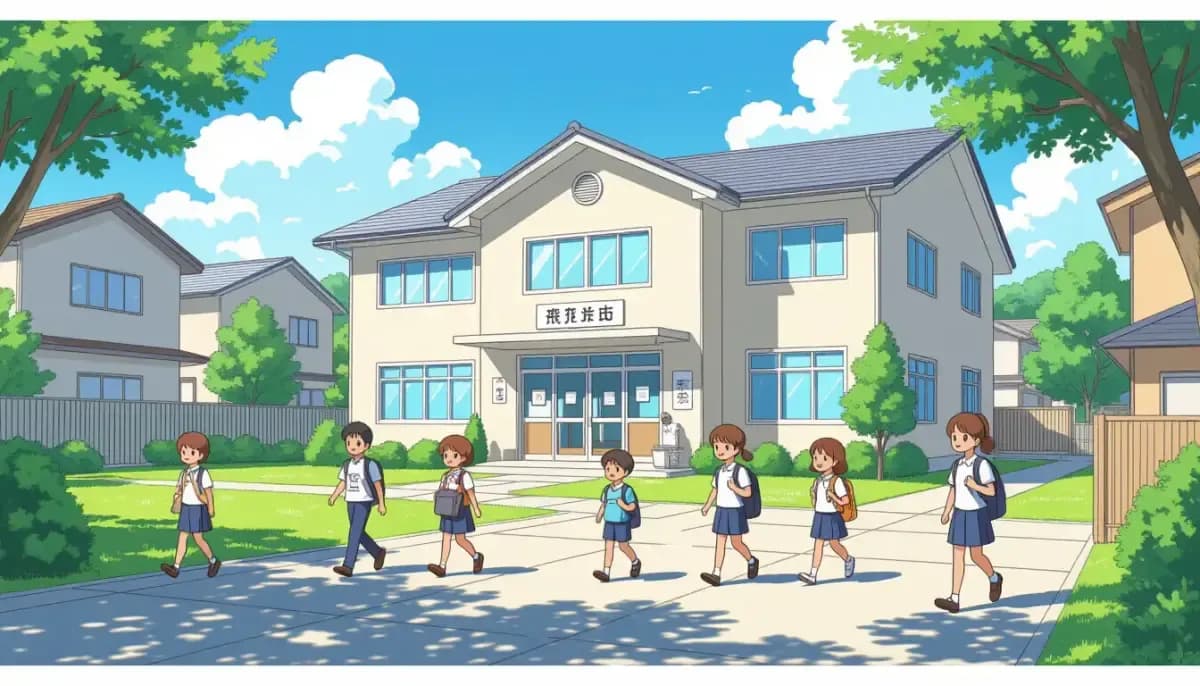
Learn how Japan's school district (gakku) system works and how it affects housing choices for foreign families. Research districts, understand pricing premiums, and find the right neighborhood for your child's education.
Read more →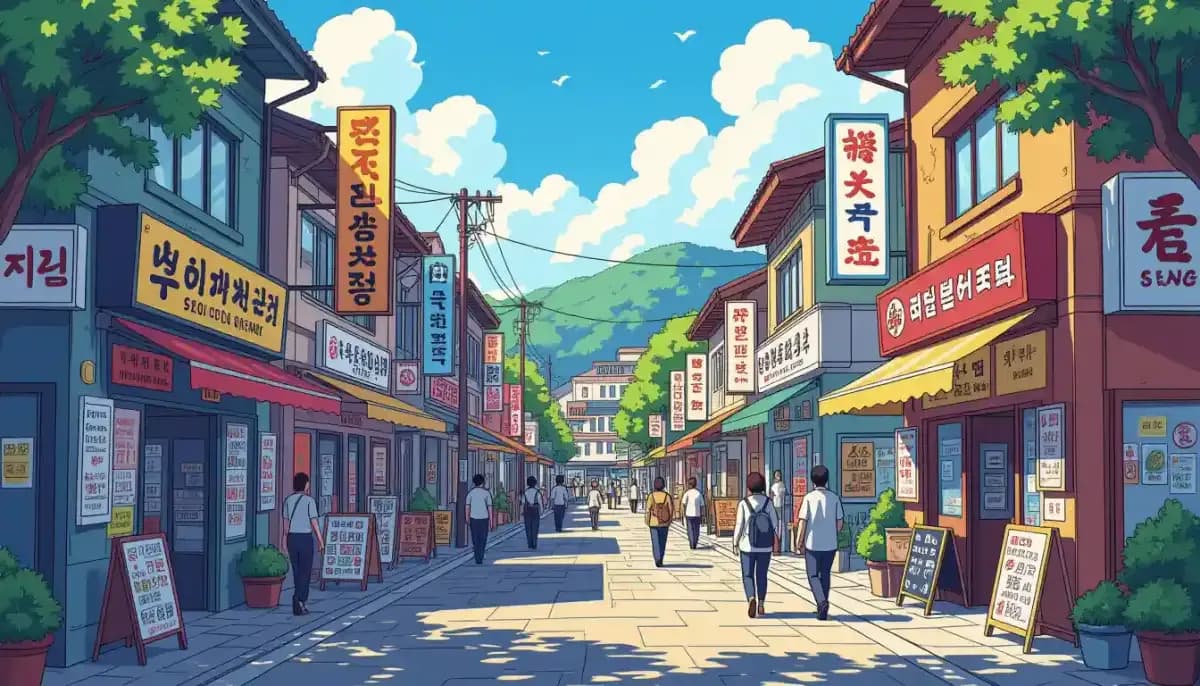
Discover Japan's most international and diverse communities — from Tokyo's Shin-Okubo Korean Town to Yokohama Chinatown, Osaka's Ikuno Ward, and beyond. A complete expat guide.
Read more →
Looking for family-friendly housing in Japan? Learn what features matter most—3LDK layouts, earthquake safety, school proximity, UR public housing, and practical tips for foreign families renting in Japan.
Read more →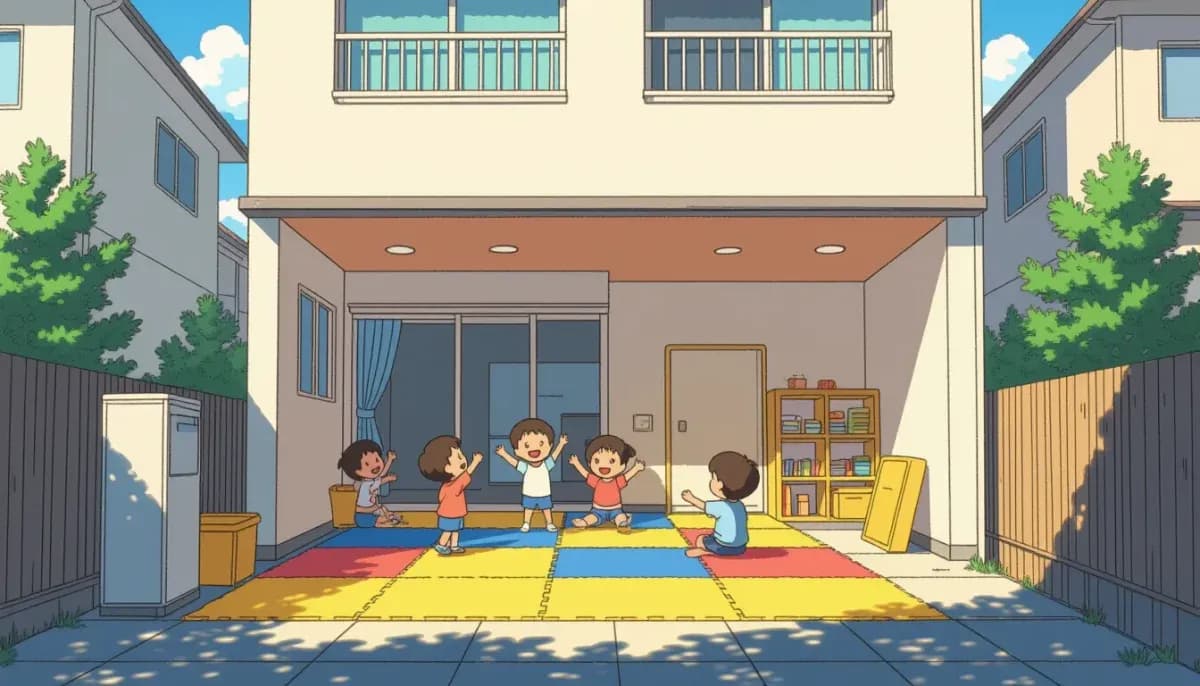
Complete guide to noise rules, quiet hours, and soundproofing for foreign families with children in Japanese apartments. Learn etiquette, building types, and how to handle complaints.
Read more →
Complete guide to renting with children in Japan as a foreigner. Learn about landlord discrimination, UR housing, family-friendly agencies, upfront costs, and practical tips to secure your ideal family home.
Read more →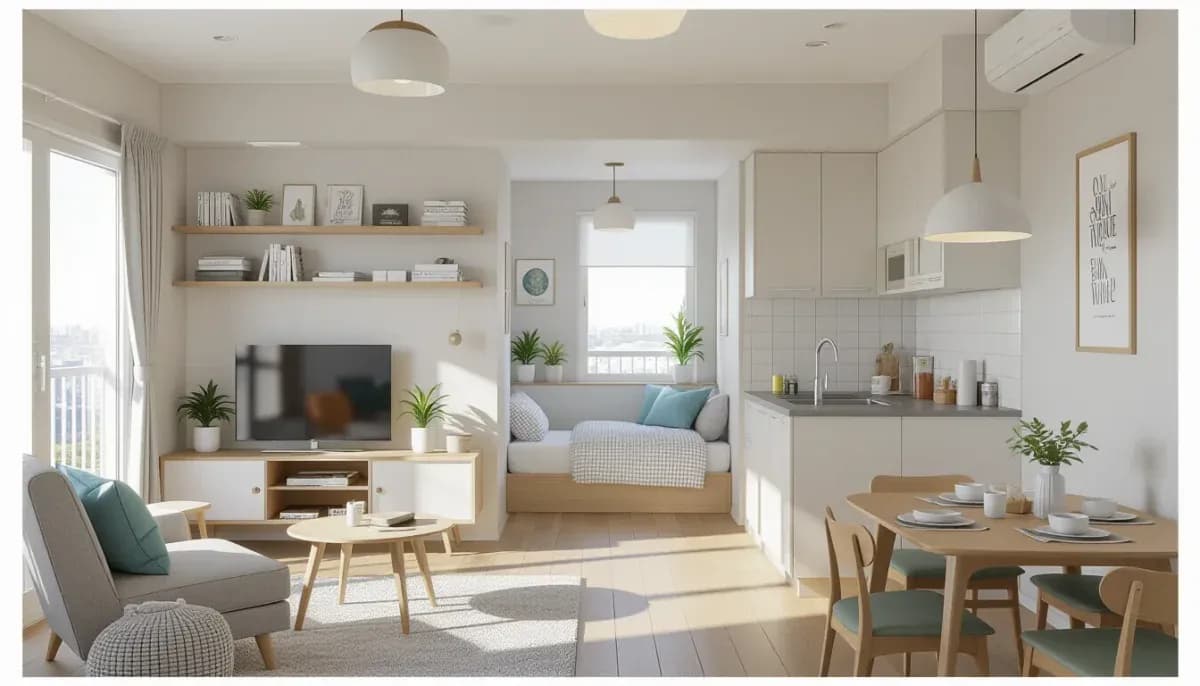
Decode Japanese apartment notation (2LDK, 3SLDK), find the right size for your family, and navigate the rental market as a foreign family in Japan. Includes cost tables, layout tips, and expat-specific advice.
Read more →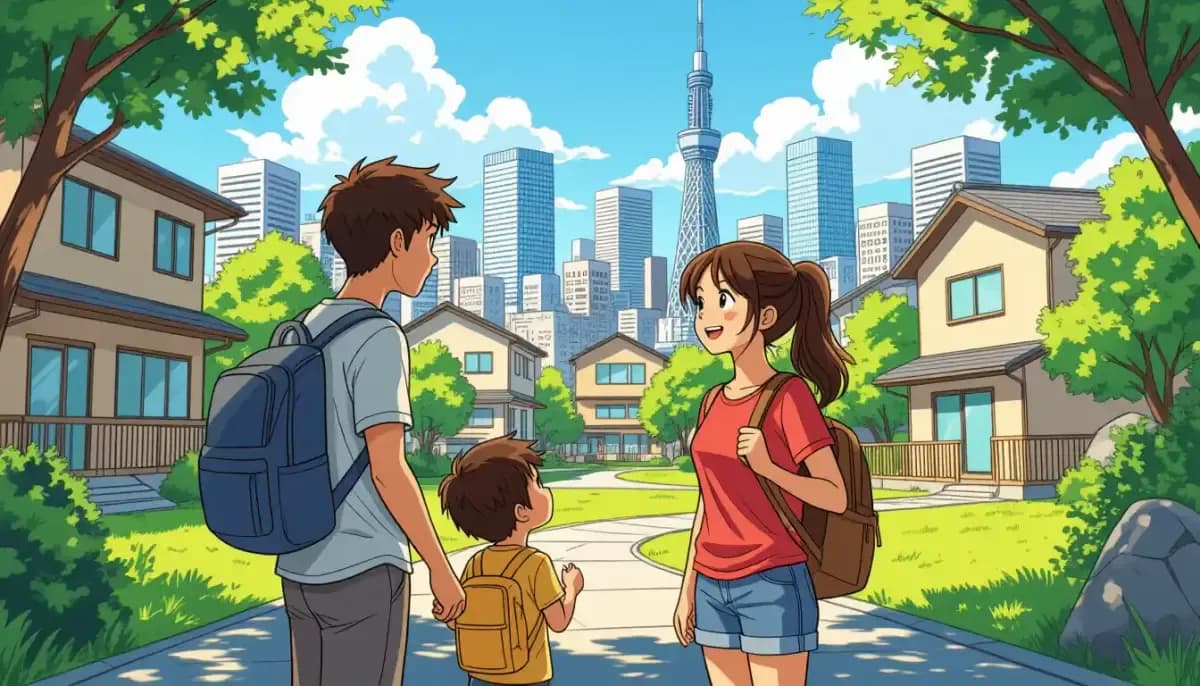
City center or suburb — which is better for raising a family in Japan? Compare costs, schools, space, and commutes to find the right location for your expat family.
Read more →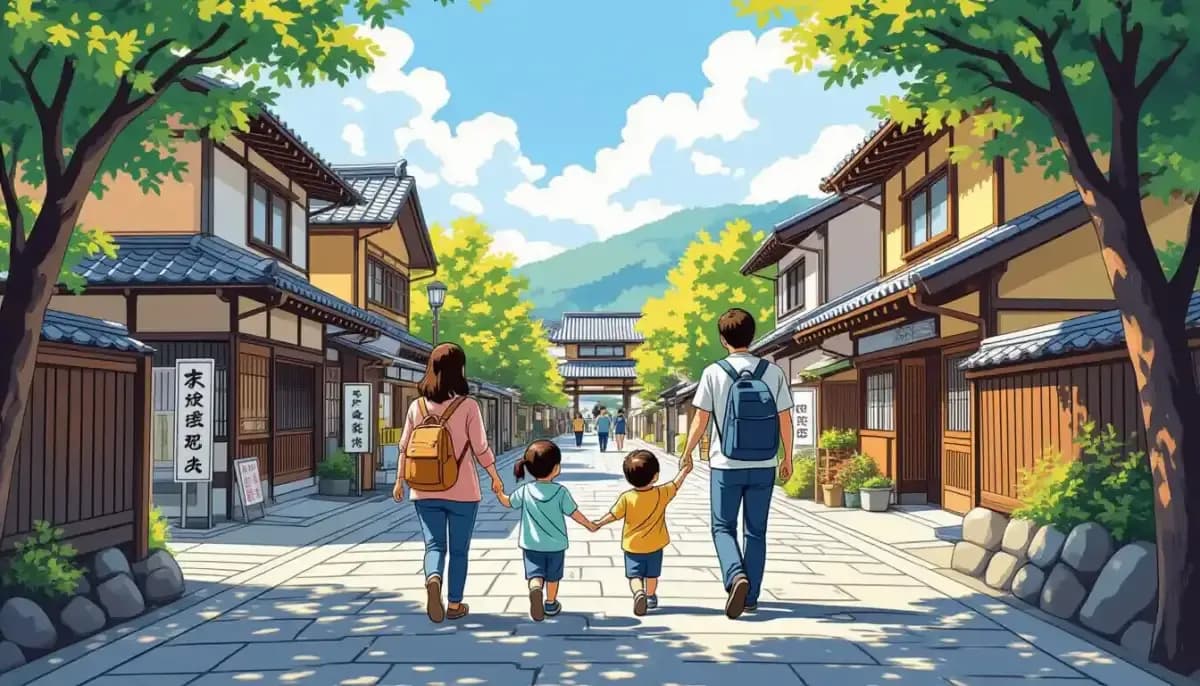
Discover the best family-friendly neighborhoods in Osaka, Kyoto, and Kansai for expat families. Compare areas by schools, safety, rent, and commute times in this complete guide.
Read more →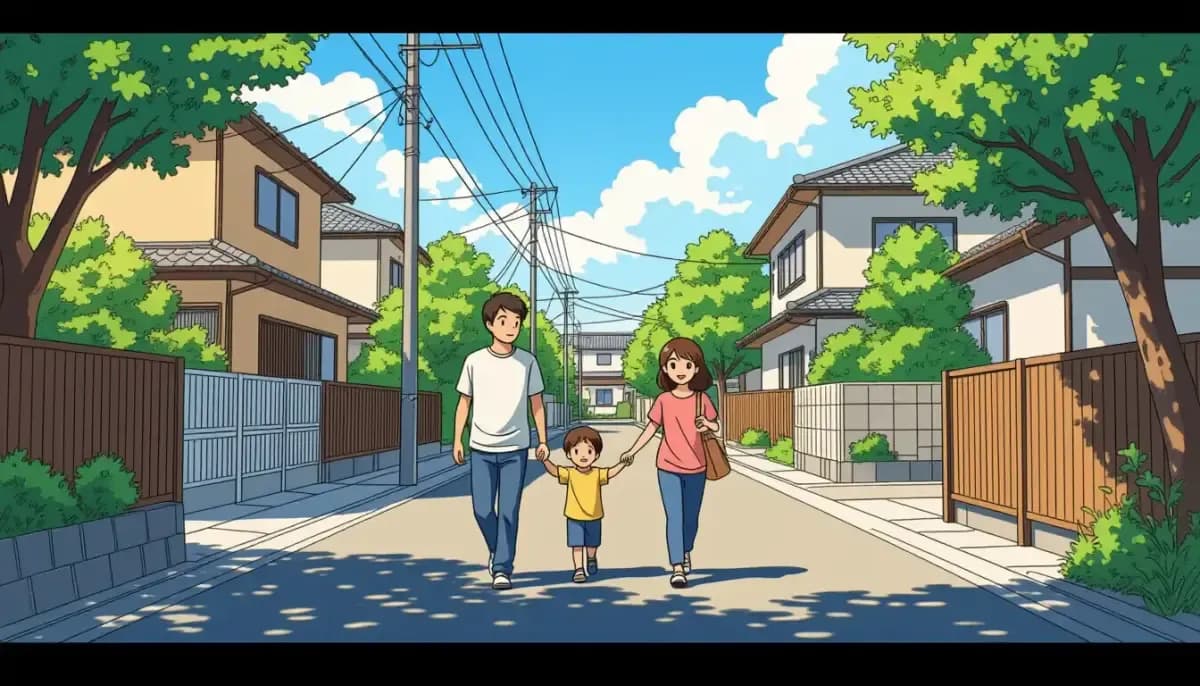
Discover the best family-friendly neighborhoods in Tokyo for expat families. Compare Hiroo, Setagaya, Kichijoji and more — schools, safety, rent costs, and parks explained.
Read more →