
Cost of Family Housing by Region in Japan

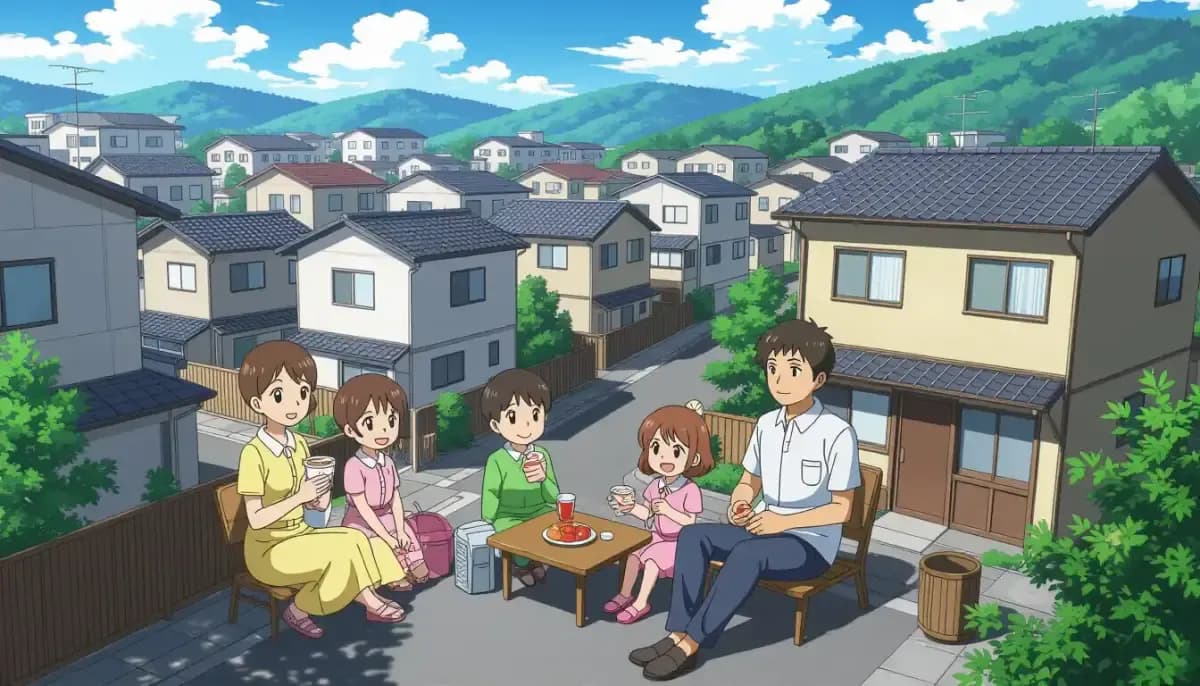
Compare family housing costs across Japan's major regions — Tokyo, Osaka, Fukuoka, Sapporo and more. Includes rent tables, move-in cost guide, and tips for foreign families renting in Japan.
Cost of Family Housing by Region in Japan: A Complete Guide for Expat Families
Moving to Japan with your family is an exciting adventure, but one of the biggest decisions you'll face is where to live — and how much it will cost. Japan's housing market varies dramatically from region to region. Tokyo rents can seem eye-watering to newcomers, while smaller cities in western Japan or Kyushu offer surprisingly affordable options for families seeking more space. This guide breaks down the true cost of family housing across Japan's major regions so you can make an informed decision about where to settle.
Whether you're relocating for work, raising children, or building a long-term life in Japan, understanding housing costs by region is essential. We'll cover rental prices, purchase costs, regional trade-offs, and practical tips for foreign families navigating Japan's unique rental market.
Overview: How Housing Costs Vary Across Japan
Japan's housing costs are not uniform — they depend heavily on location, proximity to train stations, apartment size, and age of the building. The general rule is that the Tokyo metropolitan area commands the highest rents, while cities in Kyushu, Tohoku, and rural areas offer significantly lower costs.
For families, the key metric is typically the rent for a 2LDK (2 bedrooms + living/dining/kitchen) or 3LDK (3 bedrooms + LDK), which represents the minimum comfortable space for a couple with one or two children. These units range from ¥70,000/month in rural Tottori to over ¥250,000/month in central Tokyo.
Here is a regional rent comparison for family-sized apartments:
| Region / City | 2LDK Monthly Rent | 3LDK Monthly Rent | Relative Cost vs Tokyo |
|---|---|---|---|
| Tokyo (central wards) | ¥180,000–¥280,000 | ¥250,000–¥400,000 | Baseline |
| Tokyo (outer wards / suburbs) | ¥110,000–¥160,000 | ¥140,000–¥200,000 | ~30% cheaper |
| Yokohama / Kanagawa | ¥95,000–¥140,000 | ¥120,000–¥170,000 | ~35% cheaper |
| Osaka | ¥80,000–¥120,000 | ¥100,000–¥150,000 | ~40% cheaper |
| Kyoto | ¥80,000–¥120,000 | ¥95,000–¥140,000 | ~40% cheaper |
| Nagoya | ¥75,000–¥110,000 | ¥90,000–¥130,000 | ~45% cheaper |
| Fukuoka | ¥65,000–¥100,000 | ¥80,000–¥120,000 | ~50% cheaper |
| Sapporo | ¥55,000–¥85,000 | ¥70,000–¥100,000 | ~55% cheaper |
| Sendai / Miyagi | ¥60,000–¥90,000 | ¥75,000–¥105,000 | ~50% cheaper |
| Rural areas / akiya | ¥30,000–¥60,000 | ¥40,000–¥70,000 | 70%+ cheaper |
Note: Prices are approximate and vary by building age, floor, proximity to station, and specific neighborhood.
For a deeper look at living costs by region, see Living in Different Regions of Japan: A Guide for Foreigners on Living in Nihon, which offers detailed regional breakdowns including utilities and daily living expenses.
Tokyo and the Greater Kanto Region
Tokyo is the most expensive region for family housing in Japan. Within the 23 special wards, rents vary enormously depending on the ward. Premium residential areas like Minato, Shibuya, Setagaya, and Meguro command top-tier prices, while outer wards like Edogawa, Adachi, and Katsushika offer significantly more affordable options.
Tokyo 23 Wards — Key Figures:
- Average rent for all unit types: ¥69,202/month (1K–1DK range)
- 1LDK average: ¥92,875/month
- Minato Ward 1LDK: ¥322,500/month (premium)
- Shinjuku 1LDK: ¥143,700/month
For families with children, the greater Kanto suburbs — Yokohama, Kawasaki, Saitama city, and Chiba — offer a significant saving of 30–40% compared to central Tokyo while still providing excellent train access. Yokohama average rent sits around ¥57,749/month across unit types, and the city is popular with foreign families due to its international community and proximity to the Yamate area's international schools.
Total monthly housing-related costs for a Tokyo family of four:
- Rent: ¥150,000–¥200,000
- Utilities (electricity, gas, water): ¥20,000–¥35,000
- Internet: ¥5,000
- Total: ¥175,000–¥240,000/month
The entire monthly budget for a family of four in Tokyo city center is estimated at approximately ¥673,275 (~$4,300 USD), making it one of Asia's more expensive cities for expat families. If you're navigating financial planning as an expat family in Japan, budgeting carefully for housing is essential.
Kansai Region: Osaka, Kyoto, and Kobe
The Kansai region — centered on Osaka, Kyoto, and Kobe — offers a dramatically different price point from Tokyo without sacrificing urban amenities, cultural richness, or international connectivity. Osaka is generally 20–30% cheaper than Tokyo for comparable housing.
Osaka:
- Family unit (2LDK–3LDK) average rent: ¥73,581–¥120,000/month
- Popular family neighborhoods: Suita, Toyonaka, Sakai (suburban, affordable)
- Central wards (Namba, Shinsaibashi): significantly pricier
Kyoto:
- Average family unit rent: ¥76,073–¥120,000/month
- Central Kyoto near cultural sites: premium pricing; periphery areas like Fushimi or Uji are more affordable
- Popular with international families who value cultural immersion and proximity to Kyoto schools
Kobe:
- Often overlooked, Kobe has a strong international community (especially in the Kitano/Yamamoto-dori area)
- Family housing costs: ¥75,000–¥110,000 for 2LDK–3LDK
The Kansai region is particularly attractive for families because of its excellent international school options, cultural activities, and the availability of larger apartment units at reasonable prices. Check Family Life in Japan — A Complete Guide for Foreigners on For Work in Japan for more context on raising a family in the Kansai region.
Nagoya and the Chubu Region
Nagoya, Japan's fourth-largest city and the economic hub of the Chubu region, offers excellent value for families. It's one of the few major Japanese cities where you can rent a spacious 3LDK family apartment for under ¥100,000/month in many neighborhoods.
Nagoya housing facts:
- 2LDK rent: ¥75,000–¥110,000/month
- 3LDK rent: ¥90,000–¥130,000/month
- Strong automotive and manufacturing industry = many expat transfers
- Good access to international schools (Nagoya International School, Aichi International School)
Nagoya's infrastructure, compact city layout, and relatively low cost of living make it increasingly attractive to foreign families. The downside is that it has fewer English-language community resources than Tokyo or Osaka, which can be a factor when enrolling your foreign child in Japanese school or seeking support networks.
Fukuoka and Kyushu: Japan's Best Value Major City
Fukuoka has become one of Japan's most popular cities for both Japanese residents and foreign expats, and it's easy to see why. It consistently ranks as one of the most livable cities in Asia, offering a high quality of life at prices significantly below Tokyo.
Fukuoka housing costs:
- Family unit average rent: ¥69,445/month (Fukuoka city)
- 2LDK: ¥65,000–¥100,000/month
- 3LDK: ¥80,000–¥120,000/month
- New condo purchase price: approximately ¥56 million
Fukuoka's major advantages for families include:
- Excellent daycare and hoikuen availability compared to Tokyo wait-lists
- Lower cost international schooling options
- Proximity to nature (beaches, mountains accessible within 1–2 hours)
- Growing startup ecosystem with English-speaking professionals
Other Kyushu cities like Kumamoto, Kagoshima, and Nagasaki offer even lower rents (¥50,000–¥80,000 for family units) and are worth considering for families whose employers have flexible remote work policies.
Sapporo and Hokkaido: Affordable but Factor in Heating Costs
Sapporo, the largest city in Hokkaido, offers some of the lowest housing costs among Japan's major cities. However, Hokkaido's harsh winters mean heating costs can significantly increase your monthly expenses.
Sapporo housing costs:
- 1K studio rent: ¥35,000–¥50,000/month
- 2LDK family unit: ¥55,000–¥85,000/month
- 3LDK family unit: ¥70,000–¥100,000/month
- Winter heating surcharge: ¥12,000–¥20,000/month (November–March)
When calculating total housing costs in Sapporo, families should budget an extra ¥15,000–¥20,000/month in winter for gas and electricity. Buildings in Hokkaido are typically well-insulated and equipped with heating systems, but the bills add up over the 5–6 month winter season.
On the positive side, Sapporo offers excellent family amenities, beautiful parks (Maruyama Park, Hokkaido University botanical gardens), and a strong sense of community. The city has been growing its international population steadily.
Understanding Move-In Costs and Upfront Expenses
One of the most significant financial shocks for first-time renters in Japan — especially foreigners — is the upfront move-in costs. These are separate from monthly rent and can total 4–6 months of rent paid before you even move in.
Typical upfront costs include:
- Shikikin (敷金): Security deposit, typically 1–2 months' rent
- Reikin (礼金): "Key money" or gift money to the landlord, typically 1–2 months (non-refundable)
- Agency fee (仲介手数料): Usually 1 month's rent + tax
- Guarantor fee (保証料): 0.5–1 month's rent (most foreigners need a guarantor company)
- First month's rent + pro-rated rent
For a family renting a ¥120,000/month apartment in Osaka, this could mean paying ¥480,000–¥720,000 upfront before moving in. Planning for this is critical — see our guide to government benefits and subsidies for families in Japan for programs that may help offset initial costs.
For detailed guidance on rental contracts and what documents you'll need, the Rental Contract Process Guide at Living in Nihon covers the full paperwork process for foreigners.
Tips for Foreign Families Renting in Japan
Japan's rental market has historically been challenging for foreigners. Statistics suggest that 80–90% of Japanese landlords and real estate agencies are reluctant to rent to non-Japanese residents, primarily due to language barriers and concerns about customs and communication.
Practical tips:
- Use foreign-friendly agencies: Companies like GTN (Global Trust Networks), Sakura House, and Leopalace21 specialize in helping foreigners find rentals. GTN in particular has a strong track record with family-sized units.
- Get a guarantor or use a guarantor company: Most foreign applicants won't have a Japanese family member as a guarantor. Rent guarantor companies (家賃保証会社) fill this role for a fee (usually 0.5–1 month's rent upfront plus annual renewal fees).
- Consider suburban locations: Apartments 15–20 minutes from major train stations on the same line typically cost 20–30% less than station-adjacent properties, while still offering excellent commute options.
- Consider older buildings (築古): Buildings over 20–25 years old typically have lower rents and can be excellent value if they've been renovated. Check for renovated kitchens and bathrooms.
- Look into UR Housing (都市再生機構): UR rental housing is managed by a semi-governmental organization and does NOT require key money, guarantors, or agency fees. Excellent for foreign families. Units tend to be spacious and well-maintained.
For comprehensive guidance on navigating the rental process and finding housing in family-friendly neighborhoods in Japan, make sure to review your full options before signing anything.
You can also explore the Rental Market Guide for Foreigners at GTN Magazine and the detailed Cost of Living Breakdown at Japan Handbook for up-to-date figures.
Buying vs. Renting: Is Purchasing Family Housing Worth It?
Some foreign families in Japan on long-term visas (PR, Spouse Visa, or long-term work) consider purchasing a property. There are no legal restrictions on foreigners buying property in Japan, and prices outside Tokyo can be surprisingly affordable.
Purchase price benchmarks (2025):
- Tokyo 23 wards new condo average: ¥91.4 million
- Tokyo central wards (Minato, Shibuya): up to ¥198 million
- Osaka new condos: ¥55–57 million
- Fukuoka new condos: ~¥56 million
- Sapporo new condos: ~¥51.5 million
- Rural detached house: ¥20–25 million
- Akiya (abandoned/vacant homes): under ¥1 million, sometimes free
The famous "akiya" (空き家) phenomenon — Japan's stock of over 8 million vacant homes — offers an intriguing option for adventurous families. Rural akiya can be acquired for very little, though renovation costs and rural lifestyle trade-offs (limited schooling options, language barriers) must be carefully considered.
For purchase decisions, closing costs add 6–10% of the property price in taxes, agent fees, and registration costs. For more on managing family finances in Japan, see our financial planning guide for expat families.
Choosing the Right Region for Your Family
The "best" region for your family depends on your priorities. Here's a quick framework:
| Priority | Best Region |
|---|---|
| Career opportunities | Tokyo, Osaka, Nagoya |
| Lowest housing cost | Sapporo, Fukuoka, rural Kyushu/Tohoku |
| Best family amenities | Fukuoka, Osaka, Yokohama |
| International school access | Tokyo, Osaka, Kobe, Yokohama |
| Cultural experience | Kyoto, Nara, Kanazawa |
| Outdoor lifestyle | Hokkaido, Nagano, Okinawa |
| Balance of cost and urban life | Fukuoka, Nagoya, Sendai |
Whatever region you choose, make sure to also research local schools for your children — from kindergarten options (yochien) to elementary school enrollment and international school choices. The availability and cost of schooling should factor heavily into your regional decision alongside housing costs.
For broader context on the Japanese education system and what your children can expect, visit chuukoubenkyou.com for resources on Japanese middle and high school education structures.
Conclusion
Japan offers a wide spectrum of family housing options across its regions, from premium Tokyo apartments to affordable Fukuoka family homes and rural akiya properties. The key is matching your budget to the right region while accounting for all costs: monthly rent, utilities, upfront move-in expenses, and the unique challenges of renting as a foreigner.
As a general guideline:
- Budget-conscious families: Fukuoka, Sapporo, Sendai, or regional cities
- Career-focused families: Tokyo suburbs (Yokohama, Saitama) or Osaka/Nagoya
- International community seekers: Tokyo (Minato, Setagaya), Kobe, Yokohama
- Long-term settlers: Consider purchasing in Fukuoka, Osaka suburbs, or rural areas
With careful planning and the right resources, foreign families can find excellent housing throughout Japan at prices that work for a wide range of budgets. Start your research early, connect with foreign-friendly agencies, and budget generously for upfront move-in costs.

Originally from Vietnam, living in Japan for 16+ years. Graduated from Nagoya University, with 11 years of professional experience at Japanese and international companies. Sharing practical information for foreign parents raising children in Japan.
View Profile →Related Articles
Safety Considerations for Family Neighborhoods in Japan
A complete guide to safety considerations for foreign families choosing neighborhoods in Japan — covering crime statistics, natural disaster risk, safest wards, and practical daily safety tips for expat families with children.
Read more →
Parks and Green Spaces Near Family Housing
Complete guide to parks and green spaces near family housing in Japan. Compare Tokyo wards, city rankings, park types, seasonal tips, and what to look for when choosing a family neighborhood with good outdoor access.
Read more →
Moving with Children Within Japan: A Practical Guide
A complete guide to moving with children within Japan for foreign families — school transfers, address change procedures, healthcare continuity, and tips for helping kids adjust emotionally to their new home.
Read more →
School Districts and How They Affect Housing Choices
Learn how Japan's school district (gakku) system works and how it affects housing choices for foreign families. Research districts, understand pricing premiums, and find the right neighborhood for your child's education.
Read more →
International Areas with Diverse Communities in Japan
Discover Japan's most international and diverse communities — from Tokyo's Shin-Okubo Korean Town to Yokohama Chinatown, Osaka's Ikuno Ward, and beyond. A complete expat guide.
Read more →
Family-Friendly Housing Features to Look for in Japan
Looking for family-friendly housing in Japan? Learn what features matter most—3LDK layouts, earthquake safety, school proximity, UR public housing, and practical tips for foreign families renting in Japan.
Read more →