
Family-Friendly Housing Features to Look for in Japan

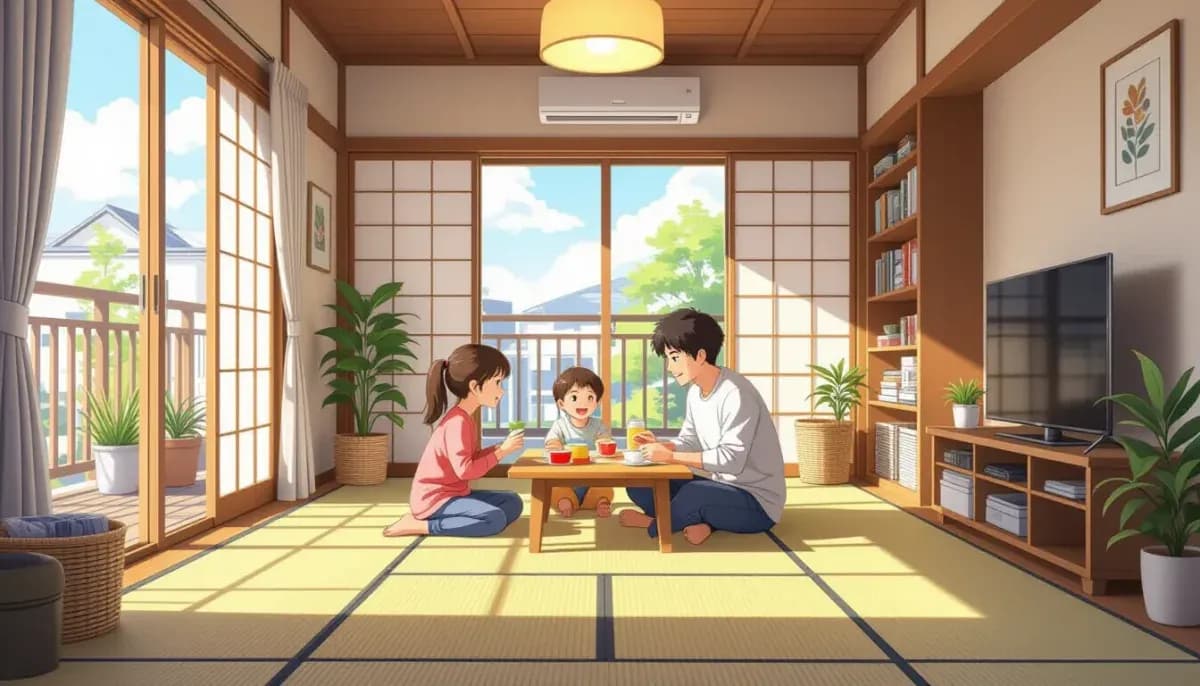
Looking for family-friendly housing in Japan? Learn what features matter most—3LDK layouts, earthquake safety, school proximity, UR public housing, and practical tips for foreign families renting in Japan.
Family-Friendly Housing Features to Look for in Japan
Finding the right home is one of the most important decisions you'll make as a foreign family settling in Japan. Japanese housing has unique characteristics—from the layout terminology to safety standards and proximity to schools—that differ significantly from what most expats are used to. Whether you're renting an apartment in Tokyo or searching for a house in a quieter suburb, knowing which features matter most for families with children will save you time, stress, and money.
This guide walks you through the essential housing features to prioritize when searching for a family-friendly home in Japan, from floor plans and safety requirements to neighborhood factors and practical tips for foreigners.
Understanding Japanese Apartment Layouts for Families
The first thing to learn when house-hunting in Japan is the local layout system. Japanese properties are described using a number + letter code:
- 1K – One room with a separate kitchen (suitable for singles)
- 1LDK – One room with a combined living/dining/kitchen area
- 2LDK – Two bedrooms plus a living/dining/kitchen
- 3LDK – Three bedrooms plus a living/dining/kitchen (the standard family layout)
- 4LDK+ – Four or more bedrooms (spacious family homes, often detached houses)
For most families with children, 3LDK is the minimum recommended layout. This configuration allows parents to have their own bedroom, children to share or have individual rooms, and a communal LDK space for family meals and activities. Japanese housing standards even specify that children aged 6 to 17 should ideally have a separate bedroom from their parents, and boys and girls need separate bedrooms from age 12.
The LDK (living/dining/kitchen) is the heart of the Japanese family home. An open-plan LDK lets parents cook while keeping an eye on young children playing nearby—a practical feature that many families specifically look for. When viewing properties, check the LDK size in tatami mats (1 tatami ≈ 1.65 m²); a family of four ideally needs an LDK of at least 10–16 tatami mats.
Key Safety Features for Families with Children
Japan has strict building codes, and newer properties offer significantly better safety than older ones. Here's what to check:
Earthquake resistance (Taishin or Menshin construction): Japan's 1981 New Earthquake Resistance Standards (Shin Taishin Kijun) marked a watershed moment in building safety. Apartments and houses built before 1981 may not meet these standards. When searching with children, prioritize properties built after 1981—or better yet, after 2000, when even stricter standards were introduced. Many listings will indicate whether a building is "Shin Taishin" compliant.
Auto-locking entrance (Oートロック / Auto-Lock): High-rise apartment buildings with auto-locking front entrances are much safer for families, preventing strangers from wandering into the building. Young children cannot accidentally exit to the street without a parent.
Childproofing potential: Look for apartments where windows, balconies, and stairwells can be safely secured. Balcony railings should be high enough (Japanese standards require at least 110 cm), and ground-floor apartments should have screens or gates.
Smoke and fire detectors: Required in all Japanese residences since 2011, but check that they are in good working order.
Elevator access: If you have a stroller or young children, ground floor or elevator-accessible units are far more practical. Walking up 4–5 flights with a baby and groceries every day becomes exhausting fast.
Storage and Space Considerations
Japanese apartments are famously smaller than Western equivalents, but they are designed to maximize space efficiency. As a family, storage is critical—especially for children's toys, seasonal clothes, school supplies, and sports equipment.
Look for these storage features:
- Oshiire (押し入れ): Traditional deep closets designed for storing futons. These can be converted into additional storage for children's belongings.
- Walk-in closets (ウォークインクローゼット): Increasingly common in newer buildings, these provide excellent family storage.
- Balcony (ベランダ): Japanese families do most of their laundry by hanging it on the balcony. A south-facing balcony that gets good sunlight is highly desirable.
- Separate bath and toilet: Many Japanese apartments separate the toilet from the bathtub/shower room. This is extremely practical for families—one child can be bathing while another uses the toilet.
- Washing machine space: Check for a dedicated indoor washing machine hookup. Some older buildings only have outdoor hookups.
Proximity to Schools, Parks, and Family Services
Location matters as much as the apartment itself. Japan is highly walkable, and many families prefer to be within easy walking distance of key facilities.
Schools: If you have school-age children, check which elementary school (小学校) the property falls within. Japan uses school catchment zones (学区 / Gakku), and your address determines which public school your children attend. Research the school's reputation and check if there are any special programs for non-Japanese speaking children. For more details, see our guide on Elementary School in Japan for Foreign Parents.
Daycare and kindergarten: For families with younger children, proximity to hoikuen (保育園, daycare) or yochien (幼稚園, kindergarten) is crucial. Daycare waitlists in major cities like Tokyo can be extremely long—living within a ward that has good availability gives you a significant advantage. Read our complete guide on Daycare and Hoikuen in Japan for Foreign Parents.
Parks and green space: Japan's cities are denser than most Western cities, but parks are plentiful. Look for properties near a park with playground equipment (公園 / Koen). Many Japanese neighborhoods have small parks every few blocks, but dedicated playgrounds with slides, swings, and open grass are worth seeking out.
Supermarkets and convenience stores: Japan's convenience stores (konbini) and local supermarkets are excellent, and being within walking distance of both makes daily life with children much easier.
Medical facilities: Japan has many pediatric clinics (小児科 / Shonika). Check that there's one within a comfortable distance. For a full overview of children's healthcare in Japan, see our Healthcare and Medical Care for Children in Japan guide.
Comparing Housing Types for Families in Japan
| Housing Type | Pros | Cons | Avg. Monthly Rent (Tokyo) |
|---|---|---|---|
| 3LDK Apartment (Mansion) | Secure, elevator, maintenance included | Smaller space, noise from neighbors | ¥200,000–¥350,000 |
| Detached House (Ikkodate) | Large space, garden, more privacy | Higher cost, more maintenance | ¥200,000–¥450,000 |
| UR Public Housing | No key money, no guarantor, family-sized | Older buildings, waitlists, limited locations | ¥80,000–¥180,000 |
| Terrace House (Town House) | More space than apartment, small garden | Fewer available, harder to find | ¥180,000–¥350,000 |
| Share House (Family Room) | Low initial cost | Limited privacy, not ideal long-term | ¥80,000–¥130,000 |
UR Housing deserves special mention for foreign families. The Urban Renaissance Agency (UR) manages a large stock of public rental housing across Japan. Unlike private rentals, UR apartments require no key money (reikin), no guarantor, and no agency fee—making them dramatically cheaper to move into. Many UR complexes have family-sized 3LDK and 4LDK units and are located near good schools and parks. The trade-off is that buildings tend to be older and locations are more suburban. For foreigners who struggle to find Japanese guarantors, UR housing is an excellent option. Learn more at Wagaya Japan's guide to foreigner-friendly UR housing.
Practical Tips for Foreign Families Renting in Japan
Navigating the Japanese rental market as a foreigner requires some preparation. Here are the most important things to know:
Budget for upfront costs: Moving into a private Japanese rental typically requires 4–5 months' rent upfront: 1–2 months as a security deposit (敷金 / Shikikin), 1 month as "key money" (礼金 / Reikin, a non-refundable gift to the landlord), 1 month as an agency fee (仲介手数料), and 50–100% of one month's rent as a guarantor fee. For a ¥200,000/month apartment, that's ¥800,000–¥1,000,000 upfront.
Use a bilingual agency: Most rental contracts are in Japanese. Using an English-speaking agent or a foreigner-friendly agency like Jelper or similar services will make the process far smoother. Major foreigner-friendly agencies include Minimini, YOLO HOME, and Wagaya Japan.
Get a guarantor or use a guarantee company: Many landlords still require a Japanese guarantor (保証人 / Hoshounin). If you don't have one, guarantee companies can step in for a fee—many now support multiple languages and are acceptable to most landlords.
Start searching 6 weeks before your move-in date: The Tokyo rental market moves fast. Most properties are available for viewing only 1–2 months before their listed move-in date.
Check the neighbors and noise levels: Japanese apartments can have thin walls. Visit at different times of day if possible. Check if the building has many families or is primarily singles/couples—family-focused buildings tend to be more tolerant of children's noise.
For additional guidance on living as an expat family in Japan, resources like Living in Nihon and For Work in Japan provide helpful articles and community support. If you have school-age children, Chuukou Benkyou is a useful resource for middle and high school education content in Japan.
Financial Planning and Long-Term Considerations
Housing is the largest expense for most families in Japan. Planning ahead will help you make the best decision for your situation.
Rent vs. buy: Most expat families rent rather than buy, especially if they're uncertain about their long-term stay. Buying property in Japan as a foreigner is legally straightforward, but requires a stable income, Japanese language ability for paperwork, and a significant financial commitment. Our Financial Planning for Expat Families in Japan guide covers this in more detail.
Government housing subsidies: Japan has several programs that can help families with housing costs. The Child-Rearing Green Housing Support Program (子育てグリーン住宅支援事業) provides subsidies for families who purchase or rent energy-efficient homes. Local governments also offer housing allowances as part of broader Government Benefits and Subsidies for Families in Japan.
Lease renewal: Most Japanese leases are for 2 years. Renewal involves a fee (typically 1 month's rent) and potentially a rent increase. Budget for this when calculating long-term costs.
Moving costs: Professional movers in Japan (引越し業者 / Hikkoshi Gyosha) are efficient but expensive, especially during peak season (February–April, around the school year start). Book 4–6 weeks in advance and move mid-week or in summer for better rates.
Summary: What to Prioritize When House-Hunting as a Family in Japan
Finding family-friendly housing in Japan requires balancing space, safety, location, and cost in a rental market that can be challenging for foreigners. The good news is that Japan's housing stock—particularly newer apartment buildings—is well-built, safe, and designed with family life in mind. By focusing on the right layout (3LDK minimum), verified earthquake safety, proximity to schools and daycare, and practical features like storage and balcony space, you'll find a home where your family can thrive.
If you're navigating other aspects of family life in Japan, explore our guides on Raising Bilingual Children in Japan, Visa and Legal Issues for Foreign Families, and our comprehensive overview of the Japanese Education System to build a complete picture of what family life in Japan looks like.
For deeper research and community recommendations, visit E-Housing's Tokyo Family Housing Guide and The Expat's Guide to Japan Housing for up-to-date listings and local insights.

Originally from Vietnam, living in Japan for 16+ years. Graduated from Nagoya University, with 11 years of professional experience at Japanese and international companies. Sharing practical information for foreign parents raising children in Japan.
View Profile →Related Articles
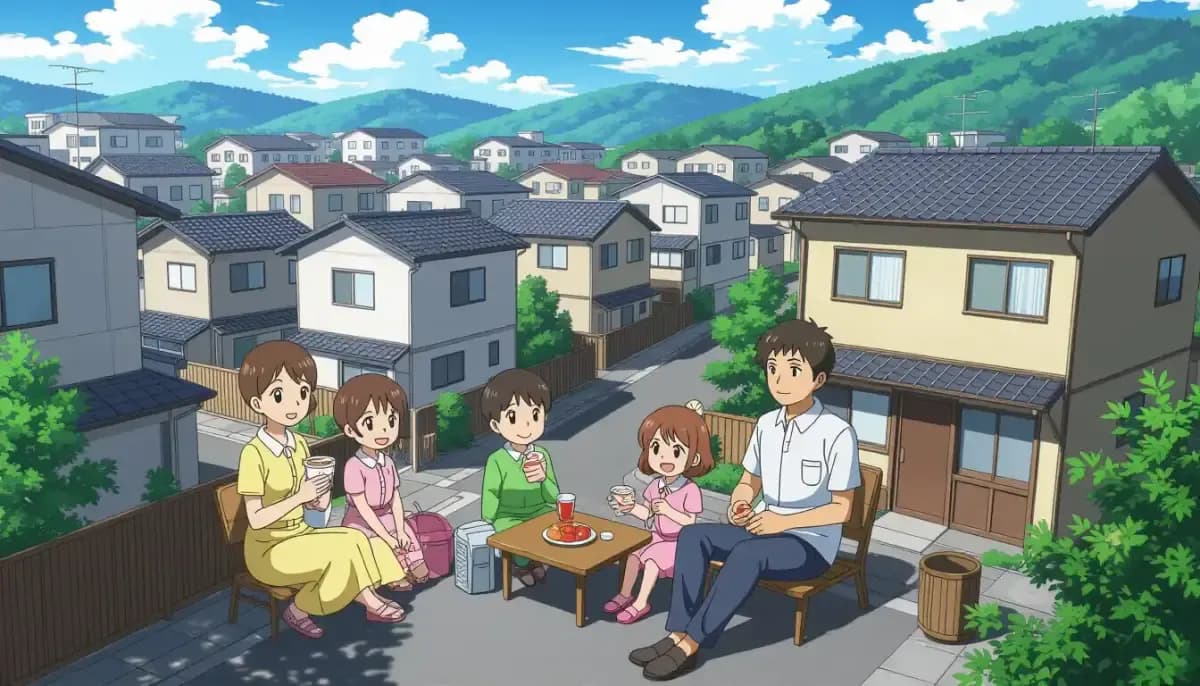
Cost of Family Housing by Region in Japan
Compare family housing costs across Japan's major regions — Tokyo, Osaka, Fukuoka, Sapporo and more. Includes rent tables, move-in cost guide, and tips for foreign families renting in Japan.
Read more →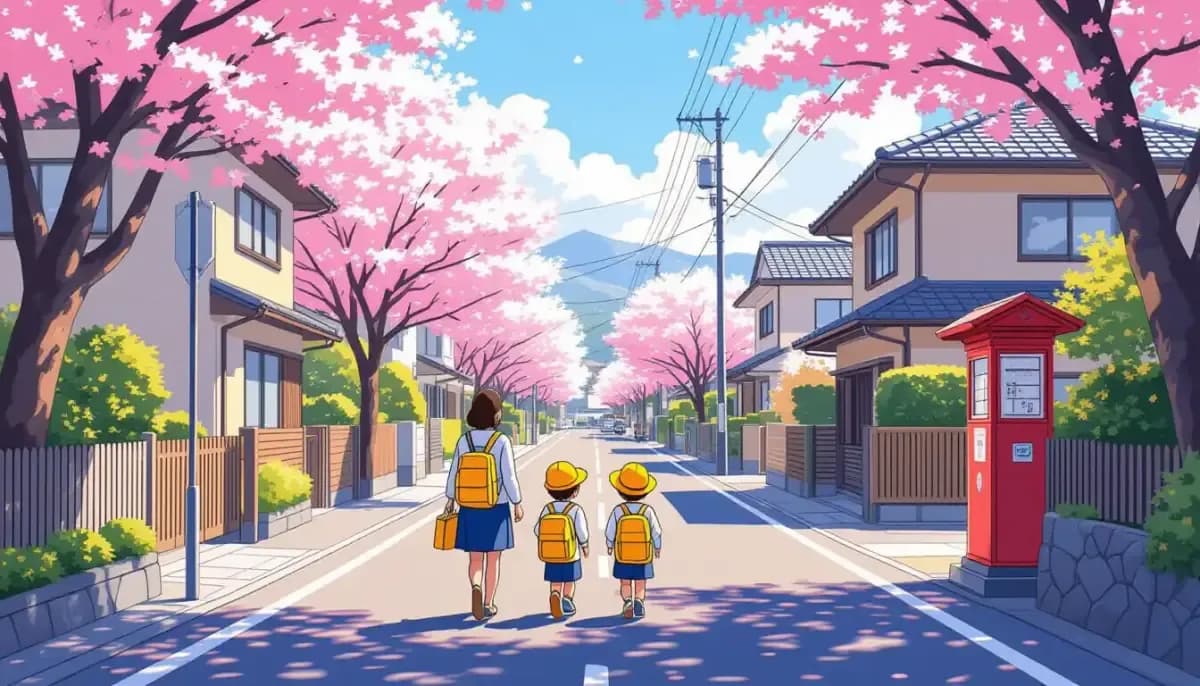
Safety Considerations for Family Neighborhoods in Japan
A complete guide to safety considerations for foreign families choosing neighborhoods in Japan — covering crime statistics, natural disaster risk, safest wards, and practical daily safety tips for expat families with children.
Read more →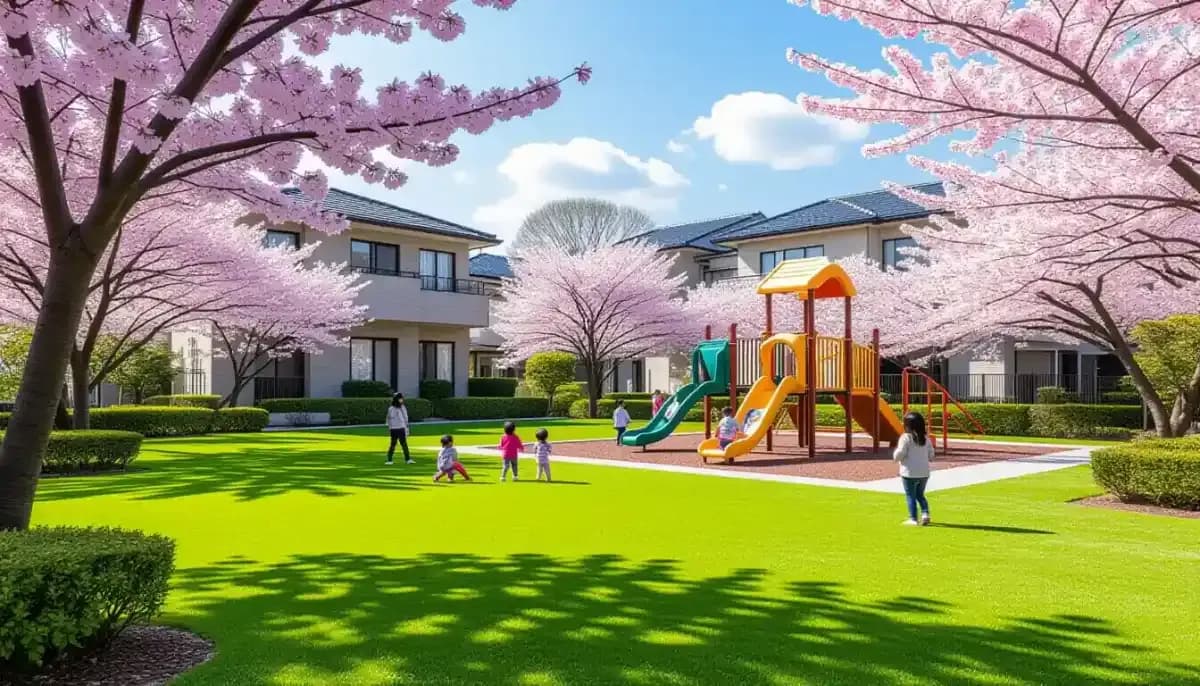
Parks and Green Spaces Near Family Housing
Complete guide to parks and green spaces near family housing in Japan. Compare Tokyo wards, city rankings, park types, seasonal tips, and what to look for when choosing a family neighborhood with good outdoor access.
Read more →
Moving with Children Within Japan: A Practical Guide
A complete guide to moving with children within Japan for foreign families — school transfers, address change procedures, healthcare continuity, and tips for helping kids adjust emotionally to their new home.
Read more →
School Districts and How They Affect Housing Choices
Learn how Japan's school district (gakku) system works and how it affects housing choices for foreign families. Research districts, understand pricing premiums, and find the right neighborhood for your child's education.
Read more →
International Areas with Diverse Communities in Japan
Discover Japan's most international and diverse communities — from Tokyo's Shin-Okubo Korean Town to Yokohama Chinatown, Osaka's Ikuno Ward, and beyond. A complete expat guide.
Read more →