
Noise Rules and Living with Children in Japanese Apartments

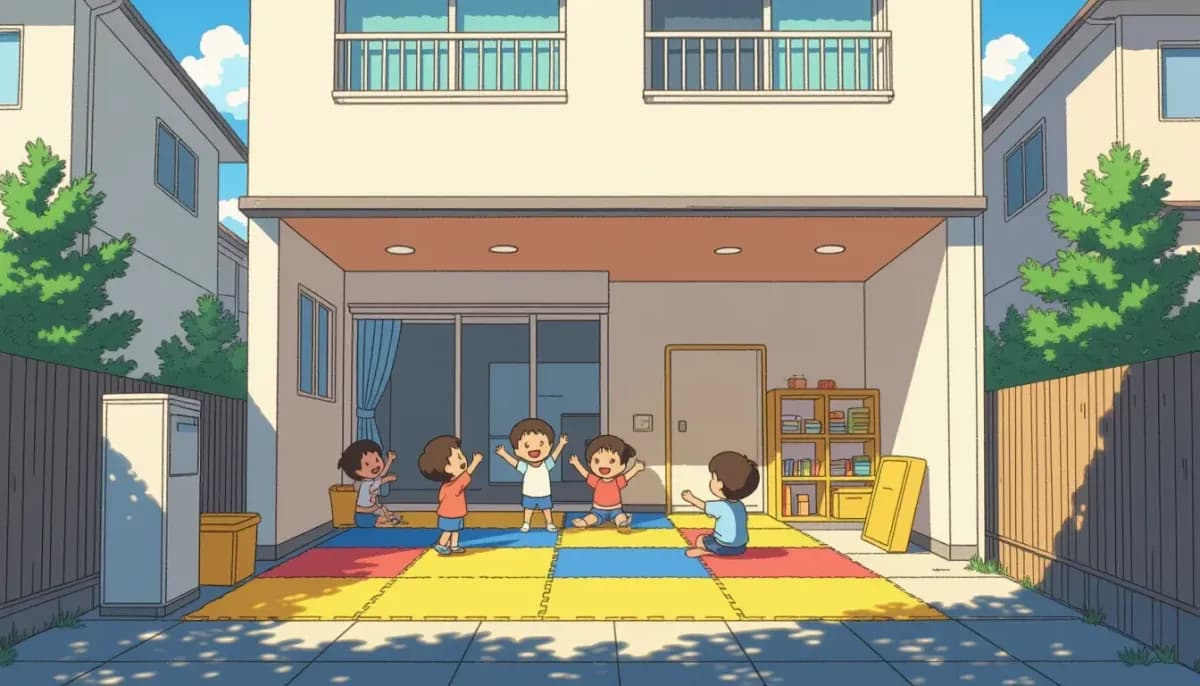
Complete guide to noise rules, quiet hours, and soundproofing for foreign families with children in Japanese apartments. Learn etiquette, building types, and how to handle complaints.
Noise Rules and Living with Children in Japanese Apartments
Moving to Japan with children is an exciting adventure — but it comes with one challenge that surprises many foreign families: Japan's strict unwritten (and sometimes written) rules around apartment noise. In a country where social harmony and consideration for others are deeply embedded in daily life, child noise is one of the most common sources of neighbor disputes. Understanding the rules before a complaint lands in your mailbox can save your family a great deal of stress.
This guide covers everything foreign parents need to know: the actual rules, quiet hours, building types, practical soundproofing strategies, and how to handle complaints if they arise.
Understanding Quiet Hours in Japanese Apartments
Most Japanese apartment buildings — whether managed by a large real estate company or a private landlord — have a set of house rules (居住規則, kyojuu kisoku) that include designated quiet hours. These are not suggestions; violating them repeatedly can result in a formal warning or, in serious cases, eviction.
Standard quiet hours in most Japanese apartments:
| Time Period | Expectation |
|---|---|
| 8:00 AM – 8:00 PM | Normal household sounds acceptable |
| 8:00 PM – 10:00 PM | Keep noise moderate; avoid loud TV or music |
| 10:00 PM – 8:00 AM | Full quiet hours; minimize all noise |
Some buildings — particularly older apato (アパート) with thinner walls — start quiet hours as early as 9:00 PM. Always read your lease agreement and house rules carefully. If you cannot read Japanese, ask your real estate agent for a translation or summary.
Japan's Ministry of the Environment also defines guidance around environmental noise, generally recommending nighttime residential noise stay below 40–45 dB and daytime noise below 55–60 dB — roughly the level of a quiet library or a normal conversation.
For appliances like washing machines and vacuum cleaners, the standard in most buildings is 8:00 AM to 8:00 PM only. Running a drum washer at 11 PM in a concrete apartment building is one of the fastest ways to receive a noise complaint.
Why Child Noise Is Especially Sensitive in Japan
Japan is a society that deeply values meiwaku (迷惑) — the concept of causing inconvenience or trouble to others. While Japanese society is not unfriendly to children, the cultural expectation is that parents actively manage their children's noise impact on neighbors.
There is also a structural paradox at play. Japan's declining birth rate means children are increasingly rare in many urban apartment buildings, where the majority of residents are single adults or couples. Noise that might be normalized in a family-oriented neighborhood in other countries can stand out sharply in a building full of working adults.
The tension has reached courtrooms. In a well-documented Tokyo case, a family sued a nearby daycare center for 17.46 million yen (approximately $172,000) in damages over the noise of playing children. Several pre-schools have been forced to install expensive sound barriers or restrict outdoor play times in response to complaints from office workers or neighboring residents. Japan Today covered this growing social issue in depth, illustrating how the country's aging population and shrinking birthrate are creating a paradoxical hostility toward child noise even as the government urges people to have more children.
The top noise triggers for child-related complaints include:
- Running and jumping inside the apartment (especially on bare floors)
- Crying or shouting during early morning or late evening hours
- Loud TV or music during quiet hours
- Washing machine spin cycles resonating through floors and walls at night
Choosing the Right Building Type for Families
Not all Japanese apartments are created equal when it comes to soundproofing. The construction type has a major impact on how much noise travels between units, and choosing the right building is your single most powerful tool as a parent.
| Building Type | Japanese Name | Soundproofing | Notes for Families |
|---|---|---|---|
| Wooden frame | 木造 (mokuzou) | Very poor | Every sound travels; avoid with young children |
| Light-gauge steel | 軽量鉄骨 (keiryou tekkotsu) | Poor | Better than wood but still audible walls |
| Reinforced concrete (RC) | RC造 (RC-zou) | Good | Significantly reduces airborne sound |
| Steel-reinforced concrete (SRC) | SRC造 | Excellent | Best choice for families; also quietest |
Low-rise apato buildings in Japan are almost always wooden or light-gauge steel. Mid- to high-rise mansion (マンション) buildings are typically RC or SRC. When searching for an apartment with children, prioritize RC or SRC construction — your neighbors will thank you, and so will your stress levels.
You may also see floor impact ratings expressed as an L-value (L等級). Lower is better: L-45 is high performance, L-50 to L-55 is standard in most newer concrete mansions. Ask the building manager or real estate agent about the L-value if noise is a concern.
For more advice on finding family-friendly housing in Japan, see our guide to housing and family-friendly neighborhoods in Japan.
Practical Soundproofing Strategies for Families with Children
Even in a well-constructed concrete building, children's impact noise — the thud of small feet running across a floor — travels remarkably well through solid materials. This is called 重量衝撃音 (juuryou shougeki-on, heavy impact noise), and it is the hardest type of noise to block without structural renovation.
The good news is that several affordable, renter-friendly solutions make a significant difference:
Floor and play area solutions:
- Interlocking foam play mats (ジョイントマット): Cover the entire play area, not just a small patch. Thick mats (2 cm or more) absorb far more impact than thin ones.
- Thick area rugs with dense underlay: Lay them in all high-traffic hallways and living spaces. The underlay (防音シート, bōon shīto) does the real acoustic work.
- Carpet tiles: Easy to clean and very effective; many families cover their entire apartment floor.
Furniture and door noise:
- Apply felt or silicone pads to all furniture legs. Chairs scraping on hard floors are a surprisingly common noise complaint.
- Install soft-close mechanisms on kitchen cabinets and bathroom doors, or use door stopper pads.
Electronics and appliances:
- Place anti-vibration pads under your washing machine to prevent spin-cycle resonance.
- Use speaker isolation pads and reduce bass on your audio equipment.
Routine adjustments:
- Enforce a firm indoor play time: 9:00 AM to 8:00 PM only for active, high-energy activities.
- Require children to wear soft indoor slippers at all times; ban hard-soled shoes indoors.
- Gradually wind down children's energy levels after 7:00 PM with quieter activities — reading, drawing, puzzles.
For a comprehensive overview of apartment rules beyond noise, the team at Living in Nihon covers Japan's living rules and garbage separation etiquette, which is another area where foreign families often receive complaints.
Move-In Etiquette: How to Start on Good Terms
One of the most important things you can do as a foreign parent moving into a Japanese apartment is to introduce yourself to your neighbors before any complaints arise. This is standard Japanese etiquette, but it is especially important for families with young children.
The traditional move-in greeting (引越し挨拶, *hikkoshi aisatsu*):
- Visit the four closest households — both sides, the unit above, and the unit below — within one to two days of moving in.
- Bring a small gift: a box of individually wrapped sweets, a set of small towels, or laundry detergent sachets are all common. Keep it modest (500–1,500 yen range).
- Introduce yourself briefly: "We just moved in next door. We have young children — if they ever bother you, please let us know." (Tonari ni hikkoshite kimashita. Chiisai kodomo ga irunode, urusai toki wa osshatte kudasai.)
This proactive acknowledgment of the situation does two things: it establishes goodwill, and it signals that you are considerate and open to feedback — which makes neighbors far less likely to escalate a minor noise incident to management.
For broader guidance on navigating neighbor relations and community etiquette as a foreigner, see the detailed breakdown at For Work in Japan's neighborhood relations guide.
How Noise Complaints Work in Japan
If a neighbor is disturbed by noise in a Japanese apartment, they will almost never knock on your door directly. Confrontation is strongly avoided in Japanese culture. Instead, the complaint follows a predictable path:
- Neighbor contacts the building management company (管理会社, kanri-gaisha) or the building's resident association (管理組合, kanri-kumiai).
- The management company sends a written notice to all residents — or specifically to your unit — reminding everyone of the noise rules.
- If the behavior continues, the management company may contact you directly or in writing.
- In persistent cases, the landlord may issue a formal warning (警告, keikoku). Multiple warnings can be grounds for lease non-renewal.
If you receive a notice, take it seriously and respond promptly. If it is a building-wide notice, implement soundproofing measures immediately. If it references your unit specifically, consider leaving a brief, polite handwritten note at the management office acknowledging the issue and describing your mitigation steps.
Japan reported approximately 16,500 noise complaints nationally in fiscal year 2015, according to Ministry of the Environment data. Japan Dev's analysis of noise complaints in Japan provides additional perspective for expats navigating this issue — and with residential building density in major cities, the per-household rate is meaningfully higher in urban apartment living.
For practical, tested advice on apartment etiquette and avoiding common pitfalls, E-Housing's guide to Japanese apartment etiquette is highly recommended. You can also find additional resources on navigating daily life challenges in Japan at Chuukou Benkyou, which covers study and adjustment resources for life in Japan.
Seasonal and Time-of-Day Considerations
Japanese apartment noise issues often spike during predictable periods. Being aware of these can help you plan:
| Season / Period | Why It Matters for Families |
|---|---|
| Summer (July–August) | Windows open = noise travels further; outdoor play shifts |
| New Year's holidays | Building unusually quiet; normal sounds stand out more |
| Early morning (before 7 AM) | Extremely sensitive; even footsteps on bare floors can wake neighbors |
| Weekend mornings (before 9 AM) | Neighbors sleep in; children often at their noisiest |
| Building inspection days | Management and landlords in the building; best behavior matters |
Weekend mornings are when many noise complaints originate. Children wake early and immediately want to run and play — but neighbors are sleeping in. If possible, have a "quiet Saturday morning" ritual that channels children into quiet activities (cartoons with headphones, tabletop games, drawing) until at least 9:00 AM.
When Things Go Well: Building a Positive Relationship with Your Community
Living harmoniously in a Japanese apartment with children is absolutely achievable. Many foreign families do it successfully for years. The key is consistent, proactive effort rather than reactive damage control.
Practical things that build goodwill over time:
- Acknowledge neighbors with a bow and brief greeting in the hallways.
- Leave common areas spotlessly clean — elevators, stairwells, parking areas.
- Follow garbage rules precisely: sorting and submission days vary by building and ward, and incorrect garbage disposal is one of the top sources of neighbor friction.
- Teach children basic Japanese greetings for use with neighbors: konnichiwa (hello), ojama shimasu (excuse me), sumimasen (sorry/excuse me).
- Decorate for Japanese seasons if you enjoy it — a small seasonal arrangement near your door signals cultural engagement and warmth.
For families raising children with both Japanese cultural norms and their home country's customs, see our guide on cross-cultural parenting and managing multiple cultures in your family.
Understanding the broader social expectations that children navigate helps you coach them effectively. Our article on making friends and developing social skills in Japan also touches on the indoor behavior norms children encounter at school and in community settings.
Quick Reference: Noise Rules Summary for Foreign Parents
| Rule | Standard in Japan |
|---|---|
| Quiet hours | 10:00 PM – 8:00 AM (some buildings from 9 PM) |
| Appliances (washer, vacuum) | 8:00 AM – 8:00 PM only |
| Floor covering requirement | Many buildings require carpets on hard floors |
| Move-in greeting | Visit 4 neighboring units within 2 days |
| Complaint channel | Management company (not direct confrontation) |
| Best building type for families | RC or SRC Mansion construction |
| Soundproofing essentials | Foam mats, thick rugs, felt pads, anti-vibration pads |
| Emergency mitigation | Soft slippers, quiet hours routine, afternoon active play |
Living with children in a Japanese apartment requires more planning and awareness than in many other countries — but it also teaches children habits of consideration and social awareness that will serve them throughout their time in Japan. With the right building, the right soundproofing, and a good relationship with your neighbors, your family can thrive in Japanese apartment life.
For more on settling into family life in Japan, explore our complete resource on housing and family-friendly neighborhoods in Japan and our guide on emergency preparedness and child safety in Japan.

Originally from Vietnam, living in Japan for 16+ years. Graduated from Nagoya University, with 11 years of professional experience at Japanese and international companies. Sharing practical information for foreign parents raising children in Japan.
View Profile →Related Articles
Cost of Family Housing by Region in Japan
Compare family housing costs across Japan's major regions — Tokyo, Osaka, Fukuoka, Sapporo and more. Includes rent tables, move-in cost guide, and tips for foreign families renting in Japan.
Read more →
Safety Considerations for Family Neighborhoods in Japan
A complete guide to safety considerations for foreign families choosing neighborhoods in Japan — covering crime statistics, natural disaster risk, safest wards, and practical daily safety tips for expat families with children.
Read more →
Parks and Green Spaces Near Family Housing
Complete guide to parks and green spaces near family housing in Japan. Compare Tokyo wards, city rankings, park types, seasonal tips, and what to look for when choosing a family neighborhood with good outdoor access.
Read more →
Moving with Children Within Japan: A Practical Guide
A complete guide to moving with children within Japan for foreign families — school transfers, address change procedures, healthcare continuity, and tips for helping kids adjust emotionally to their new home.
Read more →
School Districts and How They Affect Housing Choices
Learn how Japan's school district (gakku) system works and how it affects housing choices for foreign families. Research districts, understand pricing premiums, and find the right neighborhood for your child's education.
Read more →
International Areas with Diverse Communities in Japan
Discover Japan's most international and diverse communities — from Tokyo's Shin-Okubo Korean Town to Yokohama Chinatown, Osaka's Ikuno Ward, and beyond. A complete expat guide.
Read more →