
Best Family-Friendly Neighborhoods in Tokyo

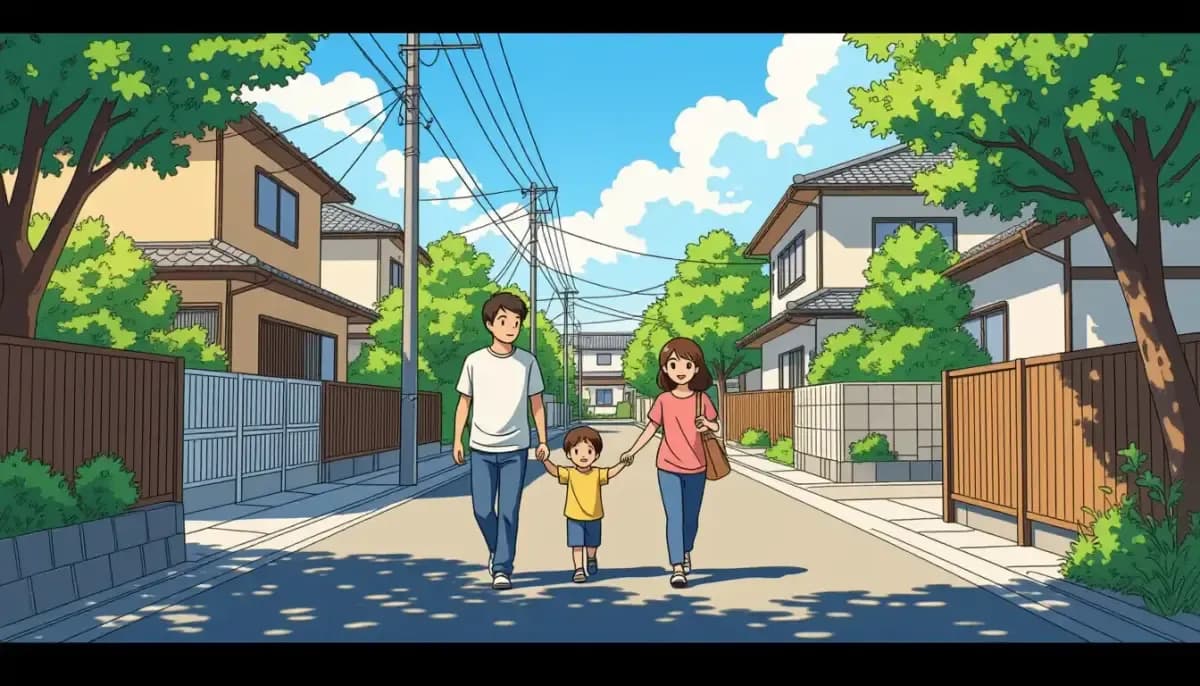
Discover the best family-friendly neighborhoods in Tokyo for expat families. Compare Hiroo, Setagaya, Kichijoji and more — schools, safety, rent costs, and parks explained.
Best Family-Friendly Neighborhoods in Tokyo: A Complete Guide for Expat Families
Moving to Tokyo with children is an exciting prospect, but choosing the right neighborhood can make or break your family's experience in Japan's sprawling capital. With 23 special wards and dozens of distinct areas, each offering different schools, parks, communities, and price points, the choice can feel overwhelming. This guide breaks down Tokyo's best neighborhoods for foreign families, helping you find the perfect balance of international schools, safety, green space, and community.
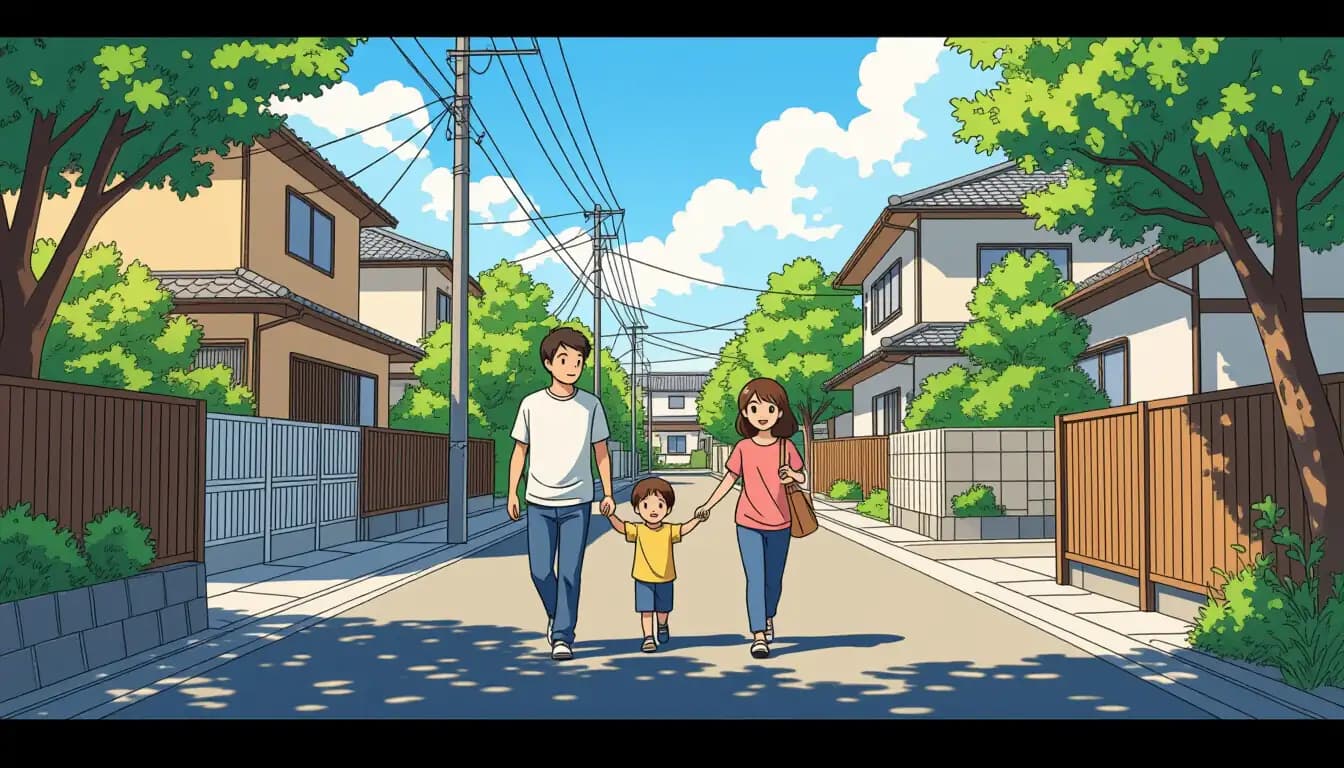
What Makes a Tokyo Neighborhood Family-Friendly?
Before diving into specific areas, it helps to understand the key factors that matter most for families relocating to Tokyo:
International School Access — Most expat families prioritize proximity to English-language or international schools. Commutes of over 30 minutes each way add up quickly for young children. Tokyo's international schools cluster heavily in Minato Ward (Azabu, Hiroo) and Shibuya Ward (Hiroo, Yoyogi), with the American School in Japan located in Kichijoji (Musashino City).
Safety — Tokyo is one of the world's safest major cities, but crime rates still vary by ward. According to crime statistics, Bunkyo Ward has Tokyo's lowest crime rate at just 0.34%, followed by Suginami (0.35%) and Nerima (0.38%). All top-10 wards maintain crime rates below 0.5% — a figure many cities can only dream of.
Parks and Green Space — Families with young children need outdoor space. Tokyo's best family areas offer large parks with playgrounds, rivers, and nature — critical for keeping children active and parents sane.
Expat Community — An established English-speaking community means English-friendly supermarkets, playgroups, and social networks that ease the transition.
Value for Money — Tokyo rents range enormously. A family-sized 3LDK in Hiroo can cost 700,000 yen per month, while comparable space in Nerima or Adachi can be had for under 200,000 yen per month.
For a broader view of living in different parts of Japan as a foreigner, see the Living in Different Regions of Japan guide at Living in Nihon.
Top Neighborhoods for Premium Expat Families: Hiroo, Azabu-Juban, and Minato Ward
Minato Ward is Tokyo's diplomatic heartland and home to the densest cluster of international schools in the country. Neighborhoods like Hiroo, Azabu-Juban, Motoazabu, and Roppongi attract corporate-sponsored expats, diplomats, and families seeking maximum international infrastructure.
Why families love it:
- Walking distance to Nishimachi International School, International School of the Sacred Heart, Tokyo International School, and Montessori School of Tokyo
- National Azabu supermarket (Hiroo) and Nissin World Delicatessen (Azabu-Juban) provide imported foods from around the world
- High diplomatic security presence creates a uniquely safe micro-environment
- Arisugawa-no-miya Memorial Park offers a green refuge with a children's playground
The trade-off: This is Tokyo's most expensive family territory. Expect 600,000 to 900,000 yen per month for a family-sized apartment. Most residents here are on company housing packages.
Minato Ward offers approximately 500,000 yen in annual per-child financial support — generous, though its daycare acceptance rate of 67.5% is the lowest in Tokyo, reflecting intense competition for spots.
Setagaya Ward: Tokyo's Most Popular Family Ward
Setagaya is consistently rated Tokyo's best ward for families — and for good reason. With a population of approximately 940,000 (Tokyo's most populous ward), it combines spacious living, outstanding parks, excellent school access, and the highest per-child financial support in Tokyo at approximately 670,000 yen annually.
Key neighborhoods within Setagaya for expat families:
Futako-Tamagawa — Beloved for its riverside location along the Tama River, family-friendly malls, and relative quiet. Rent for a 3LDK runs 250,000 to 400,000 yen per month. St. Mary's International School (boys) and Seisen International School (girls) are nearby, and Shibuya is just 11 to 25 minutes away.
Sangenjaya — A vibrant, bohemian neighborhood just 5 minutes from Shibuya. More affordable than Hiroo, with access to the British School in Tokyo and United School of Tokyo. 3LDK rents around 350,000 to 600,000 yen per month.
Seijo Gakuenmae — One of Tokyo's most prestigious residential addresses, named after the Seijo Gakuen school network. Extremely quiet, heavily wooded streets, and an intellectual atmosphere. About 16 minutes to Shinjuku by train.
Setagaya's parks are a major draw: Komazawa Olympic Park, Kinuta Park, Setagaya Park, and the Tama River greenbelt all provide excellent outdoor space. Learn more about parks and green spaces near family housing in Japan.
Kichijoji and Musashino City: The Most Livable City
Kichijoji consistently tops surveys of Japan's most desirable places to live — and families understand exactly why. Located in Musashino City just west of the 23 wards, it combines a vibrant local shopping district, outstanding transport links (15 minutes to Shinjuku), and one of Tokyo's most beloved parks.
Inokashira Park is the neighborhood's crown jewel: a large, wooded park with a rowing lake, children's zoo, large playgrounds, and weekend street performers. It is genuinely one of the best urban parks in all of Japan for children.
Most importantly for international families, The American School in Japan (ASIJ) is located in Kichijoji — one of Japan's most established and respected international schools. This alone drives many expat American and Canadian families to settle in the area.
3LDK rents in Kichijoji typically run 300,000 to 500,000 yen per month. Purchase prices for used condos average around 51.5 million yen — significantly below comparable Minato Ward properties.
Shibuya Ward: Hiroo, Daikanyama, and Yoyogi-Uehara
Shibuya Ward offers several excellent family neighborhoods that balance accessibility, community, and prestige without quite reaching the stratospheric prices of Minato.
Hiroo (straddling both Shibuya and Minato wards) is the classic expat family hub — walkable, leafy, and packed with international infrastructure. The British School in Tokyo has a campus nearby, alongside Yoyogi International School and United School of Tokyo.
Daikanyama and Nakameguro appeal to design-conscious families who want a cool, walkable neighborhood with the Canadian International School Tokyo and KAIS International School within reach. The Meguro River provides a beautiful linear park, especially during cherry blossom season. Expect 400,000 to 650,000 yen per month for a 3LDK.
Yoyogi-Uehara offers a quieter, more residential feel just 5 minutes from Shinjuku. The area has attracted a growing international community, with Yoyogi Park — one of Tokyo's largest — providing weekend outdoor space.
Budget-Conscious Family Neighborhoods: Nerima, Itabashi, and Adachi
Not every expat family arrives on a corporate package. For families funding their own housing, western and northern wards offer dramatically more space and value.
| Ward | Crime Rate | Per-Child Support | Daycare Acceptance | Key Feature |
|---|---|---|---|---|
| Bunkyo | 0.34% (lowest) | Moderate | Good | Academic hub, lowest crime |
| Suginami | 0.35% | Moderate | 100% (zero waitlist) | Only ward with zero daycare waitlist |
| Nerima | 0.38% | ~270,000 yen/yr | 78.2% | 61.9% residential land, spacious |
| Setagaya | 0.42% | ~670,000 yen/yr (highest) | Moderate | Most parks, best child support |
| Itabashi | 0.44% | Sukusuku Card program | 85.2% (highest) | Postnatal care, most daycare spots |
| Adachi | 0.46% | ~290,000 yen/yr | 78.8% | Most affordable ward |
Suginami Ward stands out for an extraordinary achievement: zero daycare waitlists for five consecutive years — virtually unheard of in Tokyo. For families with young children needing immediate daycare, this alone can be decisive.
Itabashi Ward has the highest daycare acceptance rate in Tokyo at 85.2%, plus a distinctive Sukusuku Card postnatal support program. Rents are significantly below central Tokyo rates.
Nerima Ward is the greenest of the 23 wards, with 61.9% of land zoned residential. Hikarigaoka Park is one of Tokyo's largest parks. Commutes to central Tokyo run 20 to 30 minutes.
For a detailed comparison of city versus suburb living in Japan, see our guide on choosing between city and suburb for raising your family in Japan.
Tokyo Neighborhood Comparison: Rent and Schools
| Neighborhood | Ward/City | 3LDK Monthly Rent | Nearest International Schools | Train to Center |
|---|---|---|---|---|
| Hiroo / Azabu-Juban | Minato | 600,000–900,000 yen | Sacred Heart, Nishimachi, TIS | 10–15 min |
| Daikanyama / Nakameguro | Meguro/Shibuya | 400,000–650,000 yen | Canadian IS Tokyo, KAIS | 10 min |
| Sangenjaya | Setagaya | 350,000–600,000 yen | British School Tokyo, USOT | 5 min to Shibuya |
| Futako-Tamagawa | Setagaya | 250,000–400,000 yen | St. Mary's IS, Seisen IS | 11–25 min |
| Kichijoji | Musashino | 300,000–500,000 yen | ASIJ, ICU High School | 15 min |
| Koenji / Nakano | Nakano | 150,000–250,000 yen | Commute to central | 5 min |
| Nerima (general) | Nerima | 120,000–200,000 yen | Commute required | 20–30 min |
| Adachi | Adachi | 100,000–180,000 yen | Commute required | 20–35 min |
Note: Rent figures are approximate ranges for family-sized units (3LDK) as of 2024–2025. Source: E-Housing Tokyo Family Areas Guide and Tokyo Relocation Guide.
Understanding Tokyo Child Support and Healthcare Benefits
One major surprise for international families is how generous Tokyo's family welfare system is. Across all 23 wards, children receive free medical care through high school — a policy that applies to foreign children with valid residency.
Beyond medical care, each ward offers its own financial support programs. For detailed information on navigating these benefits, see our guide on government benefits and subsidies for families in Japan.
International school fees remain the biggest variable in family budgets. As outlined in the Family Life in Japan guide at For Work in Japan, international schools typically cost approximately 2 to 3 million yen per year, while Japanese public schools are free. This cost difference often drives neighborhood selection — families committed to Japanese schooling have far more geographic freedom than those tied to specific international campuses.
For families still deciding between international and local schools, see our complete guide to international schools in Japan.
Practical Tips for Choosing Your Tokyo Neighborhood
1. Start with school logistics. Map your preferred school, then draw a 30-minute commute radius — this is your realistic search zone. Children commuting over 30 minutes each way often burn out.
2. Visit on weekdays. Weekend Tokyo is different from weekday Tokyo. Visit prospective neighborhoods during school drop-off hours and evening rush to understand what daily life actually looks like.
3. Check daycare availability early. If you need hoikuen (daycare), apply immediately upon establishing residence. Some wards have long waitlists; Suginami and Itabashi are notable exceptions. See our complete guide to daycare and hoikuen in Japan.
4. Plan for peak season competition. The March-April and August-September relocation seasons are highly competitive. Budget 4 to 6 months rent for move-in costs (deposit, key money, agency fees) and start your search 6 to 10 weeks before your target move date.
5. Consider foreigner-friendliness. Some landlords in Japan remain reluctant to rent to foreigners. Areas with established expat communities — Minato, Shibuya, Setagaya — tend to have more foreigner-friendly landlords and bilingual real estate agents. For tips on navigating the rental process, see renting with children in Japan: challenges and tips.
6. Factor in the whole package. The cheapest neighborhood is not always the best value. Factor in school commute costs, international food access, English-speaking pediatricians, and community resources alongside headline rent figures.
For comprehensive safety guidance, read our guide on safety considerations for family neighborhoods in Japan. You can also explore more data at SafestWards in Tokyo — Tokyo Portfolio and expat community data at PropertyAccess Tokyo Family Guide.
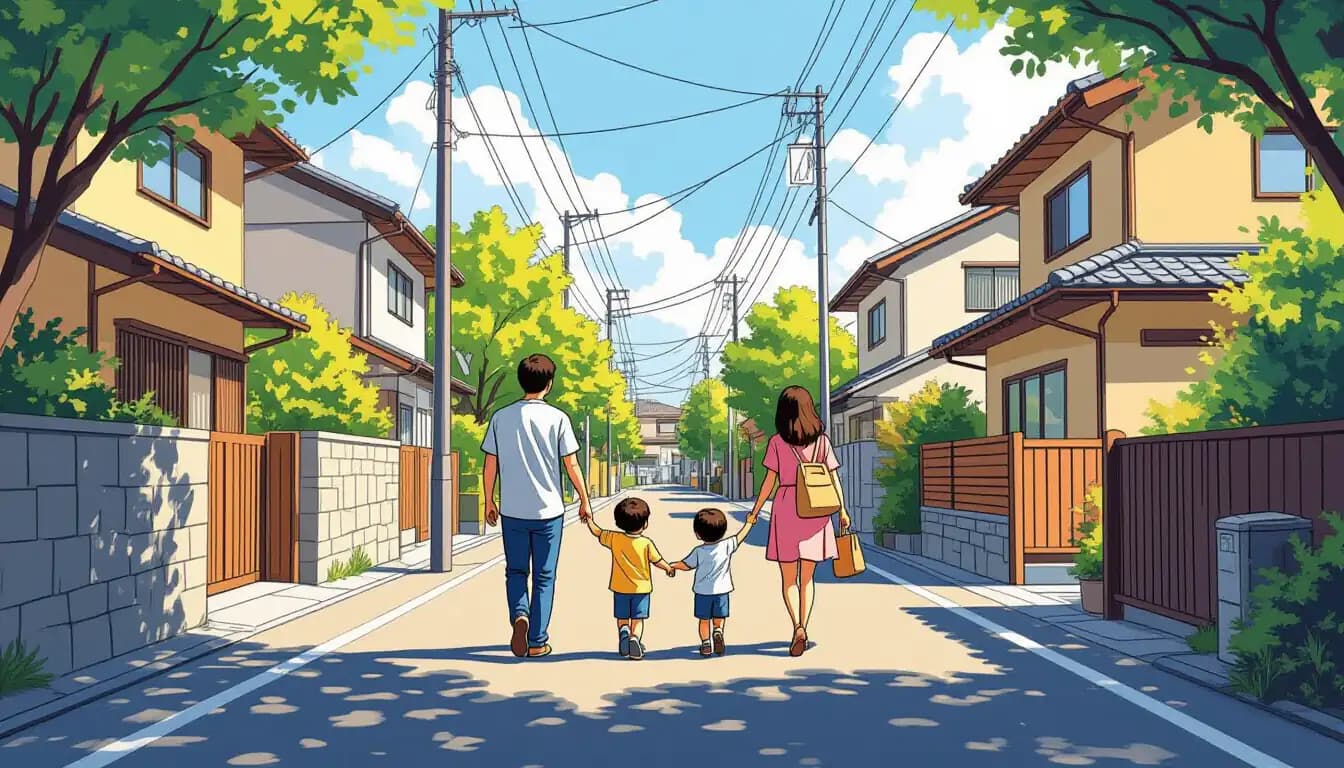
Conclusion: Which Tokyo Neighborhood Is Right for Your Family?
There is no single best neighborhood for all families — the right choice depends on your budget, school priorities, commute needs, and lifestyle preferences.
- Maximum international infrastructure, budget flexible: Hiroo and Azabu-Juban in Minato Ward
- Best balance of space, parks, and value: Setagaya Ward (Futako-Tamagawa, Sangenjaya)
- Best for ASIJ families: Kichijoji and Musashino City
- Zero daycare waitlist priority: Suginami Ward
- Most affordable with good transit: Nerima, Nakano, or Itabashi
- Safety-first: Bunkyo Ward (lowest crime in Tokyo)
For more detailed guidance on Tokyo housing options, browse our full section on housing and family-friendly neighborhoods in Japan, and also read our companion article on family-friendly areas in Osaka, Kyoto, and Kansai if you are considering options beyond Tokyo.
Whatever neighborhood you choose, Tokyo is one of the world's most livable cities for families. Its safety, public transit, food scene, and healthcare make it an excellent place to raise children — and with the right neighborhood match, your family will thrive. For more on the full expat family experience in Japan, also check out resources from Chuukou Benkyou for education-related guidance.

Originally from Vietnam, living in Japan for 16+ years. Graduated from Nagoya University, with 11 years of professional experience at Japanese and international companies. Sharing practical information for foreign parents raising children in Japan.
View Profile →Related Articles
Cost of Family Housing by Region in Japan
Compare family housing costs across Japan's major regions — Tokyo, Osaka, Fukuoka, Sapporo and more. Includes rent tables, move-in cost guide, and tips for foreign families renting in Japan.
Read more →
Safety Considerations for Family Neighborhoods in Japan
A complete guide to safety considerations for foreign families choosing neighborhoods in Japan — covering crime statistics, natural disaster risk, safest wards, and practical daily safety tips for expat families with children.
Read more →
Parks and Green Spaces Near Family Housing
Complete guide to parks and green spaces near family housing in Japan. Compare Tokyo wards, city rankings, park types, seasonal tips, and what to look for when choosing a family neighborhood with good outdoor access.
Read more →
Moving with Children Within Japan: A Practical Guide
A complete guide to moving with children within Japan for foreign families — school transfers, address change procedures, healthcare continuity, and tips for helping kids adjust emotionally to their new home.
Read more →
School Districts and How They Affect Housing Choices
Learn how Japan's school district (gakku) system works and how it affects housing choices for foreign families. Research districts, understand pricing premiums, and find the right neighborhood for your child's education.
Read more →
International Areas with Diverse Communities in Japan
Discover Japan's most international and diverse communities — from Tokyo's Shin-Okubo Korean Town to Yokohama Chinatown, Osaka's Ikuno Ward, and beyond. A complete expat guide.
Read more →