
Baby Food and Weaning (Rinyuushoku) in Japan

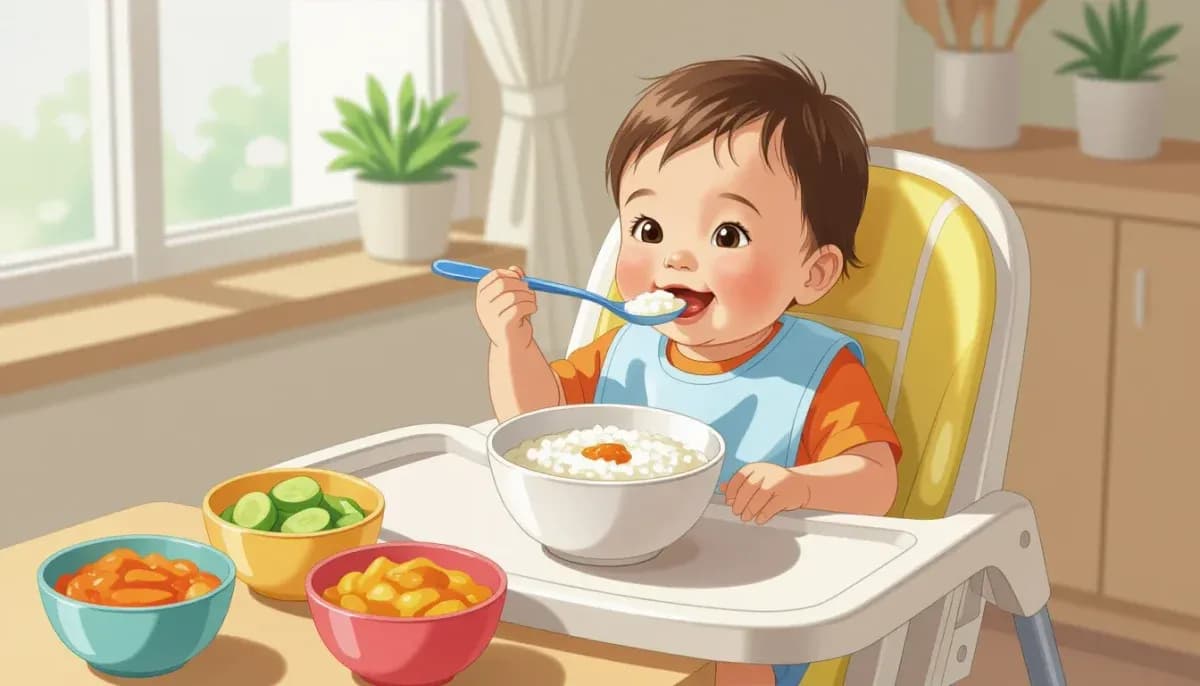
Complete guide to rinyuushoku (Japanese baby weaning) for foreign parents. Learn the 5 stages, first foods, where to buy, major brands like Kewpie and Wakado, and tips for expat families in Japan.
Baby Food and Weaning (Rinyuushoku) in Japan: A Complete Guide for Foreign Parents
Starting your baby on solid foods is one of the most exciting—and daunting—milestones of early parenthood. If you're raising a child in Japan as a foreign parent, navigating the world of rinyuushoku (離乳食), Japan's unique approach to baby weaning, can feel overwhelming at first. From rice porridge starters to tofu and natto introductions, Japanese weaning practices differ notably from Western approaches. This guide covers everything you need to know: when to start, what to feed, where to buy supplies, and how to blend Japanese traditions with your own cultural background.
What Is Rinyuushoku? Understanding Japanese Baby Weaning
Rinyuushoku (離乳食), literally meaning "milk-weaning food," refers to the structured process of transitioning a baby from breast milk or formula to solid foods. In Japan, this is a deeply culturally embedded practice with government-endorsed guidelines, specific stage names, and a wide range of commercially available products tailored to each developmental phase.
Japanese weaning begins around 5 to 6 months of age, which is slightly earlier than the World Health Organization's general recommendation of 6 months. Japan's Ministry of Health, Labour and Welfare (MHLW) released updated rinyuushoku guidelines in 2019 that remain the standard framework used at health checkups and public health offices (保健所, hokenjo) nationwide.
For foreign parents, the key takeaway is that rinyuushoku is far more than just "baby food." It is a cultural framework that introduces Japanese culinary staples—dashi, tofu, miso, nori—to infants from a very young age, shaping palates and nutritional habits for life.
The Five Stages of Rinyuushoku
Japanese weaning follows a structured, five-stage progression tied to your baby's age and physical development. Each stage introduces new textures, flavors, and frequency of meals.
!The Five Stages of Rinyuushoku - illustration for Baby Food and Weaning (Rinyuushoku) in Japan
| Stage | Age | Texture | Meals per Day | Key Foods |
|---|---|---|---|---|
| Early Stage (初期) | 5–6 months | Smooth puree | 1 | 10x okayu, carrot, sweet potato |
| Middle Stage (中期) | 7–8 months | Soft, mashed | 2 | Tofu, fish, soft vegetables |
| Late Stage (後期) | 9–11 months | Soft chunks | 3 | Minced meat, soft fruit, noodles |
| Finishing Stage (完了期) | 12–15 months | Small soft pieces | 3 + snacks | Most family foods, adjusted |
| Toddler Stage | 16+ months | Near adult texture | 3 meals + snacks | Broader family meals |
Early Stage (5–6 Months): The One-Teaspoon Start
The very first rinyuushoku food is almost always 10倍がゆ (jūbai gayu)—rice porridge made with a 10-to-1 ratio of water to rice, cooked until completely smooth and silky. You start with just one teaspoon per day at lunchtime, giving your baby's digestive system a gentle introduction.
After a week or two of rice porridge, you begin introducing single-ingredient vegetable purees: carrot, sweet potato (satsumaimo), and kabocha pumpkin are popular first choices. Introduce one new food at a time and wait 2–3 days before adding another, so you can identify any allergic reactions.
Middle Stage (7–8 Months): Expanding the Palette
By the middle stage, your baby eats twice daily and can handle slightly thicker textures—think soft mashed foods rather than smooth purees. This is when protein sources enter the picture:
- Tofu (豆腐): Silken tofu is a staple first protein, easy to mash and gentle on the digestive system.
- White fish (白身魚): Mild fish like cod or flounder, steamed and flaked finely.
- Egg yolk: Introduced carefully due to allergy risk.
- Dashi (だし): The fundamental Japanese stock made from kombu and bonito flakes, used in tiny, diluted amounts to flavor foods.
Late Stage (9–11 Months): Finger Food Territory
Three meals per day become the norm, and babies start developing the pincer grasp that makes soft finger foods possible. Soft pieces of tofu, steamed carrot cubes, and small bites of udon noodle (udon is a popular rinyuushoku food because it is soft and easy to chew) become regular offerings.
Foods commonly introduced at this stage include:
- Natto (fermented soybeans) — mashed and mixed into porridge
- Soft cooked vegetables in bite-sized pieces
- Small amounts of miso soup (low-sodium)
- Seaweed (nori) crumbled over rice
Finishing and Toddler Stages (12+ Months): Joining the Family Table
By 12 to 15 months, most babies can eat food with the texture of small meatballs and begin transitioning away from formula or breastmilk as their primary nutrition. Around 16 months, children can essentially eat modified versions of adult family meals.
Essential Rinyuushoku Foods to Know
Japanese baby food introduces flavors that may surprise Western parents. Research shows that 72% of Japanese parents prioritize nutritional balance in their children's diets, and the variety of foods introduced early is a key part of that philosophy.
!Essential Rinyuushoku Foods to Know - illustration for Baby Food and Weaning (Rinyuushoku) in Japan
Foods Commonly Given in Japan (That May Surprise You)
- Natto: Fermented soybeans are introduced early—usually around 7–8 months—mashed and mixed into porridge. High in protein and vitamin K2.
- Miso: Small amounts of diluted miso (choose low-sodium varieties) are used as a flavor enhancer from around 7 months.
- Seaweed (nori, wakame): Finely shredded or crumbled over food from around 9 months.
- Furikake: Rice seasoning blends designed for babies (低塩 / low-salt versions) are widely available.
- Mugicha (麦茶): Barley tea is commonly given to babies as a drink, especially in hot summer months. It is caffeine-free and gentle on young digestive systems.
- Dashi: This umami-rich stock is used liberally in Japanese baby food to make plain vegetables more palatable.
Foods to Avoid Before Age 1
| Food | Reason |
|---|---|
| Honey | Risk of infant botulism — never give to babies under 1 year |
| Raw eggs | Salmonella risk |
| Cow's milk as main drink | Hard to digest; formula/breastmilk preferred until 12+ months |
| High-sodium foods | Babies' kidneys cannot process excess salt |
| Whole nuts | Choking hazard |
| Raw fish (sashimi) | Food safety risk for infants |
Where to Buy Baby Food and Rinyuushoku Supplies in Japan
One of the advantages of raising a baby in Japan is the incredible range of high-quality baby food products readily available at competitive prices.
Major Retail Stores
- Akachanhompo (赤ちゃん本舗): The gold standard for baby products in Japan. Carries the widest range of rinyuushoku products, equipment, and specialty items. Has branches in major cities and shopping malls.
- Babies R Us / Toys R Us: Offers a large baby food selection in bigger cities.
- Drugstores: Matsumoto Kiyoshi, Welcia, Sundrug, and Tomods all carry solid baby food sections at slightly lower prices.
- BIC Camera / Yodobashi Camera: These electronics chains surprisingly stock well-curated baby food sections.
- Supermarkets: Fresh produce like kabocha, sweet potato, and tofu for homemade baby food.
Online Shopping
Amazon Japan and Rakuten are excellent for bulk-buying baby food staples, especially if you live outside a major city. Subscriptions for items like baby porridge mixes and puree packets can offer significant savings.
International Ingredient Options
For foreign parents who want to introduce non-Japanese foods alongside rinyuushoku:
- National Azabu (Tokyo): Carries Western baby food brands and international produce.
- Kaldi Coffee Farm: Stocked with imported goods that can supplement Japanese baby food.
Major Japanese Baby Food Brands
Japan's baby food industry is dominated by four major brands, all offering extensive product lines across every weaning stage:
| Brand | Specialty | Notes |
|---|---|---|
| Kewpie (キユーピー) | Pureed vegetables, fruit, and complete meals | Widest variety; flavors include burdock, chicken liver |
| Wakado (和光堂) | Instant rice porridge, dashi, and milk cereals | Popular with Japanese grandparents |
| Beanstalk (ビーンスターク) | Formula-brand extension; complete meal pouches | Trusted for nutritional balance |
| Meiji (明治) | Yogurt, formula, and stage-appropriate meals | Known for dairy-based products |
A newer brand gaining popularity among modern parents is The Kindest — an organic, additive-free line of baby food marketed as premium and conveniently packaged. Baby Potage offers veggie flakes that dissolve in water, ideal for travel.
Homemade Rinyuushoku: Tips for Making Baby Food at Home
Many Japanese parents combine store-bought convenience with homemade meals. Making rinyuushoku at home gives you full control over ingredients, salt levels, and freshness.
Essential Equipment
You don't need to spend a fortune. A minimal setup works perfectly:
- Hand blender (approximately 2,000 yen): For pureeing cooked vegetables
- Small silicone freezing tray (e.g., Monee 15ml size): Portion and freeze weekly batches
- Suribachi (すり鉢): Traditional Japanese mortar—ideal for grinding soft cooked foods
- Shallow baby spoons: Richell and Nonoji brands are highly recommended by Japanese parents
Batch Cooking Strategy
The most efficient approach used by Japanese parents:
- Cook large batches of okayu and vegetables on weekends
- Portion into silicone freezing tray sections (one cube = one serving)
- Once frozen solid, transfer to labeled zip-lock freezer bags
- Defrost in microwave or by steaming as needed
Making Dashi for Babies
Baby-appropriate dashi is simple: simmer a 5cm piece of kombu in 500ml water for 30 minutes (no boiling). This creates a gentle, umami-rich stock without the stronger bonito flavor. Use this as your cooking liquid for vegetable purees to make plain foods more appealing.
Navigating Health Checkups and Rinyuushoku Guidance in Japan
When you take your baby to health checkups at the local public health office (hokenjo), you will receive official rinyuushoku guidance booklets—often in Japanese only. Many municipal governments now provide multilingual versions on request or through international resident support desks.
Key milestones when rinyuushoku is discussed:
- 4-month checkup: Staff will remind you that rinyuushoku will begin around 5–6 months
- 9–10-month checkup: Progress through stages is reviewed
- 1-year checkup: Transition to family meals is assessed
If you are unsure about anything, your pediatrician (小児科, shōnika) is your best resource. Many clinics in larger cities have English-speaking staff or can arrange translation.
For more information on navigating Japan's healthcare system with children, see our guide: Healthcare and Medical Care for Children in Japan.
Cultural Differences: Japan vs. Western Weaning Approaches
Foreign parents often notice significant differences between Japanese rinyuushoku and Western Baby-Led Weaning (BLW) approaches.
| Aspect | Japanese Rinyuushoku | Western Baby-Led Weaning |
|---|---|---|
| Start Age | 5–6 months | 6 months (WHO recommendation) |
| First Food | Rice porridge (okayu) | Soft finger foods |
| Purees vs. Chunks | Pureed, then gradual progression | Finger foods from start |
| Spoon-feeding | Common | Baby self-feeds |
| Allergy introduction | Sequential, careful | Often deliberate early exposure |
| Salt awareness | Very high (very low salt) | Variable |
Neither approach is "correct"—many foreign parents in Japan successfully blend both methods. Baby-Led Weaning has gained a small but growing following among expat communities, and some pediatricians are becoming more familiar with it.
For guidance on parenting approaches as a foreign parent, Toddler Parenting in Japan: Ages 1 to 3 Guide offers broader context on raising young children in Japan.
Common Challenges for Foreign Parents
Language Barrier on Packaging
Baby food packaging in Japan is almost entirely in Japanese. Key terms to know:
- 月齢 (getsure) = age in months (e.g., 5ヶ月 = 5 months)
- 初期 (shoki) = early stage
- 中期 (chūki) = middle stage
- 後期 (kōki) = late stage
- 完了期 (kanryōki) = finishing stage
- 塩分控えめ (enbun hikaeme) = low sodium
- アレルゲン (arerugen) = allergens
Allergen Labeling
Japan has mandatory allergen labeling for 7 major allergens: eggs, milk, wheat, buckwheat (soba), peanuts, shrimp, and crab. When introducing new foods, check labels carefully. Soba (buckwheat) allergies can be severe—be especially cautious when giving any noodle products.
Family Pressure on Traditional Foods
Some foreign parents feel pressure from Japanese in-laws or neighbors to follow traditional rinyuushoku exactly. It's completely acceptable to adapt the Japanese framework to your family's dietary culture—introducing foods from your home country alongside Japanese staples enriches your child's food experience and supports Heritage Language Maintenance for Children in Japan.
Additional Resources for Foreign Parents in Japan
Navigating rinyuushoku as a foreigner is much easier with the right support network. Here are some key resources:
- Savvy Tokyo's Weaning Guide: A comprehensive English resource for expat parents in Tokyo: Weaning Your Baby in Japan
- TinyTot in Tokyo: Practical overview of baby food culture in Japan: An Overview of Baby Food in Japan
- The Tokyo Chapter: Detailed shopping guide for baby food: Where to Buy Baby Food in Japan
- Living in Nihon's Parenting Guide: Broader context on raising children in Japan as a foreigner: Complete Guide to Raising Children in Japan
- For Work in Japan Family Life Guide: Support for foreign families navigating daily life: Family Life in Japan Guide
- Chuukou Benkyou: Study and education resources relevant to children in Japan: Chuukou Benkyou
For more on supporting your baby's development in Japan, our guide on Baby and Infant Care in Japan: A Guide for Foreign Parents covers broader infant care topics from birth to 12 months.
Conclusion: Embracing Rinyuushoku as a Foreign Parent
Japan's approach to introducing solid foods—rinyuushoku—is thoughtful, gradual, and deeply rooted in Japanese culinary culture. For foreign parents, it offers both an excellent framework for nutritious early nutrition and an opportunity to introduce your baby to the rich flavors of Japanese cuisine from the very beginning.
Don't feel pressured to follow every guideline perfectly. The most important principles are simple: start slowly, introduce one food at a time, watch for reactions, and enjoy the process of sharing food culture with your child. Whether you go full Japanese-style rinyuushoku, follow a Western BLW approach, or blend both, your baby will thrive with your care and attention.
As your child grows beyond these early weaning months, explore our guide on Toddler Parenting in Japan: Ages 1 to 3 Guide for the next stage of your parenting journey in Japan.

Originally from Vietnam, living in Japan for 16+ years. Graduated from Nagoya University, with 11 years of professional experience at Japanese and international companies. Sharing practical information for foreign parents raising children in Japan.
View Profile →Related Articles

Newborn Care Tips for First-Time Parents in Japan
Complete guide to newborn care in Japan for foreign parents: hospital stays, Boshi Techo handbook, free vaccinations, health checkups, breastfeeding tips, and postpartum support programs.
Read more →
Baby Swimming and Early Activities in Japan
Complete guide to baby swimming lessons and early activities in Japan for foreign parents. Enrollment tips, costs, English options, and top swim schools explained.
Read more →
Popular Baby Brands and Stores in Japan
Discover the most popular baby brands and stores in Japan, from Akachan Honpo and Nishimatsuya to Japanese brands like Pigeon, Combi, and Miki House. Complete guide for expat parents shopping for baby products in Japan.
Read more →
Baby Clothing: Seasons, Sizing, and Shopping in Japan
Complete guide to baby clothing in Japan for foreign parents. Learn how Japanese sizing works (cm-based), what to buy each season, and where to shop from budget to premium stores like Nishimatsuya and Miki House.
Read more →
Registering Your Newborn at City Hall in Japan
A complete guide for foreign parents on registering a newborn at city hall in Japan. Learn about the 14-day deadline, required documents, child allowance, and immigration procedures.
Read more →
Baby-Friendly Facilities and Nursing Rooms in Japan
Complete guide to nursing rooms and baby-friendly facilities in Japan for foreign parents. Where to find them, what to expect, useful apps like Mama Papa Map, and practical tips for getting around with a baby.
Read more →