
Baby Sleep Practices and Co-Sleeping in Japan

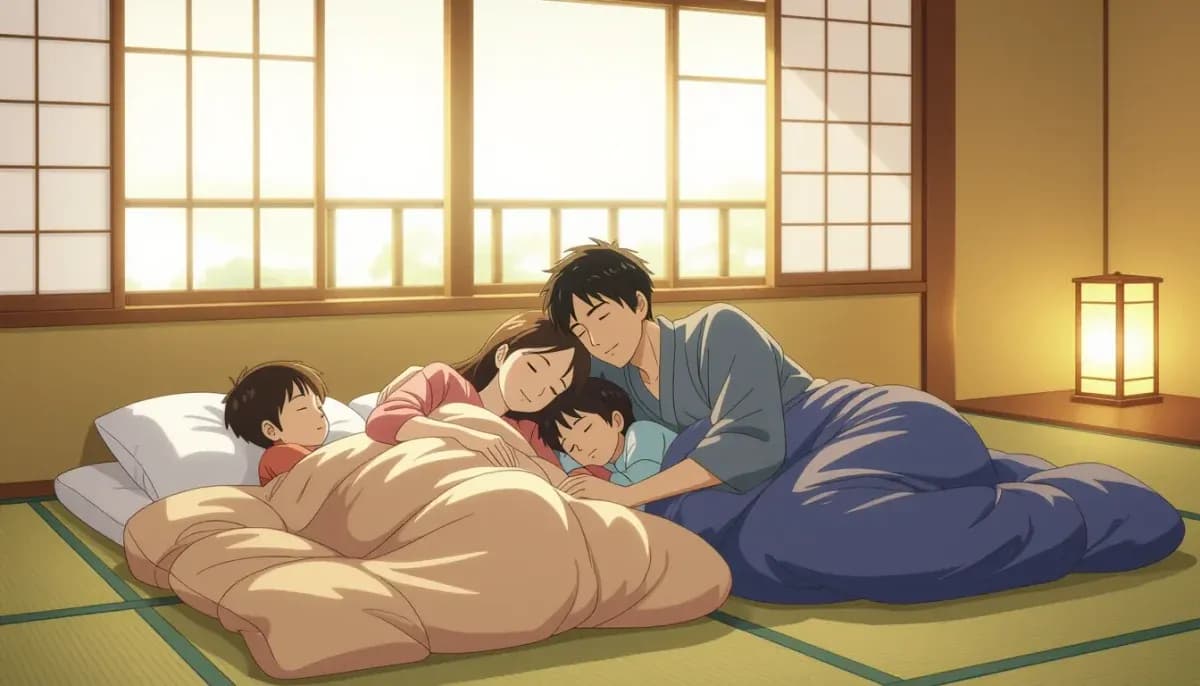
Discover how Japanese families practice co-sleeping (soine), the kawa no ji sleeping arrangement, futon use, and safety tips for foreign parents raising babies in Japan.
Baby Sleep Practices and Co-Sleeping in Japan: A Guide for Foreign Parents
If you've recently had a baby in Japan — or are expecting one — you've likely noticed that Japanese sleep culture is quite different from what many Western parents are used to. Co-sleeping is the norm here, not the exception, and understanding the traditions, terminology, and safety considerations will help you make informed decisions for your family. This guide walks you through everything foreign parents need to know about baby sleep practices and co-sleeping in Japan.
Understanding Soine: Japan's Co-Sleeping Culture
In Japan, sleeping alongside your baby is not just a practical choice — it's a deeply rooted cultural value. The Japanese word for co-sleeping is soine (添い寝), which literally means "sleeping beside." For generations, Japanese families have embraced this practice as a way to foster close bonds between parent and child.
The cultural philosophy behind soine centers on the concept of anshinkan (安心感) — a feeling of contentment, security, and emotional warmth that comes from physical closeness. Japanese mothers have even described sleeping apart from their infants as "merciless" in forcing independence too early.
This is in stark contrast to the approach often recommended in Western countries, where babies are encouraged to sleep independently from early infancy. For foreign parents arriving in Japan, this cultural difference can be both surprising and, for many, a relief — especially on those long, sleepless nights.
Statistics confirm how widespread this practice is: over 72% of Japanese mothers report sleeping within arm's reach of their infant, and more than 60% of parents in Japan actively practice co-sleeping. This cultural norm also correlates with remarkably good sleep outcomes — only 5–7% of Japanese parents report infant sleep problems, compared to around 30% in the UK, USA, and Australia.
For more on navigating parenting culture in Japan as a foreigner, check out our guide on Baby and Infant Care in Japan: A Guide for Foreign Parents.
Kawa no Ji: The Classic Japanese Sleeping Arrangement
The most traditional Japanese co-sleeping configuration is called kawa no ji (川の字), named after the Chinese character for "river" (川), which looks like three vertical lines. In this arrangement, the baby sleeps between both parents — two "banks" on either side of the "river" (the child).
This setup is considered the gold standard for Japanese co-sleeping because:
- It keeps the baby warm and secure throughout the night
- Both parents can respond quickly to the baby's needs
- It's well-suited for Japan's frequent earthquakes — parents instinctively protect the child
- It facilitates nighttime breastfeeding without fully waking
The futon plays a central role in making kawa no ji work. Traditional Japanese futons are thin, firm mattresses laid directly on the floor (or tatami mats), making it easy for the whole family to sleep side-by-side without gaps or entrapment risks. Unlike Western spring mattresses or soft beds, futons provide a firmer surface that is generally considered safer for infant co-sleeping.
How Long Do Japanese Families Co-Sleep?
One of the aspects that surprises many foreign parents is just how long co-sleeping continues in Japan. While Western sleep training typically aims to move babies to their own rooms within the first year, Japanese children commonly share a sleeping space with their parents until around age 10.
Even as families have more children, the sleeping arrangements simply expand — the older child often moves to sleep with a grandparent or another family member rather than transitioning to a solitary bedroom. The eventual shift toward sleeping independently is framed as jiritsu (自立), or independence, and is treated as a natural developmental milestone rather than an urgent goal.
For foreign parents who expected their child to be sleeping in a crib from day one, this can require a significant mindset shift. That said, many expats find that once they understand the cultural reasoning behind soine, the practice makes a great deal of sense — and makes those nighttime wakings much more manageable.
Learn more about the broader parenting landscape by reading our article on Toddler Parenting in Japan: Ages 1 to 3 Guide.
Sleep Safety for Co-Sleeping Families in Japan
While co-sleeping is widely practiced in Japan and correlates with the world's lowest SIDS rates (0.05 infants per 1,000 live births), safety still requires attention — especially because the way co-sleeping is practiced matters enormously.
A 2022–2023 survey of 254 Japanese caregivers in Yamaguchi Prefecture found some concerning gaps:
- 65% had knowledge of safe sleep environments, yet 96% could not fully implement recommended practices
- 49.4% used adult-designed sleep surfaces (beds) rather than infant-appropriate surfaces
- 90.6% kept quilts or heavy bedding near their infants during cold months
- 25.2% kept soft objects or items in the infant's sleep area
These findings highlight that even in a co-sleeping culture, there are real risks if safety guidelines are not followed (see full study: PMC11050700 - Practices and Awareness Regarding Infant Sleep Environments in Japan). Here are the key safe co-sleeping practices to keep in mind:
| Safety Principle | What to Do |
|---|---|
| Sleep surface | Use a firm futon on the floor, not a soft mattress or sofa |
| Bedding | Keep heavy quilts, pillows, and blankets away from baby's face |
| Positioning | Baby sleeps on their back at all times |
| No gaps | Ensure there are no gaps between mattress and wall where baby could become trapped |
| No substances | Never co-sleep after drinking alcohol or taking sedating medication |
| Temperature | Keep the room at a comfortable temperature; avoid overdressing baby |
| Smoking | Keep the sleeping environment 100% smoke-free |
Japan's current government SIDS prevention guidelines recommend: (1) place infants on their back until age 1, (2) breastfeed when possible, and (3) maintain a smoke-free environment.
For further information on infant health and medical care, see our guide on Healthcare and Medical Care for Children in Japan.
Western vs. Japanese Sleep Philosophy: Navigating the Difference
Foreign parents often feel caught between two very different sets of advice — from their home country's pediatric guidelines and from Japanese cultural norms. Here's a quick comparison of how the two approaches differ:
| Aspect | Western Approach | Japanese Approach |
|---|---|---|
| Sleeping location | Separate crib or bassinet | Co-sleeping on futon |
| Sleeping position | Own room, ideally | Family room with parents |
| Independence timeline | 6–12 months | Around age 10 |
| Sleep training | Common (e.g., Ferber, cry-it-out) | Rare and often culturally frowned upon |
| Nighttime breastfeeding | Typically scheduled | On demand, facilitated by closeness |
| Parent sleep quality | Often disrupted | Generally better with co-sleeping |
The American Academy of Pediatrics (AAP) recommends room-sharing without bed-sharing for at least the first 6 months, primarily due to concerns about suffocation on soft Western mattresses. However, when co-sleeping is practiced safely on a firm Japanese futon — without soft bedding near the baby's face — many researchers believe the risk profile is significantly different.
For context on Japan's exceptionally low SIDS rates, read more at Lives of Sleep: Bed Sharing in Japan.
Practical Tips for Foreign Parents in Japan
Whether you choose to co-sleep or set up a separate sleeping space for your baby, here's what you need to know practically as a foreign parent in Japan:
If you choose to co-sleep:
- Use a traditional Japanese futon (not a Western mattress) for a firmer surface
- Set up kawa no ji: baby between both parents, with no pillows or quilts near baby's head
- Consider a sidecar crib (a crib attached to the side of the bed) as a middle ground
- Never leave baby sleeping alone on an adult bed — the risk of rolling off is real
If you prefer a crib:
- Western-style cribs and Japanese cribs (ベビーベッド, bebiibeddo) are widely available at baby stores like Akachan Honpo and BabyZara
- Room-sharing with a crib is considered best practice by both Western and Japanese pediatric guidelines
- Many Japanese families use a crib in the early months and transition to futon co-sleeping later
Shopping and setup:
- Futons for babies (ベビー布団セット) are sold as complete sets at most baby stores
- Essential items include a firm baby futon, a fitted cover, and a thin breathable blanket
- Avoid memory foam or overly soft mattresses for newborns
Pediatric checkups:
- Your baby's regular checkups (乳幼児健診, nyuuyouji kenshin) are provided for free by your local municipality
- The 4-month and 10-month checkups are key milestones — doctors will ask about sleep environment and SIDS prevention
For more on navigating baby care in Japan, visit Living in Nihon's guide to raising children and education in Japan.
Cultural Pressures and Finding Your Own Path
As a foreign parent in Japan, you may face gentle (or not-so-gentle) pressure from Japanese relatives, neighbors, or even healthcare providers around sleep practices. Japanese grandparents in particular may be surprised if you try to sleep train your baby or put them in a separate room early.
On the other hand, expat communities and Western-trained pediatricians may encourage practices that conflict with local norms. It's okay to feel pulled in multiple directions.
The key is to:
- Understand both perspectives and make an informed choice
- Prioritize safety regardless of which approach you take
- Communicate clearly with Japanese caregivers (daycares, in-laws) about your approach
- Connect with other expat parents through groups on Facebook or Meetup who have navigated the same questions
For support and community in Japan, see our guide on Community and Support Networks for Foreign Families in Japan.
Also, if you're navigating the cultural complexities of parenting between two cultures, our article on Cross-Cultural Parenting: Managing Multiple Cultures in Your Family offers valuable perspective.
For additional resources on family life and parenting in Japan, check out For Work in Japan's family life guide and the Chuukou Benkyou resource hub.
Key Takeaways
Baby sleep in Japan is shaped by centuries of tradition, a strong cultural emphasis on family closeness, and practical realities like small living spaces. Co-sleeping through soine and the kawa no ji arrangement is the mainstream approach, and Japan's world-leading infant safety statistics suggest it can work well when done safely.
For foreign parents, the most important steps are:
- Understand the local cultural context before making decisions
- Practice co-sleeping safely if you choose to (firm surface, no soft bedding near baby)
- Don't feel pressured to follow any approach that doesn't feel right for your family
- Consult your local pediatrician for personalized guidance
Whether you embrace co-sleeping fully, use a crib in your room, or find a hybrid approach that works, you're doing the right thing by researching and making an informed choice. Parenting in Japan is a unique experience — and with the right information, it can be an incredibly rewarding one.
For more on the full picture of infant and baby care in Japan, head back to the main guide: Baby and Infant Care in Japan: A Guide for Foreign Parents.

Originally from Vietnam, living in Japan for 16+ years. Graduated from Nagoya University, with 11 years of professional experience at Japanese and international companies. Sharing practical information for foreign parents raising children in Japan.
View Profile →Related Articles
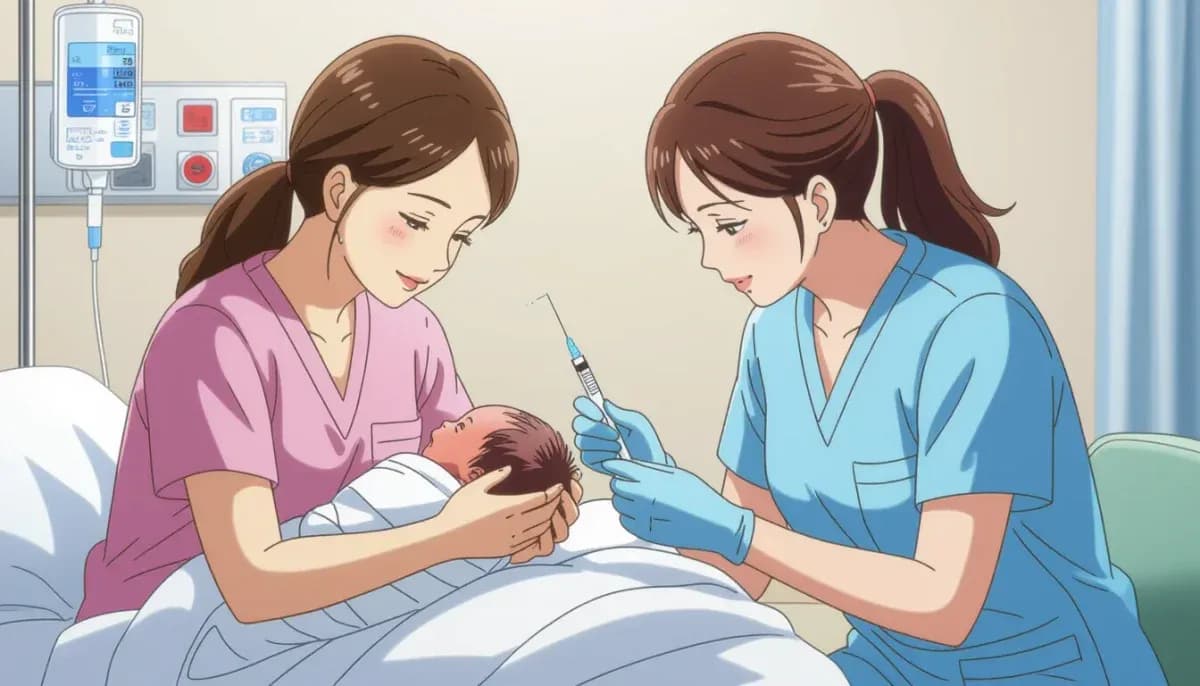
Newborn Care Tips for First-Time Parents in Japan
Complete guide to newborn care in Japan for foreign parents: hospital stays, Boshi Techo handbook, free vaccinations, health checkups, breastfeeding tips, and postpartum support programs.
Read more →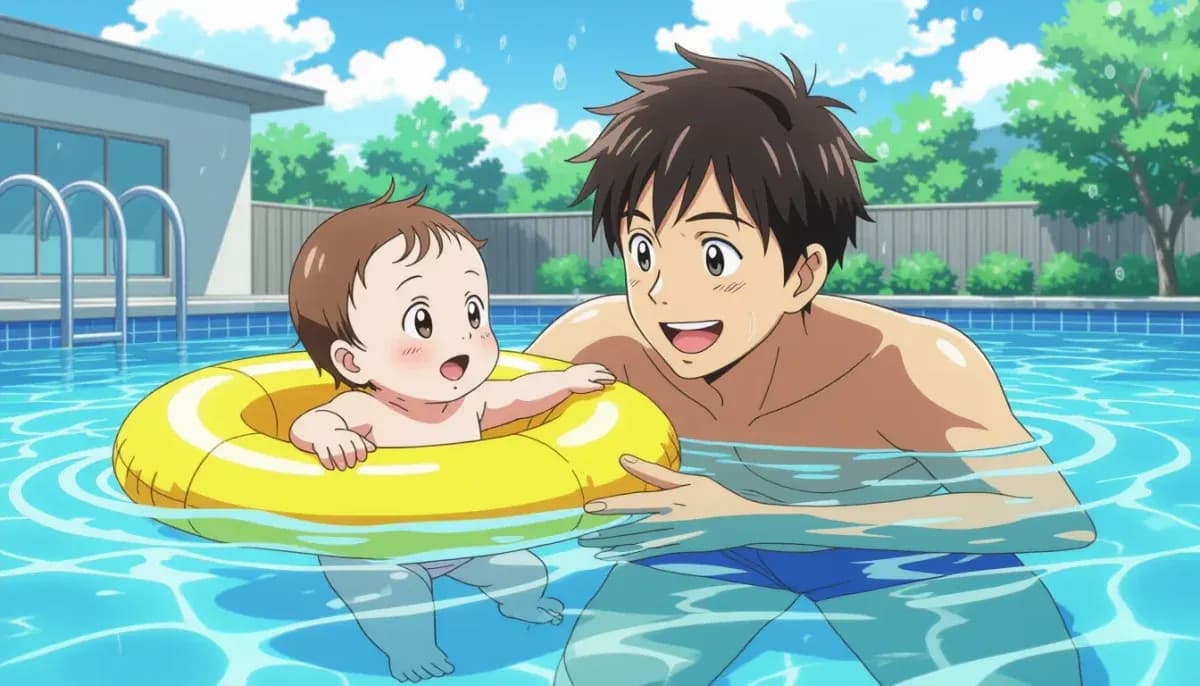
Baby Swimming and Early Activities in Japan
Complete guide to baby swimming lessons and early activities in Japan for foreign parents. Enrollment tips, costs, English options, and top swim schools explained.
Read more →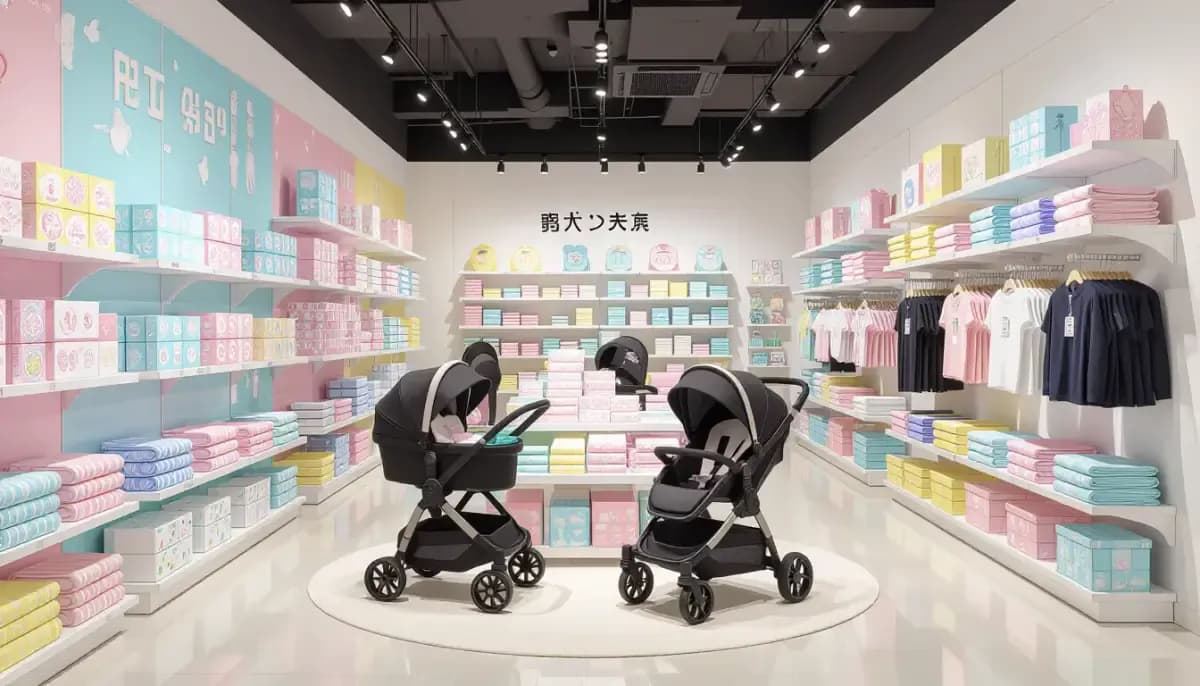
Popular Baby Brands and Stores in Japan
Discover the most popular baby brands and stores in Japan, from Akachan Honpo and Nishimatsuya to Japanese brands like Pigeon, Combi, and Miki House. Complete guide for expat parents shopping for baby products in Japan.
Read more →
Baby Clothing: Seasons, Sizing, and Shopping in Japan
Complete guide to baby clothing in Japan for foreign parents. Learn how Japanese sizing works (cm-based), what to buy each season, and where to shop from budget to premium stores like Nishimatsuya and Miki House.
Read more →
Registering Your Newborn at City Hall in Japan
A complete guide for foreign parents on registering a newborn at city hall in Japan. Learn about the 14-day deadline, required documents, child allowance, and immigration procedures.
Read more →
Baby-Friendly Facilities and Nursing Rooms in Japan
Complete guide to nursing rooms and baby-friendly facilities in Japan for foreign parents. Where to find them, what to expect, useful apps like Mama Papa Map, and practical tips for getting around with a baby.
Read more →