
Best Day Trips from Tokyo with Kids

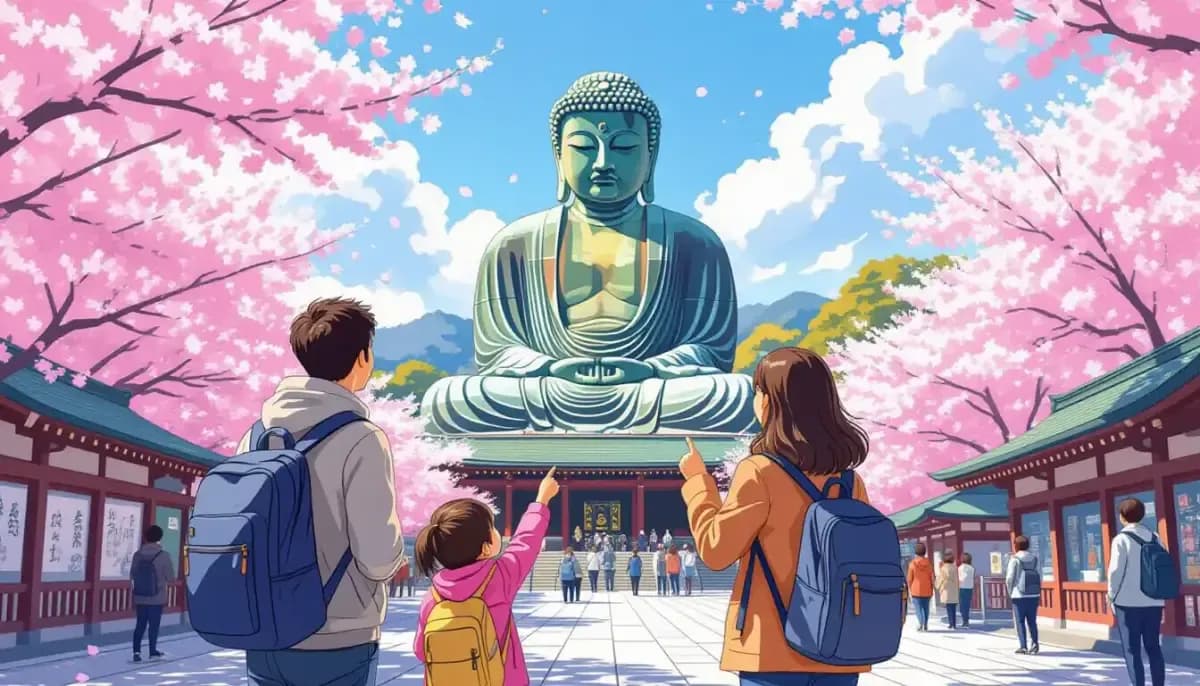
Discover the best day trips from Tokyo with kids — Hakone, Kamakura, Kawagoe, Nikko, and more. Complete family guide with age recommendations, train tips, and seasonal advice for foreign parents in Japan.
Best Day Trips from Tokyo with Kids: A Family Guide for Foreign Parents
Living in Tokyo as a foreign parent is a privilege — you have one of the world's most family-friendly cities as your home base, and surrounding it are dozens of extraordinary destinations reachable in under three hours. Whether your kids are toddlers still in strollers or preteens hungry for adventure, Tokyo's day-trip network by train is so reliable and comfortable that a weekend escape feels effortless. This guide covers the best day trips from Tokyo specifically tailored for families with children, with honest advice on what works for different ages, how to plan the logistics, and which season to go.
For a broader perspective on traveling around Japan with your family, check out Living in Nihon's domestic travel guide for foreigners — it covers transport passes, regional Japan Rail options, and general tips that complement everything below.
Why Day Trips Are Perfect for Foreign Families in Tokyo
One of the recurring complaints from expat parents is that Tokyo — for all its wonders — can feel overwhelming and exhausting for young children after a few months. The same parks, the same playgrounds, the same neighborhood. Day trips are the antidote.
Japan's Shinkansen and express train network makes it uniquely suited for family day-tripping. Stations display signs in English and often have QR codes linking to English-language maps. IC cards (Suica or Pasmo) work on almost every train, so you don't need to figure out ticket machines at each station. And because Japan is extremely compact, you can reach dramatically different environments — the ocean, ancient shrines, snow-capped mountains, volcanic craters — in the same time it takes to drive across a single American city.
For families with children enrolled in school or daycare in Japan, understanding the school calendar matters too. Most day trips work best on weekends and school holidays. If your child is navigating the Japanese school system, you'll find our guide to elementary school in Japan for foreign parents useful for planning around the school year.
Top Day Trips from Tokyo with Kids (By Age Suitability)
Here is a quick reference table showing how each top destination matches up with different age groups:
| Destination | Distance from Tokyo | Best For | Key Attraction |
|---|---|---|---|
| Yokohama | ~30 min (JR) | All ages | Chinatown, CupNoodles Museum |
| Kawagoe | ~1 hr 20 min | Ages 3+ | Candy Alley, Edo-period streets |
| Kamakura | ~1 hr 15 min | Ages 5+ | Great Buddha, beach, temples |
| Hakone | ~1 hr 40 min | Ages 5+ | Mt. Fuji views, outdoor museum |
| Nikko | ~2 hr 20 min | Ages 8+ | Toshogu Shrine, Edo Wonderland |
| Fuji-Q Highland | ~2 hr 40 min | Ages 6+ | Theme park, Mt. Fuji backdrop |
| Enoshima | ~1 hr | All ages | Caves, aquarium, beach |
1. Yokohama: The Easiest First Day Trip
Yokohama is so close to Tokyo (about 30 minutes by the JR Keihin-Tohoku or Tokaido lines) that it barely qualifies as a day trip — but it feels like a completely different world. For foreign families, Yokohama has particular appeal because of its international history. It was one of the first Japanese cities to open to foreign trade in the 1850s, and that diversity is still visible in its architecture, food, and neighborhoods.
Top activities for families:
- CupNoodles Museum in Minato Mirai — kids design their own instant noodle cups in a hands-on workshop. Immensely popular with children aged 5 and up. Book tickets online in advance.
- Chinatown (Chukagai) — the largest Chinatown in Japan. Kids love the colorful decorations, steamed pork buns (nikuman) sold on the street, and the sheer sensory overload.
- Minato Mirai waterfront — Ferris wheel, boat rides, wide pedestrian promenades suitable for strollers and scooters.
- Yokohama Hakkeijima Sea Paradise — a large aquarium and amusement park on an artificial island, accessible by monorail. A full-day option if you skip Chinatown.
Yokohama is ideal as a first day trip because it requires minimal planning, the train lines are straightforward, and you can turn back early if children run out of energy without feeling like you've wasted the day.
2. Kawagoe: Edo-Period Streets and Candy Alley
Nicknamed "Little Edo," Kawagoe is a short ride from Ikebukuro (Tobu Tojo Line or Seibu Shinjuku Line) and is one of the best-preserved examples of Edo-period merchant townscape in Japan. For families with younger children, the real draw is Kashiya Yokocho — Candy Alley — a narrow street packed with dozens of traditional sweet shops selling dagashi (old-fashioned Japanese candies and snacks). Kids can spend 30 minutes working their way down the alley sampling sweets for just a few hundred yen.
Beyond the candy, the Kurazukuri warehouse district has enough visual interest to keep older children engaged, and the iconic Toki no Kane bell tower makes for great photos. There is also a pottery workshop district nearby where families can try making their own small clay pieces.
Kawagoe suits toddlers and young children well. The Candy Alley area is flat, pedestrian-friendly, and compact. Strollers are manageable. The trip requires no transfers if you take the Tobu Tojo direct express from Ikebukuro, which is a genuine convenience when you're managing bags, kids, and snacks simultaneously.
3. Kamakura: Ancient Temples and the Great Buddha
Kamakura is the destination most frequently recommended to new foreign residents in Tokyo, and for good reason. The 13-meter-tall Great Buddha (Kotoku-in) is genuinely awe-inspiring even for children who don't know the history — and you can actually walk inside it for a small additional fee, which kids find thrilling.
The Hase-dera temple is another family highlight: it has a cave system you walk through (Benten-kutsu cave), a beautiful hillside garden, and views over Kamakura Bay. The Enoden railway — a single-track seaside tram that connects Kamakura to Enoshima — is an adventure in itself, running so close to the ocean that you can almost touch the waves in some stretches.
For spring visits, Kamakura is surrounded by hiking trails lined with cherry blossoms and hydrangeas (June). The Yuigahama and Zaimokuza beaches are popular in summer and accessible on foot from the station, though water quality and crowding mean they're more for paddling than serious swimming.
Kamakura works best for children aged 5 and up. There is significant walking involved between sites. The hills are steep in places, and some temple pathways are not stroller-friendly. Consider baby carriers for younger children.
4. Hakone: The Day Trip That Has Everything
Hakone is the standout choice if you want to pack maximum variety into a single day. In a well-planned circuit, a family can experience:
- Romancecar train from Shinjuku — a specially designed panoramic express that children love
- Hakone Open-Air Museum — a stunning outdoor sculpture park with child-friendly interactive installations, a Picasso pavilion, and a foot bath you can use in the middle of the park
- Owakudani volcanic crater — accessible by ropeway, with dramatic steam vents and the famous black eggs (kuro-tamago) boiled in sulfuric springs
- Lake Ashi pirate ship — a replica galleon sailing across a caldera lake with views of Mt. Fuji on clear days
- Yunessun hot spring resort — a water park-style onsen where you can wear swimsuits, perfect for families (including an adult-only area)
The Hakone Free Pass is essential for foreign families. Available from Odakyu at Shinjuku station, it covers the round-trip Romancecar fare plus unlimited use of the ropeway, cable car, bus network, and pirate ships within the Hakone loop. Without the pass, you would need to buy separate tickets at every stage, which is logistically painful with children. The two-day pass is available if you want to include an overnight stay.
For tips on navigating Japanese transport options as a foreign resident — including IC card strategies and regional passes — For Work in Japan's resources for foreign residents offer useful practical guidance.
5. Nikko: Shrines, Waterfalls, and Edo Wonderland
Nikko is the most culturally dense day trip option from Tokyo and suits families with older, more patient children (roughly ages 8 and up). The Toshogu Shrine complex is a UNESCO World Heritage Site featuring the famous "See no evil, hear no evil, speak no evil" Three Wise Monkeys carving and the ornate Yomeimon Gate, often called "the most beautiful gate in Japan."
Beyond the shrine complex, Kegon Falls is a 97-meter waterfall accessible via a paid elevator to a viewing platform at the base — a genuinely dramatic experience. Lake Chuzenji above the falls offers pedal boat rentals, picnic areas, and views of mountains reflected in the water.
For families with children who need more entertainment than temples can provide, Edo Wonderland (Nikko Edomura) is a theme park built to recreate an Edo-period town. Visitors can dress in samurai or ninja costumes, watch ninja shows, and walk through a recreated feudal village. It is expensive by Japanese standards but offers a full afternoon of child-friendly entertainment.
Note that getting to Nikko requires the Tobu Nikko Line from Asakusa, and the journey is about 2 hours 20 minutes. The Nikko All Area Pass covers train and bus transport within the Nikko area and is worth purchasing.
6. Enoshima: Island, Aquarium, and Caves
Enoshima is a small island connected to the mainland by a bridge, about 1 hour from Shinjuku (Odakyu Line to Katase-Enoshima) or from Kamakura via the Enoden. It combines:
- Shinagawa Aquarium and the Enoshima Aquarium (Enosui) — family classic, with dolphin shows and jellyfish tanks
- Enoshima Iwaya Caves — natural sea caves you walk through with a candle or LED lantern, which children find genuinely exciting
- Enoshima Escar — a series of paid escalators climbing the island (a surprisingly popular attraction with small children)
- Shichirigahama Beach — a long sandy beach with views of Mt. Fuji on clear days
Enoshima can be combined with Kamakura for a full day, or treated as a standalone destination. It tends to be less crowded than Kamakura and the seafood restaurants on the island are a genuine culinary highlight — fresh seafood rice bowls (kaisen don) and shirasu (baby sardines) are local specialties.
Seasonal Tips for Day Trips with Kids
Planning around seasons significantly affects the quality of your family day trip experience.
| Season | Best Destinations | What to Expect | What to Avoid |
|---|---|---|---|
| Spring (March–May) | Kamakura, Kawagoe, Yokohama | Cherry blossoms, mild temperatures | Golden Week crowds (late April–early May) |
| Summer (June–Aug) | Enoshima, Yokohama (indoor) | Rainy season in June; very hot July-Aug | Outdoor hiking in July–August heat |
| Autumn (Sept–Nov) | Nikko, Hakone, Kamakura | Foliage colors peak in November | Typhoon season September |
| Winter (Dec–Feb) | Hakone (onsen!), Yokohama | Mt. Fuji most visible; low crowds | Very cold for young children outdoors |
The single best advice: avoid Golden Week (late April to early May) for popular destinations like Kamakura and Hakone. Crowds are at their annual peak and train platforms can be genuinely dangerous with small children.
Practical Tips for Foreign Parents
IC Cards and Transport: Suica and Pasmo cards work on most trains and buses. Charge them at any JR or subway station. Children under 6 ride free on most trains; ages 6–11 pay half fare. Keep children close on busy platforms — Tokyo train platforms have yellow safety lines but enforcement is social, not physical.
English Support: Most major tourist destinations now have English-language signage, and many staffed attractions have at least one English-speaking employee. Google Maps in English gives reliable transit directions. Download offline maps before you leave.
Food: Japan is extremely family-food-friendly. Family restaurants (famiresu) like Gusto, Denny's Japan, and Saizeriya offer kids' menus and high chairs at almost every train station area. Don't stress about feeding children — you'll find something appropriate.
Strollers: Most trains accommodate strollers in the door area. Elevators exist at major stations (look for the accessible route signs). Temple and shrine paths are sometimes unpaved and steep — a lightweight baby carrier is more practical than a pram for shrine visits.
If your child attends Japanese school, managing the balance between cultural enrichment and your child's Japanese language development is ongoing. Resources on teaching Japanese to foreign children and raising bilingual children in Japan can help you weave learning opportunities into these day trips naturally — reading station signs, ordering food in Japanese, practicing counting with temple admission fees.
For families navigating the full scope of raising children in Japan as foreign residents — from school enrollment to cultural identity questions — Chuukou Benkyou's educational resources offer Japan-focused study support that can be relevant as your children grow into the school system.
How to Plan Your First Family Day Trip
- Choose your destination based on your youngest child's age and stamina. Yokohama for under-3s. Kawagoe or Kamakura for ages 3–7. Hakone or Nikko for ages 8+.
- Check the weather forecast the week before. Mt. Fuji views from Hakone or Enoshima only exist on clear days. Rainy weather makes temple stone paths slippery.
- Leave by 8:30 AM. The most popular destinations fill up by late morning. An early start also means you beat the lunch queue.
- Book advance tickets for popular indoor attractions. CupNoodles Museum, Hakone Open-Air Museum, and Yunessun all offer online ticket purchases.
- Pack for emergencies. A change of clothes for each child, portable snacks for train rides, and a lightweight stroller or carrier.
- Plan for a 4 PM return. Children's energy reserves are depleted by mid-afternoon. A 4 PM departure gets you home before dinner and avoids the evening rush hour crush.
For more context on settling into family life in Japan, including understanding the local support systems available to foreign families, our guide to government benefits and subsidies for families in Japan is a practical companion read.
Tokyo's day-trip network is one of the great unsung privileges of living in Japan as a foreign family. The infrastructure is world-class, the destinations are genuinely extraordinary, and the logistics — once you've done it once — become second nature. Start with Yokohama or Kawagoe for a low-pressure introduction, and work your way outward as your family finds its travel rhythm.
For more detailed itinerary planning and real-time advice from expat families, Ciao Bambino's guide to day trips from Tokyo with kids and Mommy Poppins' Tokyo family travel guide are both excellent community-driven resources with current, practical information.

Originally from Vietnam, living in Japan for 16+ years. Graduated from Nagoya University, with 11 years of professional experience at Japanese and international companies. Sharing practical information for foreign parents raising children in Japan.
View Profile →Related Articles
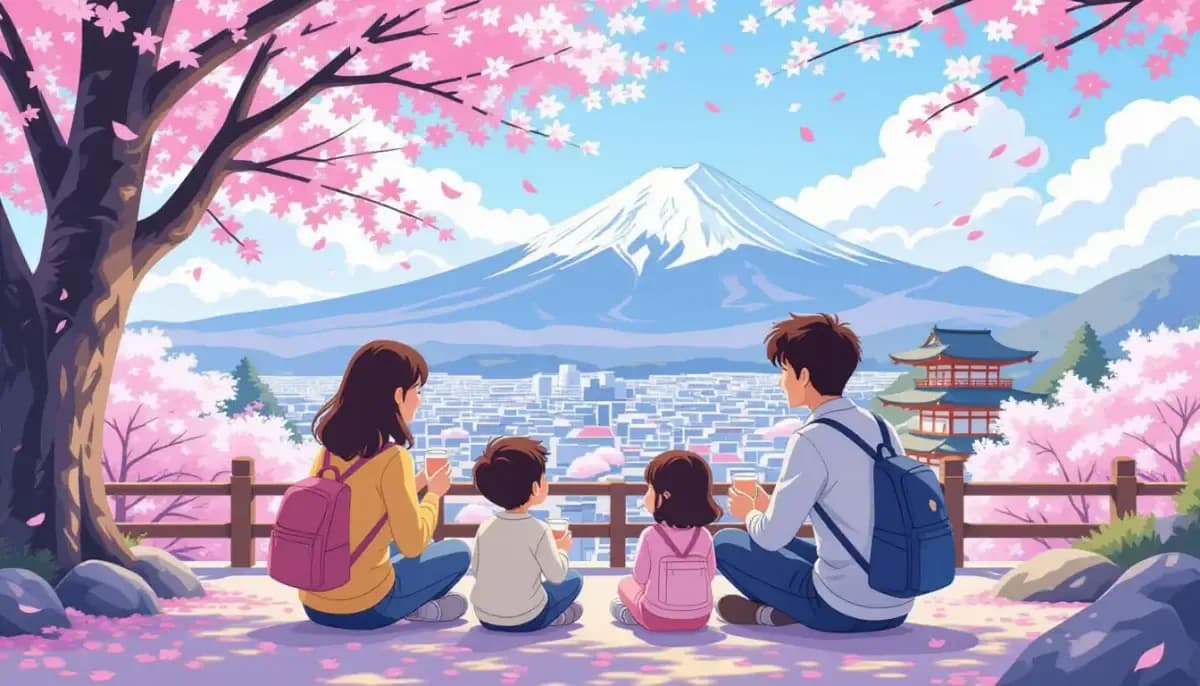
Best Seasonal Travel Destinations for Families in Japan
Discover the best seasonal travel destinations for families in Japan. From spring cherry blossoms to winter snow festivals, explore Japan's top family-friendly spots season by season.
Read more →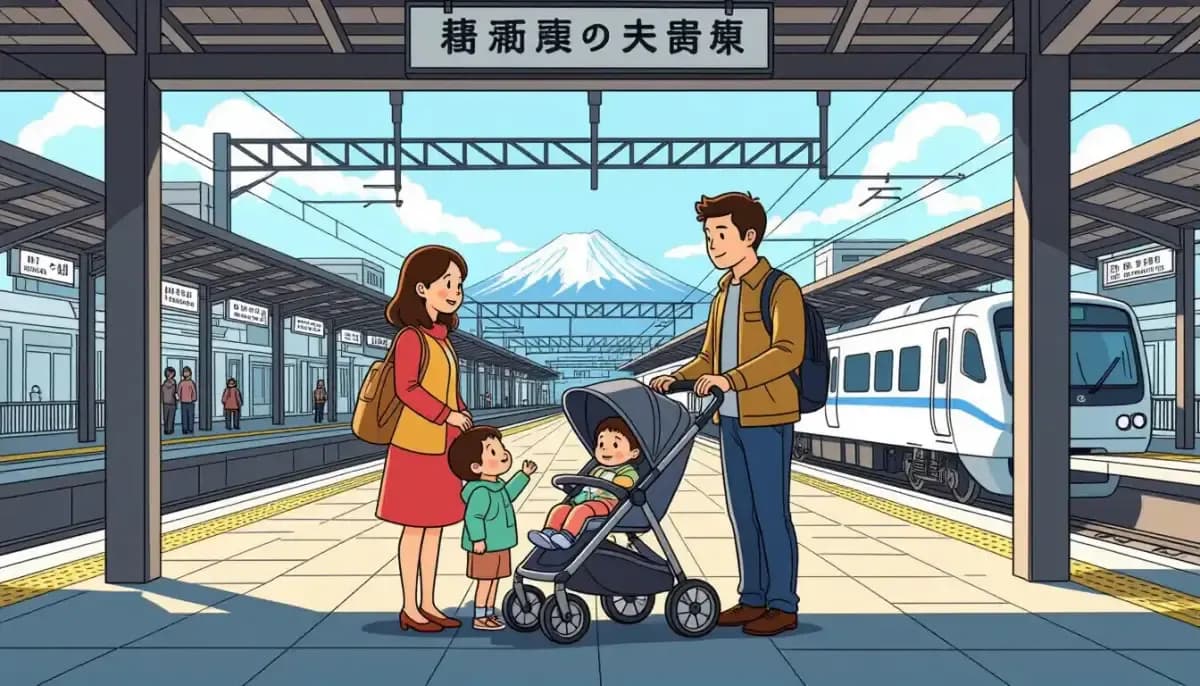
Traveling with Babies and Toddlers in Japan
Everything you need to know about traveling with babies and toddlers in Japan — transport, accommodation, feeding, changing facilities, best destinations, and practical tips for foreign families.
Read more →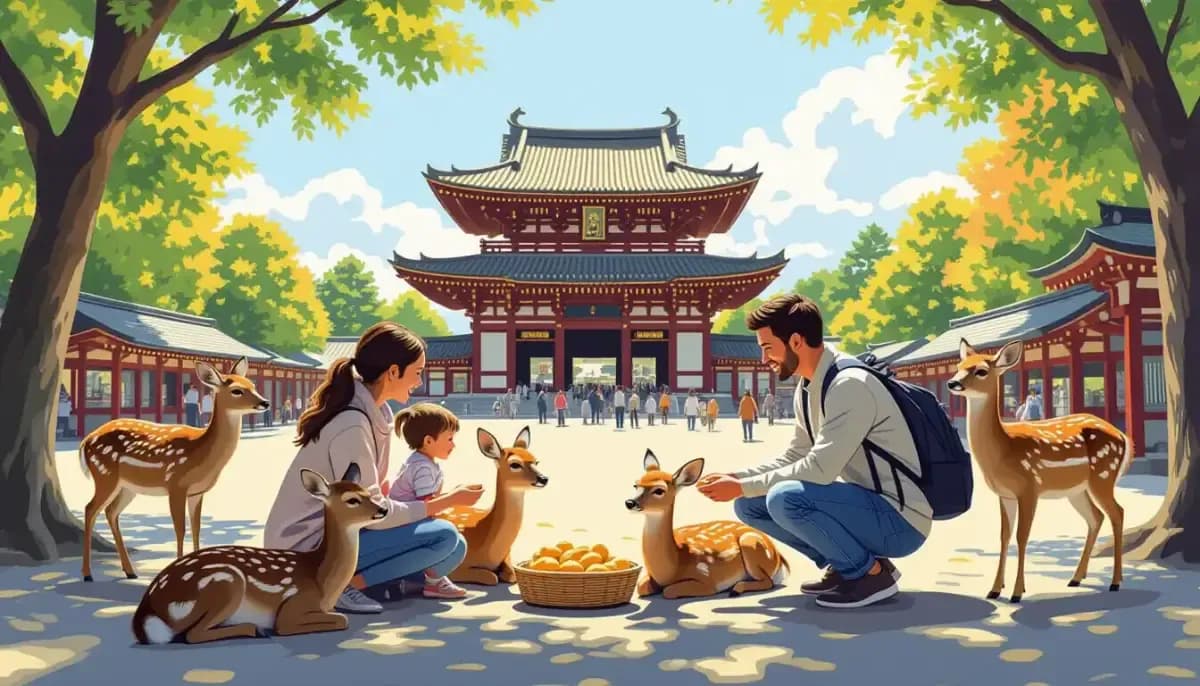
Best Day Trips from Osaka with Kids
Discover the best day trips from Osaka with kids — Nara's deer park, Kobe's Anpanman Museum, Kyoto temples, Himeji Castle, and Iga ninja village. Train times, tips, and family advice.
Read more →
Camping with Children in Japan: Best Sites and Tips
Complete guide to camping with children in Japan for foreign families. Discover the best family-friendly campsites, booking tips, gear advice, campsite rules, and what to expect as an expat camping with kids in Japan.
Read more →
Planning a Road Trip with Kids in Japan
Everything foreign families need to know about planning a road trip in Japan with kids — IDP requirements, car rentals, child seat laws, best routes, and family-friendly tips.
Read more →
Family-Friendly Hotels and Ryokan in Japan
Find the best family-friendly hotels and ryokan in Japan. Learn about private onsen, age policies, pricing, booking tips, and top destinations for families traveling with children.
Read more →