
Camping with Children in Japan: Best Sites and Tips

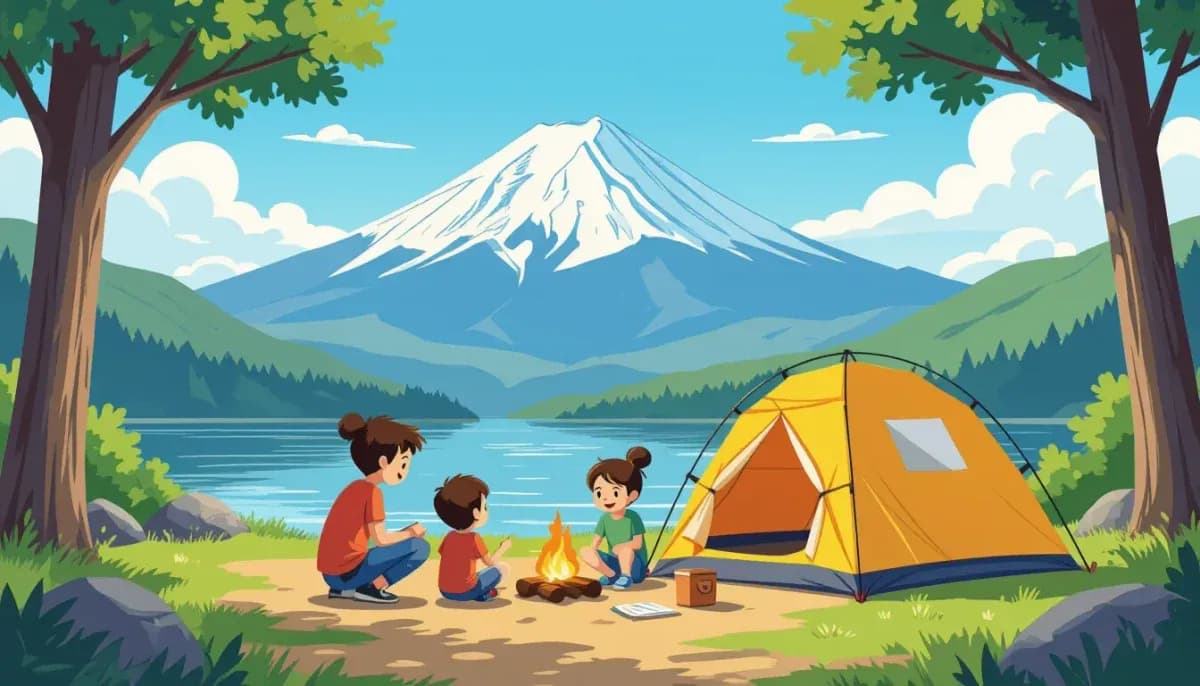
Complete guide to camping with children in Japan for foreign families. Discover the best family-friendly campsites, booking tips, gear advice, campsite rules, and what to expect as an expat camping with kids in Japan.
Camping with Children in Japan: Best Sites and Tips
Japan's great outdoors offer an extraordinary backdrop for family adventure. With over 3,270 designated campsites scattered across the country — from Hokkaido's wild northern forests to Okinawa's subtropical coastlines — Japan has quietly become one of the most rewarding camping destinations in Asia. For foreign families living in Japan, camping with children is not just accessible; it's one of the most affordable and enriching ways to explore the country beyond city limits.
This guide covers everything you need to know to plan a successful camping trip with your kids in Japan: the best family-friendly campsites, practical logistics, seasonal timing, gear tips, and the unspoken cultural rules that will keep everyone happy at the campground.
Why Camping Is Perfect for Families with Children in Japan
In 2021, 6.8 million people went camping in Japan — and 43.6% of those campers brought children, making families the single largest camping demographic in the country. This is no coincidence. Japan's camping infrastructure has been built with families in mind, and most established campsites offer child-friendly amenities that would surprise first-time visitors.
Benefits of camping with children in Japan:
- Nature immersion: Japan's forests, rivers, and coastlines provide sensory-rich environments that children in dense urban areas rarely experience
- Affordable family travel: The average family camping stay costs approximately ¥5,041 per night for two adults and two children — far cheaper than hotels
- Cultural learning: Many campsites incorporate traditional crafts, satoyama farming, and fire-making workshops that deepen children's understanding of Japanese rural life
- Screen-free time: Camping in Japan's mountainous areas typically means poor phone signal — a blessing many parents welcome
For foreign families especially, camping offers a side of Japan that tourist attractions rarely show. You'll shop at local JA (agricultural cooperative) markets, chat with Japanese families at the communal sink, and watch your children befriend kids who don't share a language.
For more on raising children in Japan and navigating family life as a foreigner, see our guide on outdoor activities and extracurricular activities for children in Japan.
Understanding Campsite Types in Japan
Before booking, it helps to understand how Japanese campsites are categorized. The setup is quite different from camping in North America or Europe.
| Campsite Type | Description | Best For | Typical Cost |
|---|---|---|---|
| Auto Campsite (オートキャンプ場) | Car parked next to tent, usually with electricity and water | Families with young children, gear-heavy trips | ¥3,000–¥6,000/site/night |
| Free/Low-Cost Sites | Basic facilities or none, first-come-first-served | Experienced campers, minimal gear | Free–¥1,000/person |
| Bungalow / Cabin Site | Wooden cottage with beds, no need for tent | First-timers, rainy weather trips | ¥4,000–¥15,000/night |
| Glamping | Pre-set luxury tents with bedding, AC, sometimes meals | Families wanting comfort | ¥15,000–¥50,000/person |
| Day Camping (日帰りキャンプ) | Daytime BBQ/activities, no overnight stay | Introducing children to camping | ¥500–¥5,000/person |
For families with young children, auto campsites are the gold standard. The ability to park your car directly beside your tent means you can unload a stroller, pack-and-play, diaper bag, and cooler without hauling gear across a campground. Most auto campsites also have electric hookups, clean toilet blocks, and often shower facilities.
Day camping is worth highlighting for families with very young children or those new to Japanese camping culture. Many premium campsites offer daytime-only packages where you can BBQ, do activities, and use facilities without the pressure of an overnight stay — a great way to test the waters.
Best Family-Friendly Campsites in Japan
Japan's family-friendly campsites span every region and price point. Below are standout options by area:
Kanto Region (Near Tokyo)
Kenny's Family Village (Hanno, Saitama) is one of the most consistently praised family campsites near Tokyo. It features a natural river swimming pool, equipment rental, log cabin accommodation, and regular events for children. Nightly rates range from ¥3,850 for basic sites to ¥15,400+ for larger plots.
Nagatoro Auto Camp (Chichibu, Saitama) sits along the Arakawa River with access to canoeing and kayaking. Bungalows accommodate groups from 2 to 40 people — excellent for multi-family trips.
Shimizu Park (Chiba) offers a massive adventure playground, roofed BBQ facilities, and accommodation from ¥4,000 to ¥20,000 per night. The combination of playground and campground makes it unusually child-centric.
Hikawa Campground (Okutama, Tokyo) is accessible by public transport — just 6 minutes from JR Okutama Station — making it viable for car-free families.
Fuji Five Lakes / Yamanashi
The Fuji Five Lakes area offers some of the most scenic camping in Japan with Mount Fuji as backdrop. Koan Campground on Lake Motosu is highly regarded for its views, water sports, and reliable summer activities.
The Asagiri Plateau further west offers cooler temperatures and multiple campsite clusters, many of which cater specifically to families.
Hokkaido
RECAMP Sunayu on the shores of Lake Kussharo combines beach camping, natural hot spring bathing, and paddleboarding — a spectacular combination for families. Snow Peak Tokachi Poroshiri near Obihiro is a premium option offering hands-free camping plans with full gear provision and on-site staff guidance, ideal for camping newcomers.
Kansai and Beyond
Lake Biwa in Shiga Prefecture (easily reachable from Osaka and Kyoto) is a camping hotspot with fishing, kayaking, and cycling infrastructure around the lake. For families based in western Japan, this is an obvious choice for a weekend escape.
For detailed guides on campsites by region, MATCHA's campsite roundup and the Japan Tourism Organization's camping guide are excellent English-language resources.
Booking and Planning: Practical Logistics for Foreign Families
How to Book
Nearly 60% of Japanese campers now reserve online. The main platforms include:
- Nap Camp (なっぷ) — Japan's largest campsite booking platform with some English interface
- Auto Camp Japan — English-friendly booking platform popular with expat families
- Japan Camp Easy — Full English concierge service for foreign residents
Book 2–3 months in advance. Many popular campsites open reservations exactly 90 days ahead at midnight, and slots fill within hours for peak periods.
When to Go
| Season | Conditions | Notes for Families |
|---|---|---|
| Spring (Mar–May) | Mild, cherry blossoms, low insects | Peak Golden Week demand — book early |
| Summer (Jul–Aug) | Hot, humid, insects active | Corresponds with school holidays; riverside/mountain sites preferred |
| Autumn (Sep–Nov) | Ideal temperatures, fall foliage | Best overall season for families |
| Winter (Dec–Feb) | Cold, quiet campsites | Requires specialist gear; not recommended for young children |
Golden Week (late April to early May), Obon (mid-August), and school summer holidays (late July–August) are the three peak periods when popular campsites book out weeks in advance. Spring and autumn offer the best combination of weather and availability.
What to Know About Rules
Japanese campsite culture has specific etiquette that's worth understanding before you arrive:
- Quiet hours (10 PM–6 AM) are strictly enforced. Children who wake early or cry at night are generally understood, but loud music or adult gatherings past 10 PM are genuinely frowned upon
- Open fires on the ground are prohibited at most sites. You must use a portable fire pit (焚き火台), which you can rent or purchase at outdoor stores like Snow Peak, Montbell, or Workman
- All trash goes home with you. There are no campsite trash bins at most sites. Bring garbage bags and sort your waste correctly (burnable, non-burnable, PET bottles, cans)
- Cash is often required. Many rural campsites don't accept cards. Budget ¥10,000–¥20,000 in cash for a family weekend
For comprehensive advice on navigating daily life in Japan as a foreign family, Living in Nihon covers leisure and entertainment options for expats. If you're considering employment options that give you more family time, For Work in Japan covers work-life balance topics relevant to foreign residents.
What to Pack: Gear Guide for Japan's Campgrounds
Japan has an exceptional outdoor gear market. Brands like Snow Peak (Japanese-made, high-end), Montbell (Japanese outdoor standard), Coleman Japan (budget-friendly), Logos (family-oriented), and Workman (extremely affordable) give you plenty of options whether you're renting or buying.
For families, prioritize:
- Child-sized sleeping bags: Japanese summers are humid; children overheat easily. Look for sleeping bags rated for 15°C+ in summer
- Ground sheets and foam mats: Especially important for babies and toddlers sleeping on uneven terrain
- Insect repellent and after-bite treatment: Mosquitoes are aggressive in summer and near water; Japanese brands like Skin Vape and Kin-Cho work well
- Rain gear for everyone: Japan's weather is unpredictable; even clear forecasts can change
- Headlamps: One per person, including children — navigating to bathrooms at night is significantly more fun with a personal light
Day camping tip: If you're just starting out, don't invest in gear before trying a day camping session. Many auto campsites rent full equipment sets (tent, sleeping bags, cooking gear) for ¥3,000–¥8,000 per set, which lets you test preferences before purchasing.
For study-related activities to enrich your children's time in Japan outside of school, see our resource on teaching Japanese to foreign children.
Tips Specific to Foreign Families Camping in Japan
Camping as a foreign family in Japan is overwhelmingly positive, but a few points are worth flagging:
Language barriers at check-in: Most campsite staff speak limited English. Print your reservation confirmation in Japanese or prepare a simple phrase like 「予約しています、[名前]です」 (Yoyaku shite imasu, [name] desu) — "I have a reservation, my name is [name]."
Food and shopping: Many rural campsites are located far from convenience stores. Stock up on food and supplies before leaving the city. Local JA markets near campsites often sell fresh seasonal produce at excellent prices — a highlight for curious children.
Cultural inclusivity: Japanese campground communities are generally warm and curious about foreign families. Don't be surprised if neighboring campers offer food, share campfire tools, or invite your children to join their activities. This spontaneous generosity is one of camping's greatest gifts in Japan.
Public transport camping: While most families drive to campsites, several popular sites near Tokyo are accessible by train, including Hikawa Campground in Okutama and sites near Chichibu. The Japan Tourism Organization's camping page lists some public-transport-accessible options.
For families considering how outdoor experiences connect to your children's development in Japan, the guide on outdoor activities and extracurriculars for children in Japan provides additional context on how Japanese society values nature-based education. You can also explore mental health and emotional wellbeing for foreign children in Japan for research on nature's role in children's psychological development.
Academic resources on outdoor education and expat parenting in Japan are also collected at Chuukou Benkyou, which covers educational resources for families in Japan. For more on raising children with rich extracurricular lives, see our article on extracurricular activities for children in Japan.
Getting Started: Your First Family Camping Trip in Japan
If this is your family's first time camping in Japan, here's a simple roadmap:
- Start with a day camping experience at a nearby campsite to gauge your children's enthusiasm and your own logistics comfort level
- Book an auto campsite with cabin option so you have a backup if tent setup proves challenging
- Choose a site near Tokyo, Osaka, or your home city for the first trip — minimize driving distance to reduce stress
- Pack light, rent what you can — most established family campsites have gear rental
- Go in autumn (October or November) for the most forgiving weather conditions
The family-friendly campsite guide at Forest Outdoor and the comprehensive camping guide for foreigners at Japan Living Life are both excellent resources for drilling down into specific site recommendations and logistics.
Japan's campsites are waiting for you — and there's a very good chance your children will return home asking to go back before you've even finished unpacking.

Originally from Vietnam, living in Japan for 16+ years. Graduated from Nagoya University, with 11 years of professional experience at Japanese and international companies. Sharing practical information for foreign parents raising children in Japan.
View Profile →Related Articles
Best Seasonal Travel Destinations for Families in Japan
Discover the best seasonal travel destinations for families in Japan. From spring cherry blossoms to winter snow festivals, explore Japan's top family-friendly spots season by season.
Read more →
Traveling with Babies and Toddlers in Japan
Everything you need to know about traveling with babies and toddlers in Japan — transport, accommodation, feeding, changing facilities, best destinations, and practical tips for foreign families.
Read more →
Best Day Trips from Osaka with Kids
Discover the best day trips from Osaka with kids — Nara's deer park, Kobe's Anpanman Museum, Kyoto temples, Himeji Castle, and Iga ninja village. Train times, tips, and family advice.
Read more →
Best Day Trips from Tokyo with Kids
Discover the best day trips from Tokyo with kids — Hakone, Kamakura, Kawagoe, Nikko, and more. Complete family guide with age recommendations, train tips, and seasonal advice for foreign parents in Japan.
Read more →
Planning a Road Trip with Kids in Japan
Everything foreign families need to know about planning a road trip in Japan with kids — IDP requirements, car rentals, child seat laws, best routes, and family-friendly tips.
Read more →
Family-Friendly Hotels and Ryokan in Japan
Find the best family-friendly hotels and ryokan in Japan. Learn about private onsen, age policies, pricing, booking tips, and top destinations for families traveling with children.
Read more →