
Public vs Private Schools in Japan: Which Is Right for Your Child?

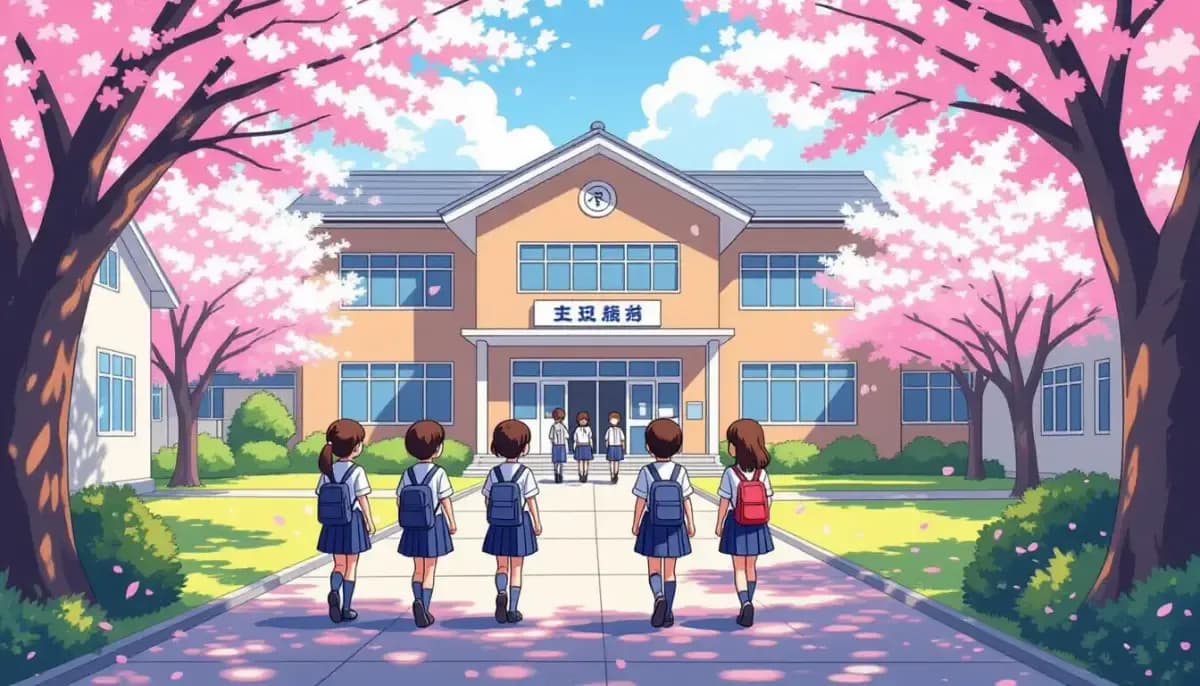
Compare public and private schools in Japan for foreign families. Detailed cost breakdown, curriculum differences, admissions process, and practical tips to choose the right school for your child.
Public vs Private Schools in Japan: Which Is Right for Your Child?
Choosing between public and private schools in Japan is one of the biggest decisions foreign families face. With tuition costs differing by as much as 4.7 times at the elementary level and each system offering distinct advantages, understanding the key differences is essential before enrolling your child. This comprehensive guide breaks down costs, curriculum, admissions, and practical considerations to help you make the best choice for your family.
Understanding Japan's School System Structure
Japan's compulsory education covers six years of elementary school (ages 6–12) and three years of junior high school (ages 12–15). High school (ages 15–18) is not compulsory but is attended by over 98% of students. Both public and private schools exist at every level, though the balance between them varies significantly by region.
Nationally, about 65% of high school students attend public schools and 35% attend private institutions. However, in Tokyo and other major metropolitan areas, private school enrollment exceeds 50%. For foreign families, the choice often depends on language ability, budget, and long-term plans in Japan.
For a broader overview, see our complete guide to the Japanese education system.
Cost Comparison: Public vs Private Schools
Cost is typically the most significant factor for families. The differences are substantial across all school levels.
| School Level | Public (Annual) | Private (Annual) | Cost Ratio |
|---|---|---|---|
| Kindergarten | ¥165,126 | ¥308,909 | 1.9x |
| Elementary School | ¥352,566 | ¥1,666,949 | 4.7x |
| Junior High School | ¥538,799 | ¥1,436,353 | 2.7x |
| High School | ¥512,971 | ¥1,054,444 | 2.1x |
Source: Ministry of Education 2021 survey of 27,000 households (Nippon.com)
Over a full 15-year education from kindergarten through high school, private schooling costs approximately ¥18.4 million compared to ¥5.7 million for public — more than three times as expensive. The largest gap occurs at the elementary level, where private schools cost nearly five times as much as public ones.
Public high school tuition is essentially free after the government's ¥9,900/month subsidy. For private high schools, families earning under ¥5.9 million annually can receive subsidies of up to ¥396,000 per year, with the subsidy cap increasing to ¥457,000 under recent reforms.
For more on planning education finances, check out Education Fund Planning for Children in Japan on Living in Nihon.
Curriculum and Teaching Approach
Public Schools
Public schools follow a standardized national curriculum set by MEXT (Ministry of Education, Culture, Sports, Science and Technology). All instruction is conducted entirely in Japanese. The curriculum emphasizes:
- Core academics (Japanese language, mathematics, science, social studies)
- Moral education and group harmony
- Physical education and school lunch together
- English language classes starting from 3rd grade (as a subject from 5th grade)
Class sizes in public schools can reach up to 35–40 students per class. Teachers rotate between schools every few years, which maintains consistency but means your child's teacher will change.
Private Schools
Private schools have more flexibility in their curriculum. While they still must meet MEXT standards, many offer:
- Specialized academic tracks (science, arts, international studies)
- Smaller class sizes (typically 20–30 students)
- Bilingual or English-immersion programs at select schools
- Integrated elevator systems (escalator schools) from elementary through university
- More extracurricular options and modern facilities
Some elite private schools like Keio, Waseda-affiliated, and ICU High School offer programs specifically designed for returnee students and international families.
For families considering the international school route instead, our guide to international schools in Japan covers that option in detail.
Admissions Process and Requirements
Public School Enrollment
Enrolling in a public school is relatively straightforward for foreign residents:
- Residency requirement: You must live within the school's designated district with a registered address
- Visa status: The child (or parent) must hold a long-term visa — tourist and short-term visas are not accepted
- Age eligibility: The child must be the correct age for their grade level
- Application: Submit enrollment through your local Board of Education (教育委員会)
- No entrance exam for elementary and junior high school
Public schools are obligated to accept foreign children living in their district. Contact your local ward or city office to begin the process.
Private School Admissions
Private schools have a more competitive and complex admissions process:
- Entrance examinations are required at most private schools, even at the elementary level
- Application period: Usually December–January for April enrollment
- Interview: Many schools interview both parents and children
- Academic requirements: Students must demonstrate completion of nine years of schooling (or equivalent) for high school entry
- Fees: Application fees (¥20,000–30,000) plus enrollment fees (¥100,000+) upon acceptance
For foreign students, some prefectures including Tokyo and Saitama offer special entrance exam tracks. Learn more about the returnee and foreign student exam system at Chuukou Benkyou.
Language Considerations for Foreign Children
Language is often the deciding factor for expat families. In public schools, all instruction is in Japanese, which means your child needs functional Japanese ability to keep up academically.
Key language facts for foreign families:
- 114,853 international students were enrolled in Japanese public schools in 2023, up 23% from the previous year
- 41.5% of international students require additional Japanese-language support
- Many public schools offer supplementary Japanese classes (日本語指導), but availability varies by area
- Students generally need at least JLPT N4 level Japanese to manage in a classroom setting
- Major cities like Tokyo, Osaka, and Nagoya have better support systems for foreign students
If your child has limited Japanese ability, a private school with an international program or bilingual track may provide a smoother transition. Some private schools specifically cater to returnee students (帰国子女) and offer English-medium instruction in certain subjects.
For strategies on building your child's Japanese skills, see our guide on teaching Japanese to foreign children. If you're focused on maintaining your home language alongside Japanese, our article on raising bilingual children in Japan offers practical strategies.
Pros and Cons at a Glance
Public Schools
Pros:
- Essentially free tuition (government subsidized)
- Full Japanese language immersion
- Strong community bonds with neighborhood families
- Consistent national curriculum quality
- Walking distance from home
Cons:
- Large class sizes (35–40 students)
- All instruction in Japanese only
- Limited support for non-Japanese speakers (varies by area)
- Less flexibility in curriculum
- No choice of school within the district
Private Schools
Pros:
- Smaller class sizes and more individual attention
- Curriculum flexibility and specialized programs
- Better facilities and resources
- Escalator system can reduce exam stress
- Some offer bilingual or international programs
Cons:
- Significantly higher costs (3–5x public school)
- Competitive entrance exams required
- Commuting may be required (not neighborhood-based)
- Social pressure and academic expectations can be intense
- Not all private schools are better than public ones
Making the Decision: Key Factors to Consider
When deciding between public and private schools, consider these practical questions:
How long will you stay in Japan? If you plan to stay long-term (5+ years), public school offers deep cultural integration. For shorter stays, a private school with international programs may be more practical. For comprehensive guidance on family life planning, see Family Life in Japan for Foreigners on For Work in Japan.
What is your child's Japanese level? Children with strong Japanese skills thrive in public schools. Those still learning may benefit from private schools with language support or bilingual programs.
What is your budget? Public school is nearly free, while private schooling can cost ¥18.4 million over 15 years. Factor in additional costs like uniforms (¥40,000–50,000), school lunches, and cram school (塾) fees.
What are your child's academic goals? If aiming for a specific university, an affiliated escalator school can provide a direct pathway. Public schools offer excellent preparation for national university entrance exams.
Where do you live? In rural areas, public schools may be the only realistic option. In Tokyo, the variety of private and international schools gives families many more choices.
For families with younger children still exploring early education options, our guides on daycare in Japan and kindergarten options provide helpful starting points.
Getting Started: Next Steps for Foreign Parents
- Research your local options: Visit your ward office (区役所) to learn about nearby public schools and available language support
- Attend school open days: Both public and private schools hold open houses (学校説明会) — usually in spring and autumn
- Talk to other foreign parents: Join local parent groups or online communities for firsthand experiences
- Consider a trial period: Some families start with public school and transfer to private if needed
- Prepare for entrance exams early: If considering private schools, begin exam preparation at least one year in advance
- Check for high school exam details: For older children, our guide on high school options for foreign families covers the application process
Whether you choose public or private education, Japan's school system consistently ranks among the world's best. Both paths offer your child a rigorous education, strong social skills, and invaluable cultural experiences. The right choice ultimately depends on your family's unique circumstances, goals, and resources.
For more detailed information about specific school levels, explore our guides on elementary school and junior high school for foreign families.

Originally from Vietnam, living in Japan for 16+ years. Graduated from Nagoya University, with 11 years of professional experience at Japanese and international companies. Sharing practical information for foreign parents raising children in Japan.
View Profile →Related Articles
Recent Japanese Education Reforms That Affect Foreign Children
Comprehensive guide to recent Japanese education reforms that affect foreign children, including free high school tuition, GIGA School program, JSL support expansion, and special exam pathways for expat families.
Read more →
How to Transfer Schools in Japan as a Foreign Family
Complete guide to transferring schools in Japan for foreign families. Learn the required documents, step-by-step process, best timing, and tips for a smooth school transition in Japan.
Read more →
School Fees and Education Costs in Japan Breakdown
Complete breakdown of education costs in Japan for foreign families. Compare public, private, and international school fees from kindergarten through high school with real cost data.
Read more →
Understanding Japanese Report Cards and Academic Evaluation
Understand Japanese report cards (tsushinbo), grading scales, evaluation criteria, and naishoten scores. A complete guide for foreign parents navigating academic assessment in Japanese schools.
Read more →
Homework and Study Habits in Japan: What to Expect
A complete guide to homework and study habits in Japanese schools for foreign families. Learn about daily homework amounts, summer assignments, juku cram schools, and tips for supporting your child.
Read more →
Japanese Classroom Culture and Etiquette Your Child Should Know
A complete guide to Japanese classroom culture and etiquette for foreign families. Learn about bowing rituals, school cleaning duties, lunch customs, dress codes, and how to prepare your child for school in Japan.
Read more →