
Japanese Language Classes for Foreign Children in Japan

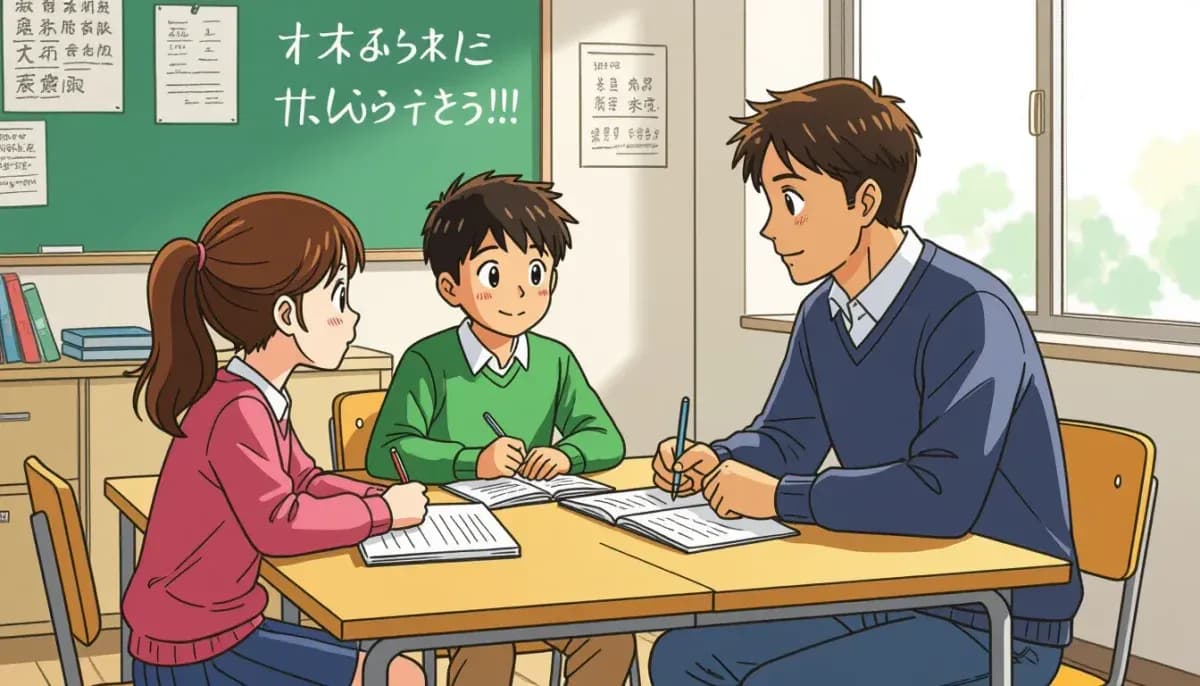
Complete guide to Japanese language classes for foreign children in Japan: public school support, private schools, NPO programs, online resources, and home strategies to help your child learn Japanese.
Japanese Language Classes for Foreign Children in Japan: A Complete Guide
Moving to Japan with children is an exciting adventure, but one of the biggest challenges foreign families face is helping their kids learn Japanese. Whether your child is starting elementary school, entering junior high, or simply needs to communicate with neighbors and friends, finding the right Japanese language classes can make all the difference. This guide covers everything you need to know about Japanese language classes for foreign children in Japan — from public school support programs to private lessons, online options, and community resources.
The Growing Need for Japanese Language Support in Japan
Japan's foreign population has grown dramatically in recent years. As of the end of 2024, foreign nationals in Japan reached approximately 3.77 million, an increase of 358,000 from the previous year. With this surge comes a corresponding rise in foreign children enrolled in Japanese public schools — roughly 129,000 children in fiscal 2024 alone, a 9% increase year-over-year.
The demand for Japanese language support has doubled over the past decade. In fiscal 2023, about 70,000 students required dedicated Japanese language instruction in public schools. Despite this growing need, support programs are uneven across the country. Approximately 70% of schools serving foreign children have four or fewer such students, making it difficult to allocate dedicated language teachers or bilingual aides.
Regional disparities are stark. Urban areas like Tokyo and Aichi generally offer more robust language support systems, while rural prefectures have seen rapid increases in foreign students without proportional increases in support staff. Tottori, for example, saw a 2.4x increase in foreign students needing language support between 2021 and 2023.
Understanding this landscape helps parents set realistic expectations and be proactive about finding supplementary language support for their children.
Japanese Language Support in Public Schools
When a foreign child enrolls in a Japanese public school, the school is required to provide some level of Japanese language support — though the quality and extent of that support varies widely.
School Readiness Programs
From fiscal 2024, the Japanese Ministry of Education introduced a school readiness program for newly arrived foreign children. Before starting school, children receive 20 days of intensive Japanese language instruction covering essential vocabulary for school life: greetings, asking for help, understanding basic instructions, and reporting health issues to teachers. This gives children a foundation before immersion begins.
In-School Language Support Classes
Many public schools offer pull-out Japanese language support classes, where children are temporarily removed from the regular classroom to receive targeted language instruction. The frequency and quality of these classes depend heavily on:
- The school's budget and staff
- The number of foreign students enrolled
- The availability of certified Japanese language teachers
To find out what your school offers, speak directly with the principal or homeroom teacher, or contact your local Board of Education (kyoiku iinkai). Some schools have bilingual support staff who can assist with translation and cultural bridging.
For a broader overview of how the Japanese public school system works for foreign families, see our Complete Guide to the Japanese Education System.
Private Japanese Language Schools for Children
For families who want structured, dedicated Japanese instruction outside of school hours, private Japanese language schools are the most comprehensive option.
Types of Private Language Schools
| Type | Target Age | Cost (approx) | Schedule |
|---|---|---|---|
| Full-time language schools | 15+ (some from 12) | ¥150,000–200,000 / 3 months | Weekdays, full-day |
| After-school language classes | 6–15 | ¥10,000–30,000 / month | Weekday evenings |
| Weekend language schools | All ages | ¥5,000–20,000 / month | Saturday or Sunday |
| Online Japanese tutoring | All ages | ¥2,000–8,000 / hour | Flexible |
| Community-based classes (NPO) | All ages | Free or low-cost | Varies |
Full-time Japanese language schools (日本語学校, nihongo gakkou) are primarily designed for adult learners and university-prep students, but some accept older children and teenagers. The typical tuition is around ¥150,000–200,000 for a 3-month full-time program, with registration fees of ¥5,000–20,000 and annual insurance fees around ¥10,000.
For younger children (ages 6–12), specialized after-school or weekend programs are more appropriate. These focus on conversational Japanese, hiragana/katakana reading, and basic kanji, using age-appropriate teaching methods like games, songs, and visual aids.
For more in-depth approaches to teaching your child Japanese at home and in school, visit our article on Teaching Japanese to Foreign Children.
NPO and Community-Based Japanese Classes
Non-profit organizations (NPOs) and community groups play a crucial role in providing Japanese language support for foreign children, especially in areas where public school programs are limited.
What NPO Classes Offer
- Free or heavily subsidized Japanese lessons
- Homework help in both Japanese and the child's native language
- Cultural orientation programs
- Social support networks for foreign families
- Volunteer tutors who often speak multiple languages
NPOs are often easier to access for families who are just arriving in Japan, as they don't require enrollment in a formal program. Many municipal offices maintain lists of local NPOs offering language support. You can also check with your ward (ku) or city office (shiyakusho) for a directory of services.
Key NPOs active in this space include organizations like CLAIR (Council of Local Authorities for International Relations) and Japan Foundation, which fund many grassroots programs at the local level.
For more on raising bilingual children in Japan, including how to balance Japanese with your home language, see our guide on Raising Bilingual Children in Japan.
Online Japanese Learning Resources for Children
Online learning has become increasingly important for expat families, especially for those in rural areas with limited access to in-person classes.
Top Online Options
Japanese learning apps for children:
- Hiragana Quest – fun app designed for young learners, introduces hiragana through characters and stories
- Kana Town – gamified hiragana and katakana practice
- LingoDeer – structured lessons for children learning Japanese from scratch
- Duolingo Kids – simple conversational Japanese, good for ages 8+
Online tutoring platforms:
- iTalki – connects children with native Japanese tutors for one-on-one lessons (typically ¥2,000–5,000/hour)
- Preply – similar platform with verified tutors and structured curricula
YouTube channels:
- "Japanese Ammo with Misa" – excellent foundational content (teens and parents)
- NHK World's "Japanese Lessons" – free, structured content for beginners
Online resources work best as a supplement to in-person instruction, not a replacement. Children typically need real human interaction and practice with peers to build true conversational fluency.
How to Choose the Right Japanese Language Program
Every child is different, and the best program depends on several factors:
Consider Your Child's Age and Learning Stage
Young children (under 7) are the fastest language learners. Immersive environments — even without formal instruction — tend to work well for toddlers and early elementary-age children. Older children benefit more from structured instruction with grammar explanations in their native language.
Assess Your Child's Current Level
- Absolute beginner: Prioritize hiragana/katakana literacy and basic conversational phrases
- Basic speaker: Focus on kanji introduction and more complex sentence structures
- Intermediate: Prepare for grade-level academic Japanese (school subjects, reading, writing reports)
Evaluate Available Programs
Questions to ask any language school or program:
- What is the teacher-to-student ratio?
- Are lessons age-appropriate (games, visuals, interaction)?
- Is there a native speaker component?
- How is progress measured?
- Can lessons be supplemented with homework?
For families managing the challenges of school transitions, our Elementary School Guide for Foreign Parents and Junior High School Guide have practical advice about navigating the Japanese school system alongside language learning.
Supporting Japanese Language Learning at Home
The classroom is only one part of language acquisition. What happens at home matters enormously.
Strategies for Home Support
Create a Japanese-rich environment:
- Label household items with Japanese names
- Watch Japanese children's TV shows (NHK's Eテレ is excellent)
- Read Japanese picture books together
- Visit Japanese libraries for children's storytelling events (読み聞かせ, yomikikase)
Build a Japanese social network:
- Arrange playdates with Japanese-speaking children
- Join neighborhood sports clubs (少年野球, swimming clubs, etc.)
- Participate in school events (文化祭, 運動会) to help your child feel connected
Acknowledge the emotional journey: Language acquisition is stressful for children. Watch for signs of withdrawal, anxiety, or frustration. Many foreign children experience a "silent period" of up to several months before starting to speak Japanese — this is completely normal. For children struggling with the emotional side of language and cultural adjustment, see our article on Mental Health and Emotional Wellbeing for Foreign Children in Japan.
What to Expect: A Language Learning Timeline
Language acquisition timelines vary, but research consistently shows:
- 3–6 months: Basic conversational ability (social survival Japanese)
- 1–2 years: Near-peer fluency for young children in immersive environments
- 3–5 years: Academic language proficiency (required for grade-level school performance)
Young children (especially under 8) often reach conversational fluency faster than adults but still need several years to match their peers academically. Be patient, stay encouraging, and celebrate small wins.
Resources and Further Reading
Japan's educational and support landscape is evolving rapidly. Here are some authoritative resources for staying up to date:
- Nippon.com: Lagging in Language Skills — Foreign Children Being Left Behind — in-depth reporting on the challenges foreign children face
- Japan Today: Students in Need of Japanese Language Support Rise to Record 69,000 — latest government statistics
- Japan Handbook: International Schools in Japan — for families considering international school alternatives
For a comprehensive overview of education and parenting options in Japan, visit Living in Nihon's guide to raising children and education in Japan for foreigners. If you're also focused on improving Japanese language skills for professional life, For Work in Japan's Japanese language skills guide is a helpful complement. For school-level Japanese exam preparation, Chuukou Benkyou's middle school exam Japanese strategies provides structured study methods.
Conclusion
Helping your child learn Japanese in Japan is one of the most valuable investments you can make in their future. Whether through public school support programs, private language schools, NPO community classes, or online resources, the options are growing alongside Japan's increasingly multicultural population. The key is starting early, being consistent, and creating a supportive environment both inside and outside the classroom.
With foreign nationals projected to comprise 10% of Japan's population by 2050, the infrastructure for Japanese language support continues to improve — but proactive parents who seek out resources will always give their children a head start.

Originally from Vietnam, living in Japan for 16+ years. Graduated from Nagoya University, with 11 years of professional experience at Japanese and international companies. Sharing practical information for foreign parents raising children in Japan.
View Profile →Related Articles
Summer Immersion Programs for Japanese Language Learning
Discover the best summer immersion programs for Japanese language learning for children and teens. From in-Japan schools to US-based camps, find the right program with costs, age requirements, and tips for expat families.
Read more →
Overcoming Japanese Language Barriers in School
A complete guide for foreign families on overcoming Japanese language barriers in school. Learn practical strategies, support resources, and what to expect for your child in Japan's education system.
Read more →
How Long Does It Take Kids to Become Fluent in Japanese?
Wondering how long it takes expat children to become fluent in Japanese? This guide covers realistic timelines by age group, immersion strategies, and tips to help your child thrive in Japan.
Read more →
Kumon and Learning Programs for Japanese Language
Explore Kumon's Japanese Language Program and other top learning options for foreigners in Japan. Costs, enrollment tips, and how to choose the right program for your child or yourself.
Read more →
Japanese Language Playgroups and Immersion Activities
A complete guide to Japanese language playgroups and immersion activities for foreign children in Japan. Find the best programs, strategies, and tips for raising bilingual kids.
Read more →
Using Anime and TV Shows to Help Kids Learn Japanese
A complete guide for foreign parents in Japan on using anime and children's TV shows to build kids' Japanese skills. Includes recommended shows by age, subtitle strategies, and practical daily habits that actually work.
Read more →