
Anti-Bullying Programs and Policies in Japanese Schools

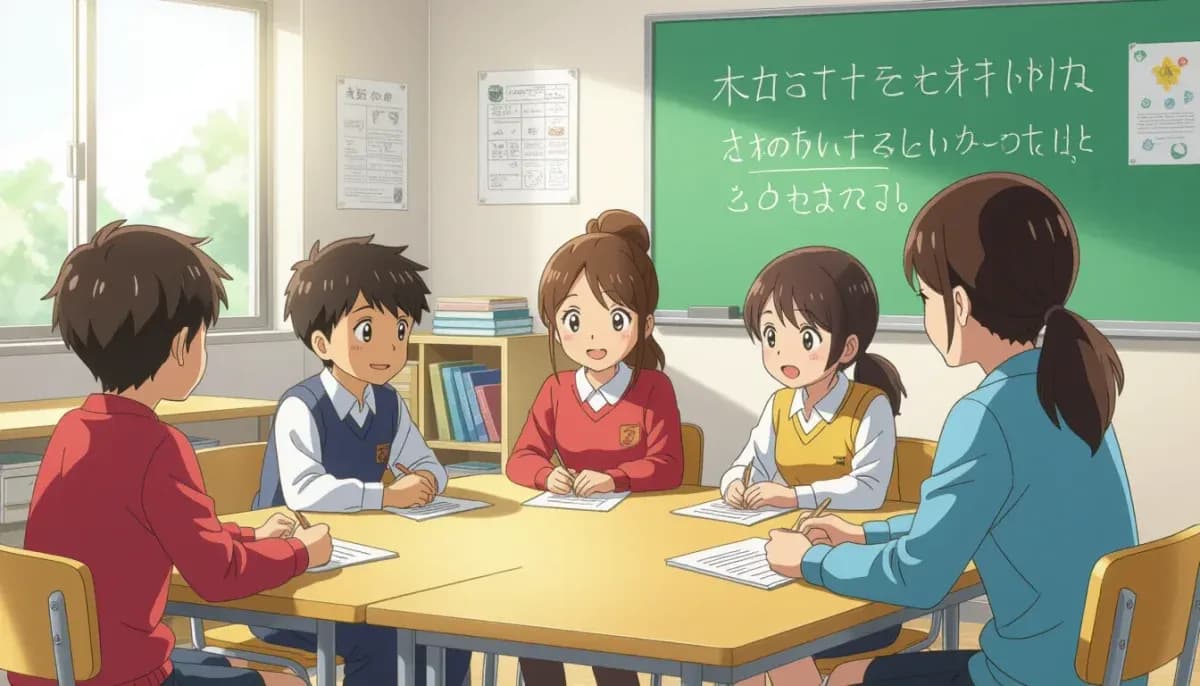
Understand Japan's anti-bullying laws, school policies, and support resources for foreign families. Learn about the 2013 Ijime Prevention Law, statistics, and what to do if your child is bullied.
Anti-Bullying Programs and Policies in Japanese Schools
Bullying — known as ijime (いじめ) in Japan — remains one of the most pressing challenges in the country's education system. In fiscal year 2024, Japanese schools reported a record-breaking 769,022 bullying incidents, a 5% increase over the previous year. For foreign families raising children in Japan, understanding how the system responds to ijime — and what protections exist — is essential knowledge. This guide breaks down Japan's official anti-bullying framework, the laws behind it, how schools implement these policies in practice, and what foreign parents can do if their child is affected.
What Is Ijime? Japan's Legal Definition
Japan's government takes a deliberately child-centered approach to defining bullying. Under the Ijime Prevention Methods Promotion Law (2013), ijime is defined as any act that causes physical or psychological suffering, as determined from the perspective of the child who feels bullied — not by external, objective criteria alone.
This is a significant distinction. It means that even behavior the school might consider "joking" or "playing" must be treated as bullying if the targeted child perceives it as harmful. The definition explicitly covers:
- Verbal harassment (insults, threats, and repeated put-downs)
- Group exclusion and the "silent treatment" (mushi)
- Physical acts disguised as play (hitting, kicking framed as games)
- Damage to or theft of personal belongings (hiding shoes or bags is a classic form)
- Online and cyberbullying via social media, messaging apps, and gaming platforms
Since 1985, the definition has expanded significantly to include off-campus incidents and online behavior — reflecting how ijime has evolved in the digital age. For more on what constitutes bullying and how it presents in schools, see our guide on Understanding Ijime: Bullying in Japanese Schools.
The 2013 Ijime Prevention Law: Japan's Core Policy Framework
Japan's primary legal instrument against school bullying is the Act for the Promotion of Measures to Prevent Bullying (いじめ防止対策推進法), which came into force on September 28, 2013. The law was a direct response to the high-profile 2011 Otsu City case, in which a 13-year-old student died by suicide after sustained bullying — and school officials were found to have covered up the evidence.
The law places clear obligations on every school in Japan:
| Obligation | Requirement |
|---|---|
| Regular surveys | Schools must conduct periodic student surveys to detect bullying |
| Immediate reporting | Suspected cases must be reported to the school board without delay |
| Response protocols | Every school must maintain a written, structured bullying-response system |
| Staff training | Continuous educator training on identifying and addressing ijime |
| Monitoring | Ongoing follow-up on cases marked "resolved" |
| External escalation | Serious cases must involve third-party committees or law enforcement |
By 2022, 96% of Japanese schools had organized staff meetings specifically dedicated to bullying prevention — one of the most common prevention measures nationally. However, critics note that formal compliance does not always translate to genuine cultural change within schools.
Learn more about the legal side in our dedicated article on Legal Protections Against Bullying in Japan.
How Schools Implement Anti-Bullying Programs
Beyond the legal minimum, Japanese schools deploy a range of practical programs. Implementation quality varies significantly between schools and school types, but the following are the most widely used approaches.
Student Surveys and Early Detection
Every public school is required to survey students about their experiences — typically two to four times per year. These anonymous questionnaires ask children whether they have experienced or witnessed bullying, and results are reviewed by homeroom teachers and school counselors. In theory, this creates an early-warning system; in practice, children may underreport for fear of social consequences.
School Counselors and Support Staff
Since 2001, MEXT (the Ministry of Education, Culture, Sports, Science and Technology) has expanded the placement of school counselors (スクールカウンセラー) and school social workers (スクールソーシャルワーカー) across public schools. These professionals provide confidential support to students and serve as a bridge between families and school administration. However, many counselors are part-time, visiting only one or two days per week.
Homeroom Teacher (Tanin) Responsibility
In Japan's school culture, the homeroom teacher (担任, tanin) carries enormous responsibility for the well-being of each student. Anti-bullying policies assign the tanin as the first point of contact and response. Teachers are trained to watch for behavioral changes, mediate disputes, and escalate to the school's bullying response committee when necessary.
Anti-Bullying Assemblies and Classroom Activities
Many schools hold regular assemblies addressing ijime, and classroom discussions are incorporated into moral education (道徳, dotoku) lessons — now a formal graded subject. Children are taught to be upstanding bystanders rather than passive witnesses, though research suggests bystander behavior (non-intervention) remains more prevalent in Japan than in many other countries.
Online and Cyberbullying Programs
Cyberbullying is the fastest-growing category of ijime. MEXT has issued guidelines requiring schools to incorporate digital literacy and online safety into their curricula. Some schools have also established rules around smartphone use during school hours. For a focused look at this topic, see our article on Cyberbullying Among Children in Japan.
Bullying Statistics: Understanding the Scale
The numbers provide important context for how serious the issue is — and how it has trended over time.
| Year | Total Reported Cases | Serious Cases | Schools Reporting Incidents |
|---|---|---|---|
| FY2019 | 612,496 | 723 | — |
| FY2021 | 615,351 | 705 | — |
| FY2022 | ~682,000 | 923 | 82.6% (30,583 of 37,011) |
| FY2024 | 769,022 | 1,405 | — |
Several factors contribute to this upward trend. Improved reporting and greater awareness mean more cases are being identified — which can be interpreted as a positive sign that the system is working. However, the rise in serious cases (from 723 to 1,405 in five years) is more troubling.
Police involvement has also increased sharply: law enforcement handled 292 bullying cases in 2023, a 66% increase from 2022. Of these, 162 involved physical assault. Additionally, 353,970 elementary and junior high school students refused school (futoko) in FY2024 — the 12th consecutive annual increase — with bullying cited as a major contributing factor.
For foreign families specifically: approximately 20,000 foreign children in Japan face non-enrollment risk, and 15.7% of municipalities fail to adequately communicate enrollment obligations to foreign residents — leaving some children outside the school system entirely and therefore outside its protective structures. See more on this at Living in Nihon's guide on school refusal and bullying resources.
Foreign Children and Ijime: Elevated Risk Factors
Foreign and mixed-heritage children face a statistically elevated risk of bullying in Japanese schools. The core driver is Japan's strong cultural emphasis on conformity — anyone who "stands out" (目立つ, medatsu) can become a target. For foreign children, this may include:
- Visible physical differences (hair color, eye color, facial features)
- Language barriers and accent
- Cultural differences in behavior, food, or clothing
- Limited fluency in Japanese social norms and unspoken rules
- Name pronunciation difficulties
Documented forms of bullying targeting foreign children include mockery of physical appearance, deliberate mispronunciation of names, exclusion from group activities, and racial harassment. Research shows that "bystander" non-intervention behavior is more common in Japanese schools than in many international contexts, meaning incidents are less likely to be interrupted by peers.
If your child is being bullied in a Japanese school, knowing how to navigate the system is critical. Our article How to Report Bullying to Japanese Schools walks through the process step by step, and Bullying of Foreign Children in Japanese Schools addresses the specific challenges foreign families face.
The For Work in Japan resource hub also provides useful guidance for foreign families navigating Japanese institutions. Additionally, Chuukou Benkyou covers the Japanese education system in detail, including how schools manage student welfare.
What to Do If Your Child Is Being Bullied
If you suspect your child is experiencing ijime, here is a practical response framework:
1. Listen and document. Talk with your child calmly and document everything — dates, incidents, names, and any physical evidence (photos, screenshots). Keep a written log.
2. Contact the homeroom teacher (tanin). This is the first formal step in Japan. Request a meeting (面談, mendan) and present your documentation. Schools are legally required to respond.
3. Escalate if needed. If the tanin does not act, escalate to the school principal (校長, kocho) or the school's bullying response committee. Under the 2013 law, schools must have formal escalation procedures.
4. Contact the Board of Education. If the school fails to act, file a report directly with the local Board of Education (教育委員会, kyoiku iinkai).
5. Use external support resources. Several organizations offer English-language support for foreign families navigating these situations.
For a detailed walkthrough of signs to watch for, see Signs Your Child Is Being Bullied in a Japanese School. For emotional recovery support, see Supporting Your Child Emotionally After Bullying.
Support Resources for Foreign Families
Navigating Japan's anti-bullying system in a foreign language is challenging. These resources provide English-language support.
| Resource | Contact | Hours |
|---|---|---|
| TELL Lifeline (English) | 0800-300-8355 | 9 a.m.–11 p.m. daily |
| Tokyo Metro Education Consultation (English) | 03-3360-4175 | 1st Friday of month, 1–5 p.m. |
| 24-Hour Children's SOS Hotline | 0120-0-78310 | 24 hours, toll-free |
| Childline Japan (under 18) | 0120-99-7777 | 4–9 p.m. daily |
| Children's Rights Hotline (Ministry of Justice) | 0120-007-110 | Weekdays 8:30 a.m.–5:15 p.m. |
| Multilingual Consultation (10 languages) | 0570-090911 | Weekdays |
TELL Japan runs dedicated anti-bullying workshops for students, parents, and educators in Japan, with specific programming for the English-speaking community. They emphasize bystander responsibility and offer counseling services to families working through bullying situations.
For broader statistical context and analysis of bullying trends, Savvy Tokyo's comprehensive guide on school bullying in Japan and Tokyo Review's 2026 report on Japan's child safety challenges are both highly recommended reads.
The Road Ahead: Systemic Challenges and Reforms
Japan's anti-bullying framework has improved substantially since 2013, but significant challenges remain:
- Underreporting and cover-ups: Despite legal mandates, some schools still underreport cases or pressure families not to escalate. The 76% "resolution" rate claimed by schools is disputed by families and advocates.
- Teacher burnout and staffing crisis: The teacher applicant-to-position ratio hit a record low of 3.4 per post in 2023. Overworked teachers have less capacity to monitor student relationships closely.
- Online bullying outpacing policy: Cyberbullying is growing faster than schools can adapt their protocols and curricula.
- Regional disparities: Implementation of anti-bullying programs varies widely between rural and urban schools, and between public and private institutions.
The Children and Families Agency (こども家庭庁), established in 2023, is developing a new regional anti-bullying coordination system that frames ijime as a whole-of-government issue rather than just a school management problem — a promising structural shift.
For the broadest overview of how Japan's education system works for children in foreign families, see our pillar guide: The Complete Guide to the Japanese Education System for Foreign Families. And for the full context on bullying prevention and response strategies, visit our hub article: Bullying (Ijime) in Japanese Schools: Prevention and Response.
Japan's anti-bullying system is evolving, and awareness is your most powerful tool as a foreign parent. Knowing the law, the procedures, and your rights puts you in the best position to advocate for your child.

Originally from Vietnam, living in Japan for 16+ years. Graduated from Nagoya University, with 11 years of professional experience at Japanese and international companies. Sharing practical information for foreign parents raising children in Japan.
View Profile →Related Articles
Recovery and Building Resilience After Being Bullied
Learn how to help your child recover from bullying (ijime) in Japan. Practical steps, support resources, and proven resilience strategies for foreign families navigating Japanese schools.
Read more →
Bullying Prevention Strategies Parents Can Use
Learn effective bullying prevention strategies for parents raising children in Japanese schools. Understand ijime culture, warning signs, school escalation steps, and English support resources for expat families.
Read more →
When to Consider Changing Schools Due to Bullying
Learn the warning signs, escalation steps, and school transfer process for bullied children in Japan. A practical guide for foreign parents navigating ijime in Japanese schools.
Read more →
Peer Pressure and Conformity Challenges in Japanese Schools
Understand how conformity culture and peer pressure affect children in Japanese schools — especially foreign and mixed-heritage kids. Practical strategies, warning signs, and expert guidance for expat families.
Read more →
The Role of Teachers in Preventing Bullying in Japan
Learn how Japanese teachers prevent and respond to bullying (ijime). Understand the 2013 law, teacher responsibilities, systemic barriers, and what foreign parents can do.
Read more →
Bullying of Foreign Children in Japanese Schools
Foreign children in Japan face a 52.2% bullying rate if they speak a non-Japanese language at home. Learn the warning signs, how to report ijime, and what resources are available to protect your child.
Read more →