
Recovery and Building Resilience After Being Bullied

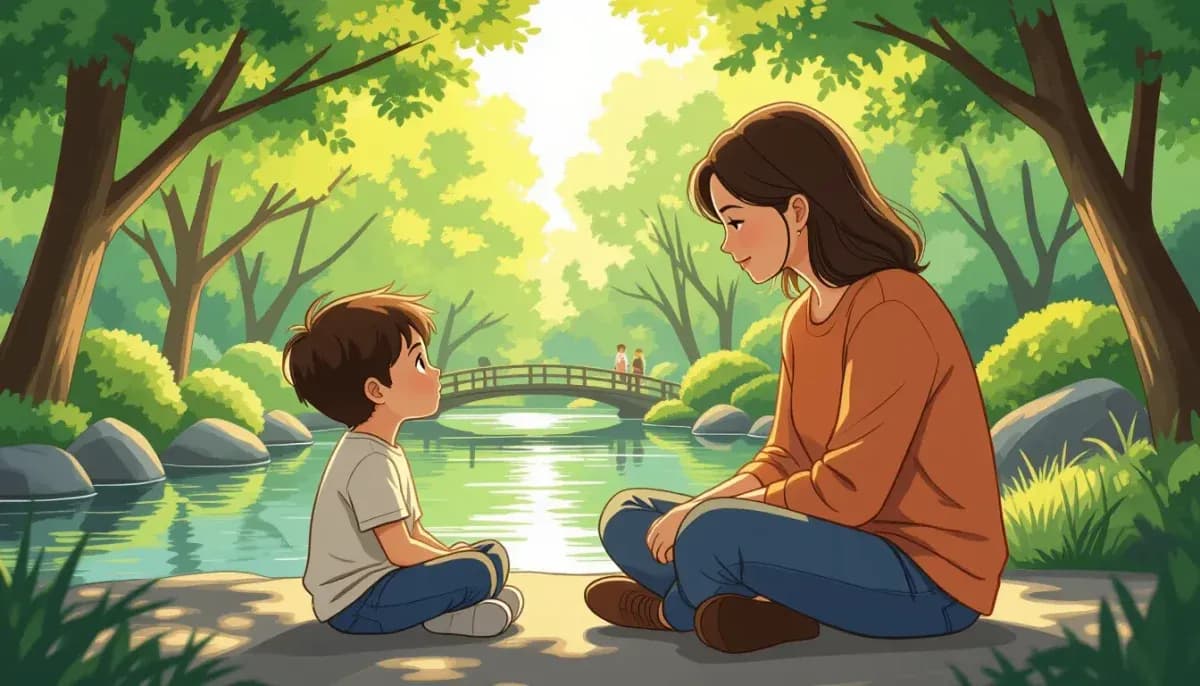
Learn how to help your child recover from bullying (ijime) in Japan. Practical steps, support resources, and proven resilience strategies for foreign families navigating Japanese schools.
Recovery and Building Resilience After Being Bullied in Japan
Being bullied is a deeply painful experience for any child, and for foreign families navigating Japan's school system, the aftermath can feel especially isolating. Whether your child experienced ijime (いじめ) — Japan's term for bullying — in an elementary school, junior high, or another setting, the path to recovery is possible. Understanding how to support your child emotionally, practically, and socially is the first step toward healing.
Japan recorded a staggering 769,022 bullying cases in FY2024, a record high. Research shows that 52.2% of bilingual or non-Japanese speaking children report being bullied, compared to 35.6% of Japanese-speaking peers. If your child has been affected, you are far from alone — and there are clear, actionable steps to help them recover and grow stronger.
Understanding the Emotional Impact of Bullying
Before recovery can begin, it helps to understand what your child may be going through. Bullying leaves psychological marks that can persist well beyond the bullying itself. Common emotional responses include:
- Anxiety and fear — especially around returning to school or social situations
- Low self-esteem — internalizing negative messages from bullies
- Depression and withdrawal — losing interest in activities they once enjoyed
- Trust issues — difficulty opening up to teachers, peers, or even parents
- Physical symptoms — stomachaches, headaches, sleep disturbances that have no clear medical cause
For children who were bullied in a foreign language environment or excluded due to being "different," there is an added layer of cultural and linguistic disorientation. These children may not have the vocabulary — in either language — to fully express what happened to them.
Research published in peer-reviewed journals confirms that without active recovery support, bullied children face elevated risks of depression, anxiety, and social withdrawal well into adulthood. In Japan specifically, unresolved bullying is linked to hikikomori (social withdrawal), a documented social phenomenon where individuals retreat entirely from social life.
Understanding this is not meant to alarm — it is meant to underscore why deliberate, sustained recovery matters so much.
Immediate Recovery Steps After Bullying
Once bullying has been identified and addressed, the recovery process begins. Here are the most important immediate steps for parents:
1. Create a Safe Space at Home
Your child needs to know that home is unconditionally safe. This means:
- Listening without judgment when they talk about what happened
- Validating their feelings ("It makes sense that you feel scared/angry/sad")
- Avoiding phrases like "Just ignore it" or "Toughen up" — these minimize real pain
- Making daily check-ins a routine: a brief, low-pressure conversation after school
2. Maintain Structure and Routine
Trauma disrupts children's sense of control. Keeping consistent daily routines — regular meal times, homework schedules, bedtimes — signals safety and predictability. If your child is reluctant to return to school, work collaboratively with the school on a gradual, supported return plan rather than forcing an abrupt re-entry.
3. Work With the School
Under Japan's 2013 Ijime Prevention Methods Promotion Law (いじめ防止対策推進法), schools are legally required to build anti-bullying systems, conduct regular surveys, and respond promptly to reports. Follow up with:
- The homeroom teacher (tantou no sensei)
- The student guidance staff (seikatsu shidou tantou)
- The school counselor (sukuuru kaunsera) if available
Request written confirmation of what steps the school has taken. For foreign families, having a trusted bilingual friend or an official interpreter at school meetings can be invaluable. For a deeper understanding of Japan's bullying problem and what schools are obligated to do, see our guide on Understanding Ijime: Bullying in Japanese Schools.
4. Seek Professional Support Early
Do not wait for symptoms to become severe before seeking help. Professional counseling provides children with a structured, expert-guided space to process their experiences. In Japan, English-language mental health support is available through organizations like TELL Japan.
Building Emotional Resilience: Long-Term Strategies
Recovery is not just about returning to where your child was before the bullying — it is an opportunity to help them build resilience they will carry for life. Resilience is not an innate quality; it is a skill that is developed through experience and support.
Encourage Extracurricular Activities
Research confirms that participation in extracurricular activities is one of the most powerful resilience factors for bullied children. In Japan, school clubs (bukatsu) and community activities offer structured social environments where children can discover competence, build friendships outside the bullying context, and restore their sense of belonging.
Consider activities that:
- Play to your child's existing strengths (art, music, swimming, etc.)
- Provide a mix of teamwork and individual achievement
- Are supervised by caring adults
If re-entering school clubs feels too soon, community-based classes — martial arts (budo), swimming at a local pool, music lessons — can provide the same social-rebuilding benefits outside the school environment.
Build a Positive Identity Beyond School
Children who have been bullied often have their sense of self tied to the bullying experience. Help your child identify and celebrate strengths and interests that exist completely outside the school context:
- Bilingual and bicultural children have unique capabilities — help them see this as an asset
- Celebrate achievements at home, however small
- Connect with communities of families from your home country through Expat Parenting Groups and Communities in Japan
Teach Coping and Problem-Solving Skills
Age-appropriate coping strategies give children agency. These include:
- Breathing exercises for managing anxiety in the moment
- Journaling — especially effective for older children who struggle to verbalize feelings
- Role-play — practicing how to respond calmly to teasing or exclusion
- Self-compassion practices — reminding children to speak to themselves as kindly as they would speak to a friend
Support Resources for Foreign Families in Japan
Access to English-language support is critical for foreign families. The following resources are available:
| Resource | Contact | Language | Notes |
|---|---|---|---|
| TELL Lifeline | 0800-300-8355 | English | 9am–11pm daily; counseling & crisis support |
| Tokyo Metropolitan Education Consultation Center | 03-3360-4175 | English | Fridays 1–5pm |
| 24-Hour Children's SOS Hotline | 0120-0-78310 | Japanese | Nationwide; free |
| ChildLine Japan | 0120-99-7777 | Japanese | Ages up to 18; 4–9pm daily |
| Anata no Ibasho | talkme.jp | Japanese/English | 24/7 anonymous text chat |
| TELL Anti-Bullying Workshops | telljp.com | English | For students, parents, and educators |
TELL Japan's Anti-Bullying Program offers workshops specifically designed for expat families, including resources for parents on how to talk to children about bullying, how to recognize warning signs, and how to support recovery. These workshops are run in English and are invaluable for foreign families who feel isolated navigating Japan's school system.
For statistics, legal context, and an overview of how Japan defines and measures ijime, the Savvy Tokyo guide to bullying in Japanese schools is one of the most comprehensive English-language resources available.
For general guidance on navigating expat life and raising children in Japan, Living in Nihon provides practical advice covering school, community, and daily life for foreign residents. For those managing career alongside parenting, For Work in Japan offers resources on work-life balance for foreign professionals. Parents looking for academic support resources for their children can explore Chuukou Benkyou, which covers supplementary education options in Japan.
Monitoring Your Child's Progress
Recovery is not linear. Expect good days and setbacks. Important signs that recovery is progressing include:
- Willingness to talk about school and social interactions
- Renewed interest in hobbies and activities
- Improved sleep and appetite
- Reduced physical complaints (stomachaches, headaches) before school
- Spontaneous positive comments about peers or school
Signs that additional support is needed:
- Persistent refusal to attend school (futoukou)
- Increasing social withdrawal at home
- Expressions of hopelessness or self-harm
- Declining academic performance despite continued effort
If you observe these warning signs, escalate support immediately. Contact your child's school counselor, a medical professional, or TELL Japan's lifeline. For broader context on recognizing emotional distress in expat children, our guide on Signs of Stress and Anxiety in Expat Children can help you identify when professional help is warranted.
The Role of Parents in Recovery
Your consistent, calm presence is the most powerful recovery tool available. Research consistently shows that warm, supportive parenting is the single greatest predictor of resilience in bullied children. This means:
- Believing your child — never minimizing or dismissing what they experienced
- Staying regulated yourself — children co-regulate with their caregivers; your calm signals safety
- Advocating without over-functioning — fight for your child at school, but also gradually coach them to advocate for themselves
- Modeling resilience — sharing (age-appropriately) your own experiences of setbacks and recovery
Foreign parents face the added challenge of navigating these conversations across languages and cultural contexts. If your child is more comfortable in your home language, hold these conversations in that language. Do not insist on Japanese. The goal is connection, not linguistic performance.
For families navigating the challenges of raising children across two cultures, our guide on Managing Different Parenting Styles Between Two Cultures offers additional perspective.
Looking Forward: From Victim to Survivor to Thriver
Recovery from bullying is a journey with a real destination. Research published in Nippon.com's analysis of Japan's bullying data confirms that approximately 80% of reported bullying cases are resolved — meaning the bullying stops and the child no longer suffers. Resolution is achievable.
Beyond resolution, many children who experience and recover from bullying develop extraordinary empathy, social awareness, and inner strength. They become children — and eventually adults — who know how to recognize injustice, support others who are struggling, and draw on inner resources in difficult times.
Your role as a parent is not to shield your child from all difficulty, but to ensure they never face it alone. With the right support — professional, social, and familial — recovery from bullying is not just possible. It is the beginning of a deeper, more resilient life.
For more on supporting your child through Japan's school system, explore our comprehensive Guide to the Japanese Education System for Foreign Families and our resources on Helping Foreign Children Make Friends in Japan.

Originally from Vietnam, living in Japan for 16+ years. Graduated from Nagoya University, with 11 years of professional experience at Japanese and international companies. Sharing practical information for foreign parents raising children in Japan.
View Profile →Related Articles
Bullying Prevention Strategies Parents Can Use
Learn effective bullying prevention strategies for parents raising children in Japanese schools. Understand ijime culture, warning signs, school escalation steps, and English support resources for expat families.
Read more →
When to Consider Changing Schools Due to Bullying
Learn the warning signs, escalation steps, and school transfer process for bullied children in Japan. A practical guide for foreign parents navigating ijime in Japanese schools.
Read more →
Peer Pressure and Conformity Challenges in Japanese Schools
Understand how conformity culture and peer pressure affect children in Japanese schools — especially foreign and mixed-heritage kids. Practical strategies, warning signs, and expert guidance for expat families.
Read more →
The Role of Teachers in Preventing Bullying in Japan
Learn how Japanese teachers prevent and respond to bullying (ijime). Understand the 2013 law, teacher responsibilities, systemic barriers, and what foreign parents can do.
Read more →
Bullying of Foreign Children in Japanese Schools
Foreign children in Japan face a 52.2% bullying rate if they speak a non-Japanese language at home. Learn the warning signs, how to report ijime, and what resources are available to protect your child.
Read more →
Supporting Your Child Emotionally After Bullying
Practical guide for expat parents on supporting children emotionally after bullying in Japan. Learn what to say, warning signs, recovery steps, and English-language help resources.
Read more →