
Supporting Your Child Emotionally After Bullying

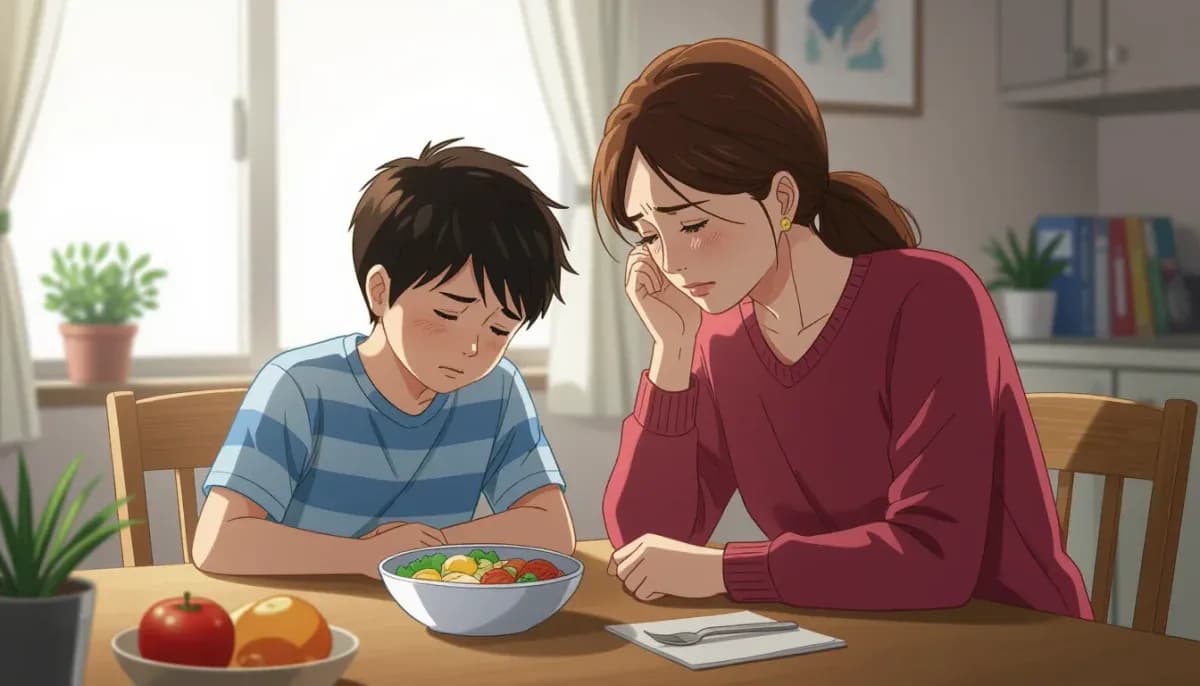
Practical guide for expat parents on supporting children emotionally after bullying in Japan. Learn what to say, warning signs, recovery steps, and English-language help resources.
Supporting Your Child Emotionally After Bullying in Japan
Discovering that your child has been bullied at school is one of the most difficult experiences a parent can face. In Japan, where bullying — known as ijime — has reached record levels, foreign families face additional challenges: navigating an unfamiliar school system, language barriers, and cultural differences that can make it harder to get help. In FY2024, Japanese authorities recorded 769,022 bullying cases nationally — the highest number ever reported. If your child is among those affected, knowing how to offer the right emotional support can make all the difference in their recovery.
This guide is written for expat and foreign parents raising children in Japan. It covers the emotional impact of bullying, what to say (and what not to say), practical recovery steps, warning signs to watch for, and where to find professional help.
Understanding the Emotional Impact of Bullying on Children
Bullying does not just hurt in the moment — it leaves lasting emotional marks. Children who are bullied often experience a mix of emotions that can be difficult to process or even name. As a parent, understanding what your child may be going through is the first step toward helping them heal.
Common emotional reactions include:
- Shame and self-blame — Many children believe they are being bullied because something is wrong with them, not their bully.
- Anxiety and fear — Children may dread going to school, worry about recurring incidents, or become hypervigilant in social settings.
- Sadness and depression — Ongoing bullying can erode a child's sense of self-worth and lead to persistent low mood.
- Anger and frustration — Some children direct anger inward or act out at home.
- Social withdrawal — Especially after social exclusion (one of the most common forms of ijime), children may pull back from friendships and activities they once enjoyed.
In Japan, bullying often takes subtle forms — verbal teasing, being left out of group activities, or online harassment via LINE — which can make children feel confused about whether what they experienced "counts" as real bullying. Validate their experience clearly: if it hurt them, it matters.
What to Say (and What to Avoid) When Your Child Opens Up
The moment your child tells you they've been bullied is critical. Your response in the first conversation can either open the door to healing or shut it — sometimes for months. Research consistently shows that children who feel heard and believed recover faster than those who feel dismissed.
Do say:
- "I'm really glad you told me."
- "I believe you."
- "This is not your fault."
- "What you're feeling makes complete sense."
- "I'm here and we'll figure this out together."
Avoid saying:
- "Just ignore them." — This minimizes the experience and leaves the child without tools.
- "You must have done something to provoke it." — Even with good intentions, this is victim-blaming.
- "It builds character." — Pain does not automatically build resilience; support does.
- "When I was a kid…" — This shifts focus away from your child's specific experience.
- "I'll fix this right now." — Promising immediate action can feel threatening to a child who fears retaliation.
Give your child space to talk at their own pace. Ask open questions: "Can you tell me more about what happened?" rather than interrogating them with "Why didn't you fight back?"
For more on navigating the Japanese school system as a foreign parent, see our guide on elementary school in Japan or junior high school in Japan.
Practical Steps to Support Your Child's Recovery at Home
Once your child has opened up, the work of healing begins. Recovery from bullying is not a single event — it unfolds over weeks or months, and your consistency as a caregiver is one of the most powerful protective factors available to your child.
1. Restore routine and predictability
Bullying shatters a child's sense of safety. Re-establishing stable daily rhythms — regular meals, sleep times, family activities — communicates to their nervous system that the world is still safe and predictable.
2. Help them reconnect with confidence-building activities
Encourage participation in hobbies, sports, or creative activities where your child can experience success and positive social interactions outside the bullying environment. This might be a community sports club, art class, or music lessons.
3. Support friendships outside the bullying context
Help your child identify and nurture at least one or two friendships outside the school or group where the bullying occurred. For expat families, international community groups, sports leagues, and English-language extracurricular programs can be great starting points.
4. Use emotion coaching
Help your child name and understand their feelings. Rather than jumping to solutions, spend time acknowledging the emotion first: "It sounds like you feel really hurt and embarrassed. That makes a lot of sense." Research shows that children who can label their emotions develop better coping skills and recover more quickly from adversity.
5. Monitor without hovering
Check in regularly and casually — during a car ride, at dinner, or while doing activities together — rather than sitting your child down for formal check-ins that may feel pressured. Create an environment where talking about difficult feelings is normal.
For broader context on your child's emotional wellbeing in Japan, see our guide on mental health and emotional wellbeing for foreign children in Japan.
Bullying in Japan: What Expat Families Need to Know
Japan's bullying statistics are sobering. In FY2024, 83% of Japanese schools reported bullying incidents. The rate stands at 46.5 cases per 1,000 students — and experts believe the true number is significantly higher, as many cases go unreported due to shame and the cultural tendency to avoid open conflict.
| Type of Bullying | Percentage of Cases |
|---|---|
| Verbal (teasing, insults, threats) | 61.9% |
| Physical contact disguised as play | 21.4% |
| Social exclusion / being ignored | 13.7% |
| Cyberbullying (LINE, social media) | ~10% (est.) |
Bullying tends to intensify from Grade 5 onward, peaking at the first year of junior high school (around age 13). For foreign children, additional risk factors include: being visibly different, not being fluent in Japanese, or being labeled as hafu (mixed-race). These children may be targeted not out of personal animosity but because they stand out from the group — a serious problem in Japan's conformity-oriented school culture.
It's important to communicate clearly with your child's school. Request a formal meeting with the tanin (homeroom teacher) and, if needed, escalate to the vice principal. Schools are legally required under Japan's 2013 Anti-Bullying Measures Promotion Law to address reported cases. For guidance on navigating school communications as a foreigner, resources from Living in Nihon and For Work in Japan provide practical advice for expats managing life in Japan.
For academic guidance options in Japan, you may also want to explore information on international schools in Japan as an alternative environment for your child.
Warning Signs That Your Child Needs Professional Help
Not every child heals on the support of family alone. Some develop more serious mental health responses to bullying that require professional intervention. Know the warning signs:
Emotional warning signs:
- Persistent sadness or hopelessness lasting more than two weeks
- Frequent crying, especially in connection with school
- Talking about worthlessness or not wanting to exist
- Expressions of suicidal thoughts — even indirect ones ("I wish I weren't here")
Behavioral warning signs:
- Refusing to go to school (tōkōkyohi) — a recognized phenomenon in Japan
- Self-harm (cutting, scratching, hitting themselves)
- Dramatic changes in eating or sleeping patterns
- Withdrawal from all social contact, including family
- Loss of interest in activities previously enjoyed
Physical warning signs:
- Recurring stomachaches or headaches with no medical cause (somatic symptoms of anxiety)
- Fatigue, trouble concentrating
If you notice any of these signs, seek professional support promptly. Early intervention significantly improves outcomes.
Where to Get Help in Japan (English-Language Resources)
Accessing mental health support in Japan as an English-speaking family can feel daunting, but there are real options available.
| Resource | Contact | Notes |
|---|---|---|
| TELL Lifeline | 0800-300-8355 (free) / 03-5774-0992 | English counseling, 9am–11pm daily |
| TELL Anti-Bullying Program | telljp.com/outreach/antibullying | School and parent workshops |
| Childline Japan | 0120-99-7777 | Anonymous, for children under 18, 4–9pm daily |
| Children's Rights Hotline (Ministry of Justice) | 0120-007-110 | Available in multiple languages |
| Tokyo Education Consultation (English) | 03-3360-4175 | Fridays 1–5pm |
| ABC Japan | abcjapan.org/en | Up to 5 sessions of psychological support |
For a comprehensive overview of bullying in Japanese schools including FY2024 statistics and cultural context, Savvy Tokyo's guide to ijime is an excellent resource. For evidence-based emotional support strategies, Galen Hope's guide to helping your child heal after bullying provides clinically-informed guidance.
You can also explore additional support options through Chuukou Benkyou, a resource focused on Japanese middle school and educational support.
For more context on raising multilingual, bicultural children and their wellbeing in Japan, see our guides on raising bilingual children in Japan and cultural identity for hafu children in Japan.
Long-Term Resilience: Raising a Child Who Heals and Grows Stronger
Research into childhood resilience has consistently found that children who experience adversity — including bullying — can emerge with greater emotional strength when they have consistent, caring support. The key factors are:
- At least one stable, trusted adult — You, as a parent, are the most powerful protective factor in your child's life.
- A sense of agency — Help your child identify small actions they can take, such as choosing who they spend time with, practicing assertiveness skills, or deciding how to respond if bullying recurs.
- Positive identity outside of school — Children who have strong identities connected to hobbies, family culture, or community tend to be less devastated by social rejection at school.
- Open communication in the home — Families where children feel they can speak freely about hard feelings raise children who are better equipped to handle adversity.
Recovery from bullying is not about "getting over it" or forgetting it happened. It's about processing what occurred, rebuilding a sense of safety and self-worth, and developing the skills to navigate social challenges in the future. Your patience, consistency, and love are the most valuable tools you have.
If you're also managing other aspects of life in Japan as an expat family, our guide on healthcare and medical care for children in Japan covers how to access professional services including mental health support.

Originally from Vietnam, living in Japan for 16+ years. Graduated from Nagoya University, with 11 years of professional experience at Japanese and international companies. Sharing practical information for foreign parents raising children in Japan.
View Profile →Related Articles
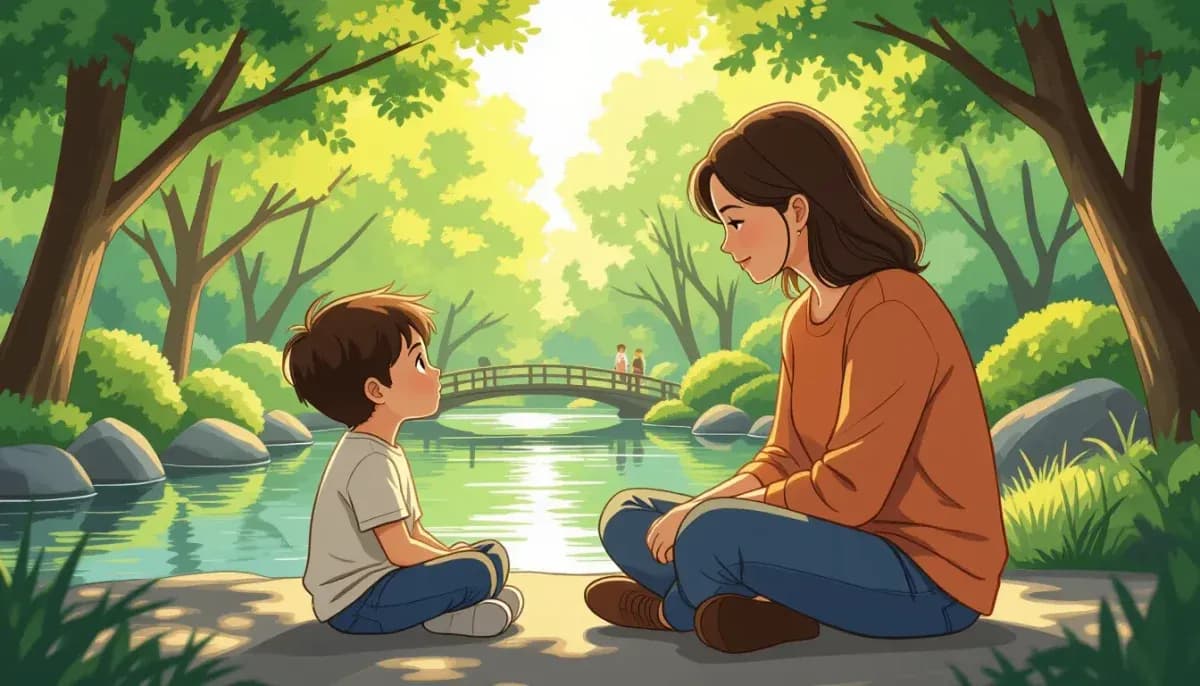
Recovery and Building Resilience After Being Bullied
Learn how to help your child recover from bullying (ijime) in Japan. Practical steps, support resources, and proven resilience strategies for foreign families navigating Japanese schools.
Read more →
Bullying Prevention Strategies Parents Can Use
Learn effective bullying prevention strategies for parents raising children in Japanese schools. Understand ijime culture, warning signs, school escalation steps, and English support resources for expat families.
Read more →
When to Consider Changing Schools Due to Bullying
Learn the warning signs, escalation steps, and school transfer process for bullied children in Japan. A practical guide for foreign parents navigating ijime in Japanese schools.
Read more →
Peer Pressure and Conformity Challenges in Japanese Schools
Understand how conformity culture and peer pressure affect children in Japanese schools — especially foreign and mixed-heritage kids. Practical strategies, warning signs, and expert guidance for expat families.
Read more →
The Role of Teachers in Preventing Bullying in Japan
Learn how Japanese teachers prevent and respond to bullying (ijime). Understand the 2013 law, teacher responsibilities, systemic barriers, and what foreign parents can do.
Read more →
Bullying of Foreign Children in Japanese Schools
Foreign children in Japan face a 52.2% bullying rate if they speak a non-Japanese language at home. Learn the warning signs, how to report ijime, and what resources are available to protect your child.
Read more →