
Peer Pressure and Conformity Challenges in Japanese Schools

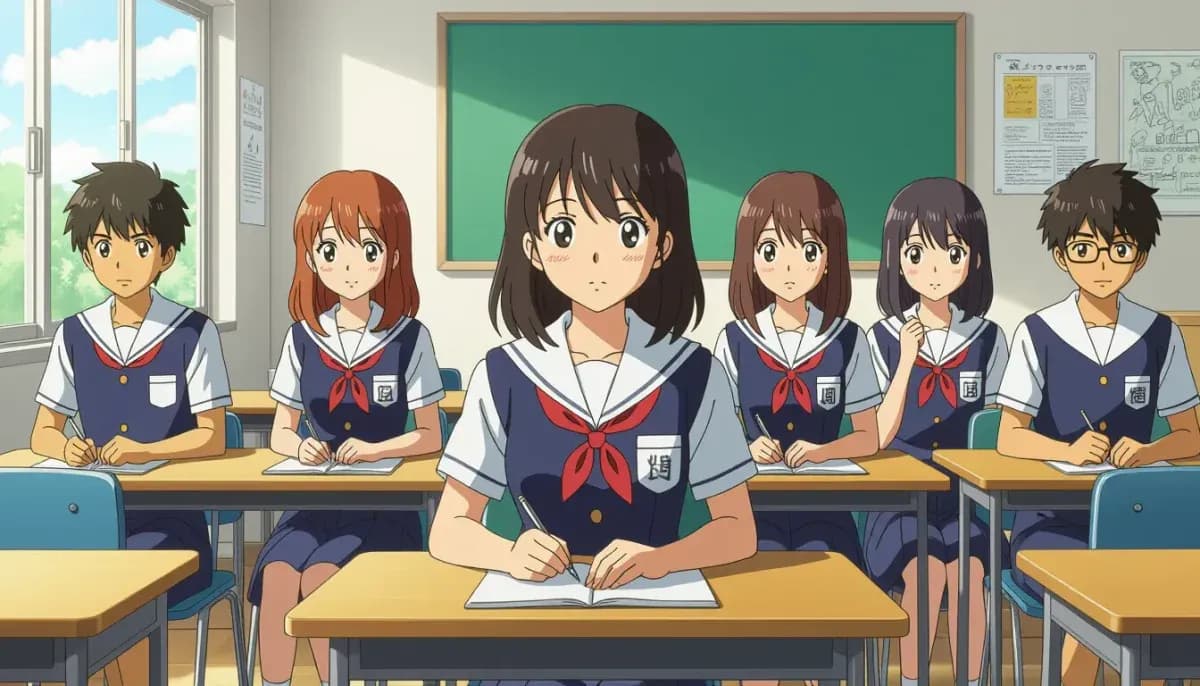
Understand how conformity culture and peer pressure affect children in Japanese schools — especially foreign and mixed-heritage kids. Practical strategies, warning signs, and expert guidance for expat families.
Peer Pressure and Conformity Challenges in Japanese Schools
Japanese schools are widely praised for their academic rigor, orderly classrooms, and strong sense of community. But beneath the surface lies a powerful cultural force that shapes every child's daily experience: the expectation of conformity. For foreign families raising children in Japan, understanding peer pressure and conformity in Japanese schools is essential — both to help your child thrive and to recognize when the pressure becomes harmful.
This guide explores how conformity culture manifests in Japanese schools, the specific challenges it creates for foreign and mixed-heritage children, and what you can do as a parent to support your child through it.
What Is Conformity Culture in Japanese Schools?
Japanese education is built on the concept of shudan seikatsu (集団生活) — literally "group living." From the earliest grades, children are taught that the group's harmony takes priority over individual expression. This isn't simply a classroom rule; it's a deeply embedded cultural value that shapes everything from how students dress to how they speak, eat, and socialize.
Schools reinforce this through strict rule manuals (校則, kōsoku) that govern:
- Hairstyles and hair color — natural waves may need to be "straightened," and foreign children with naturally blonde or light hair have been asked to dye it black
- Uniforms and accessories — down to sock color, bag type, and jewelry
- Behavior — raising hands in specific ways, cleaning classrooms as a group, eating all school lunch (kyushoku) including foods children dislike
- Speech — using appropriate levels of polite language depending on context
The message is clear: blend in, don't stand out. This is deeply internalized by Japanese students from a young age — and it can be disorienting or overwhelming for children coming from more individualistic cultures.
For a comprehensive overview of how Japanese schools work, see our Complete Guide to the Japanese Education System for Foreign Families.
Ijime: When Peer Pressure Becomes Bullying
The darker side of Japan's conformity culture is ijime (いじめ) — bullying. Japan's Ministry of Education data paints a stark picture:
- In academic year 2022, Japan recorded approximately 682,000 school bullying incidents, a continuous year-on-year rise since records began in 2013
- 82.6% of Japanese schools (30,583 out of 37,011) reported at least one bullying incident — the sixth consecutive annual record high
- Over 57% of bullying cases involved verbal abuse such as insulting or threatening the victim
Unlike Western bullying, which often involves one-on-one aggression, ijime in Japan most commonly takes the form of shūdan ijime (group bullying) — where an entire class or group systematically ostracizes a single student. This makes it particularly insidious: the bully is not one person but the collective, making it very difficult for the victim to find allies or escape.
Children who deviate from the group norm — whether in appearance, behavior, academic ability, or cultural background — are at elevated risk. Japanese schools show notably higher rates of "bystander" behavior compared to Western schools, where peers are more likely to intervene in bullying situations.
For a deeper look at bullying resources and school refusal, see School Refusal and Bullying in Japan: Support Resources at Living in Nihon.
Specific Challenges for Foreign and Multicultural Children
Foreign and mixed-heritage children face a particularly difficult version of Japan's conformity challenge. They often stand out visibly — in appearance, language ability, cultural habits, and family background — in ways that are completely beyond their control.
The Dual Conformity Burden
Multicultural children face what researchers describe as a "dual conformity burden": they must conform to Japanese cultural norms at school while maintaining their family's cultural identity and heritage at home. This creates genuine psychological strain, as the child essentially lives in two separate social worlds with conflicting expectations.
Japanese schools, as noted in research from For Work in Japan's multicultural parenting guide, are "designed with cultural uniformity as a premise," making integration difficult for children from foreign backgrounds.
Common forms of exclusion faced by foreign children include:
- Language mockery — being teased for imperfect Japanese pronunciation or grammar
- Physical appearance discrimination — comments about hair color, eye color, or body type
- Cultural ridicule — mockery of packed lunches, clothing, religious practices, or family customs
- Social exclusion — being left out of group activities, LINE chat groups, or after-school outings
- Racial harassment — especially for visibly mixed-heritage or darker-skinned children
Approximately 20,000 foreign children in Japan may currently be non-enrolled in any school, with bullying and language barriers cited as key factors.
For parents of children with mixed cultural backgrounds, our guide on Cultural Identity for Hafu and Mixed-Race Children in Japan offers targeted advice.
Key Warning Signs and Risk Factors
| Warning Sign | What It May Indicate |
|---|---|
| Damaged or missing belongings | Physical bullying or theft by peers |
| Sudden requests for money | Extortion or "borrowing" under social pressure |
| Withdrawn or anxious demeanor | Social exclusion or emotional bullying |
| Declining grades or school refusal | Severe stress, depression, or trauma |
| Anxiety triggered by smartphone/LINE | Cyberbullying or exclusion from group chats |
| Reluctance to discuss school or friends | Shame, fear of burdening parents |
| Stomach aches or headaches before school | Somatic stress response to school anxiety |
School refusal (不登校, futōkō) is itself a serious warning sign. In 2024, 353,970 students experienced school refusal — the 12th consecutive year of record highs. Elementary school accounted for 137,704 cases; junior high school for 216,266 cases. If your child is resisting school attendance, take it seriously and investigate the root cause.
How to Support Your Child: Practical Strategies for Foreign Parents
Understanding the system is the first step. The next is building practical support structures around your child. Here are evidence-backed strategies:
1. Prepare your child before school starts
Have honest, age-appropriate conversations about what Japanese school culture expects. Role-play scenarios where classmates comment on their appearance or heritage. Discuss responses in advance — not to suppress authentic reactions, but to give children agency when they feel caught off-guard.
2. Build their bilingual and bicultural identity as a strength
Research consistently shows that children with a strong, positive sense of their own identity are more resilient in the face of peer pressure. Celebrate your heritage language and cultural traditions actively. Frame being bilingual and bicultural as a superpower, not a source of shame. Our guide on Raising Bilingual Children in Japan has practical tools for this.
3. Engage proactively with the school
Meet with the homeroom teacher (担任, tan'nin) early in the school year. Introduce your child's background and cultural context. Offer to be involved in school events — even if language is a barrier. PTA participation and visible parental engagement signals to teachers and other parents that your family is invested in the school community.
4. Build friendships outside of school
Clubs (部活, bukatsu), community sports teams, neighborhood associations (jichikai), and hobby groups can provide social connections that don't depend on the school peer group. These external friendships are a critical buffer. The exam-preparation focused site Chuukou Benkyou notes that maintaining hobby-based friendships is one of the most effective strategies for protecting children from exam-season social isolation — and the same principle applies more broadly.
5. Monitor digital social life carefully
LINE group chats are central to Japanese children's social lives, and exclusion from these groups is a common form of social bullying. Keep communication open about what's happening online. Look for signs of anxiety around phone use.
6. Know when to escalate
Japan has formal channels for reporting bullying: teachers, school counselors (スクールカウンセラー), and the school principal. If school-level responses are inadequate, escalate to the Board of Education (教育委員会). Don't accept vague reassurances — ask for written records of what steps are being taken.
For more on the mental health dimension of these challenges, see our guide on Mental Health and Emotional Wellbeing for Foreign Children in Japan.
International Schools as an Alternative
For some families, the challenges of conformity culture in Japanese public schools make international schools an attractive option — particularly for children at sensitive ages or those who have experienced significant bullying. International schools operate on different cultural premises, typically valuing diversity and individual expression rather than group uniformity.
The tradeoffs are real: international schools are expensive, may not provide the same Japanese language immersion, and can limit integration into Japanese society. But for children struggling significantly with conformity pressure, a temporary or permanent switch to an international setting can be transformative.
See our Definitive Guide to International Schools in Japan for a full comparison of options, costs, and admissions processes.
For foreign families navigating Japan's education landscape, resources like Challenges Foreign Students Face in the Japanese Education System at Visit Inside Japan and Conformity in Japanese Society at The International provide valuable perspectives on how these dynamics play out in practice.
What the Research Tells Us
Academic research on conformity in Japanese schools offers important context for parents:
- Studies comparing Japanese and American students have found Japanese students show stronger external locus of control and more favorable attitudes toward bullying — patterns linked directly to collectivist peer-pressure norms
- Children raised in collectivist cultures show lower tolerance for differences and higher rates of exclusion behavior toward those who deviate from the norm
- Immigrant and foreign children who relocate to Japan in later childhood (after age 10) face the greatest integration challenges, often remaining more isolated even in schools with international or foreign student programs
- Conformist school cultures have broader societal effects, producing what researchers describe as "compliant rather than innovative" adults
None of this means Japanese schools are bad — they produce remarkable outcomes in many areas. But it does mean that foreign families need to go in with eyes open, understanding that the very qualities the system values (group harmony, deference, not standing out) may conflict with how your child has been raised and who they are.
Conclusion
Peer pressure and conformity challenges are not minor inconveniences in Japanese schools — for many foreign children, they are the central challenge of their educational experience. Understanding shudan seikatsu, recognizing the early warning signs of ijime, and actively building your child's identity and resilience are the most important things you can do as a parent.
The good news: many foreign children do thrive in Japanese schools. They develop bilingual fluency, deep cross-cultural competence, and resilience that will serve them for life. With the right preparation and support, your child can navigate Japan's conformity culture successfully — and even find strength in being different.
For further reading and support resources, explore our complete guide to Elementary School in Japan for Foreign Parents and Junior High School in Japan for Foreign Families.

Originally from Vietnam, living in Japan for 16+ years. Graduated from Nagoya University, with 11 years of professional experience at Japanese and international companies. Sharing practical information for foreign parents raising children in Japan.
View Profile →Related Articles
Recovery and Building Resilience After Being Bullied
Learn how to help your child recover from bullying (ijime) in Japan. Practical steps, support resources, and proven resilience strategies for foreign families navigating Japanese schools.
Read more →
Bullying Prevention Strategies Parents Can Use
Learn effective bullying prevention strategies for parents raising children in Japanese schools. Understand ijime culture, warning signs, school escalation steps, and English support resources for expat families.
Read more →
When to Consider Changing Schools Due to Bullying
Learn the warning signs, escalation steps, and school transfer process for bullied children in Japan. A practical guide for foreign parents navigating ijime in Japanese schools.
Read more →
The Role of Teachers in Preventing Bullying in Japan
Learn how Japanese teachers prevent and respond to bullying (ijime). Understand the 2013 law, teacher responsibilities, systemic barriers, and what foreign parents can do.
Read more →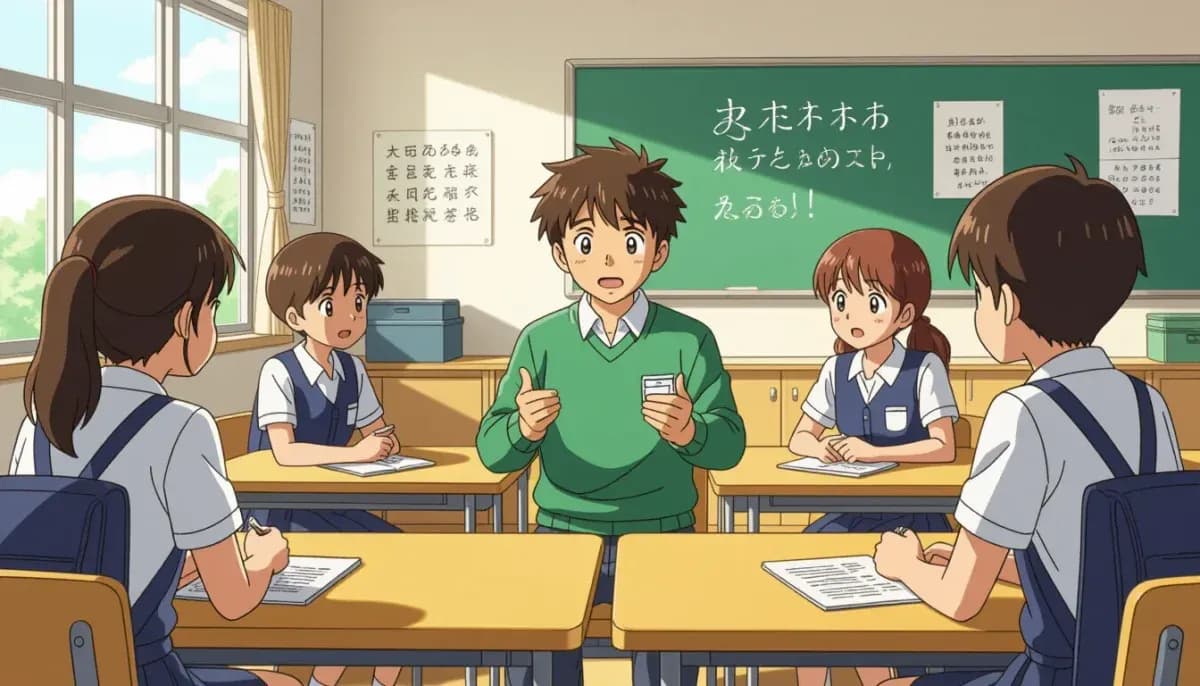
Bullying of Foreign Children in Japanese Schools
Foreign children in Japan face a 52.2% bullying rate if they speak a non-Japanese language at home. Learn the warning signs, how to report ijime, and what resources are available to protect your child.
Read more →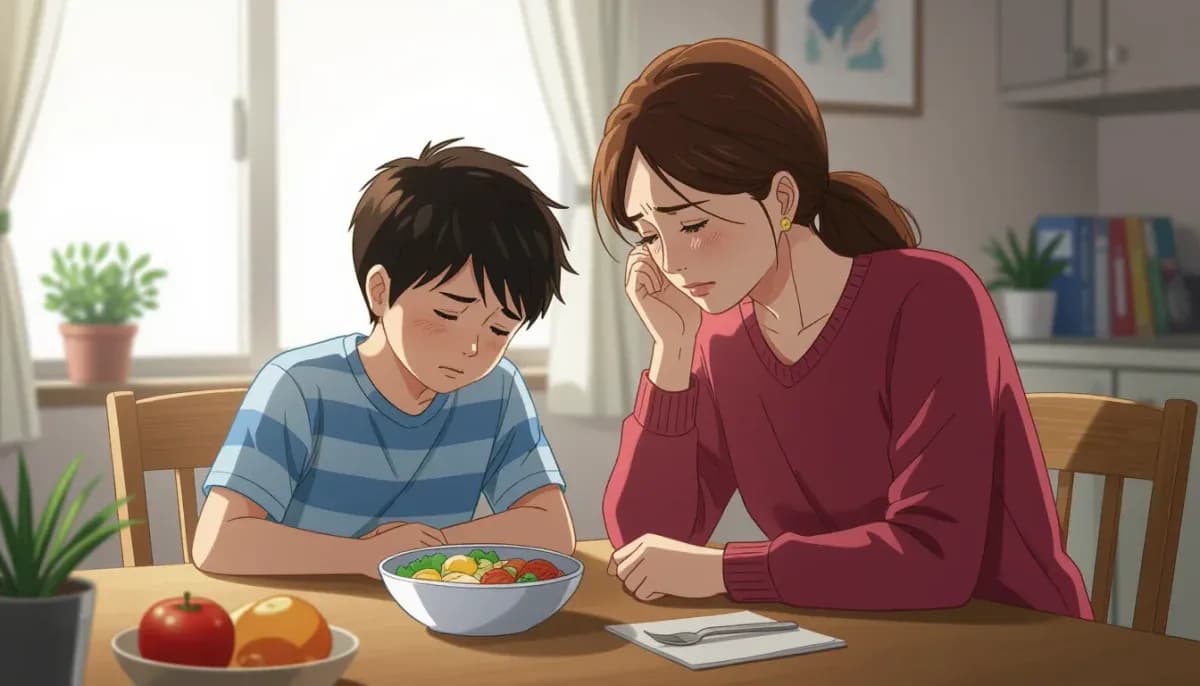
Supporting Your Child Emotionally After Bullying
Practical guide for expat parents on supporting children emotionally after bullying in Japan. Learn what to say, warning signs, recovery steps, and English-language help resources.
Read more →