
How to Report Bullying to Japanese Schools

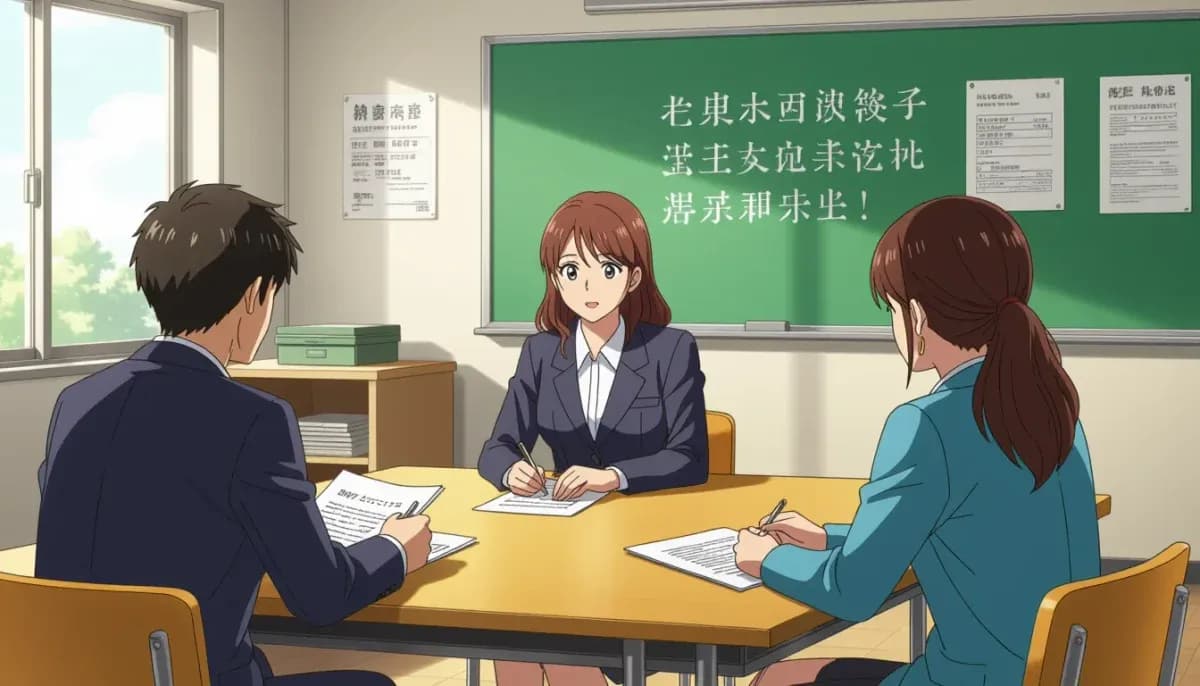
Step-by-step guide for foreign parents on how to report bullying (ijime) to Japanese schools. Includes escalation steps, multilingual hotlines, and options if the school fails to act.
How to Report Bullying to Japanese Schools: A Complete Guide for Foreign Parents
Discovering your child is being bullied at a Japanese school is every foreign parent's nightmare. The language barrier, cultural differences, and an unfamiliar education system can make the process feel overwhelming. Yet understanding how to report bullying to Japanese schools — and what to expect after you do — can make a critical difference for your child's wellbeing.
This guide walks you through the entire process step-by-step, from recognizing the signs to escalating your concerns when the school fails to act.
Understanding Ijime: Japan's Bullying Problem
In Japan, school bullying is called ijime (いじめ). The Ministry of Education, Culture, Sports, Science and Technology (MEXT) defines it as any act by a student or group of students that causes physical or psychological suffering to another student, judged entirely from the victim's perspective.
The scale of ijime in Japan is staggering. In FY2024, schools across the country reported 769,022 cases — a record high, up 5% from the previous year. There were also 413 student suicides linked to bullying. Despite these numbers, experts estimate that only about 20% of incidents are actually reported, because schools often rephrase cases as "disputes between friends" to avoid official filing.
| Type of Bullying | Prevalence |
|---|---|
| Verbal abuse (name-calling, insults) | 61.9% |
| Physical disguised as play | 21.4% |
| Social exclusion (nakama hazure) | 13.7% |
| Online/cyberbullying | 2.9% |
| Property damage or theft | 3.1% |
Source: MEXT survey data, 2024
Foreign and mixed-heritage children face disproportionate risk. Being visually different, having limited Japanese, or bringing different food or culture makes children stand out from the group — and in Japan's group-oriented classroom culture, standing out can trigger rejection. Read more in our guide to understanding ijime in Japanese schools and helping foreign children make friends in Japan.
Recognizing the Warning Signs
Before you can report bullying, you need to recognize it. Ijime often happens quietly, making it hard for parents to detect. Watch for these warning signs:
Physical and Behavioral Signs:
- Reluctance or refusal to go to school (school refusal, or futoko)
- Psychosomatic complaints — stomachaches, headaches, nausea on school mornings
- Damaged, missing, or destroyed belongings
- Unexplained requests for money
- Returning home hungry when school lunch is provided
Emotional and Social Signs:
- Withdrawal from family conversations, friends, or activities
- Sudden changes in mood — irritability, crying, anxiety
- Declining grades or loss of interest in school
- Anxiety triggered by messages on LINE or other social media
- Avoidance of specific routes home or certain groups of students
Specific Red Flags for Foreign Children:
- Mentions of being excluded from group activities (nakama hazure)
- Comments about being mocked for appearance, language ability, or food
- Refusing to bring Japanese lunch or asking for more "normal" food
If you notice multiple signs, take them seriously. Children — especially foreign children who fear adding to their parents' stress — often minimize or hide what is happening. For broader context on children's emotional health, see our guide on signs of stress and anxiety in expat children.
Step-by-Step: How to Report Bullying to the School
Japan has a structured system for handling bullying. Follow these steps carefully, and keep written records at every stage.
Step 1: Listen First, Document Everything
Before contacting the school, have a calm, unhurried conversation with your child. Let them tell their story without pressure. Then document:
- Dates and times of each incident
- Location (classroom, hallway, schoolyard, online)
- Names of students involved (if known)
- Witnesses (classmates or teachers who may have seen it)
- Physical evidence (damaged items, screenshots of messages)
Write everything down in a notebook or document. This record will be essential if the case escalates.
Step 2: Contact the Homeroom Teacher
Your first point of contact is your child's homeroom teacher (tannin no sensei). In Japan, homeroom teachers have deep responsibility for the social dynamics of their class. Request a face-to-face meeting — do not rely on a note in the student planner.
Tips for the meeting:
- Bring your documentation
- Be factual and specific — present dates, incidents, and behaviors
- Avoid accusatory language; frame it as seeking the school's help
- Send a follow-up email summarizing what was discussed (this creates a written record)
- Ask specifically: "What steps will the school take, and by when?"
If you need interpretation support, the school may have multilingual support staff, or you can contact your local Board of Education for help.
Step 3: Escalate to the Principal if Needed
If the homeroom teacher does not respond adequately within one to two weeks, escalate to the principal (koucho sensei) or vice principal (kyoto sensei). Under Japan's Bullying Prevention Promotion Law (2013), schools are legally required to:
- Conduct regular student surveys to detect bullying
- Report all suspected cases immediately
- Develop and implement a structured response plan
- Investigate serious cases within a defined timeframe
Cite this law in your communication if the school seems reluctant to act. You have a legal basis to demand action.
Step 4: Contact the Board of Education
If the school fails to take meaningful action, escalate to your city or ward's Board of Education (kyoiku iinkai). Every municipality in Japan has one. You can:
- Submit a formal written complaint
- Request that the Board investigate the school's handling of the case
- Ask for intervention or mediation
Find your local Board of Education through your city office's website or by calling the main municipal number.
Emergency Contacts and Multilingual Support Resources
Foreign parents have several multilingual resources available. You do not need to speak Japanese to get help.
| Service | Number | Languages | Hours |
|---|---|---|---|
| Foreign Language Human Rights Dial | 0570-090911 | English, Chinese, Korean, Filipino, Portuguese, Vietnamese, Nepali, Spanish, Indonesian, Thai | Weekdays 9:00-17:00 |
| TELL Lifeline (Tokyo) | 0800-300-8355 | English | Daily 9:00-23:00 |
| Child SOS 24-Hour Dial | 0120-0-78310 | Japanese | 24/7 |
| Childline Japan | 0120-99-7777 | Japanese | Daily 16:00-21:00 |
| Child Welfare Services | 189 | Japanese | 24/7 |
| Tokyo Education Consultation Center | 03-3360-4175 | English (Fridays 13:00-17:00) | Fridays only |
| Children's Human Rights 110 | 0120-007-110 | Japanese | Weekdays 8:30-17:15 |
The Foreign Language Human Rights Dial (0570-090911) is particularly valuable — it provides support in 10 languages and can help you understand your rights under Japanese law.
For comprehensive resources on bullying support in Japan, see Living in Nihon's guide to school refusal and bullying, which covers consultation services and coping strategies in depth.
What to Do When the School Doesn't Respond
Japanese schools sometimes fail to act — out of desire to protect their reputation, internal hierarchical pressure, or genuine misunderstanding of the severity. If this happens, you have escalating options.
Option 1: Request Classroom Separation
Ask the school to place your child and the bully or bullies in separate classrooms. This requires Board of Education approval in most cases but is a recognized intervention.
Option 2: Transfer to Another Public School
If the environment is toxic, you can request a transfer to another public school within the district, or sometimes to a school in a neighboring district with Board of Education permission.
Option 3: International School or Bilingual School
International schools in Japan offer English-medium instruction in smaller, more multicultural environments where foreign children typically face much less bullying risk. This is a significant cost consideration, but for serious cases it may be the right choice.
Option 4: Free Schools
Japan has a growing network of alternative education institutions called free schools (フリースクール) that offer flexible, supportive environments for children who cannot attend traditional school. Attendance at a free school can sometimes count toward the official attendance record.
Option 5: Legal Consultation
For serious cases — particularly those involving physical assault, significant property damage, or documented psychological harm — consult a lawyer specializing in school law. The Bullying Prevention Promotion Law gives victims legal standing to demand investigation and compensation.
For context on Japan's legal system as it relates to foreign families, see our guide on child custody laws in Japan for foreign parents. For additional support resources for foreign residents navigating life in Japan, visit For Work in Japan.
Protecting Your Child: Prevention and Building Resilience
While knowing how to report bullying is essential, prevention and resilience-building are equally important. The best defense is a child who knows they are loved and supported unconditionally at home.
At home:
- Talk openly about school dynamics and what good friend behavior looks like
- Build your child's sense of identity — both their heritage culture and their Japanese identity
- Teach them clear boundaries: if someone hurts you, tell me immediately
- Support bilingualism and heritage language maintenance — children with strong home-language identity tend to have better self-esteem
With the school:
- Attend school events (undoukai sports day, sankanbi observation days) to build relationships with teachers
- Communicate proactively — don't wait for problems to escalate before speaking with the teacher
- Connect with other foreign parent networks in your area
Understanding the Japanese school environment:
- Japan's group-oriented culture values harmony and conformity; children who stand out face real social pressure
- Understanding hafu identity in Japan can help mixed-heritage families prepare their children for challenges they may face
- The transition to junior high school is a particularly high-risk period for bullying
For additional perspectives on navigating bullying in Japanese schools, see Savvy Tokyo's comprehensive overview of ijime and Jobs in Japan's expat-focused guide. For study environment resources, particularly if your child is approaching entrance exams, Chuukou Benkyou provides guidance on Japanese middle and high school academic preparation.
Key Takeaways
Reporting bullying to a Japanese school as a foreign parent requires patience, persistence, and preparation. Here is what to remember:
- Document everything from the first sign — dates, incidents, written communications
- Start with the homeroom teacher, then escalate to the principal, then the Board of Education
- Use multilingual hotlines (0570-090911 in 10 languages) if you need support in English
- Know the law: the 2013 Bullying Prevention Promotion Law gives you legal standing to demand action
- Have a plan B: international schools, free schools, and classroom transfers are real options
- Build resilience at home: a supported child is better equipped to navigate and survive bullying
You are your child's most powerful advocate. Do not hesitate to escalate — the law is on your side.

Originally from Vietnam, living in Japan for 16+ years. Graduated from Nagoya University, with 11 years of professional experience at Japanese and international companies. Sharing practical information for foreign parents raising children in Japan.
View Profile →Related Articles
Recovery and Building Resilience After Being Bullied
Learn how to help your child recover from bullying (ijime) in Japan. Practical steps, support resources, and proven resilience strategies for foreign families navigating Japanese schools.
Read more →
Bullying Prevention Strategies Parents Can Use
Learn effective bullying prevention strategies for parents raising children in Japanese schools. Understand ijime culture, warning signs, school escalation steps, and English support resources for expat families.
Read more →
When to Consider Changing Schools Due to Bullying
Learn the warning signs, escalation steps, and school transfer process for bullied children in Japan. A practical guide for foreign parents navigating ijime in Japanese schools.
Read more →
Peer Pressure and Conformity Challenges in Japanese Schools
Understand how conformity culture and peer pressure affect children in Japanese schools — especially foreign and mixed-heritage kids. Practical strategies, warning signs, and expert guidance for expat families.
Read more →
The Role of Teachers in Preventing Bullying in Japan
Learn how Japanese teachers prevent and respond to bullying (ijime). Understand the 2013 law, teacher responsibilities, systemic barriers, and what foreign parents can do.
Read more →
Bullying of Foreign Children in Japanese Schools
Foreign children in Japan face a 52.2% bullying rate if they speak a non-Japanese language at home. Learn the warning signs, how to report ijime, and what resources are available to protect your child.
Read more →