
Extracurricular Activities at International Schools in Japan

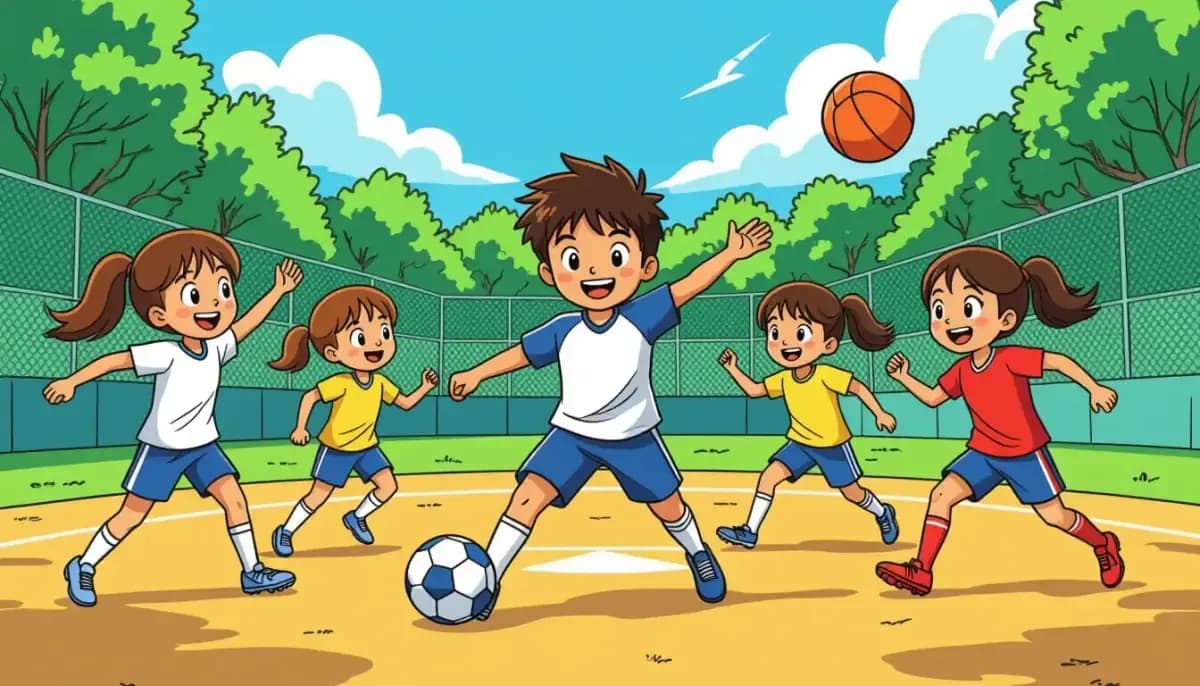
Discover sports, arts, robotics, MUN, and community service programs at international schools in Japan. A complete guide for expat families choosing the right activities for their children.
Extracurricular Activities at International Schools in Japan
Moving to Japan with children often raises questions about more than just academics — parents want to know whether their kids will thrive socially, develop new skills, and enjoy school life beyond the classroom. The good news is that international schools in Japan offer some of the richest extracurricular programs in Asia, spanning competitive sports, performing arts, academic competitions, and community service. This guide explains what to expect, how programs are structured, and how to help your child make the most of these opportunities.
Why Extracurricular Activities Matter at International Schools
Extracurricular participation is not an optional add-on at most international schools in Japan — it is woven into the educational philosophy. Schools following the International Baccalaureate (IB) program, for instance, require students to complete CAS (Creativity, Activity, Service) hours as part of their diploma. This means every IB student must engage in creative pursuits, physical activity, and community service throughout their studies.
Beyond formal requirements, extracurriculars play a crucial role in helping children settle in. Moving to a new country can be isolating, and joining a sports team, drama club, or robotics group gives children a ready-made peer group, shared goals, and a sense of belonging. Research consistently shows that students who participate in extracurricular activities demonstrate better academic performance, stronger social skills, and greater resilience.
For expat families navigating the transition to life in Japan, extracurriculars also provide a structured environment where children can build friendships that transcend nationality — a natural fit given the diverse, multicultural student body at international schools across Tokyo, Osaka, Kobe, and Yokohama.
For a broader overview of schooling options, see our International Schools in Japan: The Definitive Guide and The Complete Guide to the Japanese Education System.
Sports Programs: Competing Across Asia
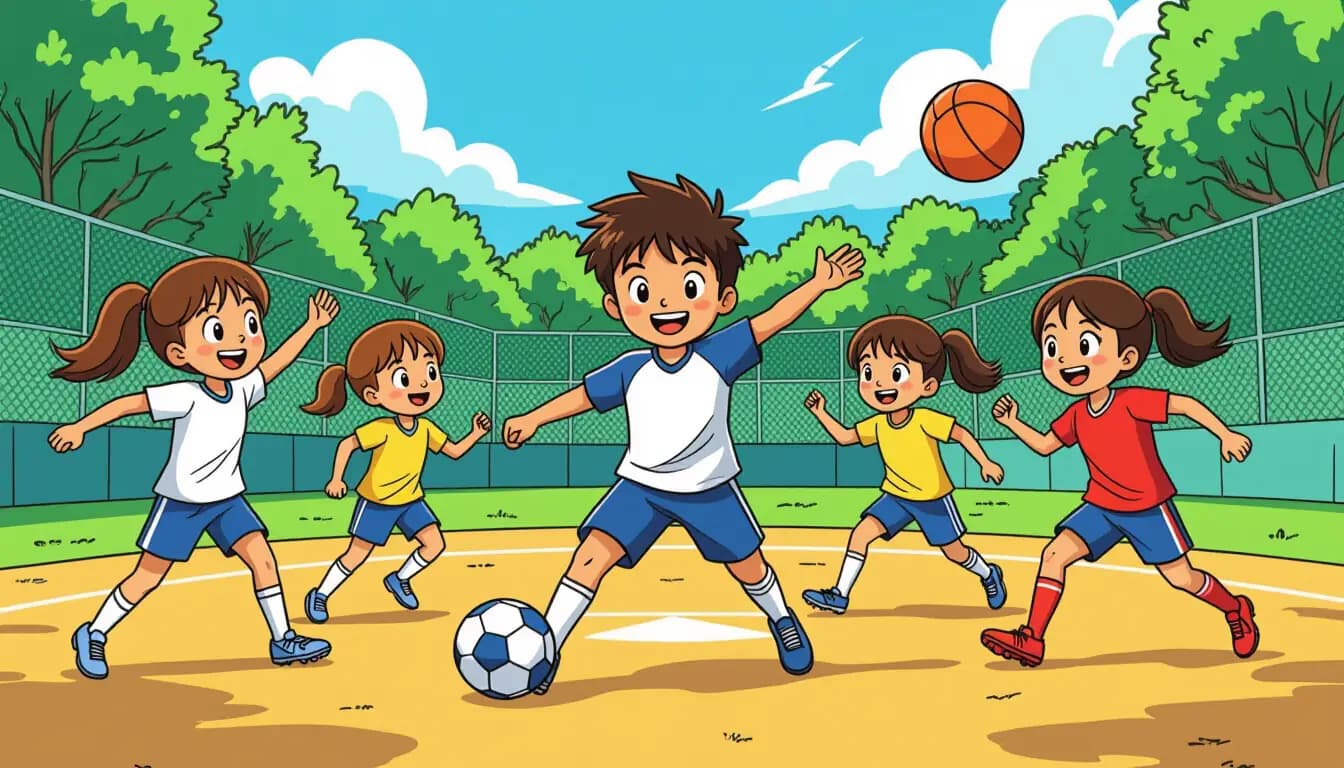
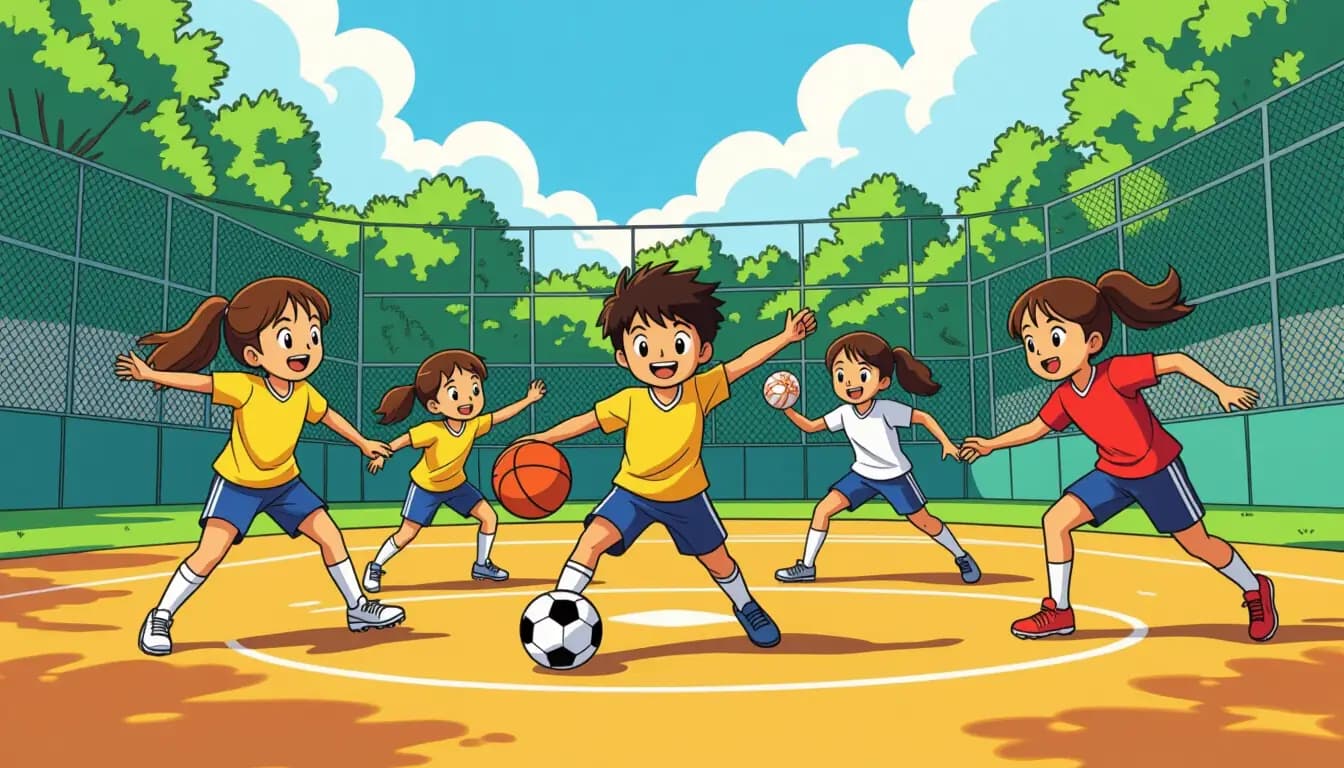
Sports are a cornerstone of extracurricular life at international schools in Japan. Most schools offer competitive team sports, recreational options, and access to professional coaching. Students compete not just within their school, but across the region.
Key Sports Offerings
| Sport | Typical Level | Competition Format |
|---|---|---|
| Soccer / Football | Recreational & Competitive | AISA tournaments, regional leagues |
| Basketball | Recreational & Competitive | AISA conferences, Japan-wide |
| Swimming | Competitive | Interschool meets, national events |
| Track & Field | Competitive | Regional championships |
| Tennis | Recreational & Competitive | Interschool and open tournaments |
| Volleyball | Recreational & Competitive | AISA & domestic leagues |
| Martial Arts (Judo, Kendo) | Recreational | School-level, cultural exposure |
| Baseball / Softball | Recreational | Intraschool and Japan-expat leagues |
International schools compete through the AISA (Asia International Schools Athletic Conference), which connects schools across Japan and South Korea for tournaments and championships. Some schools also participate in Asia-Pacific athletic championships, giving students genuinely international competition experience.
Schools like the American School in Japan (ASIJ) run over 170 co-curricular activities, while Osaka International School fields teams that compete with more than 30 international and domestic schools annually.
Parents should expect sports seasons that mirror Northern Hemisphere academic calendars — fall sports (soccer, cross-country), winter sports (basketball, swimming), and spring sports (track, tennis). Practices typically run 3–5 days per week after school.
Performing Arts: Drama, Music, and Dance
Japan's international schools invest heavily in the arts. Whether your child is a budding musician, loves being on stage, or wants to explore visual creativity, there are structured programs to support their development.
Music Programs
Most schools offer:
- Band and orchestra — from beginner to advanced ensembles
- Choir — school-wide performances and touring opportunities
- Individual instruction — lessons in piano, guitar, strings, and woodwinds
- Jazz and rock ensembles at the high school level
Annual concerts, winter shows, and spring performances give students regular opportunities to perform publicly.
Drama and Theater
Drama clubs and theater programs are popular at every grade level. Schools typically stage two to three productions per year, including:
- Elementary drama — short plays and musicals focused on storytelling
- Middle school productions — more complex plays with student-led roles
- High school theater — full-scale productions with professional lighting, sets, and direction
Some schools, like St. Mary's International School, have highly decorated fine arts programs that regularly win regional and national recognition.
Visual Arts and Dance
Visual arts programs cover painting, drawing, sculpture, mixed media, and digital arts. Dance programs — from ballet to contemporary to traditional Japanese dance — are offered at many schools as both clubs and PE elective courses.
Academic Clubs: MUN, Robotics, and More
For academically ambitious students, international schools offer a wide range of intellectually stimulating clubs and competitions.
Model United Nations (MUN) is particularly popular among middle and high schoolers. Student teams represent countries in simulated UN conferences, researching global issues, writing position papers, and debating policy solutions. Many Tokyo-area schools host their own MUN conferences that draw participants from across Japan and the region.
Robotics and STEM Clubs have grown rapidly at international schools in Japan. Programs like FIRST Robotics and VEX Robotics give students hands-on engineering experience, culminating in regional and international competitions. Schools with strong STEM programs often offer dedicated makerspaces with 3D printers, laser cutters, and electronics labs.
Other popular academic clubs include:
- Debate teams — competing in British Parliamentary and World Schools formats
- Science Olympiad — challenging team-based science competitions
- Mathematics competitions — AMC, Math Olympiad, and regional contests
- Student newspaper and yearbook — media and journalism skills
- Coding and game design clubs
Community Service and Leadership Programs
Most international schools in Japan embed community service into their culture, and many require it for graduation or IB diploma completion. Service learning gives students perspective on Japan's local communities while developing empathy and global citizenship.
Common service activities include:
- Volunteering at local Japanese community centers
- Environmental clean-up and sustainability projects
- Fundraising for domestic and international charities
- Mentoring younger students through peer support programs
- Cultural exchange projects connecting students with local Japanese schools
Student leadership programs complement service work. Student councils, honor societies, and leadership academies teach governance, communication, and project management. Schools affiliated with programs like the Duke of Edinburgh Award or Round Square offer structured personal development frameworks that are recognized by universities globally.
How Extracurricular Programs Compare Across Curriculum Types
The breadth and structure of extracurricular activities can vary depending on the curriculum your school follows.
| Curriculum | EC Requirement | Strengths | Considerations |
|---|---|---|---|
| IB (International Baccalaureate) | CAS mandatory (DP level) | Holistic, well-documented | CAS portfolio tracking required |
| American (AP / US curriculum) | Encouraged, not required | Wide variety, strong sports | Less structured documentation |
| British (IGCSE / A-levels) | Encouraged | Arts & drama often strong | Less formal EC requirement |
| Japanese International (JIS) | Mixed | Cultural integration activities | Fewer EC options at smaller schools |
For families choosing between curriculum types, our guide on High School in Japan: Options and Guidance covers the academic tradeoffs in detail.
Practical Tips for Getting Involved
Start Early and Ask Questions During Admissions
When visiting schools, ask specifically about extracurricular offerings, participation rates, and tryout policies. Some competitive sports teams have tryouts — it's worth knowing whether your child's level will allow them to participate.
Budget for Activity Fees
Extracurricular activities at international schools often carry additional fees. Competitive sports may require travel to away games, while music programs may require instrument rental or purchase. Budget ¥50,000–¥200,000 per year per activity depending on the school and program level. See our Financial Planning for Expat Families in Japan guide for budgeting tips.
Help Your Child Explore Before Committing
Most schools offer a "try-out" period at the start of the year where students can sample multiple activities. Encourage your child to try two or three options before committing. Overcommitting in the first semester can lead to burnout.
Language Is Not a Barrier
Extracurricular activities are often the fastest route to friendship for children adjusting to a new school environment. Language barriers that might feel significant in the classroom fade quickly on a sports field or in a music ensemble. Even children with limited English can connect through sport and shared activity.
For language learning support, see our Teaching Japanese to Foreign Children: Methods and Resources guide.
External Resources for International School Families
For more detailed guidance on raising children and navigating education in Japan, Living in Nihon offers a comprehensive resource for foreigners raising families in Japan.
Expat families navigating work and school logistics can also find practical support at For Work in Japan, which covers relocation and family support topics.
For families interested in Japanese academic preparation alongside international school enrollment, Chuukou Benkyou provides resources on middle and high school study approaches in Japan.
Additional reading:
- Tokyo Luxury Towers: International Schools Education Guide 2025
- International Schools Database: Top IB Schools in Japan
Conclusion
Extracurricular activities at international schools in Japan are diverse, well-funded, and genuinely transformative for children. From competing in AISA athletic championships to performing in full-scale theater productions, filing Model UN resolutions, or building robots that compete internationally, students at Japan's international schools have access to programs that rival the best schools anywhere in the world.
For expat families, the extracurricular culture is also a critical part of the social and emotional integration journey. Helping your child find their activity — the one that makes them excited to go to school — is one of the most important steps you can take during the transition to life in Japan.
Explore your school options with our related guides:

Originally from Vietnam, living in Japan for 16+ years. Graduated from Nagoya University, with 11 years of professional experience at Japanese and international companies. Sharing practical information for foreign parents raising children in Japan.
View Profile →Related Articles
International School vs Japanese School: Pros and Cons
Compare international schools and Japanese public schools in Japan. Detailed cost breakdown, language considerations, and practical advice for expat families choosing the right school.
Read more →
Japanese Language Classes at International Schools
Complete guide to Japanese language programs at international schools in Japan. Learn about JSL, bilingual education, top schools, JLPT prep, and how to support your child's Japanese learning.
Read more →
International School Admission Process in Japan
Step-by-step guide to international school admission in Japan for expat families. Covers requirements, costs, timelines, and how to navigate the application process successfully.
Read more →
Indian, Korean, and Other Ethnic Schools in Japan
Comprehensive guide to Indian, Korean, Chinese, Brazilian and other ethnic schools in Japan. Learn about IISJ, Chosen gakko, Brazilian schools, legal status, tuition, and how to choose the right school for your family.
Read more →
Online and Hybrid International School Options in Japan
Discover the best online and hybrid international school options in Japan for expat families. Compare costs, accreditation, and flexible programs from ¥300,000/year — a fraction of traditional international school fees.
Read more →
Transitioning from International to Japanese School
Everything foreign families need to know about switching from international to Japanese school: enrollment steps, language support, cultural differences, high school entrance exam tips, and cost comparison.
Read more →