
Growing Up Bilingual and Bicultural as a Hafu in Japan

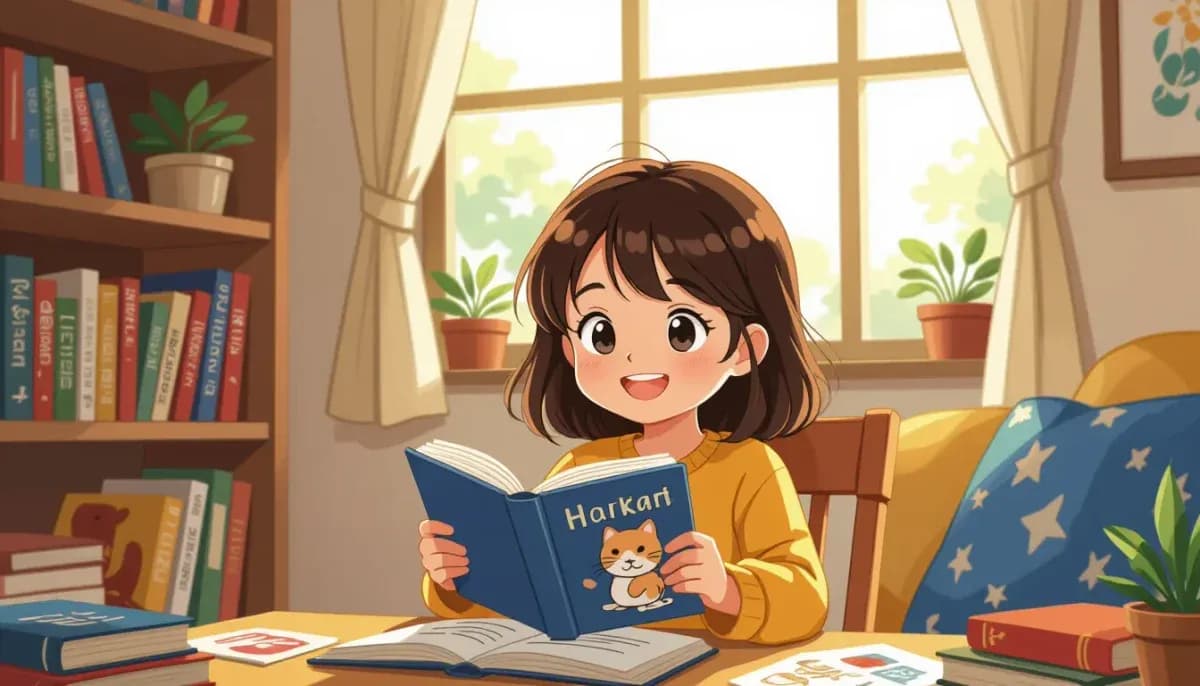
A comprehensive guide to raising hafu children in Japan — bilingual development strategies, cultural identity support, school life tips, and community resources for bicultural families.
Growing Up Bilingual and Bicultural as a Hafu in Japan
For children born to one Japanese and one foreign parent, growing up in Japan is a unique journey of navigating two languages, two cultures, and often two very different worlds. These children — commonly called hafu (ハーフ, literally "half") — occupy a fascinating yet sometimes challenging space in Japanese society. This guide explores what it really means to grow up bilingual and bicultural in Japan, from language development and identity formation to practical strategies that families can use to help their children thrive.
What Does "Hafu" Mean — and Does the Label Matter?
The term hafu derives from the English word "half" and is used colloquially in Japan to describe anyone with one Japanese and one non-Japanese parent. While the term is widely recognized and even embraced by many, it carries complex connotations. Critics argue it implies incompleteness — being only half of something — rather than celebrating the richness of a dual heritage.
Alternative terms have emerged in response. Some families prefer daburu (ダブル, "double") to emphasize that their child possesses two complete cultural identities. Others use hāfu with a long vowel to soften the borrowed-English edge. International communities sometimes use "multicultural," "mixed heritage," or "bicultural" to sidestep the loaded implications of "half."
Research and personal accounts suggest that most hafu individuals themselves have come to accept or even embrace the term — filmmaker Megumi Nishikura noted that the majority prefer "hafu" over alternatives. However, context matters enormously. Being called hafu in a curious, friendly way feels very different from being called gaijin (foreigner), which can carry a sense of exclusion from Japanese society entirely.
In 2024, a 14-year-old hafu student's essay titled "Hafu dakara nanda" ("Hafu, so what?") won a national human rights prize in Japan — a sign that social attitudes are gradually shifting toward greater acceptance and celebration of mixed heritage.
The Reality of Growing Up Bilingual: It Doesn't Happen Automatically
One of the most common misconceptions about hafu children is that they automatically become bilingual. Parents often assume that simply having a foreign parent means the child will naturally pick up both languages without much effort. This is rarely true.
Language acquisition for bicultural children requires deliberate planning, consistent effort, and significant investment from the entire family. When a child attends a Japanese school — as most hafu children in Japan do — Japanese quickly becomes the dominant language. Japanese peers, teachers, schoolwork, television, and social media all reinforce Japanese. Without active support for the minority language (typically English or another foreign language), children often lose fluency over time.
Experts commonly recommend the One Parent, One Language (OPOL) strategy: each parent consistently speaks their own native language to the child. This creates two distinct linguistic environments and helps children associate each language with a specific person. For example, the Japanese parent always speaks Japanese while the foreign parent always speaks English.
Another approach is the Minority Language at Home (MLH) method, where both parents speak the minority language at home, relying on school and community to deliver Japanese input. This is particularly effective when families live in Japan for an extended period and Japanese input is already abundant.
For detailed strategies on supporting bilingual development, see our guide on Raising Bilingual Children in Japan and Teaching Japanese to Foreign Children.
Cultural Identity: Belonging to Two Worlds
Perhaps the deepest challenge for hafu children is not language, but identity. Japan has historically prized cultural homogeneity, and despite growing internationalization, bicultural children often feel pressure to fit neatly into one category. In practice, they exist between categories — sometimes too foreign for Japan, sometimes too Japanese for their other homeland.
This experience varies considerably by location. Urban centers like Tokyo, Yokohama, and Osaka tend to be more accepting of diversity, with international schools, multicultural neighborhoods, and communities of like-minded families. In rural areas, hafu children may be the only mixed-race student in their school, drawing both curious attention and occasional discrimination.
A 2024 survey of roughly 450 mixed-heritage individuals in Japan found that 98% had experienced microaggressions (subtle, often unintentional forms of discrimination) in their daily lives, and 68% had experienced bullying or outright discrimination at school or elsewhere. The same study found that mental health challenges were more than five times higher than the national average among hafu respondents.
These statistics highlight the importance of active parental support for a child's emotional wellbeing alongside language and cultural education. For more on this topic, explore our article on Mental Health and Emotional Wellbeing for Foreign Children in Japan.
Key Strategies for Raising Confident Bicultural Children
Families raising hafu children can draw on a range of evidence-based approaches to help their children develop strong, positive identities in both cultures.
| Strategy | Description | Best For |
|---|---|---|
| One Parent, One Language (OPOL) | Each parent speaks only their native language | Families with two active language environments |
| Minority Language at Home (MLH) | Both parents speak minority language at home | Families where Japanese is dominant outside home |
| Daily Read-Alouds | 15+ minutes of reading in the minority language daily | Building literacy and vocabulary |
| Cultural Celebrations | Celebrating holidays and traditions from both cultures | Reinforcing bicultural pride and belonging |
| Heritage Travel | Visiting the non-Japanese parent's home country regularly | Strengthening ties to heritage culture |
| Community Connections | Joining hafu or expat parent groups | Reducing isolation and building peer networks |
| Bilingual Schooling | International schools or bilingual programs | Structured academic support in both languages |
Maintain consistent language exposure: Language skills atrophy without regular use. Books, music, movies, and conversations in the minority language all help. Building a home library in both languages is particularly effective.
Celebrate both cultures actively: Don't let one culture overshadow the other at home. Cook foods from both culinary traditions, celebrate both countries' holidays, and talk openly about family heritage. Children who feel pride in both sides of their identity tend to be more resilient.
Connect with community: Hafu meetup groups exist in major Japanese cities, and online communities on Facebook (including the Hafu Japanese group with over 6,000 members) provide valuable support and a sense of belonging.
Validate the child's experience: When your child encounters questions or prejudice about their identity, respond with curiosity and confidence rather than defensiveness. Help them develop their own narrative — "I'm both Japanese and [nationality], and that's something to be proud of."
For comprehensive guidance on the Japanese school experience, visit The Complete Guide to the Japanese Education System for Foreign Families and Cultural Identity for Hafu and Mixed-Race Children in Japan.
School Life for Hafu Children in Japan
The Japanese school system places enormous emphasis on group cohesion, conformity, and shared cultural norms. For hafu children, this environment can be both welcoming and challenging. Some hafu children are celebrated — praised for their bilingualism, distinctive appearance, or international flair. Others may experience teasing, exclusion, or the exhausting experience of constantly answering questions about their heritage.
Key transition points to watch include:
- Daycare/Hoikuen (ages 0-5): Generally welcoming. Young children accept differences more readily. See our Complete Guide to Daycare and Hoikuen in Japan.
- Elementary School (ages 6-12): Conformity pressures increase. Language gaps may emerge if minority language support lapses. Refer to our Elementary School in Japan guide.
- Junior High School (ages 12-15): The most socially challenging period for many hafu children. Social hierarchies solidify and difference becomes more visible. See Junior High School in Japan.
- High School (ages 15-18): Many hafu students leverage their bilingualism and international background as real advantages — in academic profiles, college applications, and career prospects. Read more in High School in Japan for Foreign Families.
Some families choose international schools to provide a more multicultural educational environment, though costs are significant. Our guide to International Schools in Japan covers all the key options.
Demographics and Trends: Hafu in Japan Today
The hafu population in Japan is growing. According to Japan's Ministry of Health, Labour and Welfare, approximately 1 in 30 babies born in Japan has at least one non-Asian parent. As of 2023, 15,120 children (approximately 2.1%) were born in Japan to parents where one held foreign nationality.
High-profile hafu individuals have increased positive visibility in Japanese public life. Tennis champion Naomi Osaka brought hafu identity to the center of global conversations about Japanese national identity. Swimmers, models, actors, and athletes of mixed heritage are increasingly celebrated in mainstream Japanese media and culture.
This rising visibility matters for children. When a hafu child sees role models who look like them and who have successfully navigated the same cultural in-between space, it becomes easier to imagine a path forward with confidence and pride.
For expat families navigating practical matters in Japan, these resources from the community are invaluable:
- Living in Nihon: Guide to Raising Children in Japan — comprehensive guidance for foreign parents
- For Work in Japan: Family Life Guide — practical family resources for working expats
- Savvy Tokyo: Raising Bilingual Children in Japan — expert tips from expat parents
- Japan Today: 16 Tips for Raising a Bilingual Child in Japan — community-tested strategies
- Chuukou Benkyou — Japanese educational resources for navigating the school system
Practical Takeaways for Hafu Families
Growing up bilingual and bicultural as a hafu in Japan is rarely straightforward, but it offers extraordinary gifts — linguistic flexibility, cultural empathy, and the ability to move between worlds that most people never experience. With intentional support from parents and community, hafu children can grow into adults who are genuinely enriched by their dual heritage.
Key points to remember:
- Bilingualism requires active effort — plan language strategies early and maintain them consistently through school years
- Identity development takes time — allow children to explore and define their own sense of self without pressure to choose one culture over another
- Location matters — urban areas offer more diverse peer groups; rural areas may require more intentional community-building
- School transitions are critical — watch for language regression and social challenges at key school transition points
- Community is powerful — hafu families who connect with each other report higher confidence and resilience in their children
- Celebrate both cultures equally — children thrive when they feel proud of all aspects of their heritage
For financial planning support as an expat family, see our guide on Financial Planning for Expat Families Raising Children in Japan. For help with heritage language support, visit Heritage Language Maintenance for Children in Japan.
The journey of growing up hafu in Japan is uniquely challenging and uniquely beautiful. With the right support, your child's bicultural identity can become one of their greatest strengths.

Originally from Vietnam, living in Japan for 16+ years. Graduated from Nagoya University, with 11 years of professional experience at Japanese and international companies. Sharing practical information for foreign parents raising children in Japan.
View Profile →Related Articles
Books and Resources About Being Hafu for Children
A complete guide to the best books, films, communities, and resources to help hafu (mixed-heritage) children in Japan build a strong, positive identity. Includes recommended picture books, documentaries, and online support groups for parents.
Read more →
International Community Support for Hafu Families
Find community support for hafu and mixed-heritage families in Japan. Online groups, non-profits, school resources, and cultural events to help bicultural families thrive.
Read more →
Hafu Children's Experiences in Japanese Schools
Discover what hafu (mixed-race) children experience in Japanese schools — from identity challenges and bullying to bilingual expectations and practical tips for parents raising bicultural kids in Japan.
Read more →
How to Talk to Your Children About Race and Ethnicity
A practical guide for foreign parents and expat families in Japan on how to talk to children about race and ethnicity, mixed heritage identity, and building resilience in a multicultural family.
Read more →
Multicultural Identity Development Stages in Children
Understand the 5 stages of multicultural identity development for children raised in Japan. Practical guidance for expat and mixed-heritage families supporting their kids.
Read more →
Nationality Choices for Hafu Children in Japan
A complete guide for international families on nationality choices for hafu children in Japan — dual citizenship rules, the age 20 deadline, the critical 3-month rule for births abroad, and how to support your child's dual identity.
Read more →