
Multicultural Identity Development Stages in Children

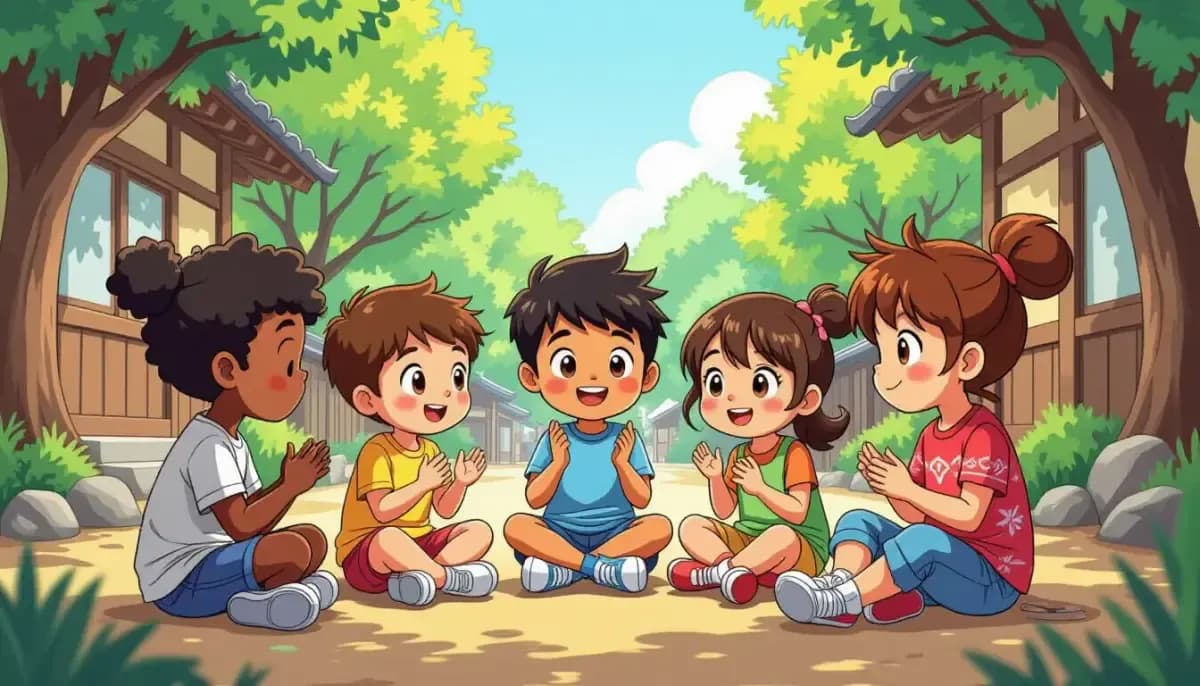
Understand the 5 stages of multicultural identity development for children raised in Japan. Practical guidance for expat and mixed-heritage families supporting their kids.
Multicultural Identity Development Stages in Children Raised in Japan
Growing up in Japan as a child of foreign parents — or as a mixed-heritage child — is a profoundly unique experience. These children navigate two or more cultural worlds simultaneously, building identities that are richer and more complex than those of their monocultural peers. Yet the journey is rarely straightforward. Understanding the stages of multicultural identity development can help parents, educators, and caregivers offer better support at every step of the way.
This guide explores how multicultural children in Japan develop their sense of self, what challenges arise at each stage, and what parents can do to nurture a healthy, integrated identity.
What Is Multicultural Identity Development?
Multicultural identity development refers to the psychological and social process by which children who are exposed to two or more cultures come to understand, integrate, and express who they are. For children growing up in Japan with foreign or mixed-heritage backgrounds, this process is shaped by the unique pressures of Japanese society — a culture that strongly emphasizes group harmony, conformity, and social cohesion.
These children are often referred to as Third Culture Kids (TCKs) — a term coined by sociologist Ruth Hill Useem. TCKs are children who spend significant developmental years outside their parents' native culture. The "third culture" is the unique blend they create from their parents' culture (first culture) and the host country's culture (second culture). Research shows that an estimated 8 million American children alone fit this profile globally.
In Japan, returnee children — known as kikokushijo (帰国子女) — represent a particularly well-studied group. Defined as students who spent 2+ continuous years abroad before returning, they face a distinct set of challenges re-integrating into Japanese schools and society.
For a broader look at how Japan's education system affects these children, see our guide on the Japanese education system for foreign families.
The 5 Stages of Multicultural Identity Development
While every child's journey is unique, researchers have identified five broad developmental stages that multicultural children commonly move through.
| Stage | Age Range | Core Experience | Key Challenge |
|---|---|---|---|
| 1. Cultural Awareness | 0–5 years | Noticing differences | None — absorbing everything |
| 2. Belonging Exploration | 5–9 years | Seeking group acceptance | Fitting in vs. standing out |
| 3. Identity Conflict | 9–14 years | Questioning "who am I?" | Peer pressure, code-switching |
| 4. Cultural Integration | 14–18 years | Accepting multiple selves | Reconciling contradictions |
| 5. Transcultural Identity | 18+ years | Owning a "third culture" self | Articulating a complex identity |
Stage 1: Cultural Awareness (Ages 0–5)
In early childhood, children are like cultural sponges. They absorb language, food, family rituals, and social cues without yet analyzing them. A toddler at a Japanese hoikuen (daycare) who also celebrates Diwali at home simply lives in both worlds simultaneously.
At this stage, no active guidance is typically needed. What matters most is exposure — to both cultures equally. Parents should speak their heritage language at home, maintain cultural rituals, and allow children to experience the Japanese environment naturally.
For guidance on navigating early childhood in Japan, see our complete guide to daycare and hoikuen in Japan.
Stage 2: Belonging Exploration (Ages 5–9)
When children enter elementary school, peer relationships become central. Japanese schools place enormous emphasis on group belonging (集団意識, shūdan ishiki), and children who look or speak differently may feel the first pangs of not fitting in.
This is when children may:
- Ask why they have a "different" lunchbox
- Resist speaking a heritage language in public
- Feel embarrassed by their dual names or non-Japanese appearance
This stage is about observation and testing — children are figuring out which parts of their identity are safe to show in which contexts. Parents should normalize their child's feelings without dismissing them, and continue creating rich cultural experiences at home.
Stage 3: Identity Conflict (Ages 9–14)
The middle school years are often the most turbulent for multicultural children. Research consistently shows this is when identity questions become most acute: "Am I Japanese or not? Where do I really belong? Why am I different?"
Key issues during this stage:
- Code-switching pressure: children learn to act "more Japanese" at school and "more foreign" at home
- Hidden diversity: looking culturally Japanese but thinking differently creates internal friction
- Social withdrawal: some children suppress their foreign identity entirely to avoid standing out
A 2025 study published in SAGE Journals found that older children who relocate to Japan are significantly more susceptible to acculturation stress than those born there — highlighting how the age of transition matters enormously.
Research on adjustment issues for immigrant children in Japanese schools also confirms that language barriers compound identity struggles during this critical period.
For multicultural children in Japanese junior high school, read our guide for foreign families navigating junior high school in Japan.
Stage 4: Cultural Integration (Ages 14–18)
By high school, many multicultural children begin moving from conflict toward integration. They start accepting that they don't have to choose between cultures — they can be both. This shift is often triggered by:
- Finding peers who share similar backgrounds
- Studying abroad, joining international clubs, or attending English camps
- Supportive teachers or mentors who acknowledge their dual identity
- Gaining language confidence in both Japanese and their heritage language
The expatforward.com guide on raising multicultural children notes that well-adjusted adult TCKs demonstrate superior intercultural communication skills (89%), multilingual fluency (74%), and greater adaptability (82%) — all outcomes that begin taking shape during this integration stage.
High school is also when kikokushijo gain access to dedicated exam pathways (帰国子女入試). These returnee exams allow multicultural students to leverage their overseas experience as an academic asset. Chuukou Benkyou's guide on the returnee student exam system offers detailed guidance on navigating these pathways.
For more on high school options, see our high school guide for foreign families in Japan.
Stage 5: Transcultural Identity (Ages 18+)
In adulthood, many multicultural individuals develop what researchers call a transcultural identity — a fluid, integrated sense of self that draws from multiple cultures without being fully defined by any one of them.
Research shows that 85% of TCKs report not fully belonging to any single culture — yet this "in-between" space is not a weakness. It is, as Savvy Tokyo describes, a "rich growth opportunity" that creates uniquely empathetic, globally minded individuals.
For parents, the goal is not to produce a child who "fits in" perfectly in Japan or in their heritage culture — it's to raise someone capable of navigating the world with cultural intelligence, emotional resilience, and a strong inner compass.
Hafu Children: A Special Case in Japan
Children of mixed Japanese-foreign heritage — commonly called hafu (ハーフ) — face unique identity challenges within Japan. Despite growing up fully in Japanese society, they are often treated as "foreign" due to their appearance, and simultaneously feel disconnected from their non-Japanese heritage.
The identity journey for hafu children often involves:
- Confronting questions like "where are you really from?" on a daily basis
- Navigating schools that may have no framework for mixed-heritage students
- Building pride in a dual identity in a society that historically valued homogeneity
For a deep dive into this topic, see our article on cultural identity for hafu and mixed-race children in Japan.
How Parents Can Support Healthy Identity Development
Parental support is the single most powerful factor in multicultural identity development. Here are evidence-based strategies for each stage:
Create Intentional Cultural Rituals
Cultural identity doesn't maintain itself. It requires intentional daily and seasonal practices: cooking heritage foods, celebrating cultural holidays, reading books in heritage languages, and discussing your home culture openly.
As Savvy Tokyo notes in their article on raising a multicultural child in Japan: "Cultural identity doesn't have to be perfect; it just needs to be intentional. It's built through everyday moments."
Invest in Bilingual Education
Language is the most direct carrier of cultural identity. Children who maintain fluency in their heritage language retain a stronger connection to their roots. Japanese schools do not typically support heritage language maintenance, so parents must take this on themselves.
For strategies, see our guides on raising bilingual children in Japan and heritage language maintenance for children in Japan.
Build Community with Similar Families
Isolation amplifies identity struggles. Finding other multicultural families — through international schools, expat communities, or online groups — helps children see that their experiences are shared and valued.
Living in Nihon's guide on education planning for children in Japan notes that international school options, while expensive (¥2–3 million/year), provide an environment where multicultural identity is the norm rather than the exception.
Acknowledge and Name the Challenges
Don't minimize or dismiss your child's identity struggles. When a child says "I don't feel Japanese," validate that feeling and explore it together. Research shows that children who have space to grieve cultural losses develop healthier long-term identities than those who are told to "just adapt."
Maintain Support for Mental Health
Multicultural identity development is emotionally demanding. Watch for signs of withdrawal, identity suppression, or anxiety — especially during the Stage 3 conflict years (ages 9–14). Professional support from counselors familiar with TCK or expat child issues can be invaluable.
See our article on mental health and emotional wellbeing for foreign children in Japan for resources.
School Choices and Their Impact on Identity
The school environment profoundly shapes identity development. Here is a comparison of the main options available to multicultural families in Japan:
| School Type | Language | Cultural Environment | Identity Impact |
|---|---|---|---|
| Japanese public school | Japanese | Highly homogeneous | Strong assimilation pressure |
| Japanese private school | Japanese | Moderately homogeneous | Similar to public, more flexibility |
| International school | English (varies) | Diverse, multicultural | Strong support for multicultural identity |
| Bilingual school | Japanese + English | Mixed | Balanced exposure, bridge option |
| Home-schooling / hybrid | Flexible | Family-defined | Maximum flexibility, requires parental effort |
For a comprehensive overview of all school options, see our guide to international schools in Japan and the Japanese education system overview for foreign families.
For Work in Japan's family life guide also provides useful context on how school environment ties into the broader challenges of raising a family in Japan.
The Long-Term View: Raising Globally Minded Adults
Multicultural children raised in Japan have a genuine gift — they have access to multiple worlds, multiple ways of thinking, and multiple languages. The research is clear: when supported well, TCKs become adults with exceptional intercultural communication skills, empathy, and adaptability.
The path is not always easy. There will be moments of confusion, grief, and frustration — for children and parents alike. But every cultural experience your child has in Japan, every challenge they overcome in navigating two worlds, is building the foundation for a remarkably rich and capable adult life.
Your child doesn't need to choose between being Japanese and being from somewhere else. With the right support, they can be both — and so much more.
Frequently Asked Questions
At what age do multicultural children in Japan face the biggest identity challenges? Research consistently points to ages 9–14 (the junior high school years) as the most challenging period, when peer pressure intensifies and identity questions become most acute.
Is it better to send a multicultural child to a Japanese school or international school? It depends on your family's long-term plans and values. Japanese schools offer deeper cultural integration; international schools offer a supportive environment for multicultural identity. Many families use a combination throughout their child's education.
What is kikokushijo and why does it matter? Kikokushijo (帰国子女) are returnee students who studied abroad for 2+ years. They have access to special entrance exam pathways in Japan that recognize their unique educational backgrounds. Understanding this status can open doors academically.
How can I tell if my child is struggling with their multicultural identity? Signs include withdrawal from one or both cultural communities, refusing to use their heritage language, anxiety around social situations, or strong shame about their cultural background. Early, open conversation and community connection are the best preventive measures.

Originally from Vietnam, living in Japan for 16+ years. Graduated from Nagoya University, with 11 years of professional experience at Japanese and international companies. Sharing practical information for foreign parents raising children in Japan.
View Profile →Related Articles
Growing Up Bilingual and Bicultural as a Hafu in Japan
A comprehensive guide to raising hafu children in Japan — bilingual development strategies, cultural identity support, school life tips, and community resources for bicultural families.
Read more →
Books and Resources About Being Hafu for Children
A complete guide to the best books, films, communities, and resources to help hafu (mixed-heritage) children in Japan build a strong, positive identity. Includes recommended picture books, documentaries, and online support groups for parents.
Read more →
International Community Support for Hafu Families
Find community support for hafu and mixed-heritage families in Japan. Online groups, non-profits, school resources, and cultural events to help bicultural families thrive.
Read more →
Hafu Children's Experiences in Japanese Schools
Discover what hafu (mixed-race) children experience in Japanese schools — from identity challenges and bullying to bilingual expectations and practical tips for parents raising bicultural kids in Japan.
Read more →
How to Talk to Your Children About Race and Ethnicity
A practical guide for foreign parents and expat families in Japan on how to talk to children about race and ethnicity, mixed heritage identity, and building resilience in a multicultural family.
Read more →
Nationality Choices for Hafu Children in Japan
A complete guide for international families on nationality choices for hafu children in Japan — dual citizenship rules, the age 20 deadline, the critical 3-month rule for births abroad, and how to support your child's dual identity.
Read more →