
International Community Support for Hafu Families

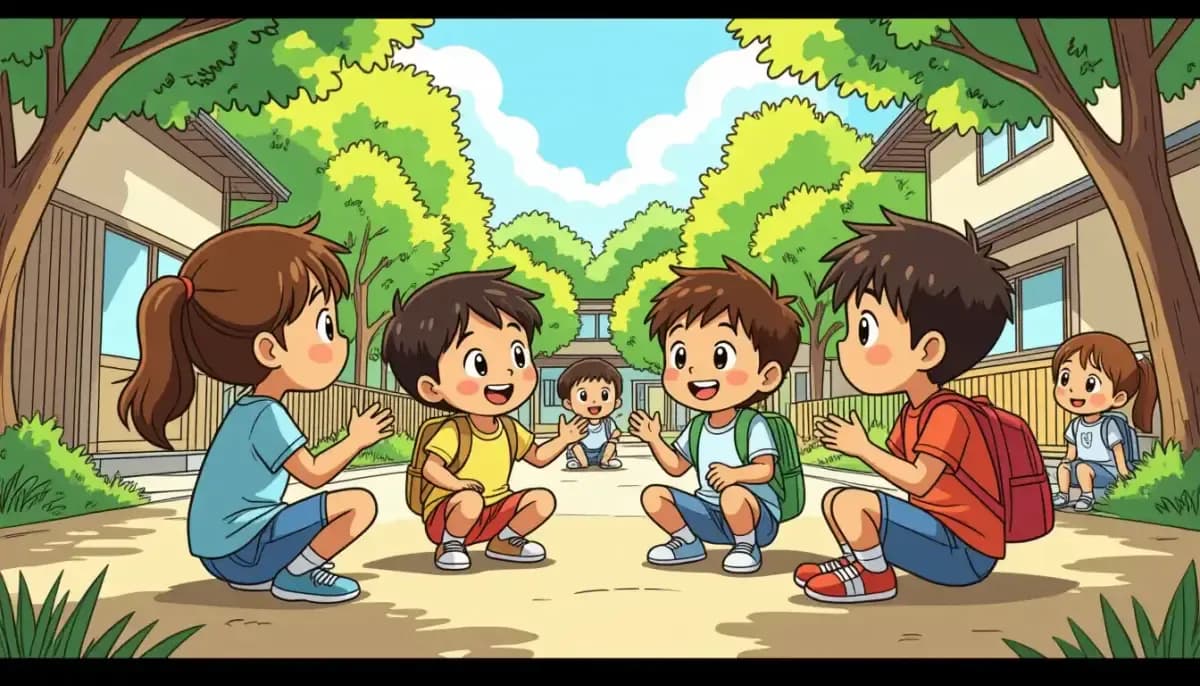
Find community support for hafu and mixed-heritage families in Japan. Online groups, non-profits, school resources, and cultural events to help bicultural families thrive.
International Community Support for Hafu Families in Japan
Raising a hafu (half-Japanese, half-non-Japanese) child in Japan comes with a unique set of joys and challenges. Bicultural families must navigate two languages, two sets of cultural expectations, and a society that is only gradually learning to embrace its multicultural members. Fortunately, an increasingly vibrant network of international community support exists to help hafu families thrive — from grassroots online groups to non-profit organizations and school-based resources.
This guide covers the landscape of community support available to hafu families across Japan, helping parents find the connections, information, and belonging that make all the difference.
Understanding the Hafu Experience in Japan
The word "hafu" (ハーフ) comes from the English "half" and refers to individuals with one Japanese and one non-Japanese parent. Some families prefer the term "daburu" (ダブル, meaning "double") to highlight the additive nature of two cultural heritages rather than implying incompleteness. The rise of this alternative term in the 1990s was itself a community-driven social movement.
The numbers tell a growing story: according to Japan's Ministry of Health, Labour and Welfare, 1 in every 49 babies born in Japan has at least one non-Japanese parent. As of 2023, 15,120 children (2.1% of all births) were born to mixed-nationality couples. Japan also sees more than 30,000 international marriages per year — approximately 1 in 30 of all unions.
Despite this growth, hafu children can face real challenges. This Is Japan's guide to hafu life and Guidable's overview of being mixed in Japan both document these experiences in detail: bullying at school, questions about their identity ("Are you really Japanese?"), and navigating two cultures simultaneously. Urban centers like Tokyo, Yokohama, and Fukuoka tend to be more welcoming than rural areas, but the experience varies greatly by family, neighborhood, and school environment.
Notable hafu individuals — including tennis champion Naomi Osaka, singer Namie Amuro, and model Kiko Mizuhara — have raised visibility and helped shift public perception. Still, for everyday hafu families, connecting with others who share similar experiences remains essential.
For a deeper look at how children develop their identity in this environment, see our guide on Cultural Identity for Hafu and Mixed-Race Children in Japan.
Online Communities and Social Media Groups
Online spaces have become the cornerstone of support for hafu families, especially for those in regions with fewer international residents.
Facebook's Hafu Japanese Group is one of the largest and most active, boasting over 6,000 members. The group serves as a forum for recipe swaps, bilingual parenting tips, and candid threads about identity and discrimination. Parents share resources, ask questions ("How do I explain my child's dual nationality to their school?"), and organize informal meetups.
Other active online communities include:
- Tokyo Mothers Group (Facebook) — A large group for international mothers in Tokyo covering parenting advice, school recommendations, and social events
- Multicultural Families Japan — Groups on both Facebook and LINE for mixed-heritage families sharing practical advice
- Internations Japan — A paid expat social network with local chapters in major cities, including family-focused events
- Reddit r/japanlife — While not hafu-specific, this community regularly features discussions relevant to mixed families, bilingualism, and education
These digital communities are particularly valuable before and after international relocations, providing a sense of continuity and belonging even as families move between cities. Learn more about resources for raising bilingual children at our article on Raising Bilingual Children in Japan: Strategies and Best Practices.
Non-Profit Organizations Supporting Multicultural Families
Several non-profit and civic organizations in Japan provide direct support to international and hafu families:
| Organization | Services | Focus Area |
|---|---|---|
| Multicultural Center Tokyo (MCTT) | Legal aid, counseling, multilingual info | Tokyo-based families |
| Japan Association for Refugees (JAR) | Crisis support, shelter referrals | Vulnerable international families |
| FRANCA | Advocacy and network for foreign residents | Nationwide |
| Kanagawa International Foundation (KIF) | Language support, cultural events | Kanagawa/Yokohama area |
| Osaka International House Foundation | Translation, legal guidance, community events | Osaka and Kansai region |
| CERD (Center for Education Rights and Development) | Education rights advocacy for foreign children | Nationwide |
Multicultural Center Tokyo (MCTT) is particularly active in providing multilingual counseling and connecting families with legal support. Their staff can advise on issues ranging from school enrollment to family visa matters.
Kanagawa International Foundation runs extensive programs including a multilingual hotline, community centers with cultural events, and support for children adapting to Japanese schools — all especially useful in the greater Yokohama area, which has one of Japan's largest hafu populations.
For information on navigating Japan's bureaucratic requirements as a bicultural family, visit our guide on Visa and Legal Issues for Foreign Families with Children in Japan.
For expat families settling in Japan, Living in Nihon provides general guidance on daily life as a foreigner, which can complement the community resources described here.
School and Educational Support Networks
The school environment is often where hafu children feel most acutely different, but it's also where community support can make the biggest positive impact.
Japanese public schools increasingly have multicultural support staff ("JSL" teachers — Japanese as a Second Language specialists) in cities with significant foreign populations. These teachers help non-Japanese-speaking children adapt, and many are experienced with the challenges of bicultural households.
International schools in Japan (see our International Schools in Japan guide) are another option, particularly for families who want multilingual instruction or anticipate returning abroad. Many international schools have a high proportion of hafu students and actively celebrate cultural diversity.
PTAs and school parent networks can be powerful resources once you break in. International families sometimes find PTA meetings daunting due to language barriers, but many schools now have informal "international families" WhatsApp or LINE groups where non-Japanese parents support each other.
Local boards of education (教育委員会, kyōiku iinkai) are required to offer some educational support for children who need Japanese language assistance. Parents can request a consultation to understand what resources the local school system provides.
For more on school options and what to expect, visit For Work in Japan, which covers life in Japan for those who relocate from abroad, including family matters.
Cultural Events and Community Meetups
In-person connection remains one of the most valued aspects of the hafu family community experience. Several recurring events help families meet:
- Hafu Meetups in Tokyo — Informal gatherings organized through the Hafu Japanese Facebook group, typically in areas like Shibuya, Shinjuku, or Minato-ku, where bicultural families meet for picnics, playdates, and cultural events
- International Matsuri Festivals — Many cities host international or multicultural festivals (国際交流まつり, kokusai kōryū matsuri) that celebrate global cultures alongside Japanese tradition
- Language Exchange Events — Programs like Tokyo Language Exchange bring together Japanese and international parents for conversation practice in relaxed, child-friendly settings
- YMCA and Religious Community Events — Faith communities often serve as informal international hubs, with multilingual services, international family networks, and events for children
Cities like Yokohama, Kobe, and Nagoya — with historically large international communities — have particularly robust calendars of multicultural events. Even smaller cities often have an annual international residents festival organized by local governments.
Connecting with these events early can help children build friendships with peers who share their bicultural experience. Peer connection is one of the most powerful factors in healthy identity development, as explored in our article on Mental Health and Emotional Wellbeing for Foreign Children in Japan.
Language and Identity Support Resources
One of the defining challenges and opportunities for hafu families is bilingualism. Maintaining both Japanese and a heritage language requires intentional effort and the right resources.
Community language schools (補習校, *hoshūkō*) are Saturday schools run by Japanese associations abroad, but equivalents also operate within Japan for heritage language maintenance. Chinese, Korean, English, and Portuguese speakers all have varying levels of community school options in major cities.
Bilingual reading groups and libraries operate in some international communities. The American Club Tokyo and British Council, for example, offer children's activities in English.
Online tutors and language apps have become increasingly important. Platforms connecting hafu families with bilingual tutors are now widely available, and apps like Gus on the Go and Duolingo Kids help reinforce heritage languages outside the classroom.
For a comprehensive strategy on heritage language maintenance, see our guide on Heritage Language Maintenance for Children in Japan and Teaching Japanese to Foreign Children.
More community resources and guides for multicultural families in Japan can also be found at Chuukou Benkyou, a resource site for families navigating Japanese education and daily life.
How to Find Your Community: Practical First Steps
If you are new to Japan or newly aware of the resources available, here is a practical roadmap for finding community support as a hafu family:
- Join the Hafu Japanese Facebook group — Introduce yourself and your location. Members are welcoming and quick to point you to local resources.
- Contact your local international exchange association — Every prefecture has one. Search "[Your City/Prefecture] 国際交流協会" (kokusai kōryū kyōkai). They publish multilingual guides and can connect you to local events.
- Reach out to your child's school — Ask about JSL teachers, parent support networks, and any multilingual resources available.
- Find a parent group in your area — Search Facebook for "[Your City] international families" or "[Your City] expat parents."
- Attend one multicultural event — Local international festivals are low-pressure ways to meet other families and learn about ongoing resources.
- Use Non-profit resources if needed — If you face legal, financial, or emotional challenges, organizations like Multicultural Center Tokyo and KIF can provide direct support.
Building community takes time, but the hafu family network in Japan is warm, knowledgeable, and growing. Whether you live in central Tokyo or a smaller city, the connections you make through these communities can transform the experience of raising a bicultural child in Japan.
For more guides on raising children in Japan as a foreign family, explore our full resource library starting with the Complete Guide to the Japanese Education System for Foreign Families.

Originally from Vietnam, living in Japan for 16+ years. Graduated from Nagoya University, with 11 years of professional experience at Japanese and international companies. Sharing practical information for foreign parents raising children in Japan.
View Profile →Related Articles
Growing Up Bilingual and Bicultural as a Hafu in Japan
A comprehensive guide to raising hafu children in Japan — bilingual development strategies, cultural identity support, school life tips, and community resources for bicultural families.
Read more →
Books and Resources About Being Hafu for Children
A complete guide to the best books, films, communities, and resources to help hafu (mixed-heritage) children in Japan build a strong, positive identity. Includes recommended picture books, documentaries, and online support groups for parents.
Read more →
Hafu Children's Experiences in Japanese Schools
Discover what hafu (mixed-race) children experience in Japanese schools — from identity challenges and bullying to bilingual expectations and practical tips for parents raising bicultural kids in Japan.
Read more →
How to Talk to Your Children About Race and Ethnicity
A practical guide for foreign parents and expat families in Japan on how to talk to children about race and ethnicity, mixed heritage identity, and building resilience in a multicultural family.
Read more →
Multicultural Identity Development Stages in Children
Understand the 5 stages of multicultural identity development for children raised in Japan. Practical guidance for expat and mixed-heritage families supporting their kids.
Read more →
Nationality Choices for Hafu Children in Japan
A complete guide for international families on nationality choices for hafu children in Japan — dual citizenship rules, the age 20 deadline, the critical 3-month rule for births abroad, and how to support your child's dual identity.
Read more →