
Famous Hafu Role Models for Children in Japan

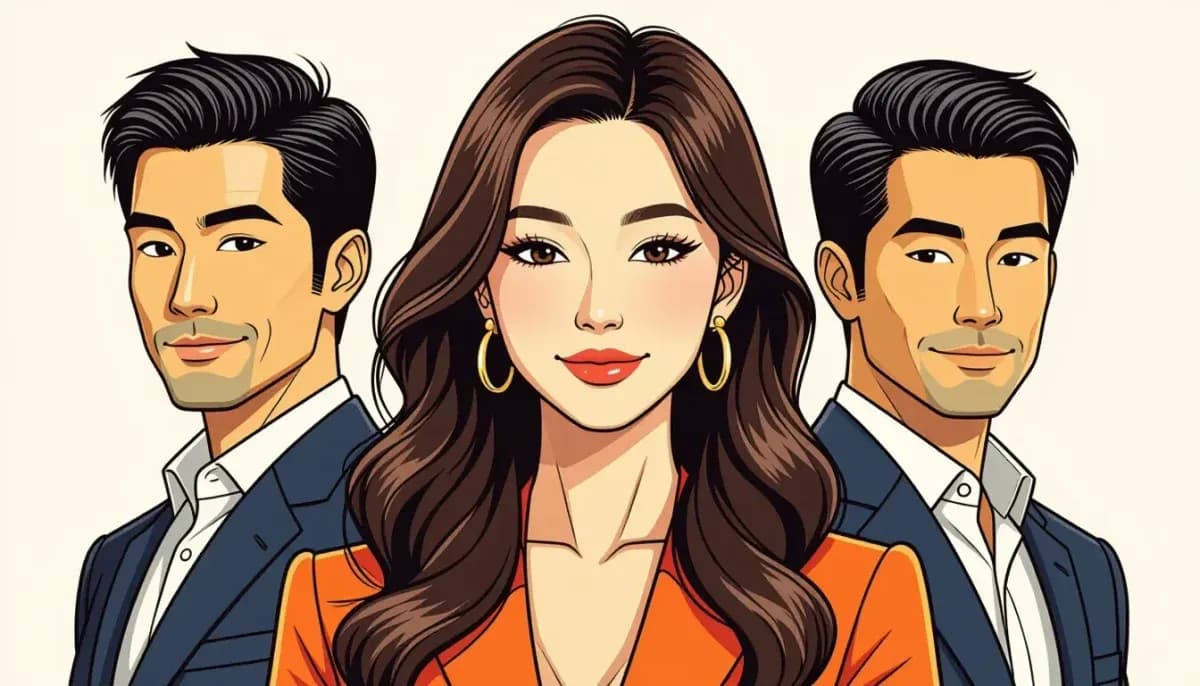
Discover inspiring hafu role models like Naomi Osaka, Kiko Mizuhara, and Rui Hachimura who show mixed-race children in Japan that their dual heritage is a strength, not a barrier.
Famous Hafu Role Models for Children in Japan
Growing up as a hafu — a person of mixed Japanese and non-Japanese heritage — can be a unique and sometimes challenging journey. But across Japan and the world, a remarkable group of hafu individuals have risen to extraordinary success, reshaping what it means to be Japanese in the 21st century. From tennis courts to fashion runways, from basketball arenas to television screens, these role models show mixed-race children in Japan that their dual heritage is not a barrier — it is a strength.
This guide explores the most inspiring hafu role models, their stories, the challenges they have overcome, and why their visibility matters so deeply for children navigating a mixed cultural identity in Japan.

Why Hafu Role Models Matter for Children
Children develop their sense of self in part by seeing people who look like them succeeding in the world. For hafu children in Japan — who may feel "different" both at school and sometimes within their own families — seeing well-known, respected figures who share their mixed heritage sends a powerful message: you belong, and your unique background is something to be proud of.
According to Japan's Ministry of Health, Labor and Welfare, one in every 49 babies born in Japan today has at least one non-Japanese parent. International marriages in Japan grew from approximately 5,500 in the 1970s to nearly 45,000 at their peak in 2006. This means there are tens of thousands of hafu children growing up across Japan right now, each navigating their own journey of identity.
Hafu children often experience:
- Questions about their identity from peers and adults
- Pressure to fit into a society that historically valued homogeneity
- The challenge of balancing two languages, two cultures, and two sets of expectations
- Both advantages (such as bilingualism) and disadvantages (including occasional bullying)
When a child sees a hafu celebrity win a Grand Slam tennis title, light the Olympic torch, or walk international runways, it changes something fundamental in how they see themselves. As one shift in public attitudes shows, people now increasingly say "being mixed is cool" — a change driven in large part by the visibility of successful hafu individuals.
For a comprehensive list of well-known hafu individuals, the Wikipedia list of hāfu people provides extensive reference. For more on supporting your child's cultural identity, see our guide on Cultural Identity for Hafu and Mixed-Race Children in Japan and Mental Health and Emotional Wellbeing for Foreign Children in Japan.
Naomi Osaka: A Global Icon Who Changed Japan's Self-Image
No hafu role model has had more impact on Japan in recent years than Naomi Osaka. Born to a Japanese mother and a Haitian-American father, Osaka became the first Japanese woman to win a Grand Slam singles title when she won the 2018 US Open. She has since won four Grand Slam titles and become one of the most recognizable athletes in the world.
Osaka's significance goes far beyond tennis. When she was chosen as the final torchbearer for the Tokyo 2020 Olympics, wearing bright red box braids celebrating Black diaspora traditions, she made an unmistakable statement: a new kind of Japan was possible. The selection was both celebrated and controversial — a reflection of how much Japan's identity is still evolving.
For mixed-race children watching from home, Osaka's moment at the Olympics was profound. Here was someone who refused to erase any part of who she was, who wore her full identity proudly on one of the world's greatest stages.
Osaka has spoken openly about her experiences growing up hafu and navigating dual identity:
- She has advocated for racial justice globally while representing Japan in sport
- She has used her platform to speak about mental health, resonating with many young people
- She represents the shift toward recognizing hafu individuals for achievement and character, not just appearance
Scholar analysis describes her as a "symbol of a new, more inclusive Japan" — a figure who signals that multiethnic Japanese identity is possible, even as Japan continues to grapple with what that means at a systemic level.
Kiko Mizuhara: Breaking Cultural Expectations in Fashion and Film
Kiko Mizuhara (born Audrie Kiko Daniel) is one of Japan's most internationally recognized models and actresses. Born to a Japanese mother and an American father, she grew up in Texas before moving to Japan, where she became a fashion and pop culture icon.
Mizuhara is known for:
- Being an "IT girl" both internationally and within Japan's fashion industry
- Challenging traditional cultural expectations through bold fashion choices
- Acting in Japanese films while maintaining a strong international presence
- Using her platform to push back against the limiting stereotypes placed on hafu women
Her career demonstrates that hafu women can succeed not just because of their looks, but because of their creativity, boldness, and cultural fluency. For young girls who are hafu, Mizuhara represents the possibility of moving between worlds — embracing both their Japanese side and their international heritage — without having to choose one over the other.
Rola: From Bangladeshi-Japanese Roots to Television Stardom
Rola (ローラ) became one of Japan's most beloved television personalities, known for her bubbly personality, distinctive voice, and unapologetic individuality. Born to a Bangladeshi father and Japanese-Russian mother, Rola's heritage made her stand out from the start.
What makes Rola particularly meaningful as a role model is her authenticity. Rather than downplaying her mixed background, she leaned into what made her different. Her success in mainstream Japanese television, commercials (including major brands like Yoshinoya), and entertainment showed that a hafu person of South Asian descent — not just white-Western heritage — could become a household name in Japan.
Rola has also been outspoken about social issues, using her large social media following to address human rights and environmental causes. For hafu children from non-Western backgrounds who may feel "doubly different," Rola's story is especially powerful.
Becky: The Long-Running Beloved TV Personality
Becky (ベッキー), born to a British father and Japanese mother, spent years as one of Japan's most recognizable television personalities. Known for her warm energy, fluent Japanese, and ability to connect with audiences, Becky became a fixture on variety shows and commercials throughout Japan.
Becky's significance lies in her representation of the "everyday hafu" — someone who is deeply Japanese in culture while carrying visible differences from the majority. Her ability to speak flawless Japanese, participate fully in Japanese cultural life, and still be proudly British-Japanese showed a generation of hafu children that they don't have to choose between their cultural worlds.
For parents raising hafu children and wondering how to help them feel at home in Japan, Becky's career offers a hopeful example. Her story is explored further in resources like Living in Nihon, which covers expat and hafu experiences in Japan in depth.
Rui Hachimura: Blazing a Trail in Basketball
Rui Hachimura represents a new frontier for hafu visibility in Japan. Born to a Japanese mother and a Beninese father, Hachimura made history as the first player of Black heritage to be selected for the Japanese national basketball team. He was subsequently selected by the Washington Wizards in the first round of the 2019 NBA Draft and now plays in the NBA.
Hachimura's story matters for several reasons:
- He showed that hafu athletes of Black heritage can represent Japan at the highest level of sport
- His journey from Toyama, Japan to the NBA demonstrates that hafu children from any background can achieve elite athletic success
- Like Osaka, he has navigated both pride in his Japanese identity and the complexities of being visibly different in Japan
Research on Hachimura's social media presence notes that his visible mixed-race identity has opened conversations about diversity and inclusion in Japanese sports culture that were simply not happening before. For young hafu boys especially, Hachimura is a figure who says: you can be fully Japanese and fully yourself at the same time.
See also our guide to Raising Bilingual Children in Japan for practical strategies that support hafu children's unique developmental journey.
Rina Fukushi: Representing Japan on the World's Fashion Stages
Rina Fukushi is one of Japan's most successful international models, walking for major fashion houses globally. Born to a Japanese mother and an American father, she has become a prominent figure in both Japanese and international fashion.
Fukushi's career challenges a common narrative: rather than hafu beauty being valued only within Japan's "hafu mania" obsession, Fukushi represents real international success based on talent and professionalism. She has spoken about navigating her identity and finding strength in her mixed heritage as a model working across cultures.
For young hafu girls who may feel uncertain about where they "belong," seeing someone like Fukushi succeed on global stages while proudly representing her Japanese identity is deeply encouraging. Resources like Savvy Tokyo's coverage of hafu in media explore how hafu models like Fukushi are changing the conversation around representation.
The "Hafu Mania" Phenomenon — and Its Complicated Side
It would be incomplete to discuss hafu role models without acknowledging a complicated cultural dynamic: "hafu mania." This term describes a widespread fascination in Japan with hafu aesthetics — a perception that mixed-race individuals are inherently more attractive, which has even spawned cosmetic products and procedures marketed to help non-hafu people achieve a "hafu look."
While this cultural obsession has given many hafu individuals platforms and opportunities, it also comes with real downsides:
- Hafu individuals (especially women) are often valued for their appearance rather than their whole selves
- The "all hafus are beautiful" stereotype, while superficially positive, reduces complex human beings to their looks
- The assumption that "all hafus speak two languages" and are always bicultural ignores the huge variation in hafu experiences
- Darker-skinned hafu individuals — particularly those with Black or South Asian heritage — report significantly more bullying and marginalization than those with white Western heritage
The best hafu role models are those who have navigated these pressures and emerged with a strong, multidimensional identity. Parents of hafu children should be aware of this dynamic and help their children understand that their worth goes far beyond appearance. Our guide to Heritage Language Maintenance for Children in Japan offers practical support for the linguistic side of hafu identity.
For work and career guidance related to Japan's international community, For Work in Japan provides resources that can help families understand the professional landscape their hafu children may one day navigate.
How to Use Role Models as a Parenting Tool
Knowing about these role models is one thing; actively using them to support your child's development is another. Here are practical ways parents can incorporate hafu role models into their parenting:
Share stories age-appropriately:
- For young children (ages 4-7): Focus on simple, positive stories ("Did you know this tennis player has a Japanese mom and an American dad, just like you?")
- For older children (ages 8-12): Discuss the challenges these figures faced and how they overcame them
- For teenagers: Engage in deeper conversations about identity, representation, and the role these figures play in changing Japanese society
Celebrate diverse achievement:
- Watch Naomi Osaka's matches together and discuss what her success means
- Look up Rui Hachimura's games and explore his journey from Japan to the NBA
- Browse fashion magazines that feature hafu models and talk about representation
Validate your child's feelings:
- When your child experiences difficulty related to their mixed heritage, point to role models who faced similar challenges
- Avoid toxic positivity ("just be proud of who you are") — acknowledge the real difficulties while also highlighting examples of people who have thrived
Connect with community:
- Online communities for hafu families in Japan have grown significantly, with groups of 6,000+ members providing support and cultural exchange
- Connecting with other hafu families helps children see that they are not alone
For more guidance on navigating the Japanese school system as a foreign or mixed family, see our Complete Guide to the Japanese Education System for Foreign Families.
Educational resources about Japan's multicultural future are also discussed at Chuukou Benkyou, a resource that covers study and academic life in Japan.
Hafu Role Models at a Glance
| Name | Heritage | Field | Key Achievement |
|---|---|---|---|
| Naomi Osaka | Japanese-Haitian | Tennis | 4x Grand Slam champion, Tokyo 2020 torchbearer |
| Kiko Mizuhara | Japanese-American | Modeling/Acting | International "IT girl," film roles |
| Rola | Japanese-Bangladeshi-Russian | TV/Entertainment | Major TV personality, brand ambassador |
| Becky | British-Japanese | TV/Entertainment | Long-running variety show presence |
| Rui Hachimura | Japanese-Beninese | Basketball | First Black-heritage Japan national team player, NBA player |
| Rina Fukushi | Japanese-American | Modeling | International runway model for global fashion houses |
| Namie Amuro | Okinawan/mixed heritage | Music | One of Japan's most celebrated pop icons |
| Ariana Miyamoto | Japanese-African-American | Beauty/Advocacy | Miss Universe Japan 2015, racial equity advocate |
The Future: A More Diverse Japan
The stories of these hafu role models are not just personal triumphs — they are part of a larger shift in what Japan is becoming. A 14-year-old hafu student's essay winning a national human rights prize in 2025 signals that the next generation is already changing the conversation. An estimated 30-40% of runway models in major Japanese fashion shows now identify as hafu. The Tokyo Olympics explicitly chose a mixed-race woman to light its torch.
For parents raising hafu children in Japan today, this moment offers genuine hope. The challenges are real — discrimination, bullying, and identity confusion remain serious concerns. But the visibility of successful, proud, multidimensional hafu role models is greater than it has ever been.
Your hafu child is growing up in a Japan where someone who looks like them won four Grand Slam titles, walked the world's greatest fashion runways, and stood at the center of the Olympic flame. That is a different Japan from the one that existed even a generation ago — and these role models helped build it.
For more resources on raising children in Japan as a foreign or mixed family, explore our complete guides on the Japanese education system, healthcare for children in Japan, and bilingual parenting strategies.

Originally from Vietnam, living in Japan for 16+ years. Graduated from Nagoya University, with 11 years of professional experience at Japanese and international companies. Sharing practical information for foreign parents raising children in Japan.
View Profile →Related Articles
Growing Up Bilingual and Bicultural as a Hafu in Japan
A comprehensive guide to raising hafu children in Japan — bilingual development strategies, cultural identity support, school life tips, and community resources for bicultural families.
Read more →
Books and Resources About Being Hafu for Children
A complete guide to the best books, films, communities, and resources to help hafu (mixed-heritage) children in Japan build a strong, positive identity. Includes recommended picture books, documentaries, and online support groups for parents.
Read more →
International Community Support for Hafu Families
Find community support for hafu and mixed-heritage families in Japan. Online groups, non-profits, school resources, and cultural events to help bicultural families thrive.
Read more →
Hafu Children's Experiences in Japanese Schools
Discover what hafu (mixed-race) children experience in Japanese schools — from identity challenges and bullying to bilingual expectations and practical tips for parents raising bicultural kids in Japan.
Read more →
How to Talk to Your Children About Race and Ethnicity
A practical guide for foreign parents and expat families in Japan on how to talk to children about race and ethnicity, mixed heritage identity, and building resilience in a multicultural family.
Read more →
Multicultural Identity Development Stages in Children
Understand the 5 stages of multicultural identity development for children raised in Japan. Practical guidance for expat and mixed-heritage families supporting their kids.
Read more →