
Dealing with Identity Questions and Stereotypes as a Hafu

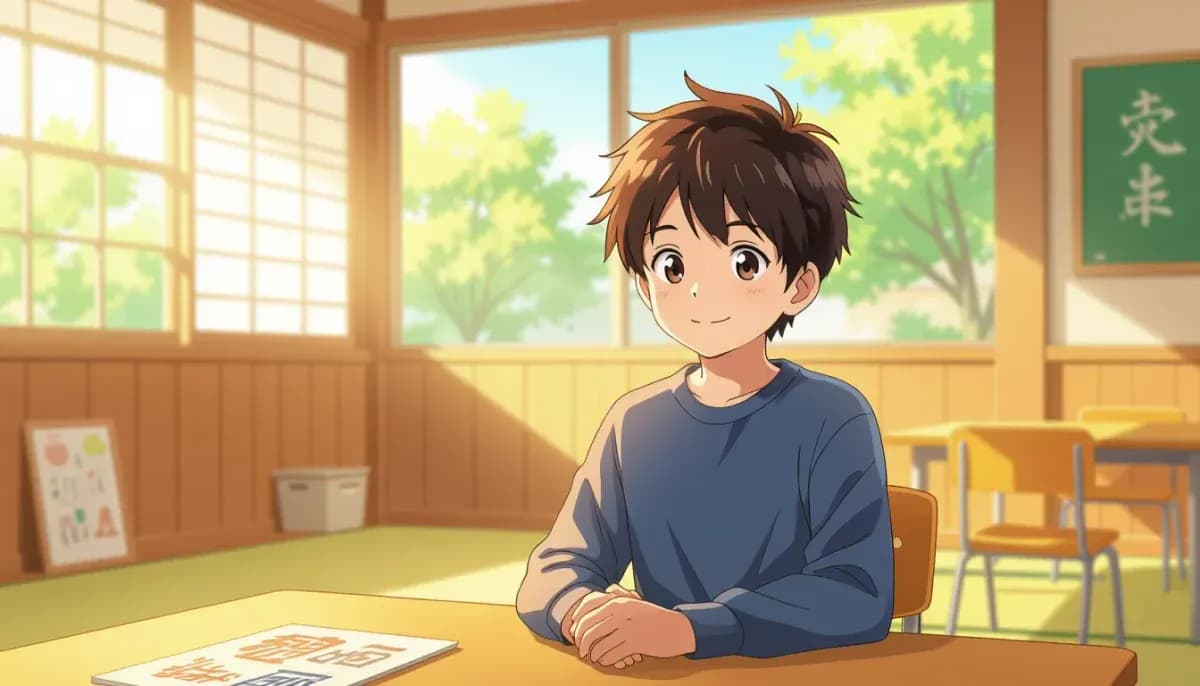
A practical guide for hafu individuals and parents on handling identity questions, stereotypes, and microaggressions in Japan. Learn scripts, strategies, and how to build a strong dual identity for mixed-heritage children.
Dealing with Identity Questions and Stereotypes as a Hafu
Growing up or living in Japan as a hafu — the Japanese term for a person of mixed Japanese and non-Japanese heritage — means navigating a world that often can't quite decide where you belong. From curious strangers asking "Where are you really from?" to well-meaning relatives commenting on your appearance, hafu children and adults face a unique set of identity challenges that go far beyond ordinary cultural adjustment. This guide is for parents, caregivers, and hafu individuals who want practical tools to handle those moments with confidence and self-respect.
Today, approximately 1 in every 49 babies born in Japan has at least one non-Japanese parent — a demographic shift that is quietly reshaping the country. Yet society, schools, and even government policy are still catching up. Understanding the landscape is the first step to navigating it well.
What Is "Hafu" — and Why the Word Itself Matters
The term hafu comes from the English word "half," and it has been used in Japan since the 1970s to describe people of mixed Japanese heritage. While the label is widely recognized and even embraced by many mixed-heritage individuals, it is also contested.
Critics point out that calling someone "half" implies they are incomplete — only partially Japanese, only partially their other heritage. This is why a growing number of people prefer the alternative term daburu (ダブル), derived from "double," which emphasizes that a person carries both heritages fully rather than being split between them.
For parents raising hafu children, the language you use at home matters. Using "daburu" or simply saying "you have two cultures, two languages, two sets of grandparents" frames the experience as abundance rather than division.
| Term | Meaning | Implication |
|---|---|---|
| Hafu (ハーフ) | "Half" | Mixed heritage, but can imply incompleteness |
| Daburu (ダブル) | "Double" | Full membership in both cultures |
| Kokusaiji (国際児) | "International child" | Neutral, used in academic/policy contexts |
| Mixed-heritage | English term | Neutral, increasingly used internationally |
For more on raising children with a strong dual identity, see our guide on Cultural Identity for Hafu and Mixed-Race Children in Japan.
Common Identity Questions and Stereotypes Hafu Face
Understanding the specific challenges hafu encounter is essential before you can address them effectively.
The "Where Are You Really From?" Question
This is arguably the most universal hafu experience. Even hafu who were born in Japan, speak flawless Japanese, attended Japanese schools their whole lives, and hold Japanese citizenship are regularly asked where they are "really" from — implying that their Japanese identity is somehow provisional or inauthentic.
Variations include:
- "Your Japanese is so good!" (said with genuine surprise)
- "You look foreign, but you speak Japanese?"
- "Are you really Japanese?"
- "Your eyes/hair/skin color is different"
These questions are often innocent in intent but can accumulate into what researchers call microaggressions — individually small interactions that, over time, send the message that you don't fully belong.
Appearance-Based Comments and Compliments
Hafu are frequently told they are attractive because of their mixed heritage: "Mixed kids are always so cute!" or "You must be popular because you look foreign." While intended as compliments, these comments reduce a person's worth to their genetic background and reinforce the idea that looking "foreign" is exotic or unusual.
The Double Outsider Problem
Many hafu report feeling "not Japanese enough" in Japan and "not [other nationality] enough" in their other home country. This double outsider experience — belonging fully neither here nor there — can be particularly painful during adolescence, when peer belonging is especially important.
Research consistently shows that hafu whose appearance is visibly non-East-Asian (for example, Black-Japanese or South Asian-Japanese individuals) face more overt discrimination and bullying than those whose appearance allows them to "pass" as ethnically Japanese. This reflects Japan's broader issues with race and colorism.
School Bullying and Social Exclusion
Elementary school and junior high school can be particularly challenging environments. Bullying (ijime) targeting hafu students may focus on their appearance, name, language ability, or perceived foreignness. Even without outright bullying, hafu students sometimes report feeling invisible — neither acknowledged as "properly Japanese" by Japanese classmates nor recognized as international by foreign classmates.
How to Handle Identity Questions: Practical Scripts
Preparation is one of the most effective tools. Having ready answers to common questions reduces the emotional labor of responding in the moment.
For Children: Age-Appropriate Responses
Ages 4–7 (simple, confident):
- "I'm Japanese and [nationality]. I have two countries!"
- "My mom is from Japan and my dad is from [country]. I get to have two languages."
Ages 8–12 (more nuanced):
- "I was born here and grew up here. I'm Japanese."
- "My family is from two places — I think that's pretty cool."
- "Why do you ask?" (This gently turns the question around without being confrontational.)
Teenagers (assertive boundary-setting):
- "I'm Japanese. What made you think I wasn't?"
- "I find that question a bit personal — what do you really want to know?"
- "I'm both, and I don't have to pick just one."
For Adults Navigating Workplaces and Social Settings
Some hafu adults create what advocates call "meeting cards" — brief, friendly explanations they can hand to people who ask intrusive questions, particularly in professional settings. This removes the burden of having to explain your background repeatedly.
Others use humor strategically: answering the "where are you really from?" question with the name of their specific Tokyo neighborhood, for example, deflects the question while making the questioner reflect on what they actually meant.
Building a Strong Hafu Identity at Home
The family environment is the most powerful influence on how a hafu child develops their sense of self. Parents and caregivers can take concrete steps to build resilience.
Make Both Cultures Visible and Valued
Celebrate holidays, foods, stories, and traditions from both sides of the family. If one parent's heritage tends to dominate (often the Japanese side, given the surrounding culture), make deliberate space for the other. Display photographs, artifacts, and books that reflect both worlds.
This naturally connects to heritage language maintenance — keeping the non-Japanese language alive at home is one of the most powerful ways to affirm both identities simultaneously.
Talk About Identity Early and Openly
Don't wait for a bullying incident or a confusing question to start conversations about mixed heritage. From toddlerhood, use casual, positive language: "In our family we do both — Japanese New Year and [other country's] Christmas." Normalize the discussion so that when harder questions arise at school, children have a framework to draw on.
Connect with Community
Isolation is one of the biggest challenges hafu children and their parents face. Finding others in similar situations provides both practical support and powerful modeling — seeing other hafu individuals living confidently and happily is deeply reassuring.
Resources include:
- HafuTalk (founded 2018) — an online community for mixed-heritage individuals, parents, and educators in Japan
- The Hafu Japanese Facebook group (6,000+ members) — an active community for discussion and support
- Local international family groups, many of which include hafu families
- School parent networks, especially at international or bilingual schools
For more on supporting emotional wellbeing, see our guide on Mental Health and Emotional Wellbeing for Foreign Children in Japan.
Legal Identity: The Dual Nationality Question
One of the most concrete identity challenges hafu face is Japan's restrictive citizenship law. Japan does not officially recognize dual nationality for adults. Children born to one Japanese and one non-Japanese parent can hold dual citizenship until age 22, at which point they are legally required to choose one nationality and renounce the other.
This law has been widely criticized by hafu communities, international legal experts, and human rights organizations. It forces a formal, legal rejection of part of one's identity at a time — young adulthood — when many people are still figuring out who they are.
Practically speaking, many hafu adults retain both passports beyond 22 without formally renouncing one, though this exists in a legal grey area. Some family lawyers recommend seeking legal counsel before the deadline rather than waiting. For detailed legal guidance, see our article on Visa and Legal Issues for Foreign Families with Children in Japan.
Role Models and Changing Narratives
One of the most powerful recent developments for the hafu community is the growing visibility of mixed-heritage public figures in Japan. Athletes like Naomi Osaka (Japanese-American) and Rui Hachimura (Japanese-Beninese) have not only achieved global fame but have spoken publicly about their experiences of discrimination — and in doing so, have started national conversations that were previously largely absent from mainstream Japanese media.
Both athletes have faced public racism despite their success, illustrating that visibility alone does not eliminate prejudice. But their willingness to speak openly about identity has given younger hafu individuals language and role models for their own experiences.
Closer to home, in 2025, a 14-year-old hafu student's essay titled "Hafu dakara nanda" ("Hafu, So What?") won a national human rights prize in Japan — a meaningful sign that the next generation is finding its voice.
Support and Resources for Hafu Families
| Resource | Type | Focus |
|---|---|---|
| HafuTalk | Online community | Mixed-heritage individuals and families in Japan |
| Hafu Japanese (Facebook) | Social group | Community support, 6,000+ members |
| Savvy Tokyo | English-language media | Articles on hafu experience and identity |
| Double the Love (book) | Reading | Raising biracial/bicultural children |
| School counselors | In-school | Direct support for bullied hafu students |
If your child is experiencing bullying at school related to their mixed heritage, escalate through the school's formal process and, if necessary, contact the local education board (kyoiku iinkai). Japan has national anti-bullying legislation, and schools are legally required to address reported cases.
For families considering international schooling as an alternative environment, see International Schools in Japan: The Definitive Guide for Families.
Raising Hafu Children: Key Principles
To summarize the approach advocated by child development experts and hafu community advocates:
- Use "double" language, not "half" language wherever possible
- Celebrate both cultural heritages actively — not just tolerating them but centering them
- Prepare your child with scripts for common identity questions before they encounter them
- Connect with community — other hafu families, support groups, and role models
- Stay engaged with school and address any bullying promptly and formally
- Talk openly about race, identity, and belonging from an early age
- Validate the complexity — it's okay to feel frustrated sometimes; the goal isn't to pretend everything is easy
For a broader perspective on raising children who move between cultures and languages, our pillar guide on Raising Bilingual Children in Japan covers strategies that apply directly to hafu families.
For general information about living in Japan as a foreign resident and raising children here, Living in Nihon offers a wealth of practical guides covering daily life, culture, and community.
For those balancing work life while raising hafu children, For Work in Japan provides resources specifically tailored to working expats and their families.
For educational support and study resources relevant to children navigating Japanese school life, Chuukou Benkyou covers academic preparation and school guidance.
For an in-depth look at hafu experiences in Japan, Savvy Tokyo's piece on being half Japanese is one of the most comprehensive English-language overviews available. And for a contemporary perspective from 2025, This is Japan's hafu life guide covers current community resources and lived experiences.
The path of raising a hafu child — or navigating hafu identity yourself — is genuinely challenging at times. But it is also an extraordinary opportunity to raise a person who holds two cultures, two languages, and two sets of traditions. The research is clear: with active parental support, strong community connection, and a framework of dual belonging rather than divided loyalty, hafu children thrive.

Originally from Vietnam, living in Japan for 16+ years. Graduated from Nagoya University, with 11 years of professional experience at Japanese and international companies. Sharing practical information for foreign parents raising children in Japan.
View Profile →Related Articles
Growing Up Bilingual and Bicultural as a Hafu in Japan
A comprehensive guide to raising hafu children in Japan — bilingual development strategies, cultural identity support, school life tips, and community resources for bicultural families.
Read more →
Books and Resources About Being Hafu for Children
A complete guide to the best books, films, communities, and resources to help hafu (mixed-heritage) children in Japan build a strong, positive identity. Includes recommended picture books, documentaries, and online support groups for parents.
Read more →
International Community Support for Hafu Families
Find community support for hafu and mixed-heritage families in Japan. Online groups, non-profits, school resources, and cultural events to help bicultural families thrive.
Read more →
Hafu Children's Experiences in Japanese Schools
Discover what hafu (mixed-race) children experience in Japanese schools — from identity challenges and bullying to bilingual expectations and practical tips for parents raising bicultural kids in Japan.
Read more →
How to Talk to Your Children About Race and Ethnicity
A practical guide for foreign parents and expat families in Japan on how to talk to children about race and ethnicity, mixed heritage identity, and building resilience in a multicultural family.
Read more →
Multicultural Identity Development Stages in Children
Understand the 5 stages of multicultural identity development for children raised in Japan. Practical guidance for expat and mixed-heritage families supporting their kids.
Read more →