
Understanding Medical Forms and Documents at Japanese Schools

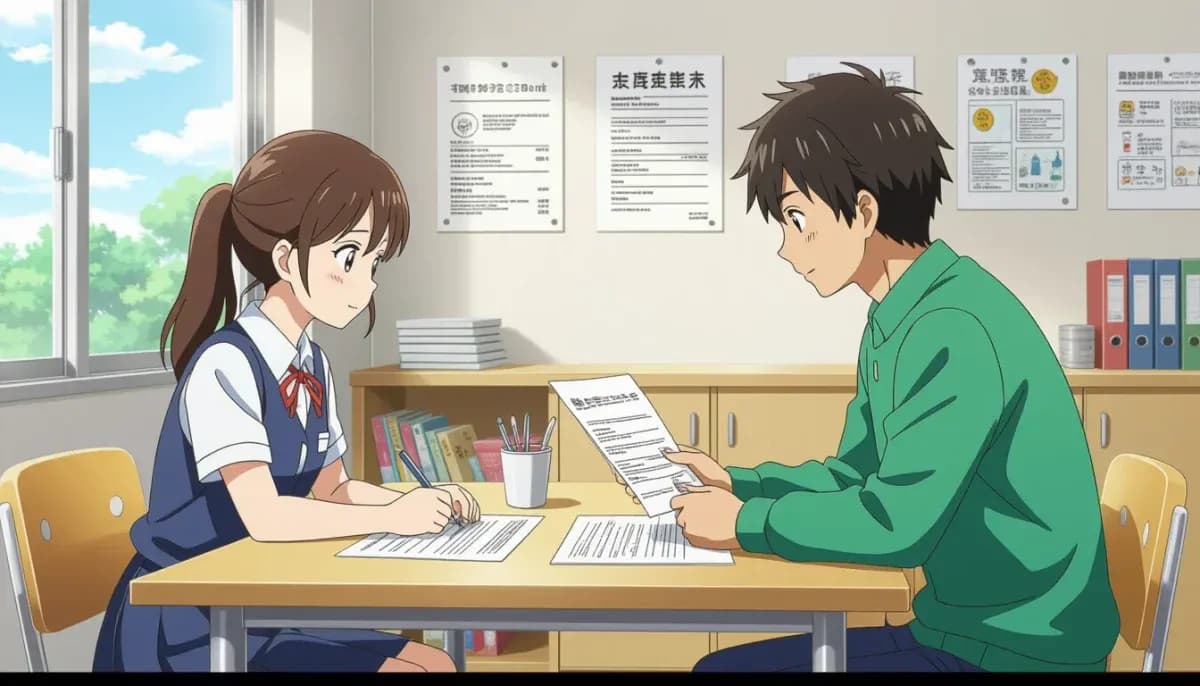
A complete guide to understanding medical forms and health documents at Japanese schools for foreign families, including school health checkups, vaccination records, allergy forms, and enrollment documents.
Understanding Medical Forms and Documents at Japanese Schools
Enrolling your child in a Japanese school as a foreign parent comes with a mountain of paperwork — much of it in Japanese. Among the most confusing aspects are the medical forms and health documents that schools require. From mandatory health checkups before starting elementary school to annual health assessments and vaccination records, understanding the system can make the transition much smoother for your family.
This guide breaks down everything foreign parents need to know about medical forms and documents at Japanese schools, what to bring, what to expect, and how to navigate the system even if your Japanese is limited.
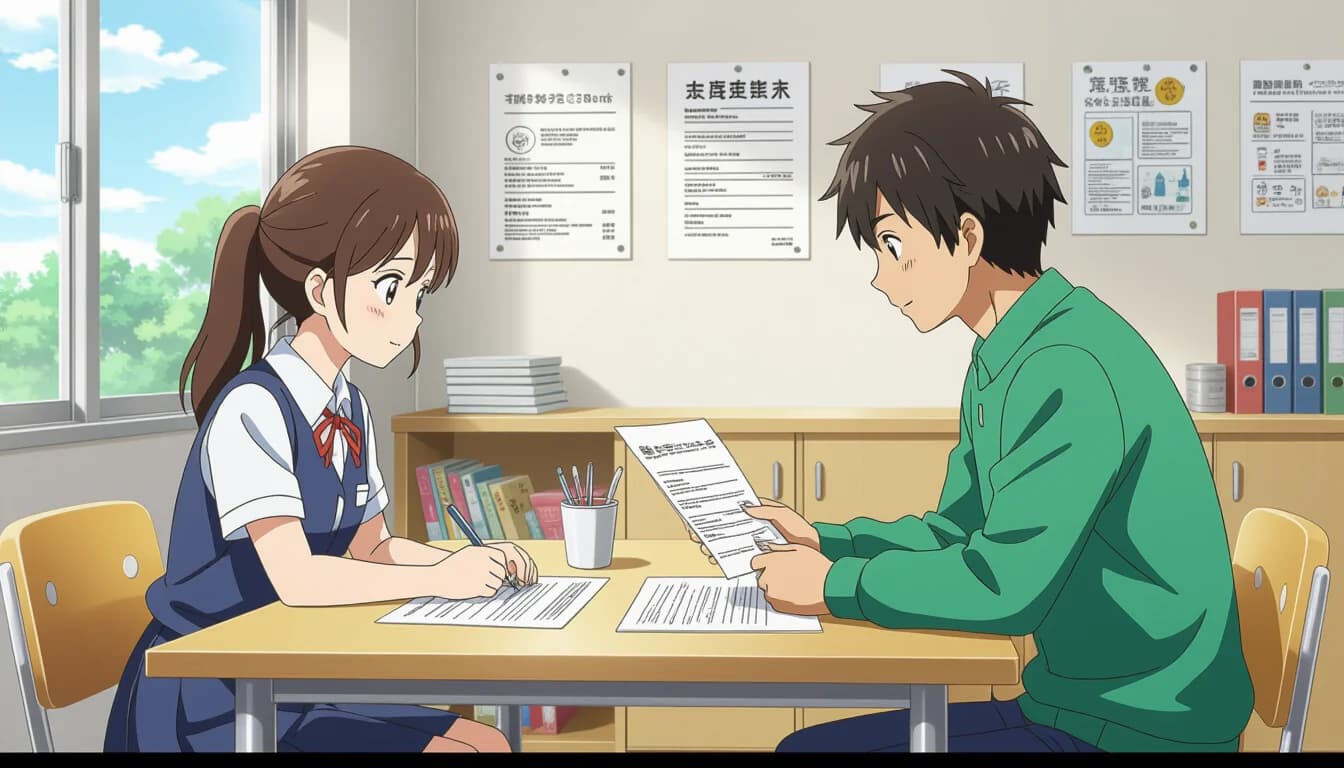
What Is the School Health Checkup (就学時健康診断)?
Before your child starts elementary school in Japan, they must attend a mandatory start-of-elementary-school health checkup (就学時健康診断, nyūgaku-ji kenkō shindan). This checkup is organized by the local Board of Education and typically takes place on weekday afternoons from late October through early December of the year before your child is due to start school.
The checkup is designed to assess your child's overall health and identify any conditions that might require special educational support. Here's what the examination covers:
| Examination Component | Description |
|---|---|
| Physical exam | General health assessment by the school doctor |
| Vision test | Standard eye examination; Landolt C chart used |
| Hearing test | Pure-tone audiometry; additional educational consultation if needed |
| Dental exam | Assessment of oral health by school dentist |
| Interview by faculty | Brief discussion to assess developmental readiness |
Important: Missing this checkup does not prevent your child from enrolling in school. The notification letter will specify the date, time, and location for your designated school.
Required Documents for the Health Checkup
When you take your child to the start-of-elementary-school health checkup, make sure to bring the following:
- Start-of-elementary-school notification letter (就学通知書) — sent to you by the Board of Education based on your registered address
- Survey slip for the health checkup — usually included with or attached to the notification letter; you fill this out at home
- Indoor footwear (上履き) — your child will need to change shoes at the school
- A bag for outdoor shoes
- Writing utensil and handkerchief
The Mother and Child Handbook (母子健康手帳, boshi kenkō techō) is not required for the checkup itself. However, if you lose the survey slip, you will need to fill one out at the checkup location — and you'll need the handbook to reference your child's vaccination history. Always keep your Mother and Child Handbook safe.
For more about how the overall enrollment process works, see our guide to applying for elementary school in Japan.
Vaccination Records: What Japanese Schools Expect
Japanese schools often request your child's vaccination records during enrollment or at the start-of-school health checkup. Japan follows the Japan Pediatric Society's immunization schedule, which differs from those in many other countries.
Key vaccinations tracked in Japan:
- BCG (tuberculosis) — mandatory in Japan, may not be standard in your home country
- MMR / MR (measles-rubella combined vaccine)
- Varicella (chickenpox)
- Japanese encephalitis (particularly for families in rural areas)
- DPT-IPV (diphtheria, pertussis, tetanus, polio)
- Hib and pneumococcal conjugate vaccines
If your child was vaccinated overseas, bring your original vaccination records. Ideally, have them translated into Japanese or at minimum English, as medical staff may not be able to interpret records in other languages. Your local ward office or Board of Education office can sometimes advise on where to get records translated.
You can learn more about finding English-speaking medical support at finding English-speaking pediatricians in Japan.
Annual School Health Checkups (定期健康診断)
In addition to the pre-enrollment checkup, Japanese law requires annual health checkups for all enrolled students (定期健康診断, teiki kenkō shindan). These are conducted at school, usually in April or May each school year. All children at public and private schools participate.
These annual checkups include:
- Height and weight measurements
- Vision and color perception tests
- Hearing assessment
- Dental and oral hygiene examination
- Spinal curvature check (scoliosis screening)
- Heart and chest examination
- Urine test (a sample collection kit sent home before the checkup)
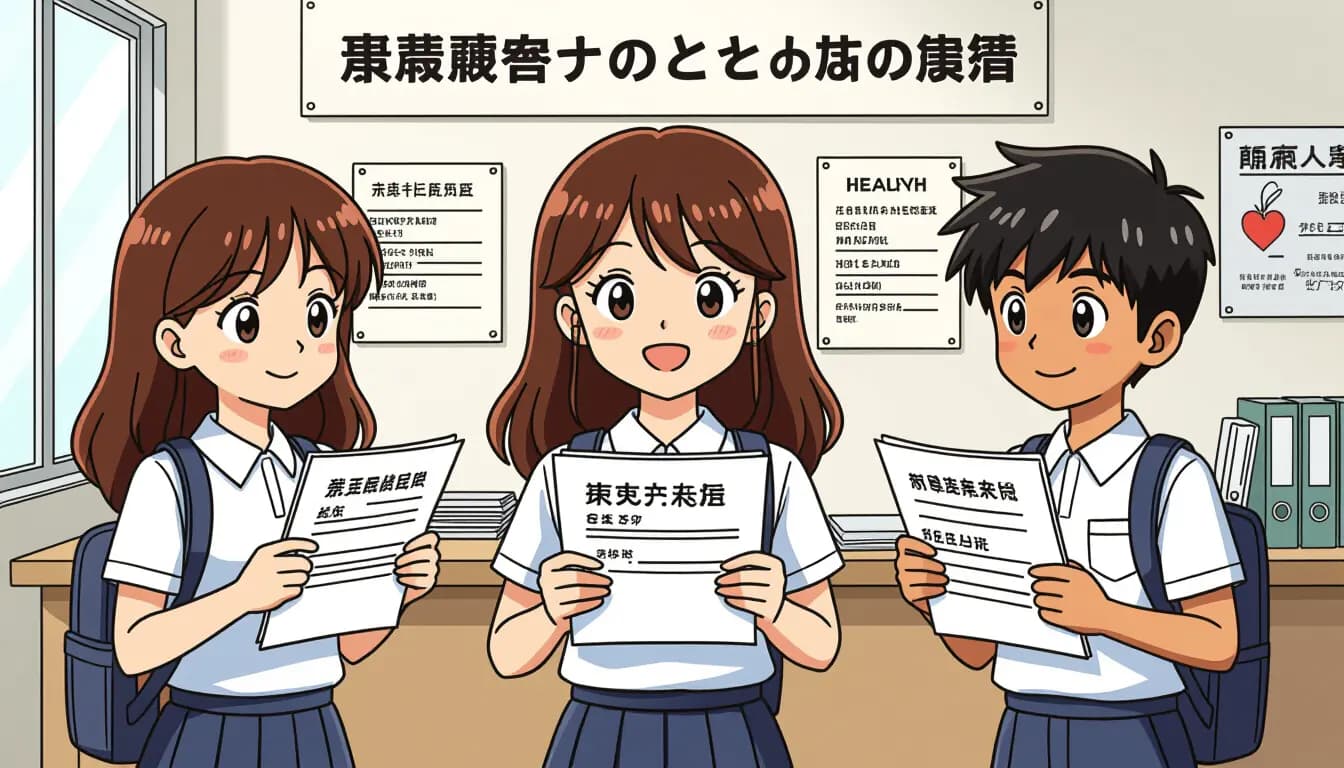
What Forms Will You Receive?
For annual school health checkups, schools send home:
- A health survey questionnaire (健康調査票) — to be completed by parents at home, covering your child's medical history, allergies, ongoing treatments, family health history, and lifestyle habits
- A urine sample kit — with instructions for collection at home
- A notification letter explaining the checkup schedule
Language challenge: These forms are almost always in Japanese. Even parents with intermediate Japanese skills may struggle with medical-specific kanji. If you need an English version, contact the school office as soon as possible — many urban schools, particularly those in areas with large expat communities, have English translations available.
How to Fill Out Japanese School Medical Forms
Filling out Japanese medical forms can be daunting. Here is a breakdown of the typical sections:
| Form Section | What It Asks (English Equivalent) |
|---|---|
| 氏名 / 生年月日 | Child's name / Date of birth |
| 既往歴 | Past medical history (illnesses, surgeries) |
| アレルギー | Allergies (food, medication, environment) |
| 現在の治療・服薬 | Current treatments or medications |
| 家族の病歴 | Family medical history |
| 生活習慣 | Lifestyle habits (sleep, diet) |
Practical tips for foreign parents:
- Use a translation app like Google Translate's camera function to get a quick scan of the form
- Ask a Japanese-speaking neighbor, coworker, or parent at the school for help
- Contact the school's administrative office (教務室) and explain you need assistance — most schools are accommodating
- The ward office (区役所) often has multilingual support staff who can help with school documents
For more practical tips on navigating Japanese bureaucracy, Living in Nihon provides comprehensive guides for foreigners managing daily life in Japan.
Documents Required for School Enrollment as a Foreign Family
When enrolling your child in a Japanese public school, the Board of Education will ask for several documents. Medical forms are part of a broader set of enrollment documents.
Standard enrollment documents:
| Document | Purpose |
|---|---|
| Residence certificate (住民票) | Proves your registered address and determines your school district |
| Passport (child's) | Confirms date of birth and identity |
| Guardian's passport or residence card | Confirms guardian identity |
| Certificate of alien registration (if applicable) | Confirms legal residence status |
| Notification of school enrollment (就学通知書) | Issued by the Board of Education |
| Vaccination records | Submitted to the school health office |
Visit your local Board of Education office (教育委員会) with these documents. They will assign your child to a school based on your registered address. For a detailed walk-through of the enrollment process, see our guide to the Japanese education system for foreign families.
For additional guidance on working-related visa and family documentation requirements, For Work in Japan covers residency and document processes for foreign residents.
Allergy and Dietary Restriction Forms
One area that foreign parents often overlook is the allergy and dietary restriction documentation required by Japanese schools — especially for school lunch (給食, kyūshoku). This is a critical form, as Japanese school lunches are carefully planned but not always accommodating of international dietary practices without prior notification.
Most schools require:
- An allergy declaration form (アレルギー対応申請書) — filed at enrollment and reviewed annually
- A doctor's letter (医師の診断書 or 指示書) if your child has a serious allergy requiring special accommodation
- Annual renewal of allergy accommodations (requirements may change year to year)
Common allergens tracked in Japanese school allergy forms: Eggs, milk, wheat, buckwheat (soba), peanuts, shrimp, crab, tree nuts, sesame seeds.
If your child has severe food allergies, speak with the school nurse (養護教諭, yōgo kyōyu) as early as possible. They are the primary point of contact for all health-related documentation at Japanese schools.
School Nurse and the Health Room (保健室)
The health room (保健室, hokenshitsu) is the administrative and medical hub for student health at Japanese schools. Every public school in Japan has a full-time school nurse who handles:
- Storing and managing student medical records
- Processing and filing all health forms submitted by parents
- Conducting vision and hearing screenings during annual checkups
- Managing medication administration (requires separate documentation)
- Handling injuries and illness during school hours
Medication at school: If your child needs to take medication during school hours, you must submit a medication administration request form (与薬依頼書) along with the prescription details. Schools have strict protocols for this and cannot administer medication without proper documentation.
For more on managing your child's health and well-being in Japan, our guide on signs of stress and anxiety in expat children may also be helpful.
For comprehensive study and educational support resources, Chuukou Benkyou provides excellent guidance for students navigating the Japanese school system.
Tips for Managing Medical Documents as a Foreign Parent
Managing medical paperwork across two languages and two systems is challenging. Here are some strategies:
- Create a document folder — Keep all medical documents (vaccination records, allergy forms, health survey responses, school health reports) in one physical binder and a digital backup
- Get copies of everything — Always request and keep copies of any form you submit to the school
- Learn key medical vocabulary — Even 20-30 medical terms (fever = 熱, allergy = アレルギー, medication = 薬) can make a significant difference in understanding forms
- Connect with expat parent communities — Online communities such as expat Facebook groups in your area often share translated form templates and advice
- Ask the school nurse early — The school nurse is your most important ally; introduce yourself at the start of each school year
Understanding the overall structure of Japanese schools will also help you navigate medical paperwork more confidently. See our overview of how the Japanese school system works.
For more in-depth information on vaccination requirements and health checkups for expats in Japan, the Japan Handbook guide on vaccinations and health checkups is an excellent resource.
Conclusion
Medical forms and documents at Japanese schools can seem overwhelming at first, but once you understand the system, the process becomes manageable. The key documents — the pre-enrollment health checkup survey, annual health questionnaires, vaccination records, and allergy declaration forms — all serve important purposes and are handled primarily through the school nurse.
The most important steps are to register your residence early, obtain your child's vaccination records in a translatable format, communicate proactively with the school nurse, and request English versions of forms wherever they're available. With preparation and the right resources, foreign families can navigate Japanese school health documentation confidently.
For general guidance on day-to-day life in Japan as an expat family, explore Living in Nihon and For Work in Japan for comprehensive coverage of life, work, and family in Japan.

Originally from Vietnam, living in Japan for 16+ years. Graduated from Nagoya University, with 11 years of professional experience at Japanese and international companies. Sharing practical information for foreign parents raising children in Japan.
View Profile →Related Articles
Children's Health Checkup Timeline in Japan
Complete guide to Japan's children's health checkup timeline for foreign parents. Learn about free municipal checkups, vaccination schedules, costs, and tips for expats navigating the Japanese healthcare system.
Read more →
When Your Child Is Hospitalized in Japan
Navigate your child's hospitalization in Japan with confidence. Learn about admission procedures, costs, insurance coverage, what to bring, communicating with staff, and discharge in Japan's pediatric system.
Read more →
Traditional Japanese Remedies and Home Treatments for Kids
Discover traditional Japanese home remedies for children: okayu, hachimitsu daikon, shoga-yu, umeboshi, and Kampo medicine. Practical guide for foreign parents in Japan.
Read more →
Mental Health Services for Children in Japan
Navigate mental health services for children in Japan as a foreign parent. Find English-speaking therapists, understand insurance coverage, and access crisis resources for your child.
Read more →
Eye Care and Vision Screening for Children in Japan
Complete guide to children's eye care in Japan: mandatory school vision screenings, ganka clinics, myopia statistics, insurance coverage, and tips for expat families navigating Japan's eye health system.
Read more →
Managing Food Allergies in Children in Japan
Complete guide to managing food allergies in children in Japan. Learn about Japan's allergen labeling system, allergy-safe restaurants, school lunch accommodations, medical care, and emergency phrases for foreign parents.
Read more →