
Children's Health Checkup Timeline in Japan

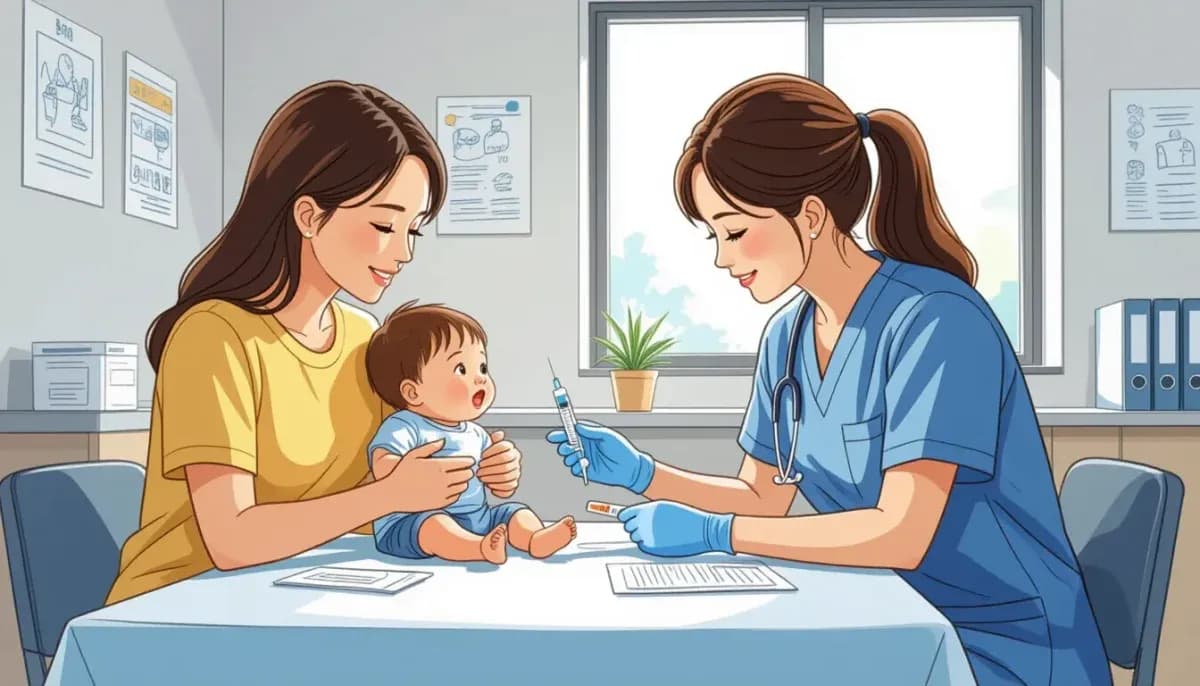
Complete guide to Japan's children's health checkup timeline for foreign parents. Learn about free municipal checkups, vaccination schedules, costs, and tips for expats navigating the Japanese healthcare system.
Children's Health Checkup Timeline in Japan: A Complete Guide for Foreign Parents
Navigating Japan's healthcare system with young children can feel overwhelming, especially when official notifications arrive in Japanese and the process differs significantly from your home country. The good news is that Japan offers an excellent, well-structured system of free health checkups for infants and young children — and once you understand the timeline, it becomes much easier to stay on top of your child's health needs.
This guide walks you through every stage of Japan's children's health checkup timeline, from birth through elementary school entry, with practical tips for foreign parents on how to access these services, what to expect, and how to get language support.
The Mother and Child Health Handbook (Boshi Techo): Your Essential Document
Before diving into checkup schedules, it's important to understand the boshi techo (母子手帳), or Mother and Child Health Handbook. This small booklet is issued by your city or ward office and serves as the central record for your child's entire health journey — from prenatal care through elementary school.
The boshi techo includes:
- Space to record every checkup result
- Vaccination history and coupon booklets
- Developmental milestones and growth charts
- Health questionnaires for parents
You'll receive the boshi techo when you register your pregnancy at your local city office. Always bring it to every checkup and vaccination. If you lose it, contact your ward office immediately to get a replacement.
For foreign parents navigating Japan's health system, understanding the broader healthcare infrastructure is essential. Living in Nihon's guide to Japan's health insurance and medical system provides a comprehensive overview of how national health insurance works and how to access hospital care.
Overview: Japan's Free Municipal Health Checkup Schedule
Japan's Ministry of Health mandates that municipalities provide free health checkups at specific ages. Here is a quick overview of the standard checkup timeline:
| Age | Type | Location | Cost |
|---|---|---|---|
| 1 month | Post-birth check | Birth hospital or pediatrician | ¥3,000–5,000 (not free) |
| 3–4 months | Municipal checkup | Local health center | Free |
| 6–7 months | Clinic checkup | Pediatric clinic (coupon) | Free |
| 9–10 months | Clinic checkup | Pediatric clinic (coupon) | Free |
| 18 months | Legally required | Local health center | Free |
| 3 years | Legally required | Local health center | Free |
| Pre-elementary | School entry check | Municipality | Free |
The 18-month and 3-year checkups are legally required under Japan's Maternal and Child Health Act and are always provided free of charge at your local city or ward health center.
Newborn to 1 Month: The First Health Check
The first health check happens at the hospital where your baby is born, typically within the first week. This is not a municipal checkup and is not free — expect to pay around ¥3,000 to ¥5,000 depending on the facility.
What is evaluated:
- Overall growth, weight gain, and length
- Congenital conditions (heart defects, hip joint problems, hydrocephalus)
- Feeding progress (breastfeeding or formula)
- Jaundice levels
- Neonatal hearing screening
The 1-month checkup is typically done at the birth hospital or your chosen local pediatrician. After this, your child will be enrolled in the municipal checkup system and you will receive coupon notifications for subsequent checkups.
If you gave birth in Japan as a foreign parent, be sure to also complete your child's birth registration at the ward office within 14 days. This step is required to receive your boshi techo coupon booklet and begin the municipal checkup schedule. For more on what happens after birth, see our guide on pregnancy and giving birth in Japan as a foreign parent.
3–4 Months: The First Municipal Group Checkup
The 3 to 4-month checkup is the first free municipal health check and is typically held at your local ward health and welfare center. Most municipalities organize these as group checkups, meaning you and your baby will attend alongside other families of similar-aged babies.
What is assessed:
- Neck strength and head control (can the baby hold their head up?)
- Body symmetry and hip joint development
- Weight, height, and head circumference measurements
- Early signs of congenital conditions
- Feeding and sleep guidance for parents
You will receive an official invitation letter with your designated date and time. The notification is in Japanese, so if you cannot read it, take it to your ward office or contact a local foreigner support center for help with translation.
Tips for foreign parents:
- Contact your ward office in advance to request interpreter support at the checkup
- Some wards have multilingual staff; others may require you to bring your own support
- Japan Healthcare Info (japanhealthinfo.com) provides English-speaking pediatrician referrals and can assist with questionnaire translation
6–7 Months: Clinic-Based Checkup
The 6 to 7-month checkup differs slightly from the municipal group checkups — it takes place at a designated local pediatric clinic rather than the health center. You will receive an invitational coupon from your ward office, which makes the visit free of charge.
You must call the clinic to make an appointment in advance. The checkup covers:
- Motor skills (rolling over, sitting with support)
- Mental development (stranger awareness, response to voices)
- Visual tracking and early communication
- Overall growth measurements
This is also an excellent opportunity to establish a relationship with a local pediatrician. Ask your ward office or foreigner support group about English-speaking clinics in your area if Japanese communication is a barrier.
9–10 Months: Second Clinic-Based Checkup
The 9 to 10-month checkup follows the same clinic-based format with a coupon. Key developmental milestones evaluated at this stage include:
- Crawling ability and attempts to stand while holding support
- Imitation skills (clapping hands, waving goodbye)
- Vocalization and early language development
- Pincer grasp (picking up small objects)
- Social engagement and responsiveness
If any concerns arise — particularly around motor development or hearing — the clinic doctor may refer your child to a specialist. Early referral in Japan's system is generally smooth once you are registered in the municipal checkup network.
18 Months: The Legally Required Toddler Check
The 18-month checkup is the first of two legally mandated free municipal health checks under Japan's Maternal and Child Health Act. It is conducted at your local health center and can be either a group or individual appointment depending on your municipality.
What is evaluated:
- Walking ability (most children walk by 12–15 months)
- Speech and communication (points to objects, says simple words)
- Fine motor skills (stacks blocks, uses a spoon)
- Dental screening for early cavities and tooth-brushing habits
- Developmental screening for autism spectrum indicators
- Parent questionnaire on behavior and daily routines
The autism screening at this stage is an important early intervention tool. If concerns are raised, your child will be referred for further evaluation — a positive outcome, not a cause for alarm.
For general information on healthcare access for children in Japan, see our comprehensive guide on healthcare and medical care for children in Japan.
3 Years: The San Sai Kenshin (Last Free Municipal Check)
The 3-year health check (三歳健診, san sai kenshin) is mandated by law and is the last free municipal health check before your child begins elementary school. It has been a core part of Japan's child health system since 1961.
The checkup takes approximately 45 minutes and includes multiple stations. Before you arrive, parents are required to complete several tasks at home:
- A urine sample from your child (a small packet is mailed to you in advance)
- At-home vision test using a simple chart
- At-home hearing test with instructions
- A detailed behavioral and developmental questionnaire
At the health center, your child will be assessed by:
- A dentist (teeth, gums, bite)
- A doctor (height, weight, heart function)
- Vision and hearing specialists (using the at-home test results)
- A social worker or counselor (language, behavior, social development)
- A public health nurse (overall developmental review)
The 3-year checkup also includes screening for autism spectrum disorders, kidney disease markers (via urine test), and early signs of diabetes. If any issue is identified, a referral will be made immediately.
As the Savvy Tokyo piece on the three-year health check in Japan notes, staff are generally very kind and good at making children feel comfortable during the process.
Pre-Elementary School: Shuugakuji Kenko Shindan
Before your child enters elementary school (around age 6), municipalities conduct a pre-elementary school health checkup (就学時健康診断). This is typically organized by the school your child will attend and is free of charge.
What is included:
- Physical examination by school doctor
- Eye examination
- Dental examination by school dentist
- Vision and hearing tests
- Educational consultations for children with identified needs
This checkup is also the time when any special educational support needs are flagged, and parents can discuss options with school staff and education consultants. Foreign families should also confirm their child's school enrollment status at this stage. Our guide to elementary school in Japan for foreign parents covers everything you need to know about the enrollment process.
Japan's Childhood Vaccination Schedule
Alongside health checkups, Japan maintains a structured national vaccination program. Routine vaccinations are free of charge using coupon booklets received from your ward office after birth registration.
| Vaccine | Starting Age | Notes |
|---|---|---|
| BCG (tuberculosis) | ~5 months | One-time, often at health center |
| Hib (meningitis) | 2 months | Series of 4 doses |
| PCV (pneumococcal) | 2 months | Series of 4 doses |
| DTaP (diphtheria, tetanus, pertussis) | 3 months | Series of 4 doses |
| IPV (polio) | 3 months | Combined with DTaP |
| Hepatitis B | 2 months | 3 doses |
| Rotavirus | 2 months | Oral vaccine, 2–3 doses |
| MR (measles, rubella) | 12 months | 2 doses |
| Varicella (chickenpox) | 12 months | 2 doses |
| Japanese Encephalitis | 3 years | 2+1 dose series |
| HPV | 12 years | For girls, 3 doses |
Japan's vaccination schedule has become increasingly complex as new vaccines have been added. Work closely with your pediatrician to create a personalized schedule that fits your child's age, health, and any vaccines already received in your home country.
For expats whose children were born abroad, note that Japan may not recognize all foreign vaccinations. Bring official vaccination records to your first pediatric appointment so the doctor can assess what has already been administered.
Tips for Foreign Parents Navigating Japan's Checkup System
Language Support
All checkup notifications and questionnaires arrive in Japanese. Here are ways to get help:
- Ward office: Request a multilingual staff member or interpreter for checkup appointments
- Japan Healthcare Info: Offers translation assistance and English-speaking pediatrician referrals
- CLAIR (Council of Local Authorities for International Relations): Provides multilingual parenting resources
- Local foreigner support centers (外国人相談窓口): Available in most major cities
What to Bring to Every Checkup
- Boshi techo (母子手帳) — your mother-child health handbook
- Municipal checkup coupon (provided in advance)
- Any completed at-home questionnaires or test results
- Your child's insurance card (health insurance card)
- A change of clothes for your child
- Snacks or a favorite toy to keep your child calm
Missing a Checkup
If you miss a scheduled free checkup, contact your ward office. In most cases, you can still access the checkup at a later date, though it may no longer be free if done at a private clinic instead of the health center.
For a broader picture of family life in Japan as a foreigner, ForWorkInJapan's family life guide is a useful resource covering everything from housing to childcare support networks. You should also explore Japan Handbook's vaccination and health guide for expats for more detailed information on immunization access.
Cost Summary: What's Free and What Isn't
One of the most reassuring aspects of raising children in Japan is how affordable the official checkup system is. Here's a breakdown:
| Checkup | Cost |
|---|---|
| Municipal group checkups (3M, 18M, 3Y) | Free |
| Clinic checkups with coupon (6M, 9M) | Free |
| Routine vaccinations (with coupons) | Free |
| 1-month check at hospital | ¥3,000–5,000 |
| Additional pediatric visits | Depends on local subsidies |
| Pre-elementary school check | Free |
Beyond the free checkup schedule, many Japanese local governments provide additional subsidies that make routine pediatric care extremely affordable. Children under 6 have a reduced copay rate of 20% nationally under the universal health insurance system, and many cities extend free healthcare coverage for children through junior high school age. Check with your local ward office for details on your specific area's subsidy programs.
For financial planning as an expat family in Japan, our guide on financial planning for expat families raising children in Japan can help you understand the full picture of child-related costs and benefits.
For Japanese-language resources on children's education and development in Japan, Chuukou Benkyou offers useful references for families.
Conclusion
Japan's children's health checkup system is thorough, well-organized, and largely free — a significant benefit for foreign families raising children here. The key is to understand the timeline, stay connected with your ward office, and proactively seek language support when needed.
Quick summary of the essentials:
- Collect your boshi techo immediately after registering your pregnancy or your child's birth
- Attend all free municipal checkups at 3–4 months, 18 months, and 3 years
- Use coupon booklets for clinic checkups at 6–7 months and 9–10 months
- Follow Japan's national vaccination schedule with your pediatrician
- Contact your ward office for interpreter support at any checkup
- Bring your boshi techo to every single appointment
Starting with the right healthcare foundation gives your child the best possible start to life in Japan. For related guidance, explore our articles on baby and infant care in Japan and toddler parenting in Japan.

Originally from Vietnam, living in Japan for 16+ years. Graduated from Nagoya University, with 11 years of professional experience at Japanese and international companies. Sharing practical information for foreign parents raising children in Japan.
View Profile →Related Articles
When Your Child Is Hospitalized in Japan
Navigate your child's hospitalization in Japan with confidence. Learn about admission procedures, costs, insurance coverage, what to bring, communicating with staff, and discharge in Japan's pediatric system.
Read more →
Understanding Medical Forms and Documents at Japanese Schools
A complete guide to understanding medical forms and health documents at Japanese schools for foreign families, including school health checkups, vaccination records, allergy forms, and enrollment documents.
Read more →
Traditional Japanese Remedies and Home Treatments for Kids
Discover traditional Japanese home remedies for children: okayu, hachimitsu daikon, shoga-yu, umeboshi, and Kampo medicine. Practical guide for foreign parents in Japan.
Read more →
Mental Health Services for Children in Japan
Navigate mental health services for children in Japan as a foreign parent. Find English-speaking therapists, understand insurance coverage, and access crisis resources for your child.
Read more →
Eye Care and Vision Screening for Children in Japan
Complete guide to children's eye care in Japan: mandatory school vision screenings, ganka clinics, myopia statistics, insurance coverage, and tips for expat families navigating Japan's eye health system.
Read more →
Managing Food Allergies in Children in Japan
Complete guide to managing food allergies in children in Japan. Learn about Japan's allergen labeling system, allergy-safe restaurants, school lunch accommodations, medical care, and emergency phrases for foreign parents.
Read more →