
When Your Child Is Hospitalized in Japan

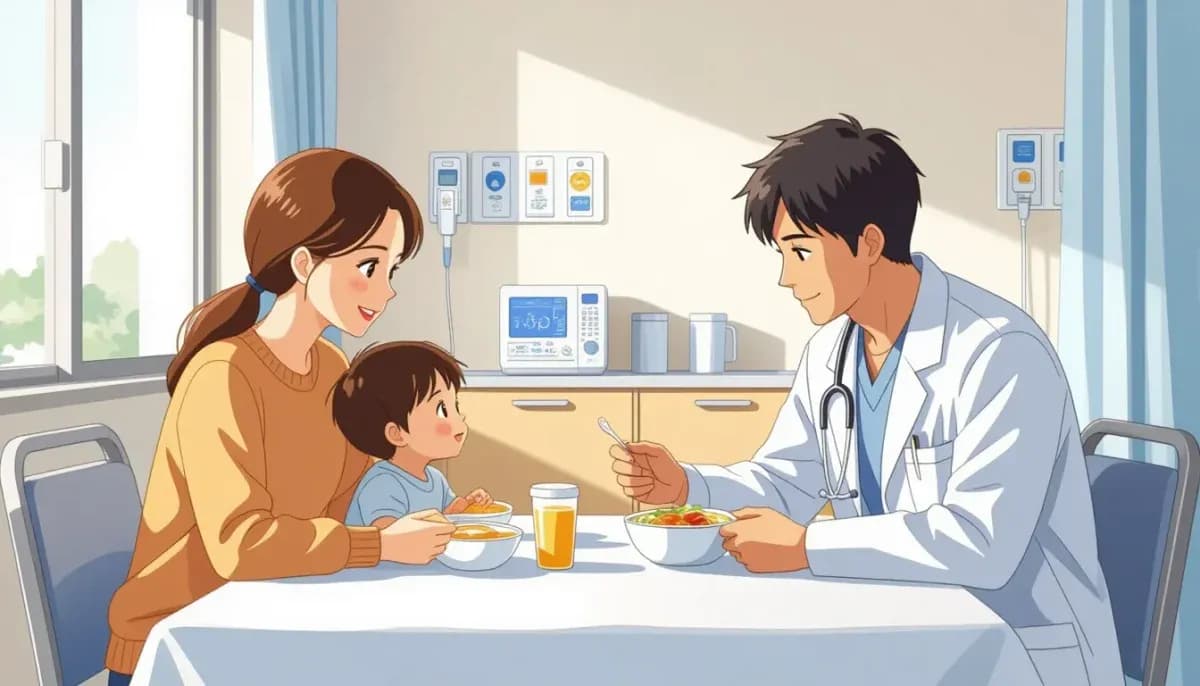
Navigate your child's hospitalization in Japan with confidence. Learn about admission procedures, costs, insurance coverage, what to bring, communicating with staff, and discharge in Japan's pediatric system.
When Your Child Is Hospitalized in Japan
Having a child admitted to the hospital is stressful in any country — but when it happens in Japan, especially as a foreign parent, the unfamiliar system, language barriers, and different cultural expectations can make the experience feel overwhelming. The good news is that Japan has an excellent healthcare system for children, with well-equipped pediatric wards and affordable costs thanks to health insurance. This guide walks you through everything you need to know when your child needs to be hospitalized in Japan, from the admission process to daily life on the ward.
Understanding the Japanese Hospital System for Children
Japan's healthcare system is organized around two main types of facilities: clinics (クリニック/診療所) and hospitals (病院). For pediatric care specifically, you will first encounter a pediatric clinic (小児科, shonika) for minor illnesses. However, if your child requires hospitalization — due to a serious illness, surgery, injury, or complications — you will be referred to a general hospital or a specialized children's hospital.
The most important thing to understand is that Japan uses a referral-based system. If you walk directly into a large hospital without a referral letter from a clinic, you may be charged an additional introduction fee (紹介状なし加算) of ¥5,000 to ¥15,000 on top of your regular medical costs. Always start with your regular pediatric clinic (shonika) during business hours, or an emergency pediatric clinic after hours, and get a referral before heading to a hospital for non-emergency situations.
For genuine emergencies — high fever with seizures, difficulty breathing, severe injury, or altered consciousness — call 119 immediately for an ambulance. This service is free and available 24 hours. If you are unsure whether the situation is an emergency, call #8000, the national pediatric consultation hotline, which connects you with a nurse or doctor for advice. Availability varies by prefecture and time of day.
For broader guidance on the healthcare system for children in Japan, including routine check-ups and vaccination schedules, read our complete pillar guide.
What to Expect During the Admission Process
Once your child's doctor determines that hospitalization is necessary, you will go through an admission process (入院手続き, nyuuin tetsuzuki). Here is what typically happens:
At the admissions counter, you will need to present:
- Your child's health insurance card (保険証)
- Medical history card or previous medical records (診察券)
- Your residence card (在留カード) as a foreign national
- Any referral letter from your clinic
You will be asked to fill out an admission application form, provide emergency contact information, and in some cases, pay a deposit. At major hospitals, a deposit of around ¥100,000 or more may be required for extended stays or surgical procedures.
The admissions staff will explain ward rules, meal schedules, visiting hours, and what is and is not allowed. Do not be afraid to ask for an English interpreter if you need one — many larger hospitals have medical interpreters available, and some hospitals in major cities like Tokyo and Osaka have dedicated international patient services.
After admission paperwork, your child will be shown to their room and assigned a nurse who will take vital signs and go over medications and treatment plans with you.
Costs and Insurance: How Much Will You Pay?
One of the biggest advantages of raising children in Japan is the generous child medical subsidy system (子ども医療費助成制度). Thanks to this program, children's medical costs — including hospitalization — are significantly subsidized by local governments, often reducing your out-of-pocket costs to nearly zero.
Here is how the coverage typically works:
| Coverage Type | Details |
|---|---|
| National Health Insurance (NHI) | Covers 70% of costs; family pays 30% copay |
| Employer Health Insurance (社会保険) | Covers 70–80%; family pays 20–30% copay |
| Child Medical Subsidy (各自治体) | Covers remaining copay for children; varies by municipality |
| Tokyo 23 Wards | Medical costs free for children through end of high school |
| Other Municipalities | Partial subsidies; some require small copays depending on income |
In many parts of Japan, especially in major cities, children's medical costs including inpatient stays are either completely free or require only a small administrative fee. Contact your local municipal office (市区町村役場) to understand the exact coverage in your area.
Without any insurance or subsidies, a standard hospitalization in Japan can cost ¥30,000 to ¥100,000 or more per day. With insurance and child medical subsidies, this is often reduced to a token amount or zero.
For more information on navigating the Japanese insurance system as a foreign family, check resources from Living in Nihon and For Work in Japan.
What to Bring for Your Child's Hospital Stay
Japanese hospitals do not provide personal items the way Western hospitals sometimes do. You are expected to bring everything your child will need for daily life on the ward. Preparing a hospital bag in advance can reduce stress significantly.
Essential items to pack:
- Indoor shoes or slippers (室内履き) — required for all patients and visitors; no outdoor shoes allowed on the ward
- Pajamas and sleepwear — comfortable, easy to put on and remove
- Underwear and socks — bring extra sets for multi-day stays
- Towels and washcloth — hospitals provide beds but not linens for bathing
- Toiletries — toothbrush, toothpaste, soap, shampoo, hairbrush
- Tissues and wet wipes
- Entertainment — books, small toys, a tablet (fully charged; check if charging at bedside is allowed)
- Your child's insurance card and medical card
- A notebook and pen — useful for writing down doctor instructions and medication names
Items typically prohibited:
- Outside food and beverages (meals are provided)
- Fresh flowers (especially in pediatric wards)
- Scissors, cutters, or other sharp objects
- Large electronic devices that require a power outlet (check hospital rules)
Many hospitals have a coin laundry facility on-site, so you do not need to bring an excessive amount of clothing for longer stays.
Daily Life on the Pediatric Ward
Japan's pediatric wards are generally clean, well-organized, and child-friendly. Here is what daily life typically looks like during your child's stay.
Room types: Most wards have shared rooms with 4–6 beds, each separated by privacy curtains. Private rooms (個室) are available at an additional cost — typically ¥5,000 to ¥30,000 per day extra depending on the hospital — and provide more privacy and space for a parent to stay.
Meals: The hospital provides all meals, tailored to your child's age, dietary needs, and medical condition. Outside food is strictly prohibited to prevent food-borne illness and maintain dietary controls. Meal times are typically 8:00 AM, 12:00 PM, and 6:00 PM. Breast-fed infants can continue breastfeeding.
Nursing care: Nurses handle all medical care, medication administration, and vital sign monitoring. For routine activities like bathing, feeding, and getting dressed, family members are expected to assist. This is different from Western hospitals where nursing staff may perform all care activities.
Visiting hours: Most hospitals have set visiting hours, often from around 10:00 AM to 8:00 PM, though these vary by hospital. COVID-era restrictions have caused many hospitals to limit visits to 1–2 family members at a time, sometimes with a maximum of 30–60 minutes. Check your specific hospital's rules.
Parent overnight stays: Parents may request to stay overnight with their child. This is usually approved for younger children or those in serious condition, with physician approval. You will typically sleep in a recliner chair or on a cot next to the bed, rather than in a separate parent room.
The National Center for Child Health and Development (NCCHD) in Tokyo is one of Japan's top children's hospitals with English-language services and clear inpatient guidance for international families.
Communicating with Medical Staff: Language Tips
Language barriers are one of the most common concerns for foreign parents in Japanese hospitals. Here is practical advice for communicating effectively:
Before hospitalization:
- Prepare a printed card or document in Japanese listing your child's known allergies, current medications, medical history, and any special dietary requirements
- Download a medical translation app or a general Japanese translation app
- Ask your local clinic for a referral letter (紹介状) — this document summarizes your child's condition and helps hospital staff understand the history
At the hospital:
- Most Japanese doctors have studied medical English and can recognize medical terminology — using proper medical terms often works better than everyday English
- Ask specifically for an 通訳 (tsuyaku / interpreter) if available
- Larger hospitals in cities often have international patient desks — ask if this service exists
- Write down important information rather than trying to communicate verbally
Useful medical vocabulary:
| Japanese | Romaji | Meaning |
|---|---|---|
| 小児科 | Shonika | Pediatrics |
| 入院 | Nyuuin | Hospitalization |
| 手術 | Shujutsu | Surgery |
| 点滴 | Tenteki | IV drip |
| 熱 | Netsu | Fever |
| 薬 | Kusuri | Medicine |
| アレルギー | Arerugii | Allergy |
| 退院 | Taiin | Discharge |
| 担当医 | Tantou-i | Attending doctor |
| 看護師 | Kangoshi | Nurse |
English-friendly hospitals in Japan:
Hospitals with known English support include Sanno Hospital (Tokyo), St. Luke's International Hospital (Tokyo), Jikei University Hospital (Tokyo), and the Japanese Red Cross Medical Center. If you are outside major cities, contact the nearest international hospital or ask your local city office for interpreter referral services.
For expats navigating life in Japan with children, Chuukou Benkyou offers educational and lifestyle guidance for international families in Japan.
Discharge and Follow-Up Care
When your child is ready to be discharged (退院, taiin), the process usually happens in the morning — often around 10:00 AM. Here is what to expect:
Settlement of bills: You will visit the hospital's accounting window to pay any outstanding balance. If your child's care is covered under the child medical subsidy system, your costs may be very low or zero. Ask about applying the subsidy at this point if it was not already processed at admission.
Discharge instructions: The attending doctor will explain what medications to continue at home, any activity restrictions, follow-up appointment schedules, and warning signs to watch for. Ask for these instructions in writing if possible, or take notes.
Follow-up appointments: Most conditions require at least one follow-up visit to the hospital's outpatient clinic. These are usually scheduled before you leave the ward.
Prescriptions: Medications may be dispensed directly at the hospital pharmacy, or you may be given a prescription (処方箋) to take to an outside pharmacy. Bring your insurance card to the pharmacy.
After your child is home, continue monitoring their symptoms and do not hesitate to return to the hospital or your regular clinic if their condition worsens or does not improve as expected.
For a broader overview of parenting support resources in Japan, read our guide on baby and infant care in Japan for foreign parents and our article on pregnancy and giving birth in Japan.
Key Resources for Foreign Parents
Dealing with a child's hospitalization is emotionally and logistically demanding. These resources can help you navigate the process:
- 119 — Emergency ambulance (free, available 24/7)
- #8000 — National pediatric consultation hotline (Japanese; available in most prefectures)
- AMDA International Medical Information Center — Medical interpretation and consultation for foreigners in Japan
- Japan Health Info — English-language pediatric health information
- Savvy Tokyo Pediatrician Guide — Practical guide to seeing the doctor with your child in Japan
- Your city or ward office — Can provide information on child medical subsidies and interpreter services
Finding a regular pediatric clinic (小児科) you trust before any emergency arises is one of the best things you can do as a foreign parent in Japan. Having a doctor who knows your child's history and can write a referral letter quickly makes a huge difference in a crisis.
For support navigating Japan's medical system and other aspects of expat life, explore resources from Living in Nihon and For Work in Japan.

Originally from Vietnam, living in Japan for 16+ years. Graduated from Nagoya University, with 11 years of professional experience at Japanese and international companies. Sharing practical information for foreign parents raising children in Japan.
View Profile →Related Articles
Children's Health Checkup Timeline in Japan
Complete guide to Japan's children's health checkup timeline for foreign parents. Learn about free municipal checkups, vaccination schedules, costs, and tips for expats navigating the Japanese healthcare system.
Read more →
Understanding Medical Forms and Documents at Japanese Schools
A complete guide to understanding medical forms and health documents at Japanese schools for foreign families, including school health checkups, vaccination records, allergy forms, and enrollment documents.
Read more →
Traditional Japanese Remedies and Home Treatments for Kids
Discover traditional Japanese home remedies for children: okayu, hachimitsu daikon, shoga-yu, umeboshi, and Kampo medicine. Practical guide for foreign parents in Japan.
Read more →
Mental Health Services for Children in Japan
Navigate mental health services for children in Japan as a foreign parent. Find English-speaking therapists, understand insurance coverage, and access crisis resources for your child.
Read more →
Eye Care and Vision Screening for Children in Japan
Complete guide to children's eye care in Japan: mandatory school vision screenings, ganka clinics, myopia statistics, insurance coverage, and tips for expat families navigating Japan's eye health system.
Read more →
Managing Food Allergies in Children in Japan
Complete guide to managing food allergies in children in Japan. Learn about Japan's allergen labeling system, allergy-safe restaurants, school lunch accommodations, medical care, and emergency phrases for foreign parents.
Read more →