
Emergency Medical Care for Children in Japan

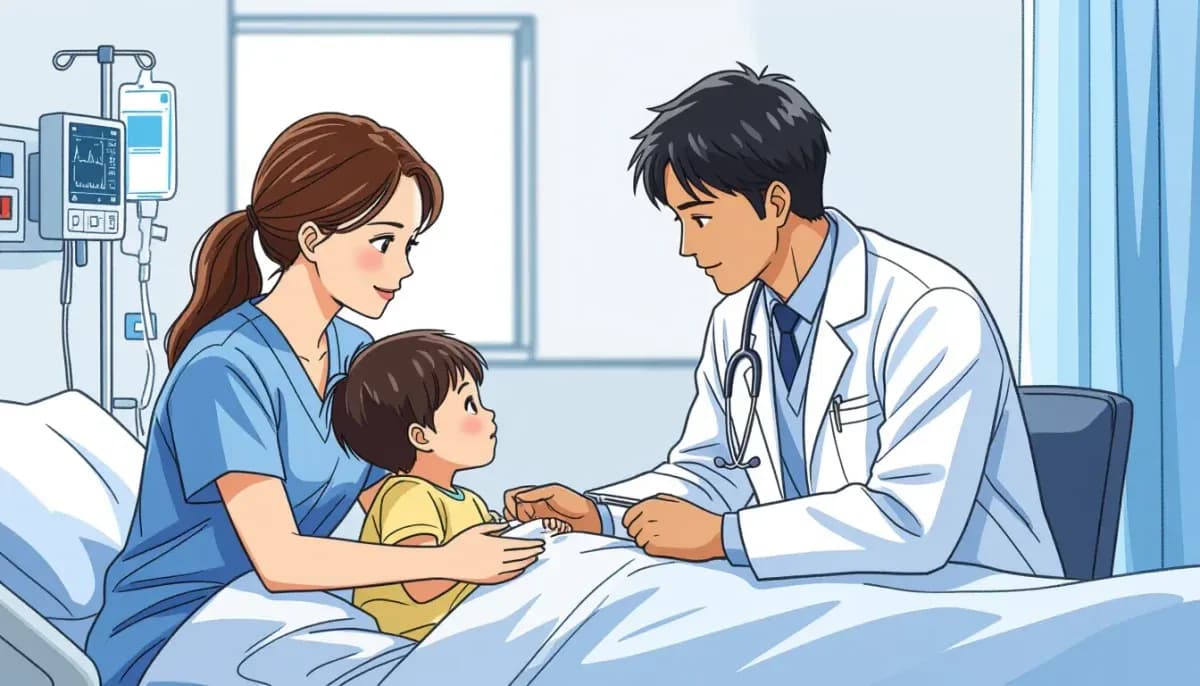
Complete guide to emergency medical care for children in Japan as a foreign parent. Learn emergency numbers (#8000, 119, #7119), hospital navigation, costs, language tips, and how to prepare before an emergency happens.
Emergency Medical Care for Children in Japan: A Complete Guide for Foreign Parents
As a foreign parent living in Japan, one of the most stressful situations you can face is when your child has a medical emergency. Navigating Japan's healthcare system in a language you may not be fluent in, in the middle of the night or on a holiday, can feel overwhelming. The good news is that Japan has an excellent healthcare infrastructure with dedicated systems specifically designed to help when children need urgent care.
This guide explains exactly what to do when your child has a medical emergency in Japan, which phone numbers to call, how the system works, and what to expect at Japanese hospitals — so you can feel prepared before an emergency ever happens.
Emergency Phone Numbers Every Parent Should Know
Knowing the right number to call is the most critical piece of preparation you can do as a foreign parent in Japan. Save all of these numbers in your phone right now.
| Number | Purpose | Hours | Language |
|---|---|---|---|
| 119 | Ambulance / Fire (serious emergencies) | 24/7 | Japanese (some English) |
| #8000 | Pediatric medical advice hotline | Evenings & weekends | Mostly Japanese |
| #7119 | General emergency medical consultation | 24/7 (most areas) | Japanese |
| 03-5285-8181 | Tokyo Metro Health Info (multilingual) | 9am–8pm | English, Chinese, Korean, Thai, Spanish |
| 03-5285-8185 | Tokyo Emergency Translation (evenings/weekends) | Evenings/weekends | Multiple languages |
119: Ambulance for Serious Emergencies
If your child is unconscious, not breathing, having a seizure, or in severe distress, call 119 immediately. This is Japan's emergency ambulance number, equivalent to 911 in the US or 999 in the UK. Ambulance transport in Japan is completely free of charge, and in major cities, response times average around five minutes.
When you call 119, speak slowly and clearly. Provide:
- Your exact address (prefecture, city, district, building name, and room number)
- A nearby landmark
- Your phone number
- The nature of the emergency and your child's age
If your Japanese is limited, say "Kodomo ga kyuukyuu desu" (子供が救急です — "My child is having an emergency") and your address. Having your address written down in Japanese in your phone or on the fridge can be a lifesaver.
#8000: Pediatric Advice Hotline
When your child is unwell but you're unsure if they need emergency care, dial #8000. This connects you with a nurse or pediatrician who can assess your child's symptoms and advise whether to seek emergency treatment, wait until morning, or come in immediately.
The service is typically available:
- Weekdays: 18:00 (6pm) to 8:00 next morning
- Weekends and public holidays: 8:00 to 8:00 (full day)
Important: The #8000 service is primarily in Japanese. If your Japanese isn't strong enough, ask a Japanese-speaking neighbor, colleague, or your child's school contact to make the call on your behalf. Alternatively, call the Tokyo Metro multilingual line at 03-5285-8181 first for guidance.
#7119: Medical Consultation for Adults and Children
Dial #7119 if you're unsure whether to call an ambulance. Doctors, nurses, and specialists will evaluate the situation and advise you whether emergency transport is needed. This service operates 24/7 in most prefectures and can prevent unnecessary ambulance calls while ensuring real emergencies are prioritized.
For more details on Japan's general healthcare system and insurance, see Healthcare and Medical Care for Children in Japan.
Understanding Japan's Emergency Medical System
Japan's approach to emergency care is different from many Western countries, and understanding the system in advance can prevent confusion during a crisis.
Hospitals Rotate Emergency Duties
One of the most confusing aspects for new residents is that hospitals and clinics in Japan rotate emergency duty shifts. A hospital that handles after-hours pediatric emergencies this Saturday may not be on duty next Saturday. The facility on duty changes on a rotating schedule, so the location may differ every time.
What this means for you: You cannot simply drive to the nearest hospital and expect to receive emergency pediatric care. Always check first.
How to find the duty hospital:
- Check your city or ward's official website — most publish a monthly schedule of duty medical facilities
- Call #8000 or #7119 for guidance
- Call 119 — paramedics will know which facility is accepting patients
Always Call Before You Go
Do not drive directly to an emergency room. Always call ahead or call 119 first. Paramedics will assess the situation, contact hospitals on your behalf, and ensure your child is directed to a facility that can treat them. Walking into an emergency room without calling ahead — especially after hours — can result in being turned away.
Children's Hospitals vs. General Hospitals
Japan has both general hospitals with pediatric departments and dedicated children's hospitals. For complex pediatric emergencies, the National Center for Child Health and Development (NCCHD) in Setagaya, Tokyo is one of the country's top specialized pediatric facilities. Similar centers exist in Osaka, Nagoya, and other major cities.
For more on how to choose appropriate medical facilities for your child, see our guide on Baby and Infant Care in Japan.
Costs and Health Insurance for Emergency Care
Understanding the financial side of emergency care in Japan is important, especially for foreign families navigating insurance for the first time.
National Health Insurance Coverage
All foreign residents in Japan who stay for more than 3 months are required to enroll in either the National Health Insurance (国民健康保険, Kokumin Kenko Hoken) or their employer's social insurance plan. Under these plans:
- Adults typically pay a 30% co-payment on medical costs
- Children under 6 typically pay a 20% co-payment
- School-age children's rates vary by municipality
Free Medical Care Certificates (医療証)
Most municipalities in Japan provide a Free Medical Care Certificate (iryousho) for children, which significantly reduces or eliminates out-of-pocket costs for pediatric medical care. The age cutoff varies by city — in many Tokyo wards, children's medical care is free up to age 15 or even through high school.
To obtain this certificate:
- Visit your local City Hall (市役所, shiyakusho) or Ward Office (区役所, kuyakusho)
- Bring your child's residence registration, health insurance card, and My Number Card
- Apply for the child medical subsidy (子ども医療費助成)
Always bring this certificate to any hospital visit, including emergencies. For more information on government benefits available to your family, see Government Benefits and Subsidies for Families in Japan.
What If You're Uninsured or Visiting?
If your child is uninsured — for example, if you're a tourist or haven't yet enrolled in insurance — you will typically be required to pay a deposit of around ¥10,000 at emergency facilities, with the full bill calculated and paid during regular business hours. Emergency care will not be refused due to inability to pay upfront, but the costs can be significant without insurance coverage.
Visitors should secure comprehensive travel insurance with medical coverage before arriving in Japan. Costs for emergency treatment can range from ¥10,000 for a simple visit to several hundred thousand yen for hospitalization.
Language Barriers: Getting Help When You Don't Speak Japanese
The language barrier is one of the biggest challenges for foreign parents in Japanese medical settings. Here's how to navigate it.
Multilingual Medical Resources
- Tokyo Metro Health & Medical Information Centre: Call 03-5285-8181 from 9am to 8pm for advice in English, Chinese, Korean, Thai, and Spanish
- Emergency Translation (evenings/weekends): Call 03-5285-8185
- AMDA International Medical Information Center: Provides multilingual telephone consultations
- Your hospital's international department: Many large hospitals in major cities have international patient departments with English-speaking staff or interpreter services
Hospitals with English-Language Support
Several hospitals in Tokyo and other major cities offer strong multilingual support:
| Hospital | Location | Language Support |
|---|---|---|
| St. Luke's International Hospital | Tokyo (Chuo) | English, other languages |
| Tokyo Medical and Surgical Clinic | Near Tokyo Tower | English |
| Showa University Hospital | Tokyo (Shinagawa) | English interpreters |
| Red Cross Medical Center | Tokyo (Shibuya) | English support |
| NCCHD | Tokyo (Setagaya) | International department |
Prepare a Medical Information Card
Create a bilingual medical information card in Japanese and English that includes:
- Your child's name, age, and blood type
- Allergies (drug and food)
- Current medications
- Your emergency contact number
- Your health insurance policy number and Free Medical Care Certificate number
Keep this card in your wallet and photograph it on your phone. Japanese emergency medical staff are professionals who will do their best regardless of language barriers, but having this information written down can significantly improve the quality of care.
For expat families navigating life in Japan more broadly, Living in Nihon offers comprehensive guides to Japan's health insurance and medical system.
Common Pediatric Emergencies and What to Do
Understanding the specific steps to take for common childhood emergencies will help you act quickly and calmly.
High Fever
Fever is one of the most common reasons parents call #8000. In Japan:
- A temperature above 38°C (100.4°F) is generally considered a fever
- Seek emergency care if your child is under 3 months old with any fever, or if fever exceeds 39°C (102.2°F) with other symptoms (difficulty breathing, rash, stiff neck, persistent vomiting)
- Febrile seizures, while frightening, are common in children 6 months to 5 years old — call 119 if a seizure occurs
Difficulty Breathing
Always call 119 immediately if your child:
- Has bluish lips or fingertips
- Is breathing very rapidly or with great effort
- Makes a high-pitched sound when breathing (stridor)
- Cannot speak or cry due to breathing difficulty
Allergic Reactions
If your child has a known allergy and shows signs of anaphylaxis (swollen throat, difficulty breathing, drop in blood pressure, loss of consciousness), administer epinephrine (EpiPen) if prescribed and call 119 immediately.
Make sure your child's daycare and school have a copy of their allergy action plan. For guidance on navigating daycare systems in Japan, see our guide on Daycare and Hoikuen in Japan.
Accidents and Injuries
For head injuries with loss of consciousness, suspected broken bones, or deep lacerations, call 119. For minor injuries, most urgent care clinics (kyuukyuu shinryousho) can treat cuts, sprains, and minor fractures.
Preparing Before an Emergency Happens
The best time to prepare for a medical emergency is when everything is calm. Here is a checklist for foreign parents in Japan:
Essential Preparations:
- Enroll in National Health Insurance or employer's social insurance
- Obtain your child's Free Medical Care Certificate from the local City Hall
- Locate and bookmark your city's rotating emergency hospital schedule online
- Save all emergency numbers in your phone (119, #8000, #7119, 03-5285-8181)
- Create a bilingual medical information card for each child
- Know the nearest pediatric hospital with 24-hour emergency service
- Register your My Number Card for health insurance use
Recommended: Talk to other foreign parents in your area — local expat communities often share valuable, firsthand information about which hospitals offer English support and how to navigate the system.
For expats working in Japan and navigating healthcare as part of employment benefits, For Work in Japan provides useful guidance on healthcare in employment contexts.
Home Visit Doctors: An Option for Non-Critical Emergencies
For situations that are urgent but not life-threatening — a sick child in the middle of the night who needs to be examined but does not need 119 — Japan has a growing number of home visit doctor services (往診, oushin).
Services like Hotel De Doctor 24 and similar providers dispatch doctors to your home during evenings and holidays. This can be invaluable when:
- Your child is too sick to travel to a clinic
- You're unsure if they need hospital care
- You don't have a car and public transport isn't running
- The nearest duty hospital is far away
Home visit services typically cost between ¥5,000–¥15,000 depending on the time, distance, and your insurance coverage. Search for "往診" (oushin) + your city name to find local providers.
For more on accessing Japan's healthcare resources as a foreign parent, see Japan Health Info's Children Emergency Guide and The Tokyo Chapter's guide to sick children in Tokyo.
Summary: What to Do in a Pediatric Emergency in Japan
| Situation | Action |
|---|---|
| Life-threatening emergency | Call 119 immediately |
| Unsure if ambulance needed | Call #7119 |
| Child is sick, need advice | Call #8000 (or 03-5285-8181 for English) |
| Need to find duty hospital | Check your city website or call #8000/#7119 |
| At the hospital | Present health insurance card + Free Medical Care Certificate + My Number Card |
Japan's healthcare system, while sometimes difficult to navigate due to language barriers and the rotating clinic system, is highly capable and dedicated to child health. With the right preparation, you can ensure your child receives excellent care quickly and efficiently — even in the most stressful circumstances.
For related information about raising healthy children in Japan, explore our pillar guide on Healthcare and Medical Care for Children in Japan and our article on Pregnancy and Giving Birth in Japan. For additional study resources and guides about life in Japan, visit Chuukou Benkyou.

Originally from Vietnam, living in Japan for 16+ years. Graduated from Nagoya University, with 11 years of professional experience at Japanese and international companies. Sharing practical information for foreign parents raising children in Japan.
View Profile →Related Articles
Children's Health Checkup Timeline in Japan
Complete guide to Japan's children's health checkup timeline for foreign parents. Learn about free municipal checkups, vaccination schedules, costs, and tips for expats navigating the Japanese healthcare system.
Read more →
When Your Child Is Hospitalized in Japan
Navigate your child's hospitalization in Japan with confidence. Learn about admission procedures, costs, insurance coverage, what to bring, communicating with staff, and discharge in Japan's pediatric system.
Read more →
Understanding Medical Forms and Documents at Japanese Schools
A complete guide to understanding medical forms and health documents at Japanese schools for foreign families, including school health checkups, vaccination records, allergy forms, and enrollment documents.
Read more →
Traditional Japanese Remedies and Home Treatments for Kids
Discover traditional Japanese home remedies for children: okayu, hachimitsu daikon, shoga-yu, umeboshi, and Kampo medicine. Practical guide for foreign parents in Japan.
Read more →
Mental Health Services for Children in Japan
Navigate mental health services for children in Japan as a foreign parent. Find English-speaking therapists, understand insurance coverage, and access crisis resources for your child.
Read more →
Eye Care and Vision Screening for Children in Japan
Complete guide to children's eye care in Japan: mandatory school vision screenings, ganka clinics, myopia statistics, insurance coverage, and tips for expat families navigating Japan's eye health system.
Read more →